Artwork
Henri-Jacques-Guillaume Clarke, Count of Hunebourg, Duke of Feltre, Marshal of France (1765-1818)
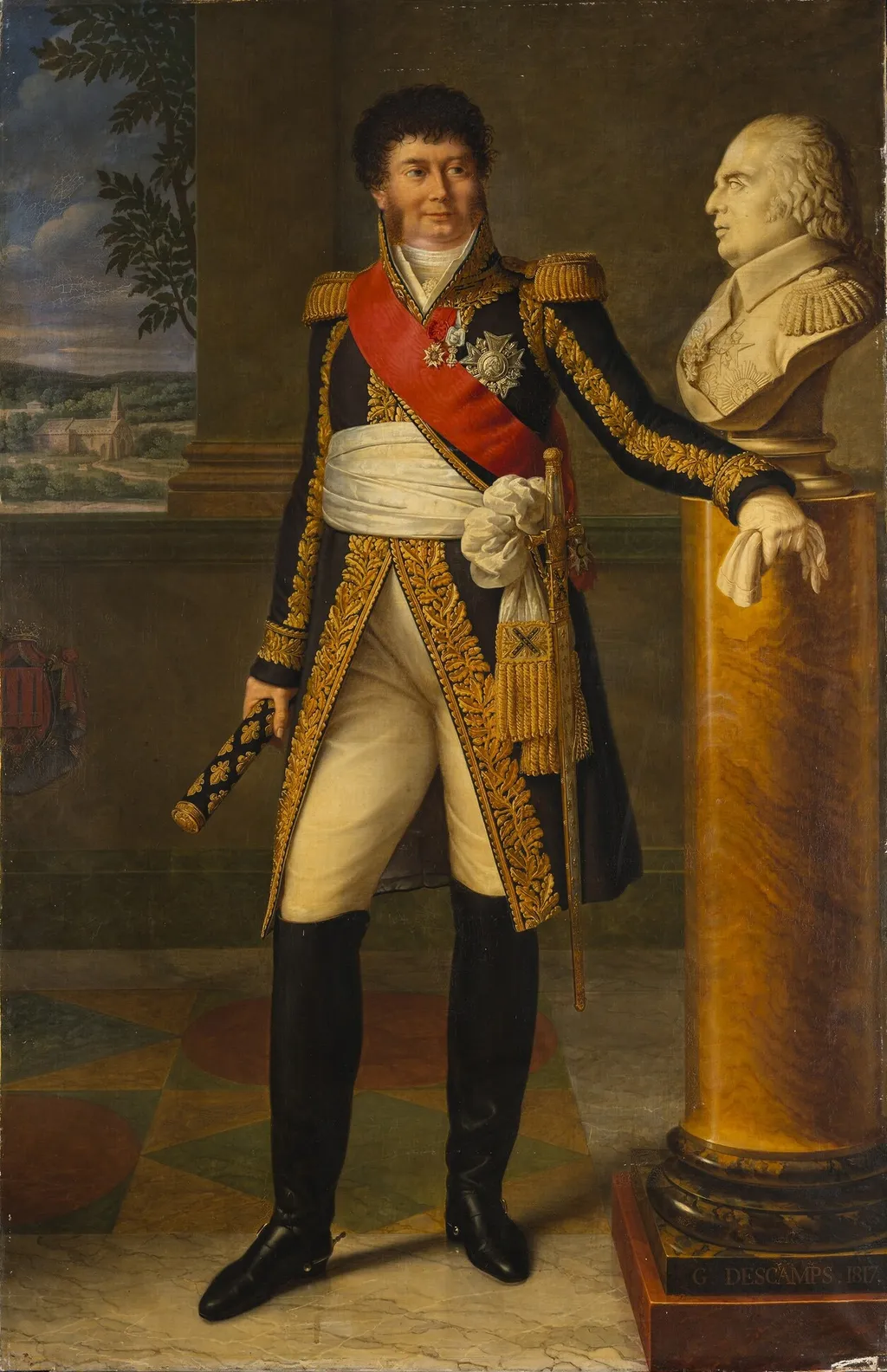
Henri-Jacques-Guillaume Clarke, Count of Hunebourg, Duke of Feltre, Marshal of France (1765-1818) is an oil painting by Guillaume Descamps. It dates from 1817 and is held in the collection of the Palace of Versailles. Guillaume-Désiré-Joseph Descamps executed this oil portrait in 1817, depicting Henri‑Jacques‑Guillaume Clarke, a senior French marshal.
About this work
The painting is a portrait of Henri-Jacques-Guillaume Clarke, Count of Hunebourg, Duke of Feltre, Marshal of France, painted by Guillaume Descamps in 1817.
This painting depicts a man in a black military uniform with gold accents, standing in front of a marble bust on a pedestal. He is wearing a red sash and a white waistcoat, and he is holding a sword in his right hand. The background of the painting is a dark brown wall with a window on the left side, showing a landscape with trees and a building.
The man's uniform is adorned with intricate gold embroidery, and he is wearing a medal around his neck. The marble bust on the pedestal appears to be a portrait of another man, possibly a historical figure.
The painting is a portrait of Henri-Jacques-Guillaume Clarke, Count of Hunebourg, Duke of Feltre, Marshal of France, painted by Guillaume Descamps in 1817. You can learn more about the artist Guillaume Descamps.
Overview
Guillaume-Désiré-Joseph Descamps executed this oil portrait in 1817, depicting Henri‑Jacques‑Guillaume Clarke, a senior French marshal. The work measures a typical portrait scale and is now part of the Palace of Versailles collection, where it represents the post‑Napoleonic military elite.
Subject & Meaning
Clarke is shown in full dress uniform, his black coat trimmed with gold braid, a red sash across his chest, and a white waistcoat beneath. A medal hangs from his neck, and he holds a sword in his right hand, emphasizing his martial rank. Behind him, a marble bust on a pedestal suggests a lineage of honor or a commemorated predecessor.
Technique & Style
Descamps renders the uniform’s intricate gold embroidery with fine brushwork, contrasting the dark brown wall and the muted landscape visible through a left‑hand window. The chiaroscuro modeling of the figure against the backdrop creates a three‑dimensional presence, while the smooth finish of the marble bust demonstrates the painter’s academic training.
History & Provenance
Born in Lille, Descamps studied under François‑André Vincent and earned the Prix de Rome, which sent him to Italy before he entered the service of Joachim Murat in Naples. After completing the portrait, it entered the royal collection and has remained at Versailles, documenting the marshal’s status during the Bourbon Restoration.
Context
The portrait was produced shortly after the fall of Napoleon, when former imperial officers were being reintegrated into the restored monarchy. Clarke, who held titles of Count of Hunebourg and Duke of Feltre, exemplified the continuity of military authority across regimes, a theme reflected in the formal, dignified composition.
Artist & collection
Artist
Guillaume-Désiré-Joseph Descamps (1779–1858), a French painter and engraver, was born at Lille.

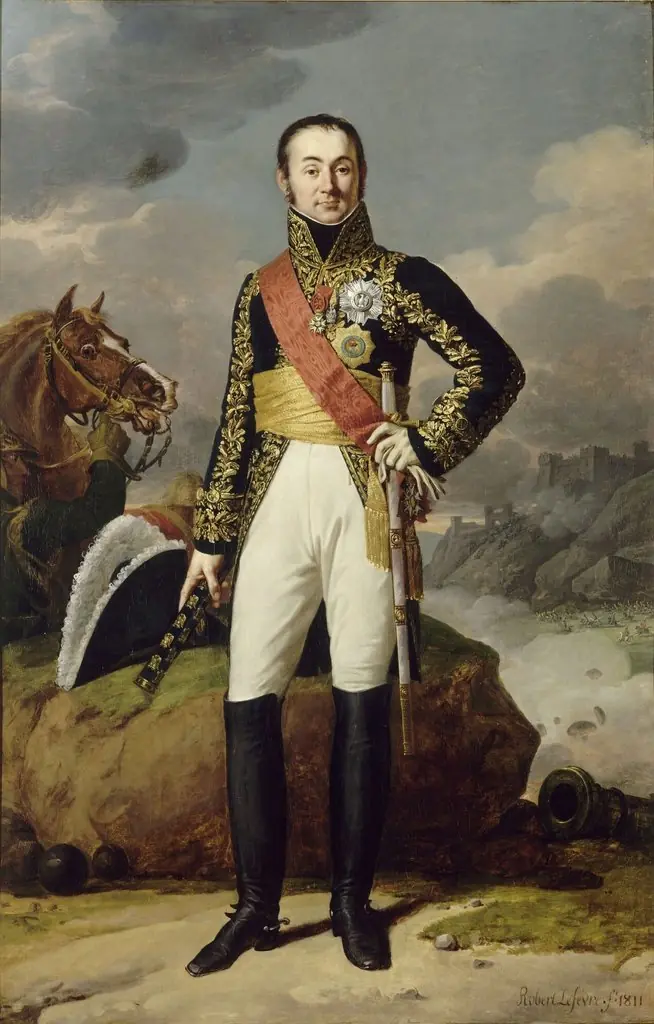 Nicolas-Charles Oudinot, Duke of Reggio, Marshal of France (1767-1847)
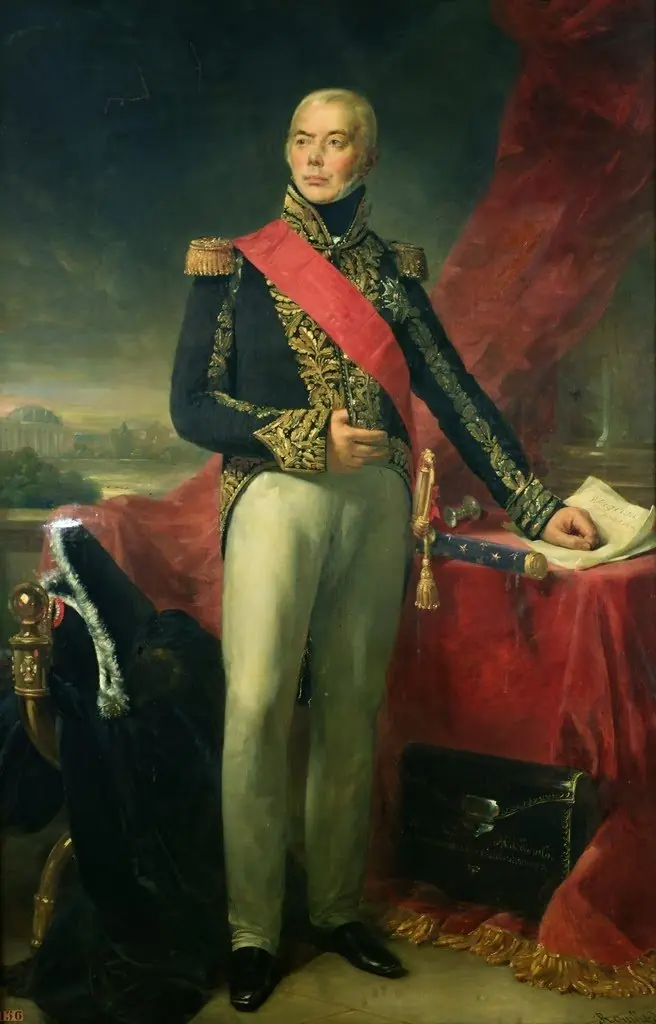 Etienne-Joseph-Jacques-Alexandre MacDonald, Duke of Taranto, Marshal of France (1765-1840)
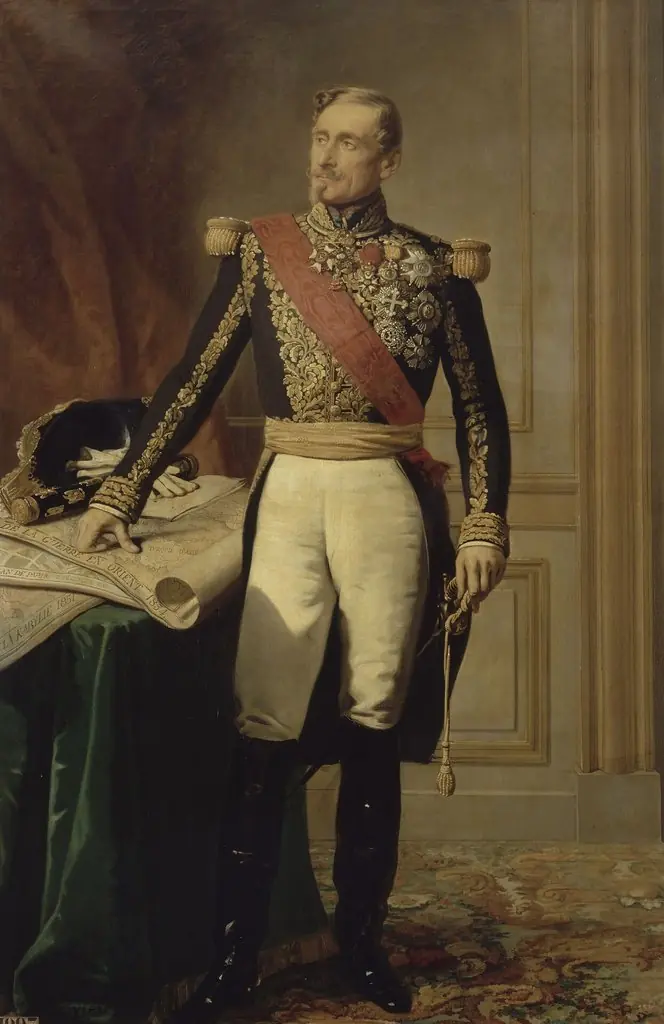 Armand-Jacques Leroy de Saint-Arnaud, Marshal of France
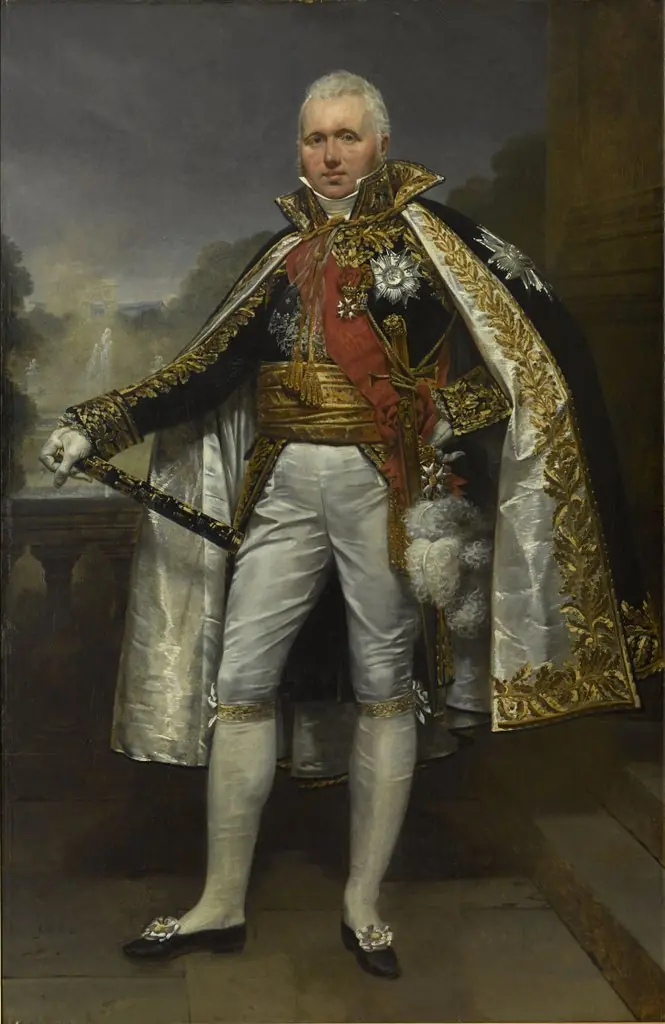 Claude-Victor Perrin, Duke of Bellune, Marshal of France
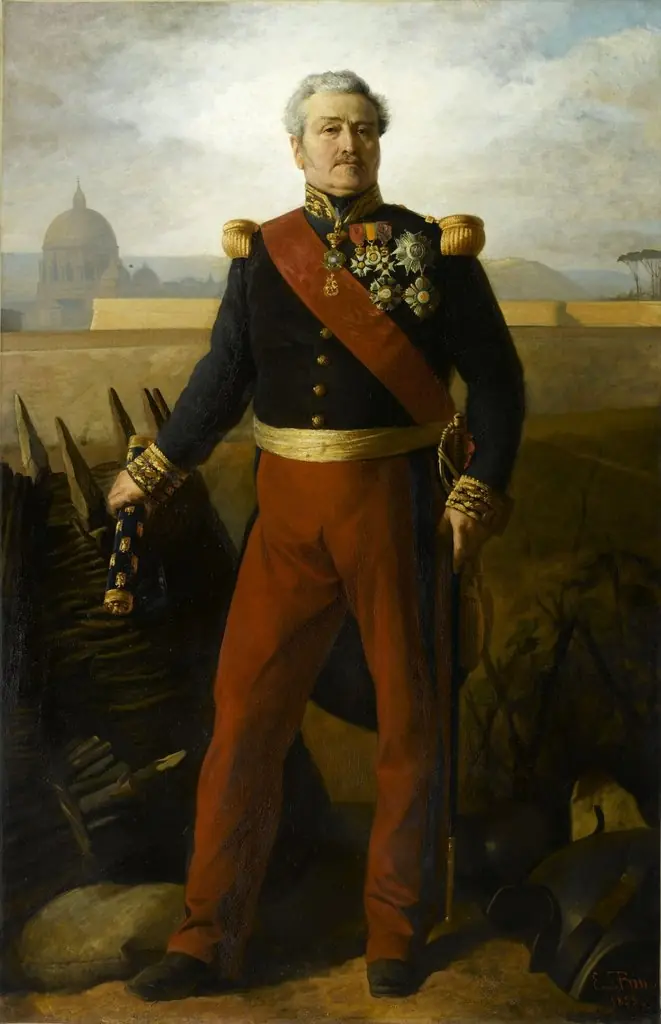 Jean-Baptiste-Philibert Vaillant, Marshal of France
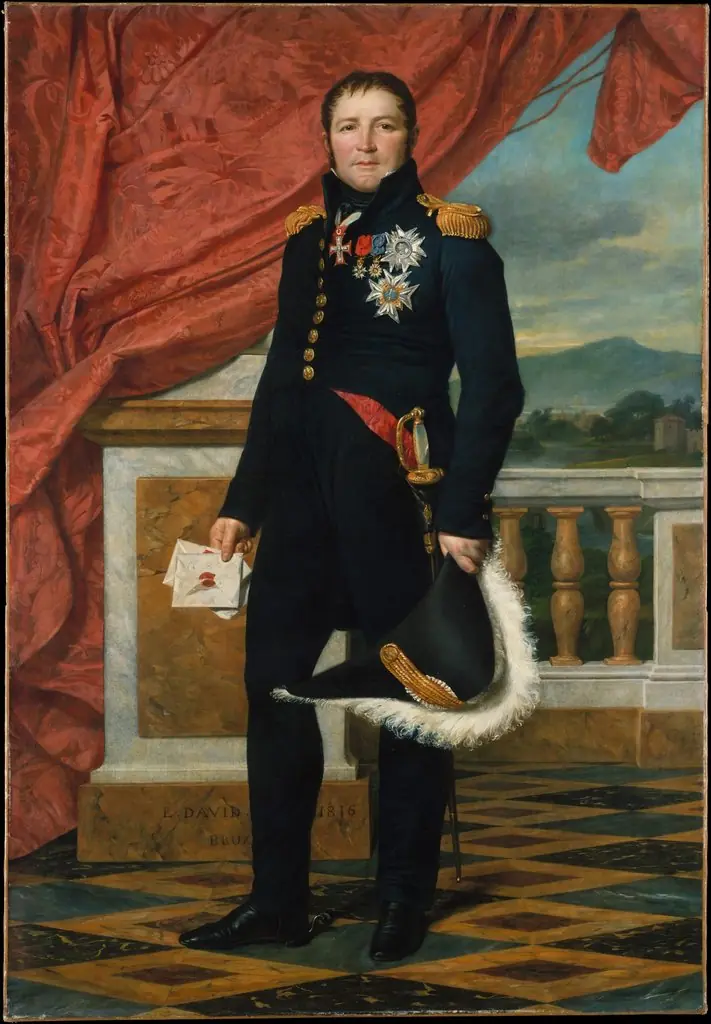 General Étienne-Maurice Gérard (1773–1852), Marshal of France
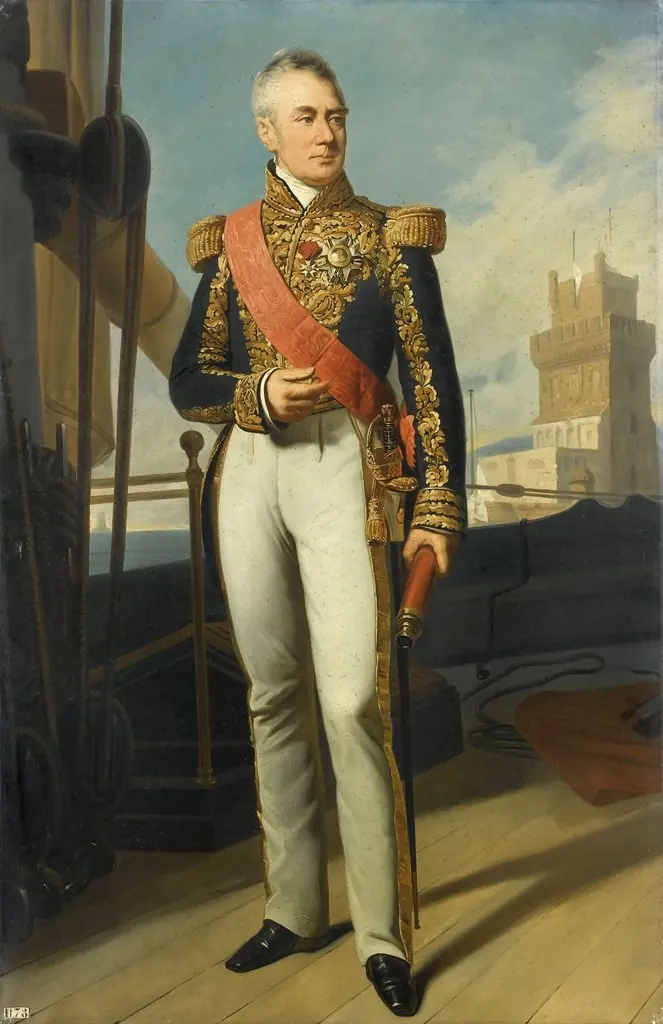 Albin-Reine, baron Roussin, admiral of France
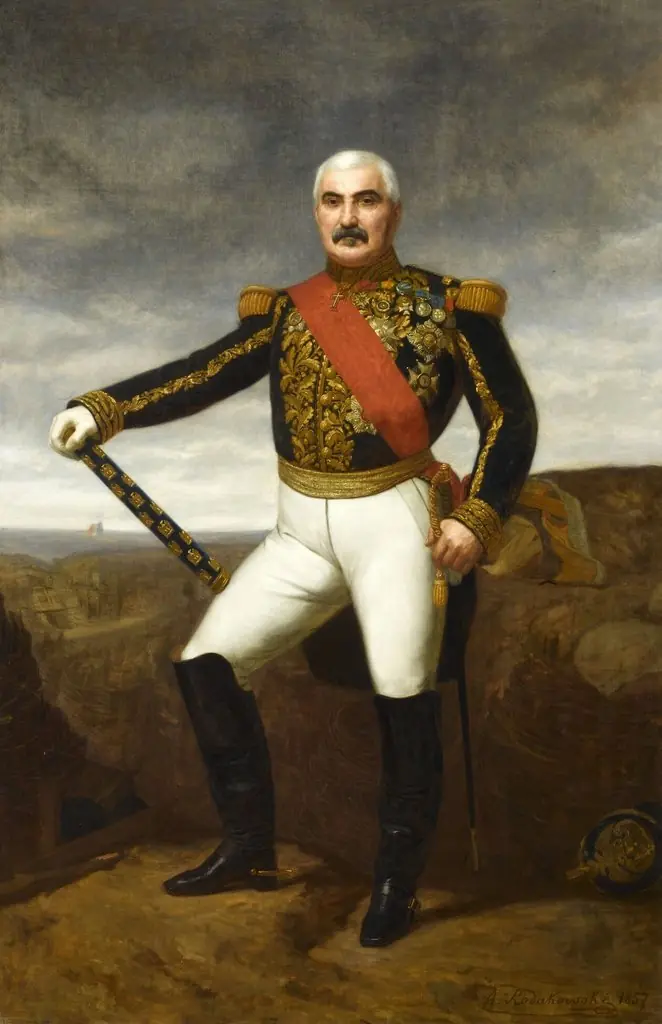 Aimable-Jean-Jacques Pélissier, Duke of Malakoff, Marshal of France
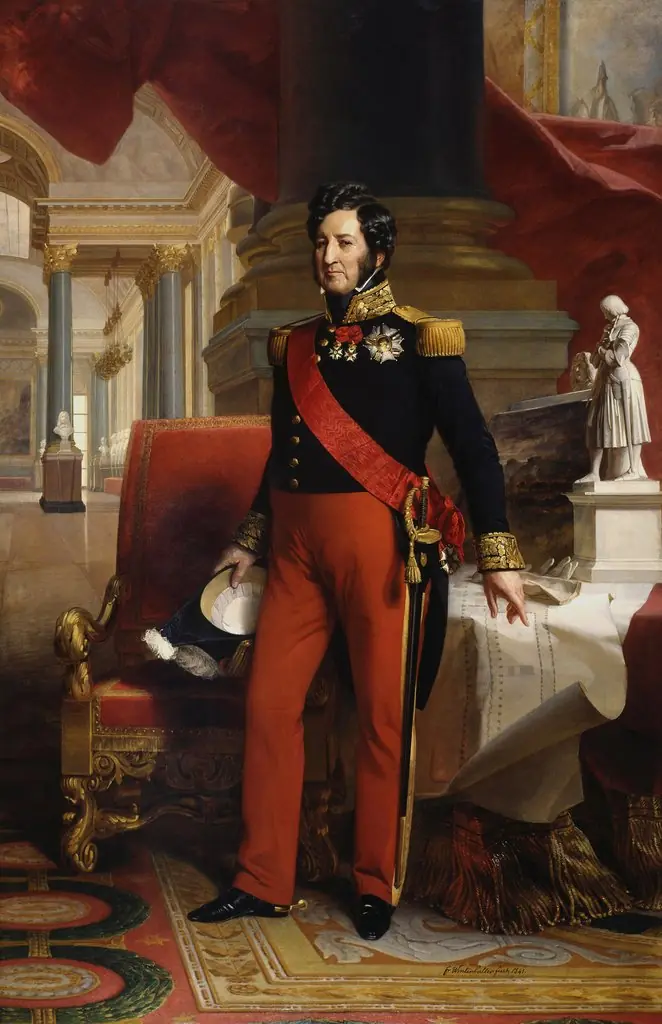 Louis-Philippe I, King of the French (1773–1850)