Artwork
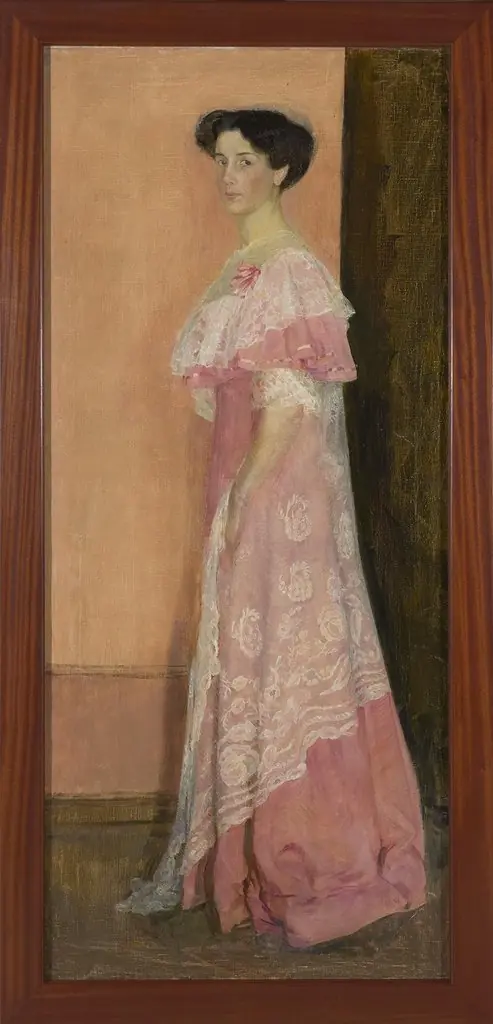
Bildnis Lydia Welti-Escher im roten Kleid
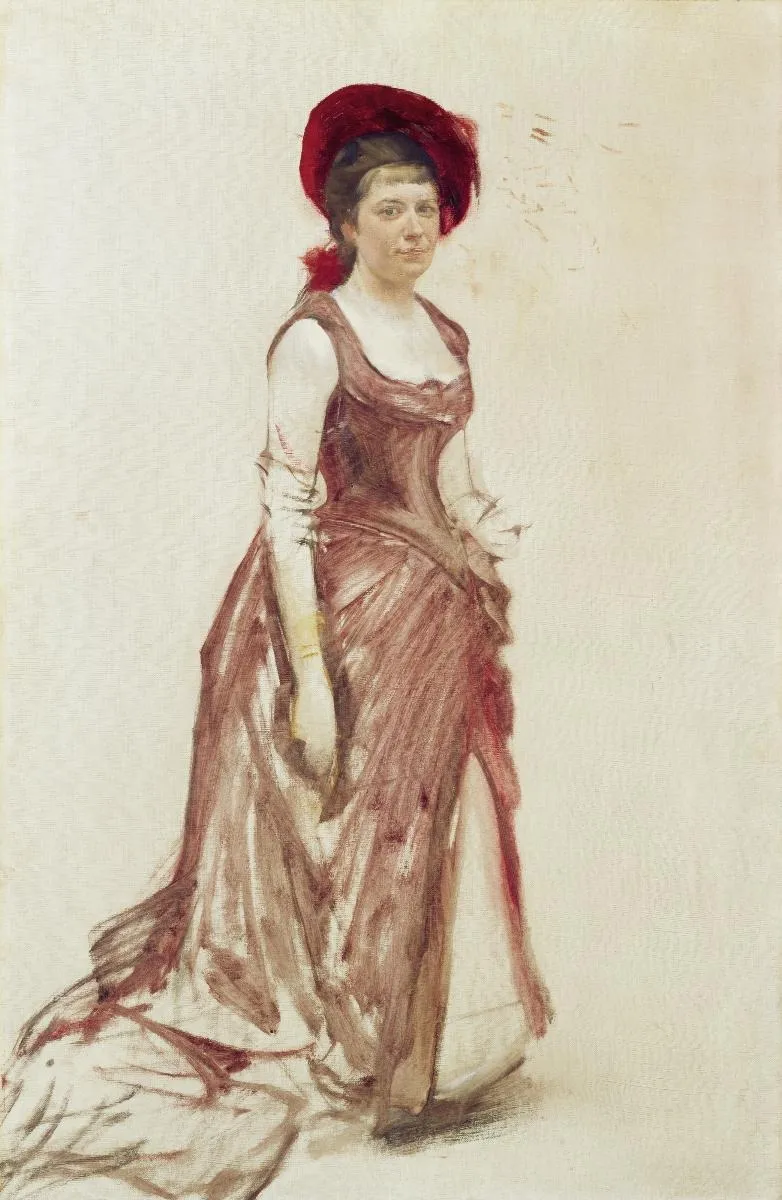
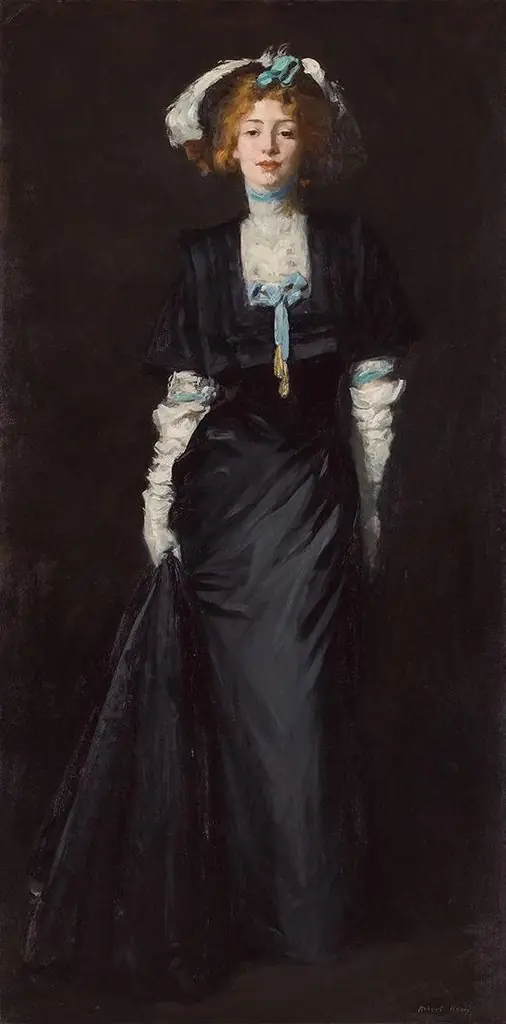
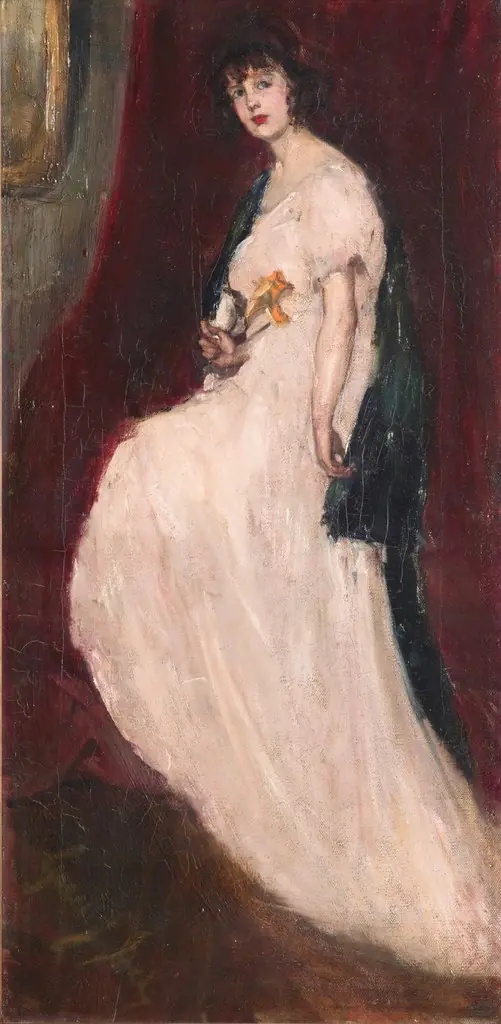
Bildnis Lydia Welti-Escher im roten Kleid is an oil painting by the Post-Impressionist artist Karl Stauffer-Bern. It is held in the collection of the Kunsthaus Zürich. This oil painting, completed in 1894, portrays Lydia Welti-Escher in a formal red dress and matching hat with a feather trim.
About this work
Overview
This oil painting, completed in 1894, portrays Lydia Welti-Escher in a formal red dress and matching hat with a feather trim. Created by Swiss artist Karl Stauffer-Bern, it resides in the collection of Kunsthaus Zürich. Though Stauffer-Bern died in 1891, the work was finished posthumously, likely from preparatory studies or sketches made during his lifetime.
Subject & Meaning
Her attire suggests high social standing, yet the neutral expression and absence of decorative detail in the background avoid overt symbolism.
Lydia Welti-Escher, a prominent Swiss socialite and patron of the arts, is depicted with composed stillness, facing the viewer directly. Her attire suggests high social standing, yet the neutral expression and absence of decorative detail in the background avoid overt symbolism. The portrait conveys presence rather than narrative, reflecting a quiet dignity tied to her role in Zurich’s cultural circles.
Technique & Style
Stauffer-Bern employed bold, visible brushwork to define the form of the dress and the contours of the figure, avoiding smooth blending in favor of textured application. The red fabric is rendered with energetic strokes that suggest volume and movement, while the plain off-white background isolates the subject, emphasizing her silhouette. The technique aligns with post-impressionist tendencies toward expressive handling over naturalistic detail.
History & Provenance
Though Stauffer-Bern died in 1891, the portrait was completed after his death, possibly by his assistants or through his existing studies. It entered the Kunsthaus Zürich’s collection in the early 20th century, where it has remained. The painting’s completion posthumously adds a layer of historical complexity, linking it to both the artist’s final years and the cultural legacy of its subject.
Context
In late 19th-century Switzerland, portraiture served as both social record and artistic assertion. Welti-Escher, as a wealthy benefactor, was a familiar figure in Zurich’s intellectual circles. Stauffer-Bern, though troubled and largely overlooked in his time, engaged with contemporary European trends, blending formal commission with the expressive brushwork emerging in post-impressionist circles.
Legacy
The portrait endures as a quiet testament to Stauffer-Bern’s skill in capturing presence through gesture and texture rather than idealization. It remains one of the few surviving portraits of Welti-Escher, offering insight into the visual culture of Swiss elite women and the transitional artistic climate between academic tradition and modernist experimentation.
Artist & collection
Artist
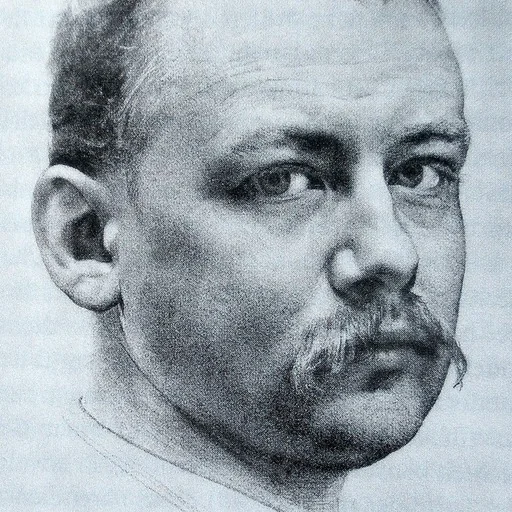
Karl Stauffer, known as Karl Stauffer-Bern (2 September 1857, Trubschachen – 24 January 1891, Florence) was a Swiss painter, etcher and sculptor.