Artwork
Beacon Hill
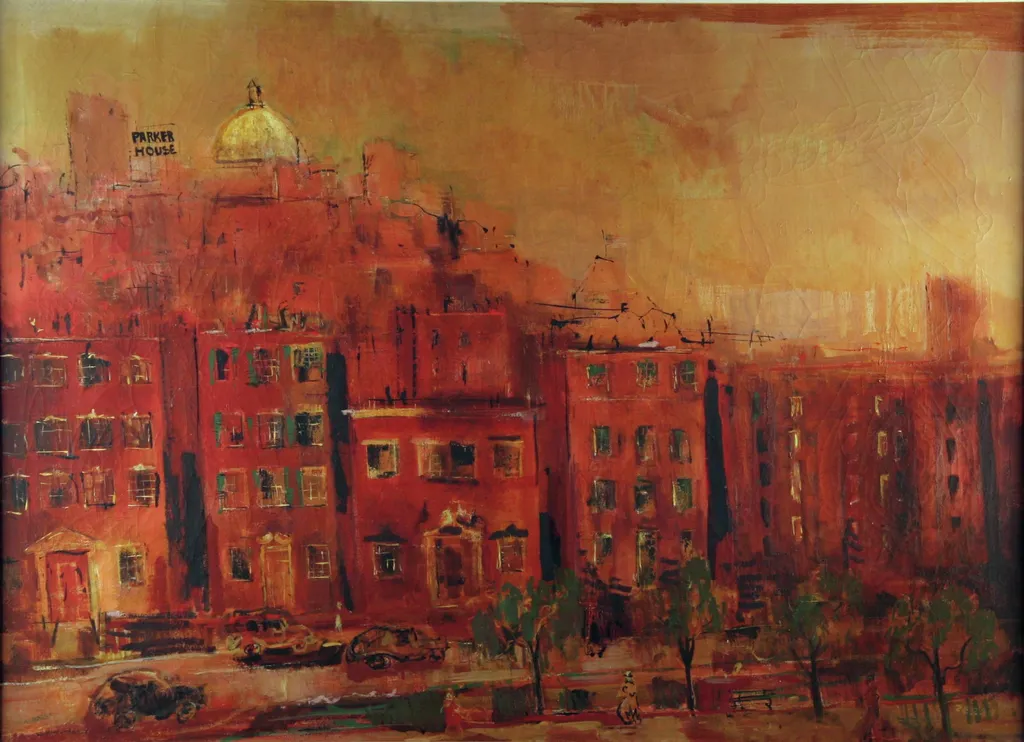
Beacon Hill is an unspecified painting by Karl Zerbe. It dates from 1947 and is held in the collection of the Detroit Institute of Arts.
About this work
Overview
Karl Zerbe painted Beacon Hill around 1947, capturing a quiet urban scene in Boston. The work is part of the Detroit Institute of Arts collection. It presents a subdued cityscape dominated by red and orange tones, with architectural elements suggesting a historic neighborhood. The composition avoids dramatic action, instead focusing on stillness and the weight of ordinary space.
Subject & Meaning
Zerbe’s approach suggests a meditation on place and memory, emphasizing quietude over spectacle, as if observing a moment suspended between activity and rest.
The painting depicts a section of Boston’s Beacon Hill, identifiable by its distinctive domed structure and row houses. The inclusion of parked cars and trees grounds the scene in daily life, while the handwritten 'Parker House' hints at local landmarks. Zerbe’s approach suggests a meditation on place and memory, emphasizing quietude over spectacle, as if observing a moment suspended between activity and rest.
Technique & Style
Zerbe employed a restrained palette of earthy reds and oranges, with minimal contrast to unify the composition. Brushwork is deliberate but not expressive, favoring flat planes and soft edges that flatten perspective slightly. The text 'Parker House' is rendered in plain black, functioning as both label and visual anchor. The style reflects a post-expressionist sensibility, balancing realism with emotional restraint.
History & Provenance
Created shortly after Zerbe’s emigration from Germany and his settlement in the United States, Beacon Hill reflects his engagement with American urban environments. The painting entered the Detroit Institute of Arts collection in the mid-20th century, likely through acquisition or donation. Its provenance remains tied to Zerbe’s time in Boston and his later academic career in the Midwest.
Context
Painted during the late 1940s, Beacon Hill emerged amid a period when American artists were redefining realism beyond traditional narrative. Zerbe, influenced by European modernism and German Expressionism, adapted these sensibilities to depict everyday American scenes. The work aligns with contemporaries exploring emotional tone through color and form, rather than overt symbolism or social commentary.
Legacy
Beacon Hill stands as a quiet example of Zerbe’s contribution to mid-century American realism. While not widely exhibited, it exemplifies his ability to infuse ordinary urban views with psychological depth. The painting remains a reference point for understanding how immigrant artists negotiated identity and place in postwar America, valuing subtlety over grandeur.
Artist & collection

 Șantier
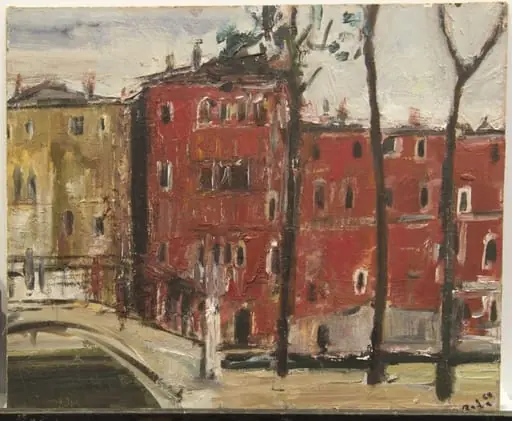 Peisaj la Veneția
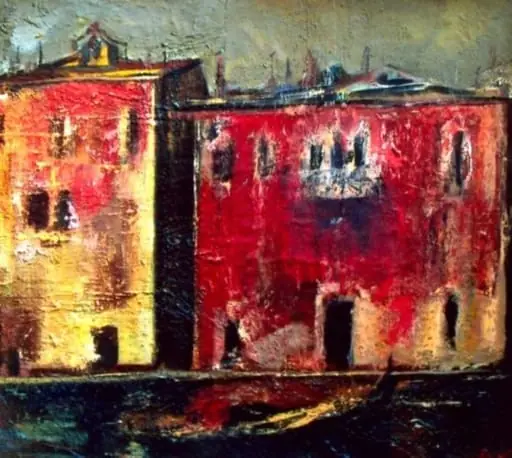 Veneția
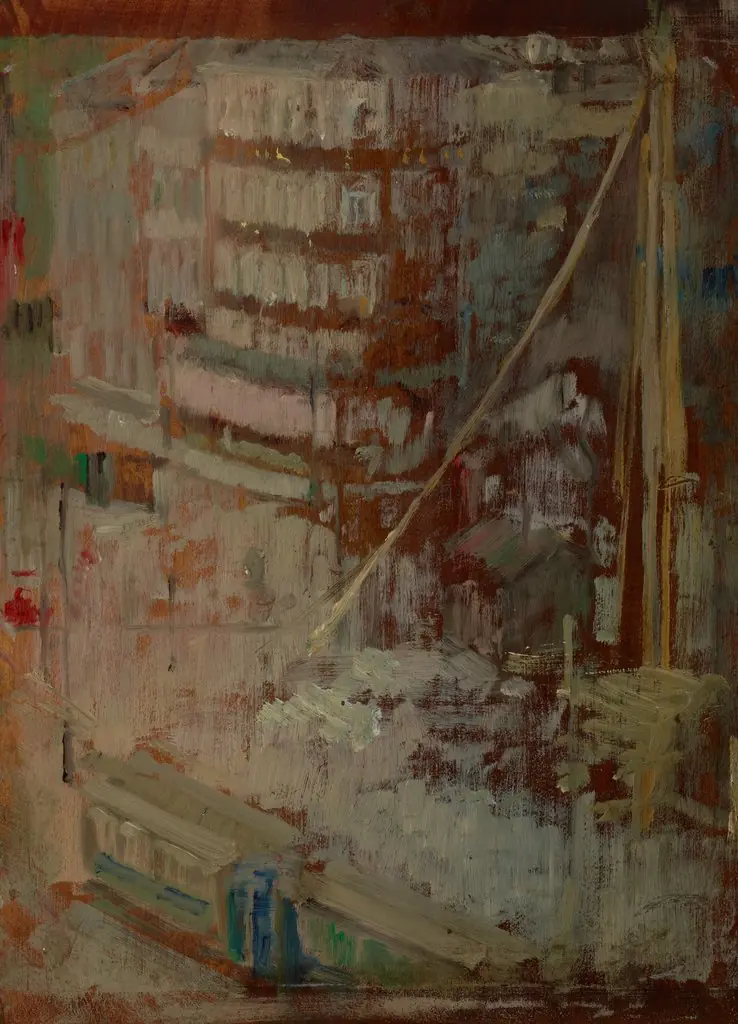 Motif from Paris
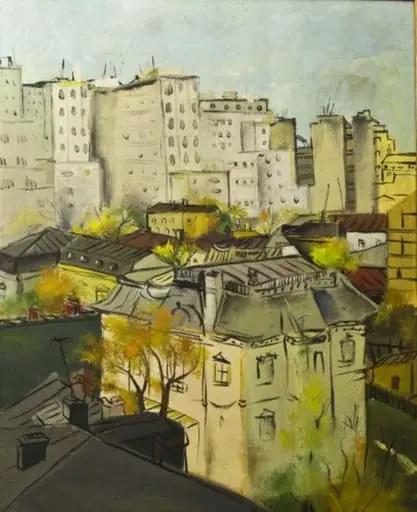 Peisaj bucureștean
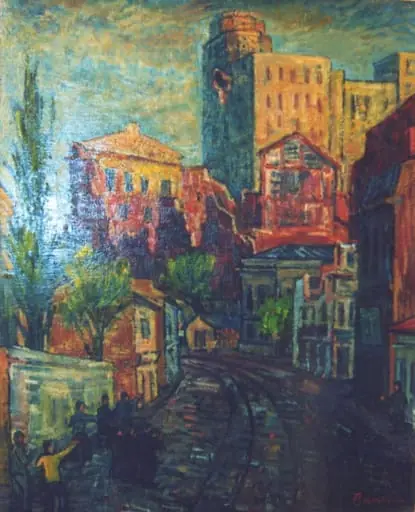 Ruinele Teatrului Național
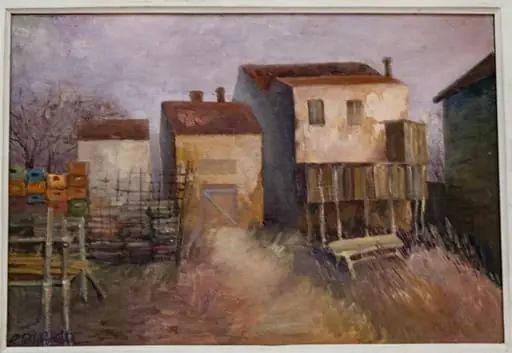 Amurg de toamnă
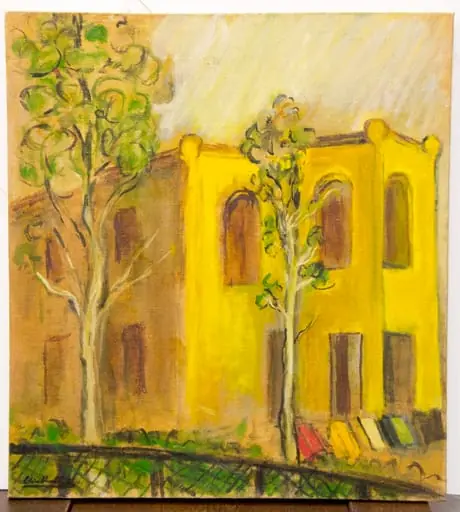 Vedere spre strada Luterană
 Landscape: from the Acropolis area
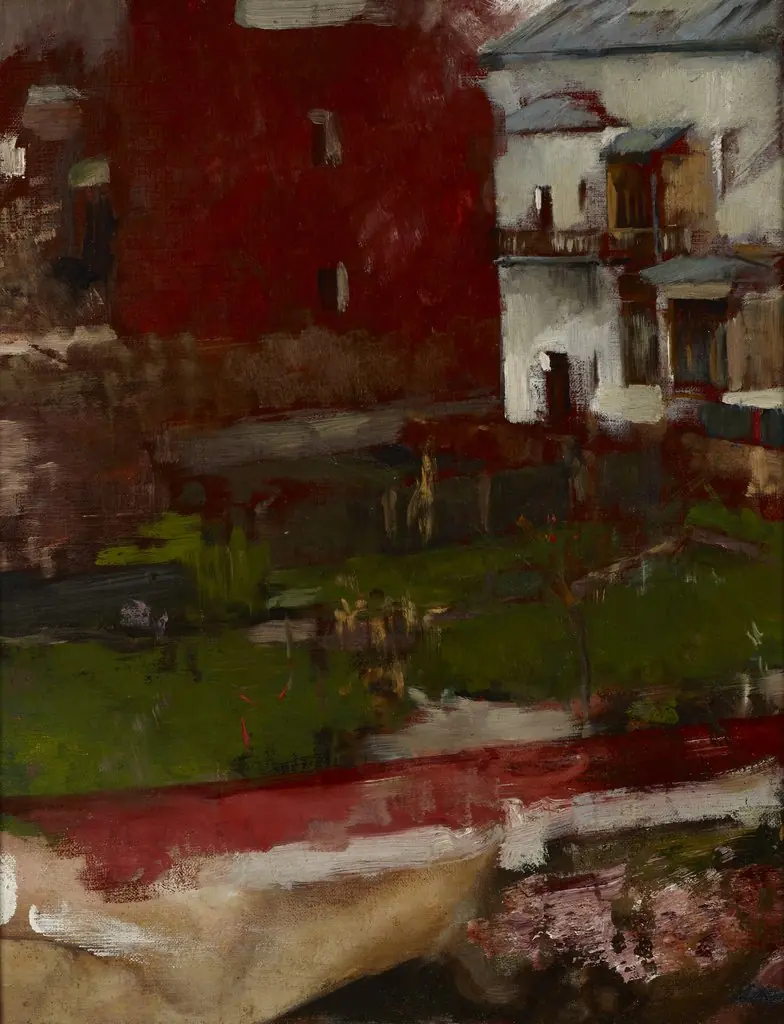 Town Buildings I
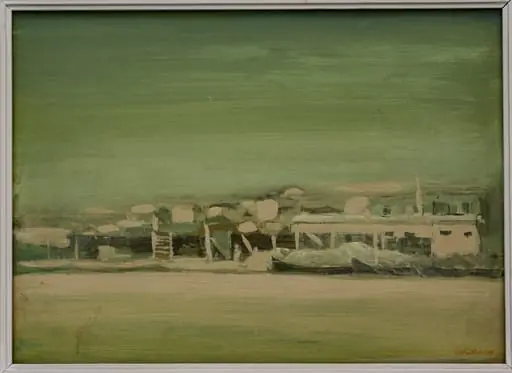 Cherhana
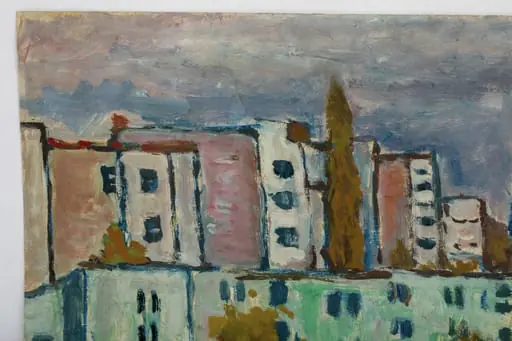 Peisaj urban cu blocuri. În prim-plan, un grup de copaci verde-ocru, urmați de un bloc gri, jos, iar în spatele său se aliniază un șir de blocuri înalte. În dreapta lucrării, copaci înalți. Cerul plumburiu. Semnat și datat dreapta jos, cu negru: Craiu (19)72.