Artwork
冨嶽三十六景 東海道保土ケ谷|Hodogaya on the Tōkaidō (Tōkaidō Hodogaya), from the series Thirty-six Views of Mount Fuji (Fugaku sanjūrokkei)
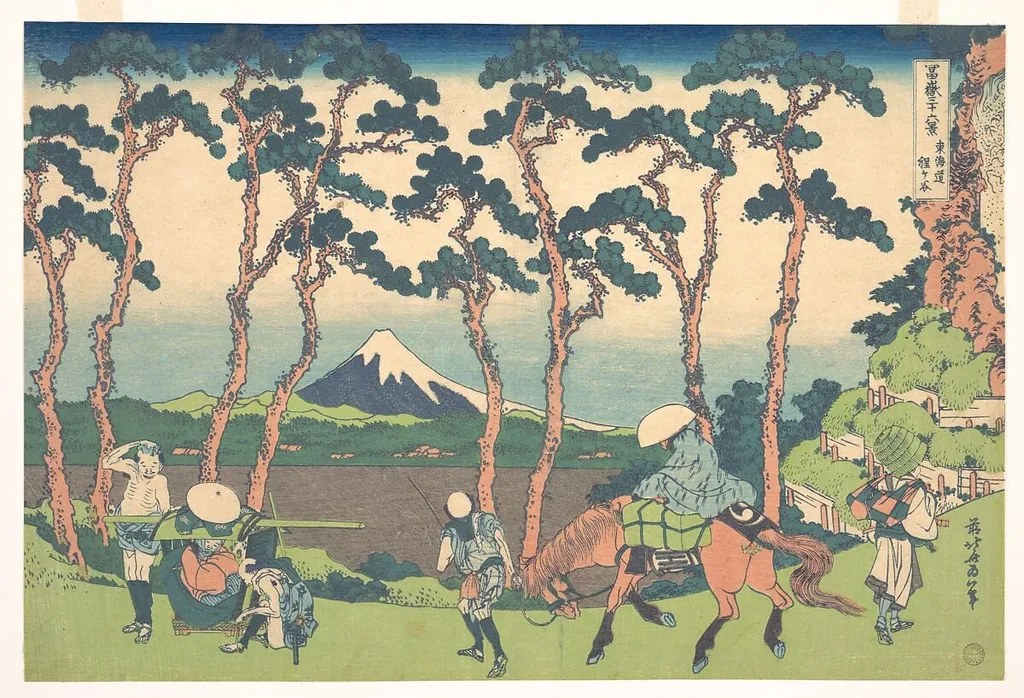
冨嶽三十六景 東海道保土ケ谷|Hodogaya on the Tōkaidō (Tōkaidō Hodogaya), from the series Thirty-six Views of Mount Fuji (Fugaku sanjūrokkei) is an ink print by the Japonisme artist Katsushika Hokusai. It dates from 1831 and is held in the collection of the Metropolitan Museum of Art.
About this work
Overview
Hodogaya on the Tōkaidō is a woodblock print from Katsushika Hokusai's series Thirty-six Views of Mount Fuji, circa 1831. The piece is a cityscape print executed in ink and color on paper, currently part of The Metropolitan Museum of Art's collection.
Subject & Meaning
The print depicts a vibrant riverside scene near Hodogaya on the Tōkaidō. Figures engage in various activities amidst tall pine trees, with some on horseback, one holding a fan, and another under a parasol. In the background, Mount Fuji rises above a flat landscape and a small village, symbolizing the coexistence of daily life with the majestic natural presence of Fuji.
Technique & Style
Hokusai employed bold colors and simplified shapes to convey movement and depth. Notably, the inward-leaning trees visually direct the viewer's gaze toward the distant Mount Fuji, illustrating the artist's mastery of compositional guidance.
History & Provenance
Created around 1831, the print is part of Hokusai's renowned Thirty-six Views of Mount Fuji series. It is now housed at The Metropolitan Museum of Art.
Artist & collection

Artist
Katsushika Hokusai spent his life in Edo, now Tokyo, where he drew and carved prints for a living.

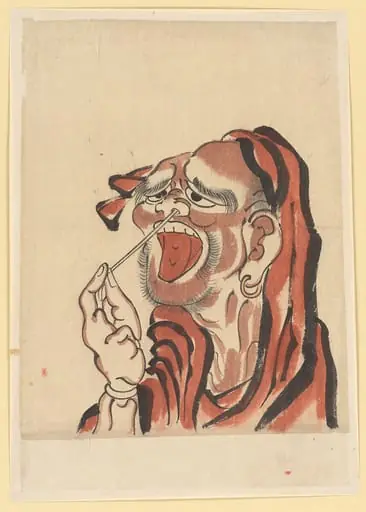
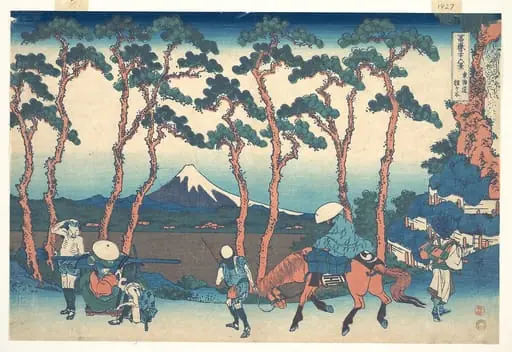 冨嶽三十六景 東海道保土ケ谷|Hodogaya on the Tōkaidō (Tōkaidō Hodogaya), from the series Thirty-six Views of Mount Fuji (Fugaku sanjūrokkei)
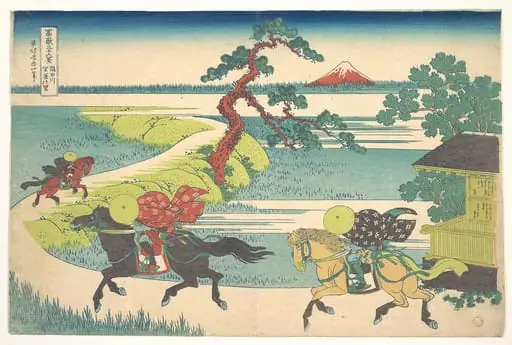 冨嶽三十六景 隅田川関屋の里|Sekiya Village on the Sumida River (Sumidagawa Sekiya no sato), from the series Thirty-six Views of Mount Fuji (Fugaku sanjūrokkei)
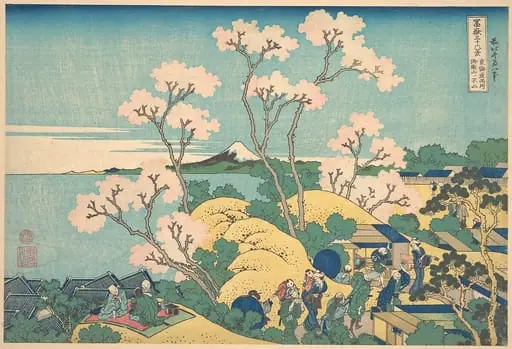 冨嶽三十六景 東海道品川御殿山の不二|Fuji from Gotenyama on the Tōkaidō at Shinagawa (Tōkaidō Shinagawa Gotenyama no Fuji), from the series Thirty-six Views of Mount Fuji (Fugaku sanjūrokkei)
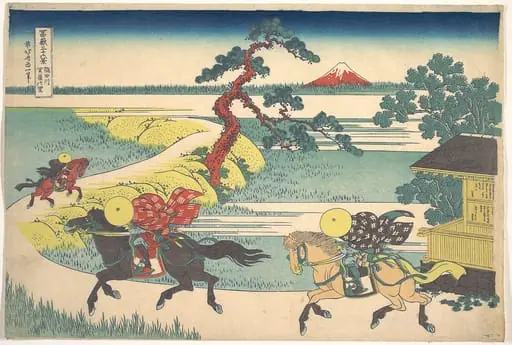 冨嶽三十六景 隅田川関屋の里|Sekiya Village on the Sumida River (Sumidagawa Sekiya no sato), from the series Thirty-six Views of Mount Fuji (Fugaku sanjūrokkei)
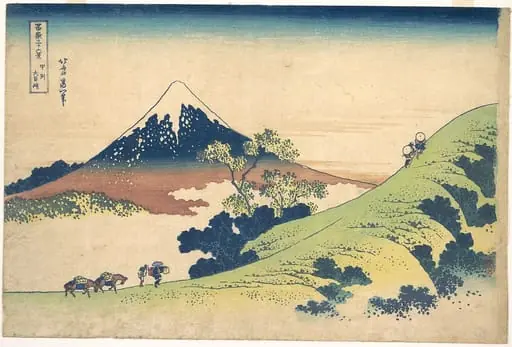 冨嶽三十六景 甲州犬目峠|The Inume Pass in Kai Province (Kōshū Inume tōge), from the series Thirty-six Views of Mount Fuji (Fugaku sanjūrokkei)
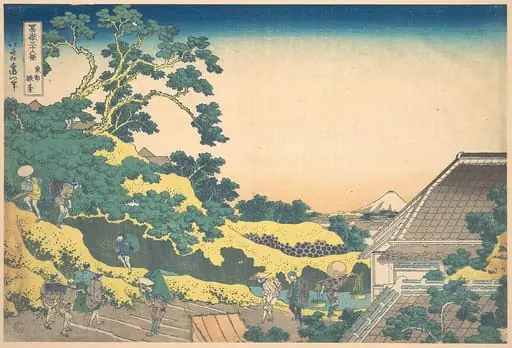 冨嶽三十六景 東都駿台|Surugadai in Edo (Tōto Sundai), from the series Thirty-six Views of Mount Fuji (Fugaku sanjūrokkei)
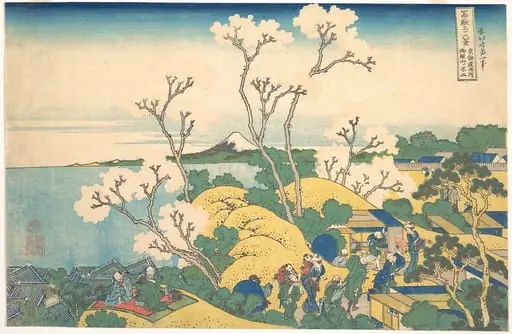 冨嶽三十六景 東海道品川御殿山の不二|Fuji from Gotenyama at Shinagawa on the Tōkaidō (Tōkaidō Shinagawa Gotenyama no Fuji), from the series Thirty-six Views of Mount Fuji (Fugaku sanjūrokkei)
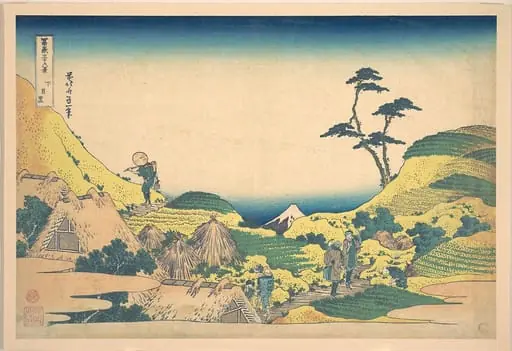 冨嶽三十六景 下目黒|Lower Meguro (Shimo Meguro), from the series Thirty-six Views of Mount Fuji (Fugaku sanjūrokkei)
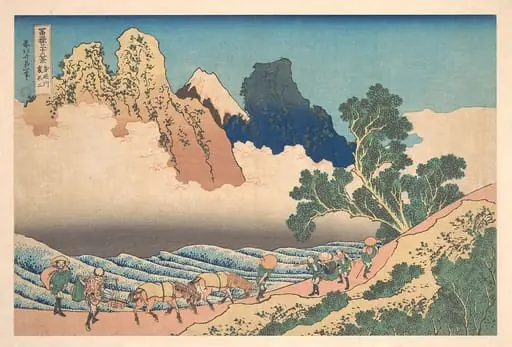 冨嶽三十六景 身延川裏不二|View from the Other Side of Fuji from the Minobu River (Minobugawa ura Fuji), from the series Thirty-six Views of Mount Fuji (Fugaku sanjūrokkei)
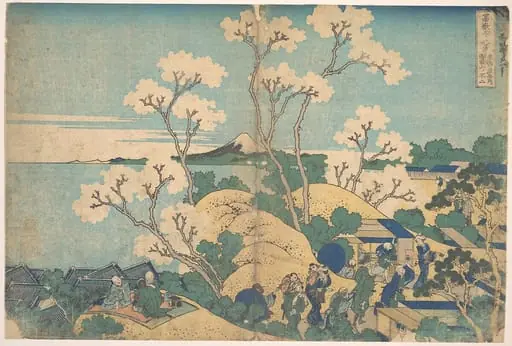 冨嶽三十六景 東海道品川御殿山の不二|Fuji from Gotenyama at Shinagawa on the Tōkaidō (Tōkaidō Shinagawa Gotenyama no Fuji), from the series Thirty-six Views of Mount Fuji (Fugaku sanjūrokkei)