Artwork
Minamoto no Yoshitsune
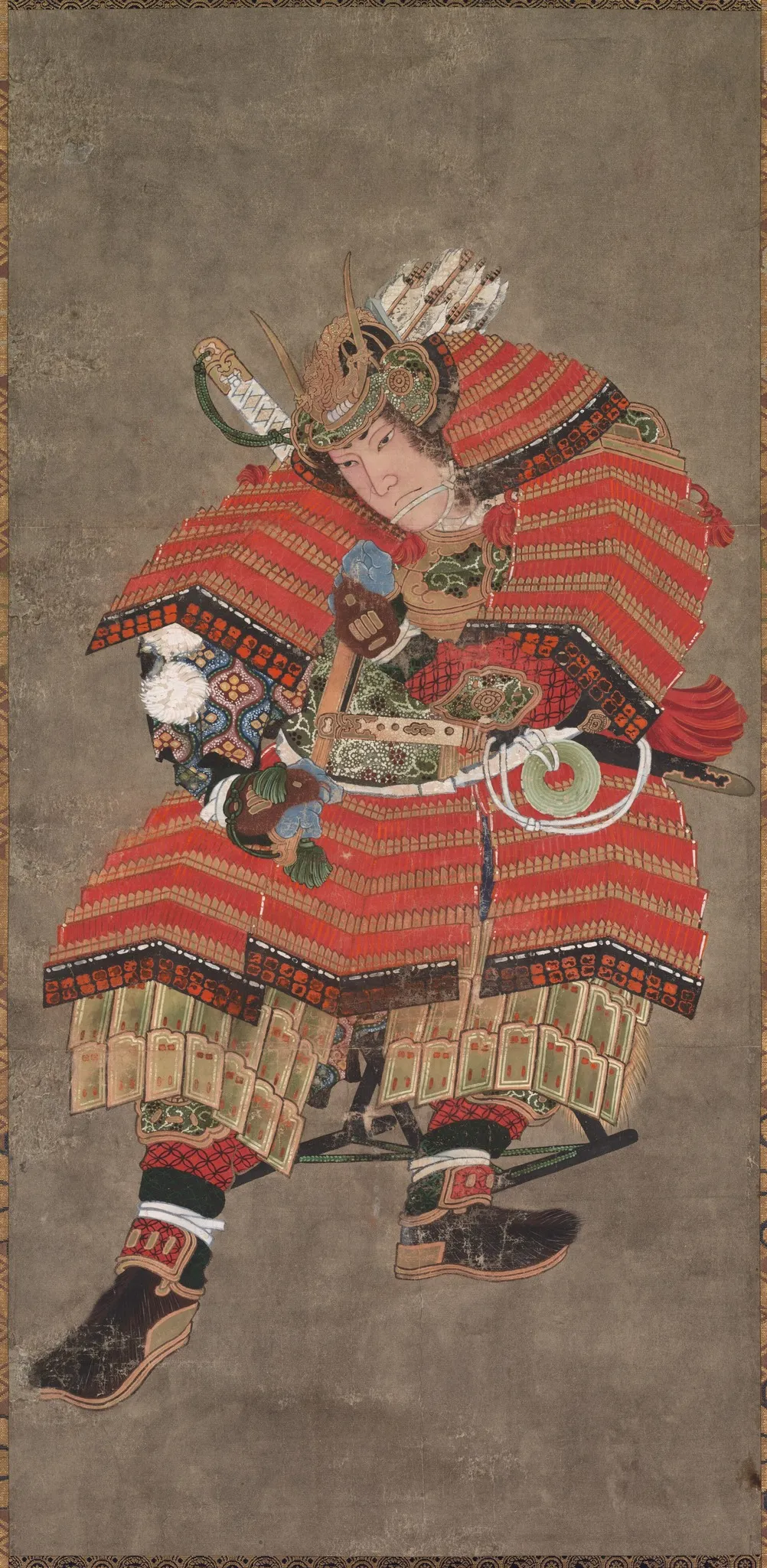
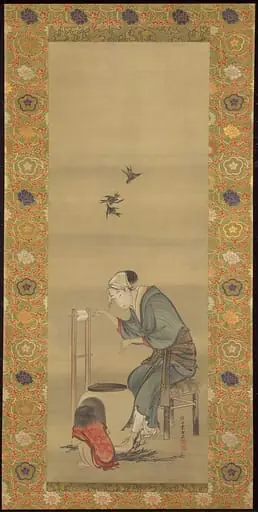
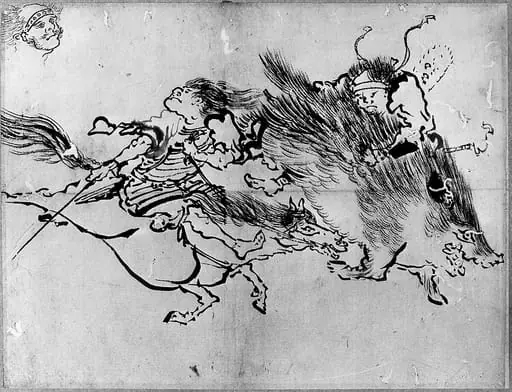
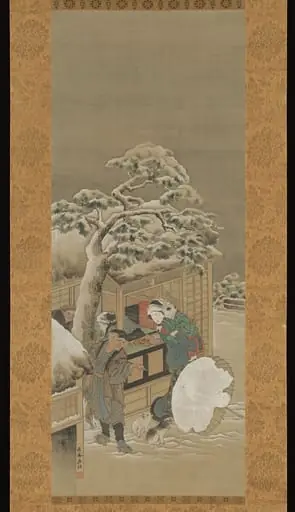
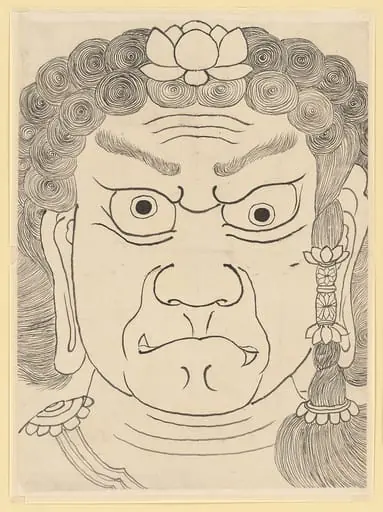
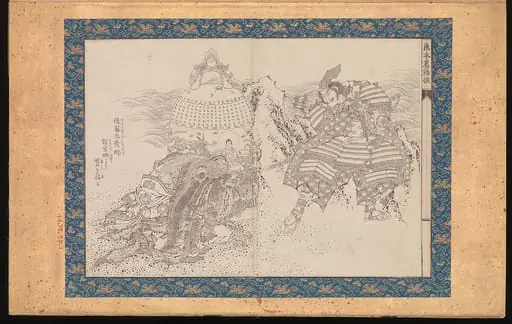
Minamoto no Yoshitsune is an unspecified painting by the Ukiyo-e artist Katsushika Hokusai. It dates from 1824 and is held in the collection of the Cleveland Museum of Art.
About this work
Overview
Created in 1824 by the Japanese artist Katsushika Hokuska, this painted work depicts the legendary samurai Minamoto no Yoshitsune. The piece is part of the collection of the Cleveland Museum of Art, where it is displayed as an example of early‑nineteenth‑century Japanese warrior portraiture.
Subject & Meaning
The central figure is a warrior clad in vivid red armor, his helmet crowned with a tall white crest and a fierce mask covering the face. The solemn expression and imposing posture convey the historical reputation of Yoshitsune as a courageous and strategic commander, emphasizing martial valor and authority.
Technique & Style
Hokusai renders the armor with layered plates and intricate gold and black motifs, using bold pigments that make the red dominate the composition. The brushwork delineates the texture of metal and fabric, while the contrast of black‑trimmed boots against the bright hues adds depth and a sense of movement.
History & Provenance
The painting was produced during Hokusai’s prolific middle period and later entered the holdings of the Cleveland Museum of Art. Its acquisition reflects the museum’s early twentieth‑century interest in expanding its collection of East Asian prints and paintings.
Context
In the Edo period, depictions of historic samurai served both decorative and didactic purposes, reinforcing cultural ideals of loyalty and bravery. Hokusai’s rendition aligns with this tradition, yet his distinctive use of color and dynamic composition distinguishes it from more conventional monochrome warrior images.
Artist & collection

Artist
Katsushika Hokusai spent his life in Edo, now Tokyo, where he drew and carved prints for a living.