Artwork
Touchstone, Audrey and William
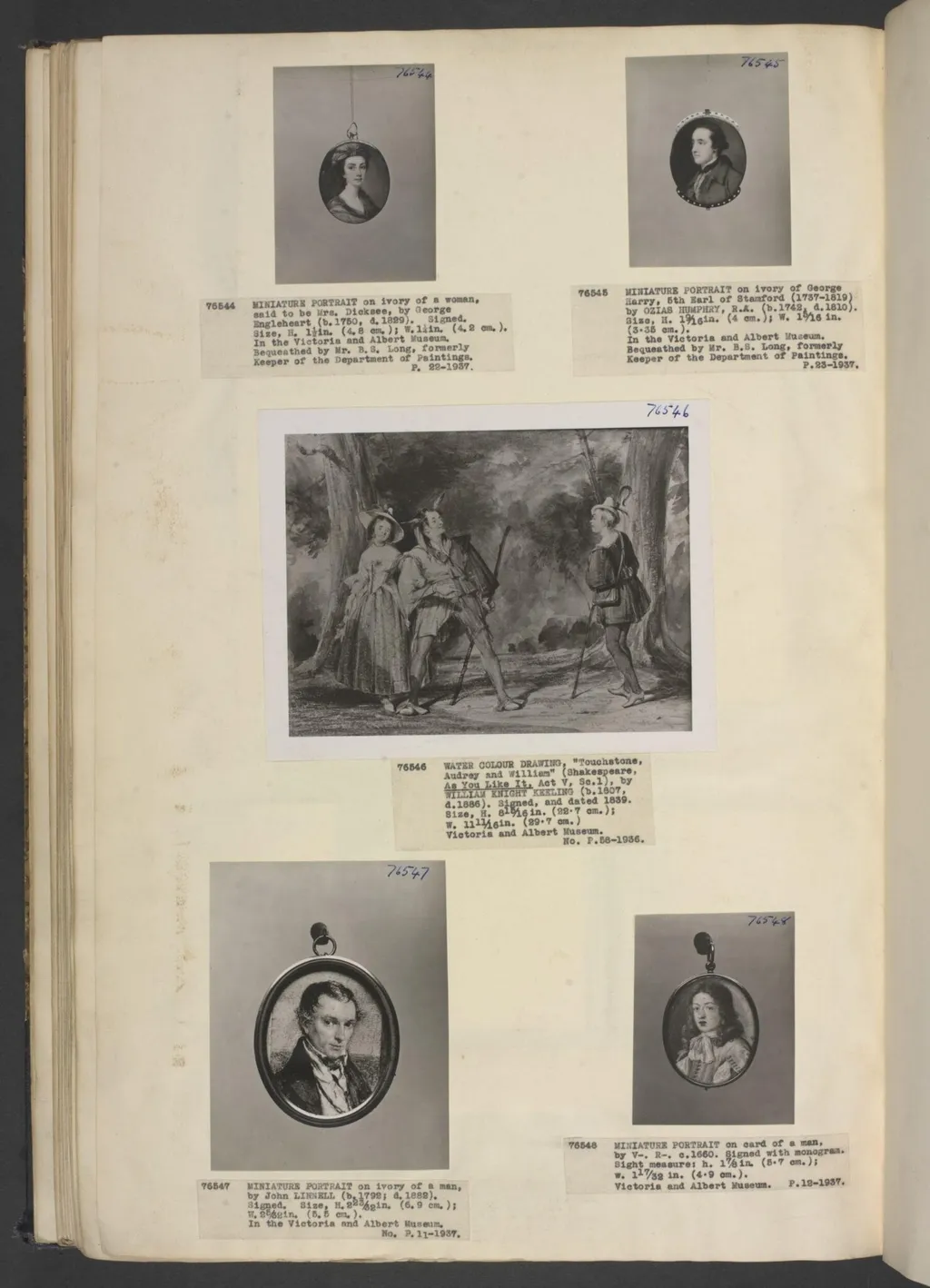
Touchstone, Audrey and William is a watercolor work on paper by the British Romanticist artist William Knight Keeling. It dates from 1839 and is held in the collection of the Victoria and Albert Museum.
About this work
The scene feels like a story from long ago, with dramatic lighting and careful details.
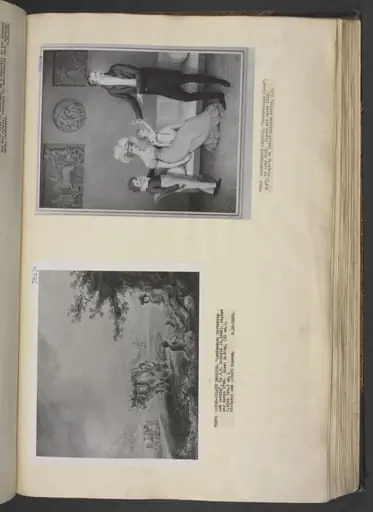
This drawing shows four people in old-fashioned clothes standing in a wooded area. One woman wears a long dress and holds a fan. Two men stand near her—one looks serious, the other leans on a walking stick. A third man in fancy armor holds a spear and stands apart. The background has dark trees and a faint path.
The artist signed and dated it 1839, which is unusual for this style. The scene feels like a story from long ago, with dramatic lighting and careful details.
Look up Romanticism next to see how this fits into that art movement.
Overview
William Knight Keeling’s 1839 watercolour presents a scene from Shakespeare’s *As You Like It*, specifically Act 5, Scene 1. Executed in a single sheet, the work captures four figures in historic dress within a dimly lit forest, their poses suggesting a moment of narrative tension. The artist’s signature and date appear on the lower margin, a relatively uncommon practice for illustrations of this type.
Subject & Meaning
The composition portrays a woman in a flowing gown, delicately holding a fan, accompanied by two gentlemen—one solemn, the other resting on a walking stick—and a third figure clad in ornate armor, brandishing a spear and set slightly apart. The arrangement reflects the play’s pastoral setting and the characters’ differing statuses, hinting at themes of love, rivalry, and resolution that conclude the drama.
Technique & Style
Keeling employs transparent washes characteristic of watercolour, layering subtle tones to render the dense foliage and the interplay of light and shadow. Fine line work defines the costumes and facial expressions, while broader washes suggest the depth of the forest. The delicate handling of colour and the precise draftsmanship align the piece with early‑Romantic illustration, emphasizing atmosphere over strict realism.
History & Provenance
Signed and dated by Keeling in 1839, the illustration stands out as a documented example of the artist’s engagement with literary subjects. Its provenance traces back to private collections of Shakespeare enthusiasts before entering the museum’s holdings, where it has been catalogued as part of a broader assemblage of 19th‑century theatrical imagery.
Context
Created during the height of Romanticism, the work reflects the era’s fascination with nature, emotion, and historicized costume. Keeling’s choice to depict a Shakespearean scene aligns with contemporary trends that sought to revive literary classics through visual art, merging theatrical drama with the period’s aesthetic emphasis on the sublime and the picturesque.
Artist & collection
Artist
This British watercolorist spent the 1830s sketching actors off-stage at London’s Drury Lane, then packed a single valise and kept drawing until his boots wore out in Seville.

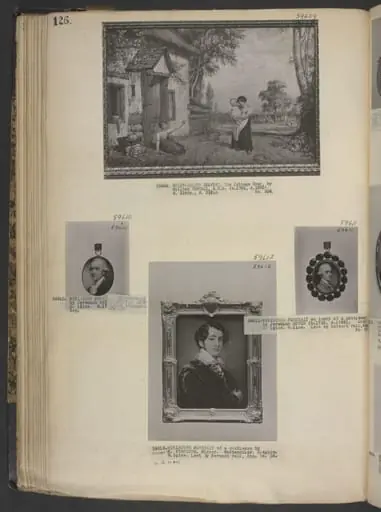 The Cottage Door
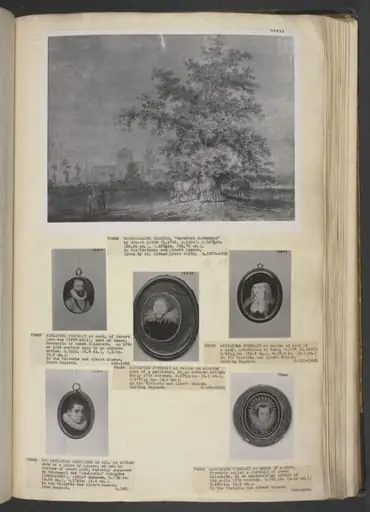 Hereford Cathedral, seen from the meadows
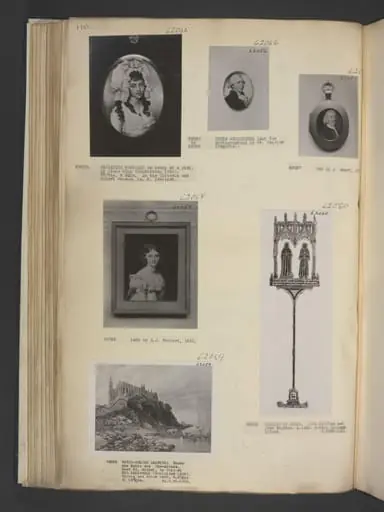 Under the Salle de Chevaliers, Mont St. Michel, Normand
 Sowing and Harrowing
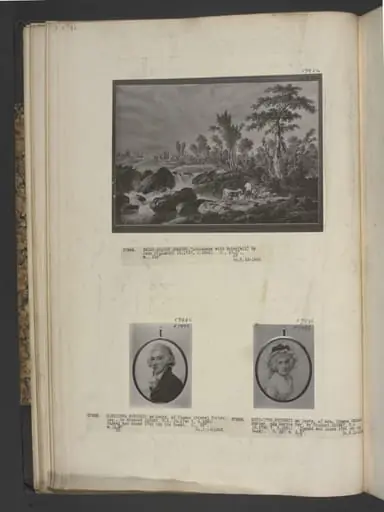 Landscape with waterfall
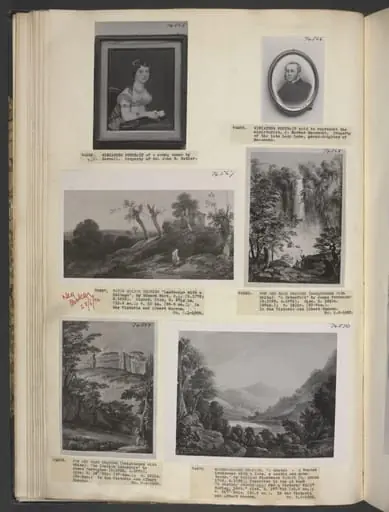 A Welsh Landscape
 Cottages in a Valley
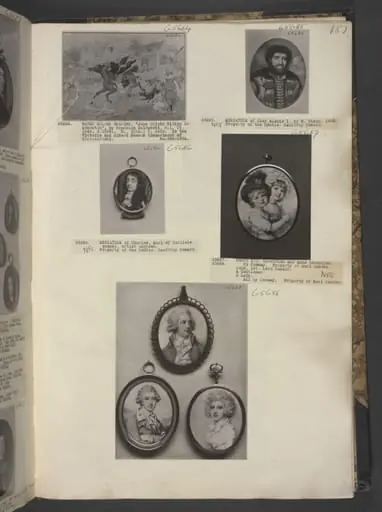 John Gilpin riding to Edmonton
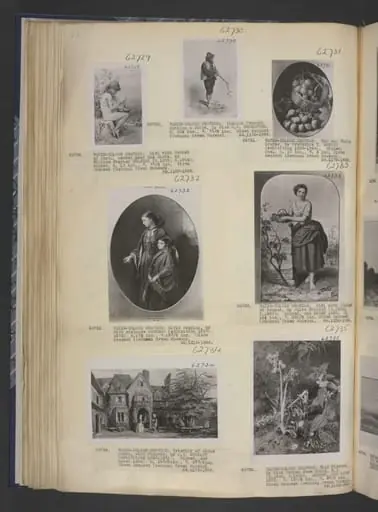 Wild flowers
 An Italian peasant cutting a stick
 Girl with basket of grapes
 Exterior of Stoke House