Artwork
Spanish Muleteer
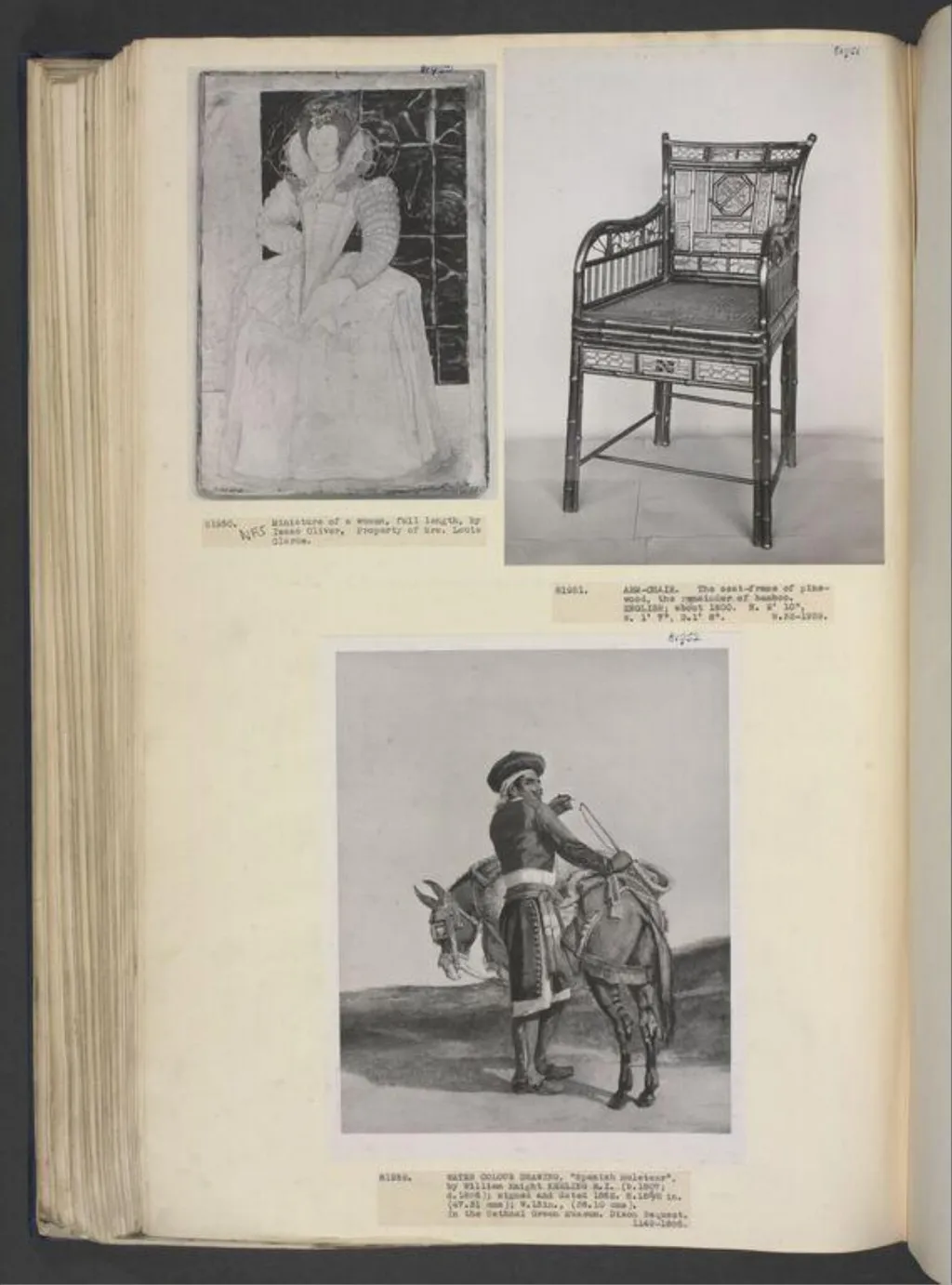
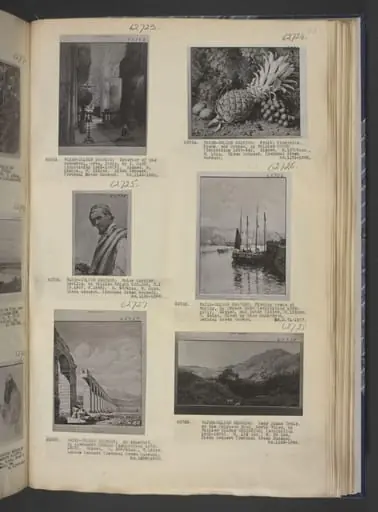
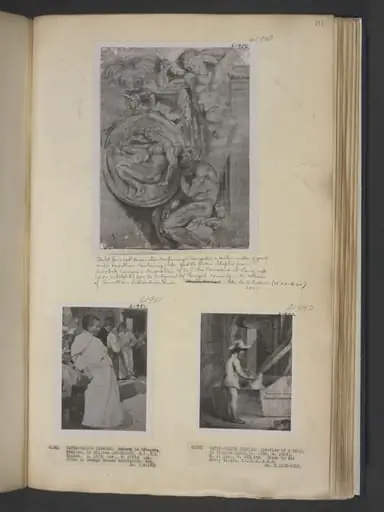
Spanish Muleteer is a watercolor work on paper by the Impressionist artist William Knight Keeling. It dates from 1862 and is held in the collection of the Victoria and Albert Museum.
About this work
Overview
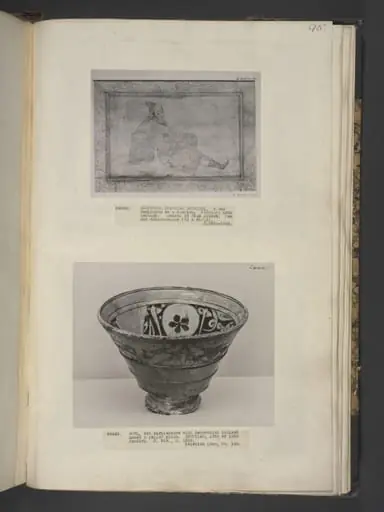
Spanish Muleteer is a watercolour painting created by William Knight Keeling in 1862, featuring a solitary figure of a muleteer alongside his animal in a subdued setting.
Subject & Meaning
The painting portrays a man, identifiable as a Spanish muleteer by his attire—a wide-brimmed hat and long coat with a white belt—and his interaction with a mule, evoking a rustic or rural livelihood.
Technique & Style
Executed in watercolour, the work emphasizes everyday life, aligning with tendencies of Realism and prefiguring Impressionist interests in mundane subjects, set against a plain, light-colored background.
History & Provenance
Signed and dated 1862 by the artist, William Knight Keeling, the painting's provenance and exhibition history are not detailed in available information.
Context
While the artist's broader body of work is not highlighted here, the piece reflects 19th-century European artistic inclinations towards capturing ordinary life and professions.
Legacy
The painting's impact or influence on subsequent art movements or artists is not specified in the provided context, focusing instead on its descriptive and stylistic attributes.
Artist & collection
Artist
This British watercolorist spent the 1830s sketching actors off-stage at London’s Drury Lane, then packed a single valise and kept drawing until his boots wore out in Seville.