Artwork
H Beard Print Collection
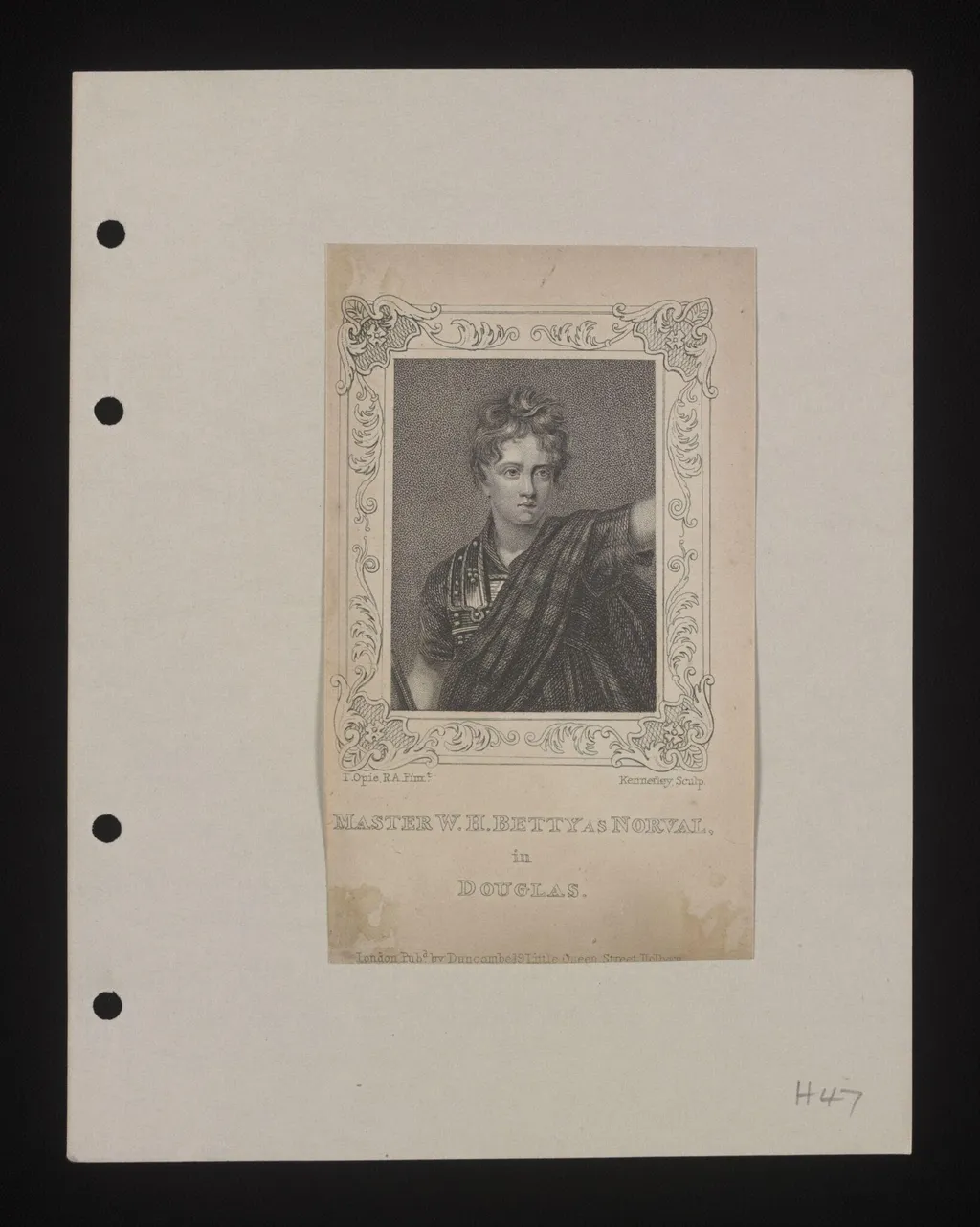
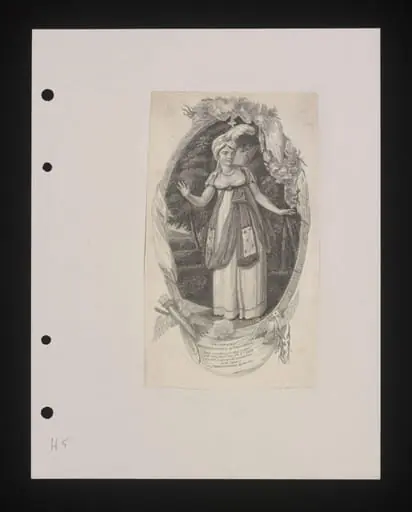
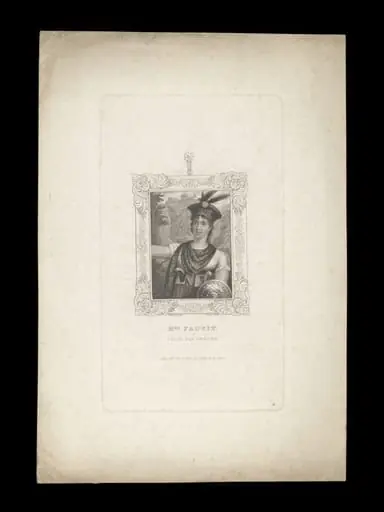
H Beard Print Collection is a print by the Romanticist artist Kennerley. It dates from 1805 and is held in the collection of the Victoria and Albert Museum.
About this work
Overview
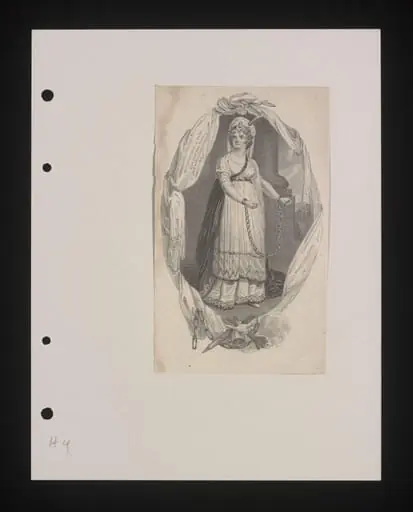
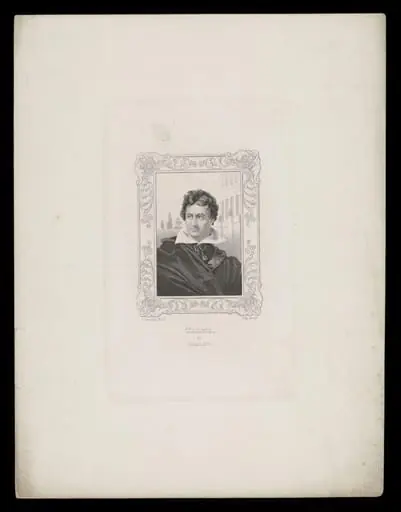
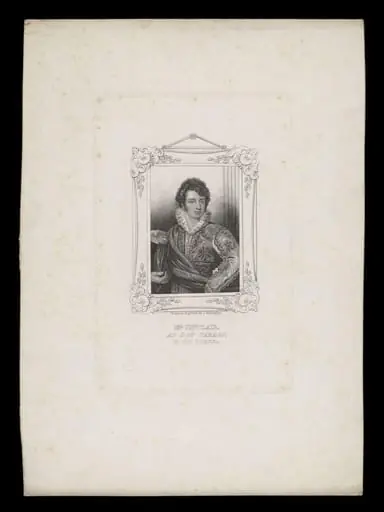
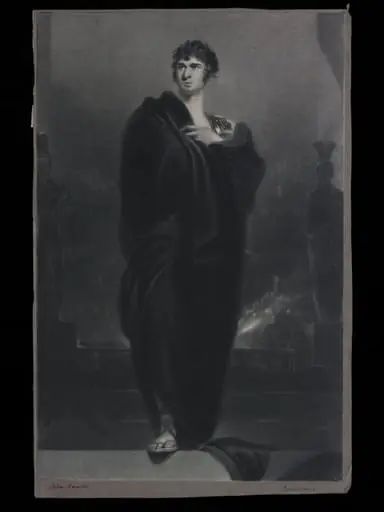
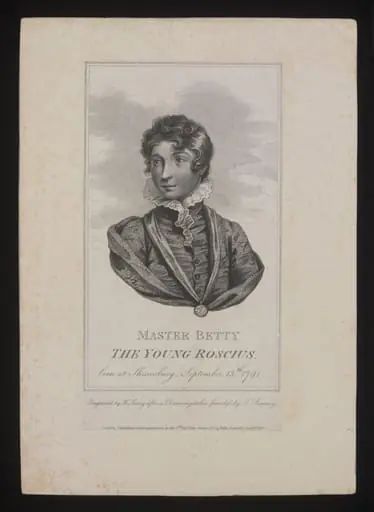
An engraved portrait from around 1805 depicts the young actor William Henry West Betty, known as Master Betty, in the role of Norval from John Home’s tragedy Douglas. The print belongs to the Harry Beard Collection, a curated assembly of theatrical imagery from the late 18th and early 19th centuries, reflecting the era’s fascination with stage personalities.
Subject & Meaning
Master Betty, a child actor celebrated for his emotional intensity, portrayed Norval, a Highland hero whose moral struggle and tragic fate resonated with audiences. The print captures him in a moment of dramatic stillness, emphasizing his reputation for conveying deep feeling. His portrayal made him a cultural phenomenon, blurring the line between child performer and adult tragic figure.
Technique & Style
The image is rendered in fine-line engraving, a precise method common in theatrical portraiture of the period. Delicate shading and controlled linework define the actor’s facial expression and costume, conveying dignity and pathos. The composition is formal, with minimal background, directing focus entirely to the figure and his theatrical persona.
History & Provenance
Created shortly after Betty’s peak fame, the print was likely produced to meet public demand for his image. It entered the Harry Beard Collection, assembled by a 19th-century theater enthusiast, and now resides in a major archive dedicated to British theatrical history, preserving its connection to early Romantic-era performance culture.
Context
During the early 1800s, child actors like Master Betty were rare sensations, drawing crowds and critical attention. Douglas, though written decades earlier, gained renewed popularity through his performance. Prints such as this served as both memorabilia and cultural artifacts, documenting how theater shaped public identity beyond the stage.
Legacy
The portrait endures as a record of a unique moment in British theater history, when a child’s performance transcended novelty to be regarded as serious art. It reflects broader societal interests in emotion, authenticity, and the public life of performers — themes that would influence later Romantic aesthetics and the evolving status of the actor.
Artist & collection
Artist
This artist made prints around 1805, working in the same period as the Beard Collection.