Artwork
Guy Little Theatrical Photograph
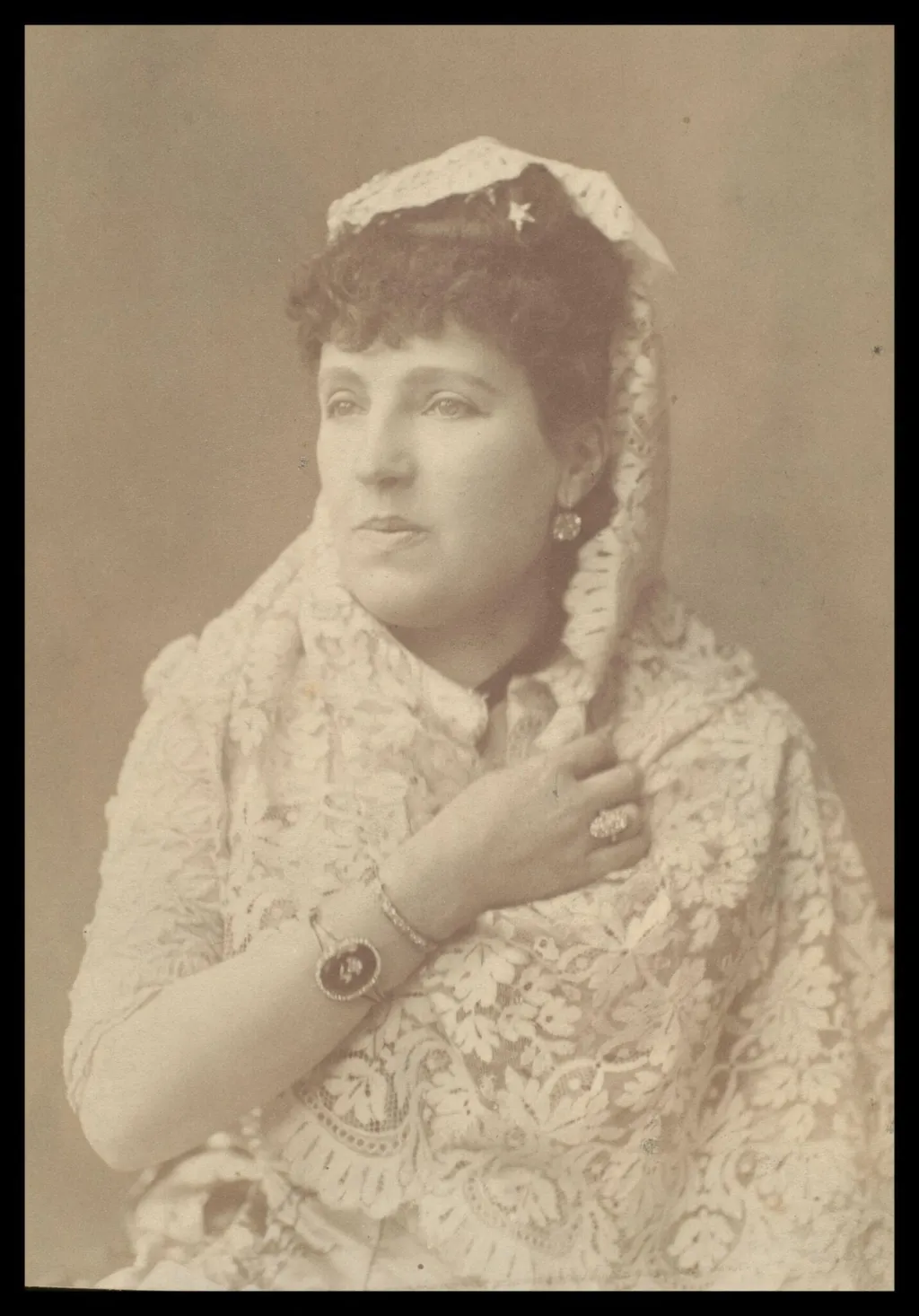
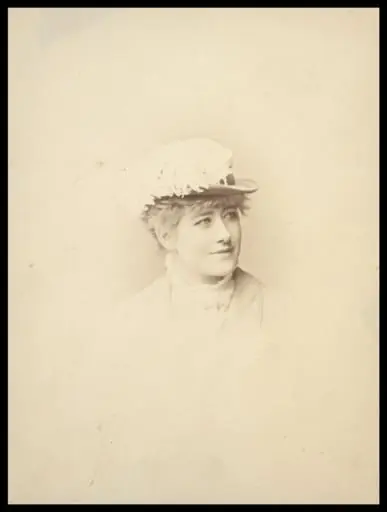
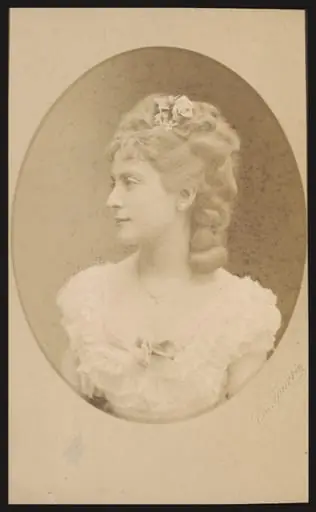
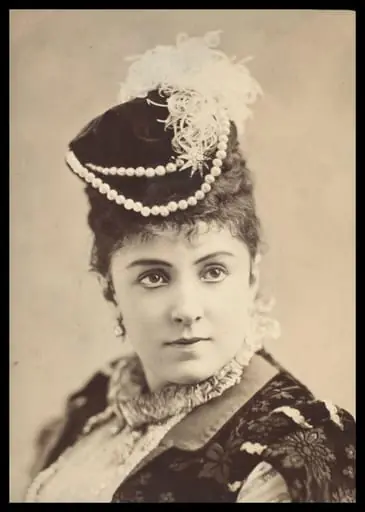
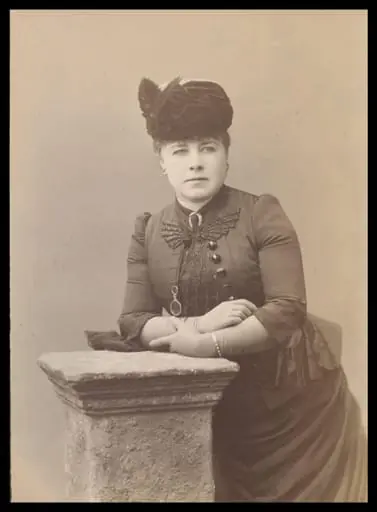
Guy Little Theatrical Photograph is a photographic photography by the Impressionist artist Kingsbury & Notcutt. It dates from 1878 and is held in the collection of the Victoria and Albert Museum.
About this work
Kingsbury & Notcutt made it in London, part of a trend where actors posed for small portrait cards.
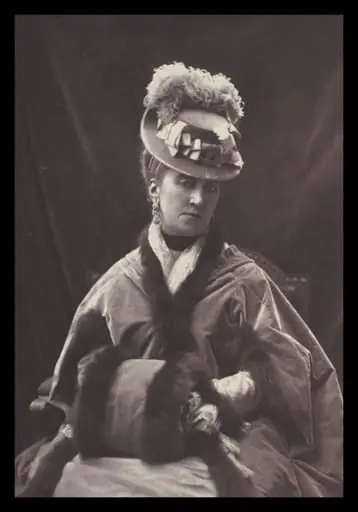
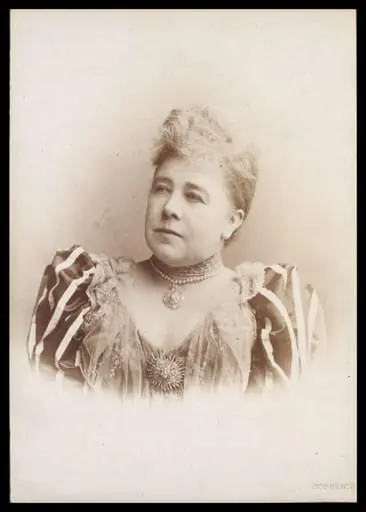
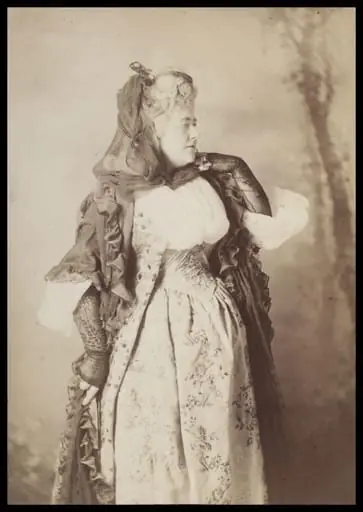
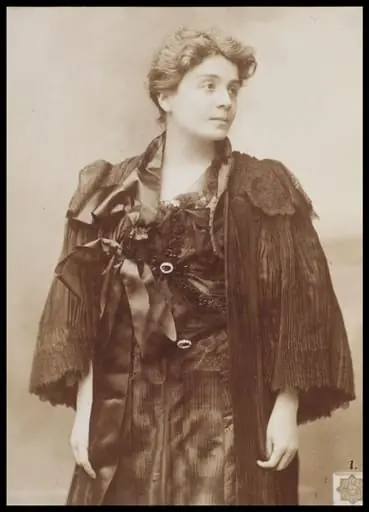
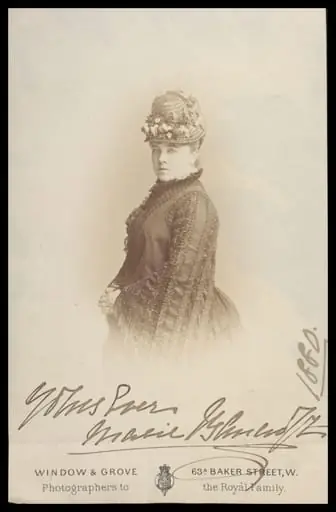
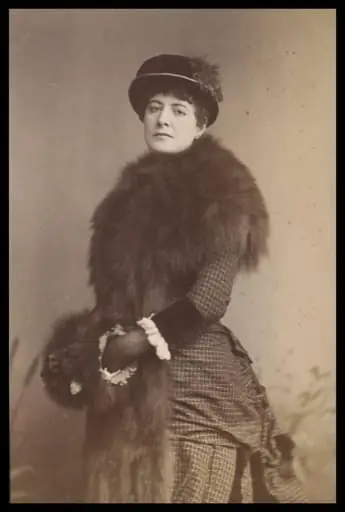
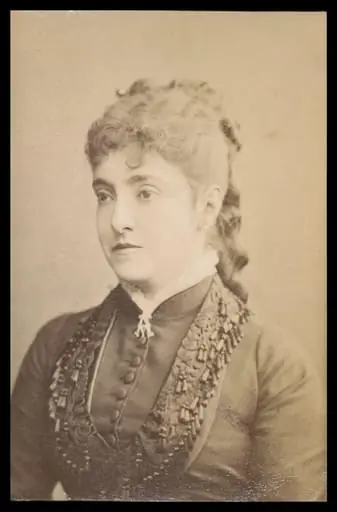
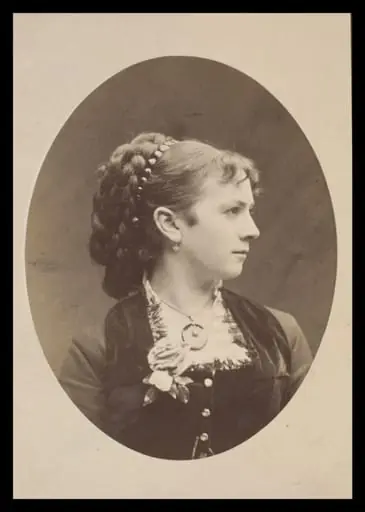
This photo shows actress Zélia Trebelli from around 1878–79. Kingsbury & Notcutt made it in London, part of a trend where actors posed for small portrait cards. These cards were called cartes de visite and were everywhere in the 1860s.
Photography was new then, so sitting for a picture felt special. Studios used glass negatives to print on thin paper glued to stiff card. Over time people collected stacks of these cards like mini trading cards.
Check out the Victoria and Albert Museum.
Overview
This photograph of actress Zélia Trebelli, taken around 1878–79 by Kingsbury & Notcutt in London, is an albumen print mounted on card, typical of the cabinet card format. It originates from a personal collection assembled by Guy Tristram Little, a solicitor and avid collector of ephemera, who bequeathed his holdings to the Victoria and Albert Museum. The image reflects the widespread practice of theatrical portraiture in late Victorian Britain, where actors were documented for public consumption through mass-produced photographic cards.
Subject & Meaning
Zélia Trebelli, a prominent stage performer of the era, is depicted in theatrical costume, aligning with the convention of portraying actors in character rather than civilian dress. These portraits served both as promotional tools and personal mementos, allowing audiences to maintain a tangible connection with performers they admired. The image captures a moment of staged identity, blurring the line between public persona and private individual in an age when celebrity culture was emerging through visual media.
Technique & Style
The photograph was produced using the albumen printing process on paper derived from glass negatives, a standard method before the rise of gelatin silver prints. Mounted on a sturdy card backing bearing the studio’s imprint, it conforms to the cabinet card format, which succeeded the smaller carte de visite in the late 1870s. The composition is formal, with careful lighting and a plain backdrop, emphasizing the sitter’s presence without distraction — a hallmark of commercial studio portraiture of the period.
History & Provenance
The photograph was part of a larger assemblage of theatrical photographs collected by Guy Tristram Little, who meticulously mounted and preserved hundreds of cartes de visite and cabinet cards in albums. After his death in 1953, the collection was donated to the V&A. Little was also the executor of Gabrielle Enthoven’s estate, whose theatrical memorabilia formed the foundation of the museum’s Theatre Collections, ensuring the preservation of this visual record of 19th-century performance culture.
Context
During the 1860s and 1870s, cartes de visite and cabinet cards became ubiquitous in middle-class households, functioning as both souvenirs and social objects. Theatrical portraits were among the most popular subjects, reflecting the era’s fascination with stage stars. As photography became more accessible, these cards democratized access to celebrity imagery, transforming actors into household names through repeated reproduction and exchange, much like modern media icons.
Legacy
Little’s collection, now held by the V&A, preserves a rare and systematic archive of Victorian theatrical portraiture. These photographs offer insight into how performance was commodified and consumed, documenting costume, pose, and studio practices of the time. The survival of such materials provides scholars with primary evidence of how identity, fame, and technology intersected in the late 19th century, long before the advent of film or mass broadcasting.
Artist & collection
Artist