Artwork
Guy Little Theatrical Photograph
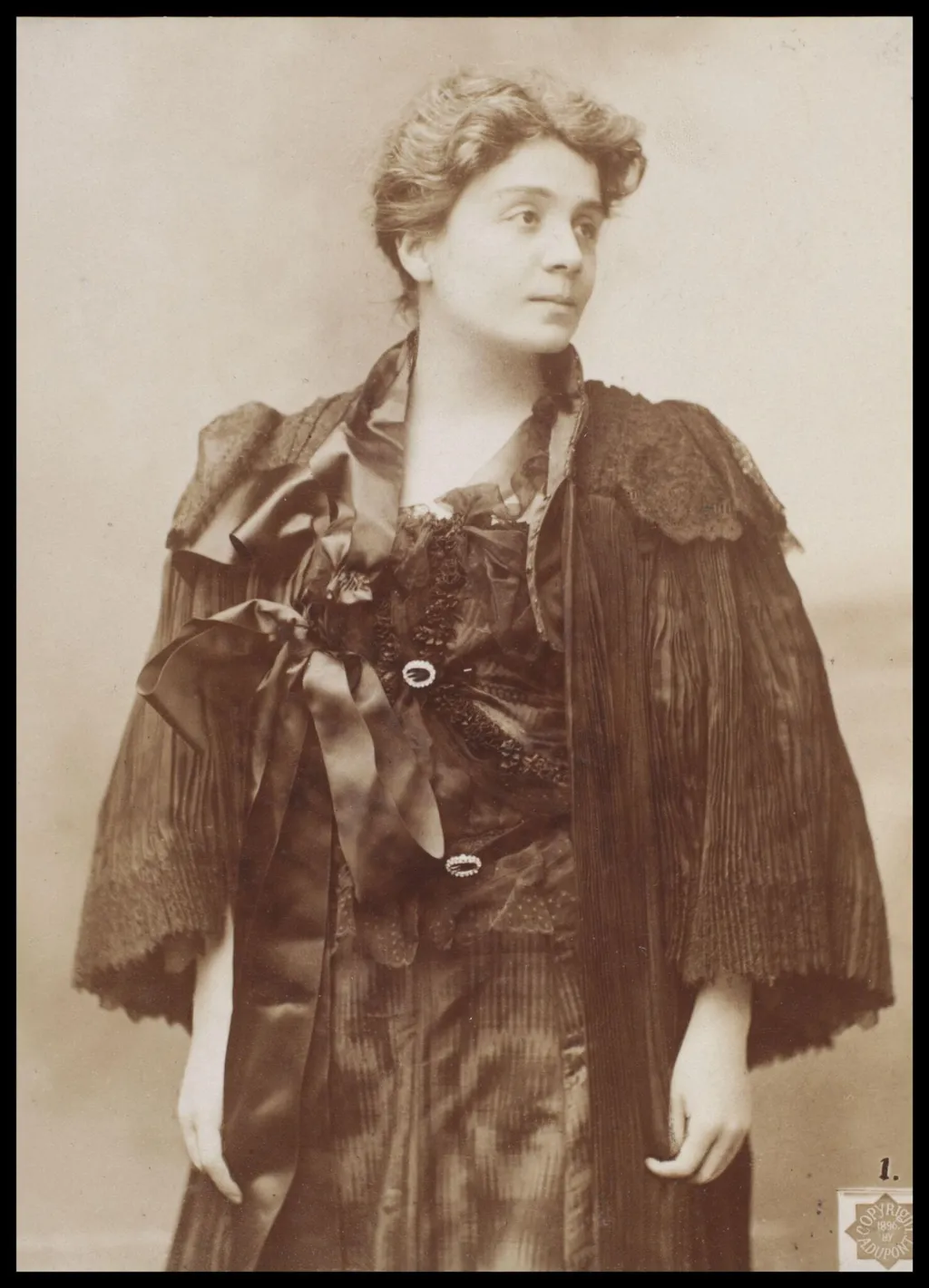
Guy Little Theatrical Photograph is a photographic photography by Aimeé Dupont. It dates from 1850 and is held in the collection of the Victoria and Albert Museum.
About this work
Overview
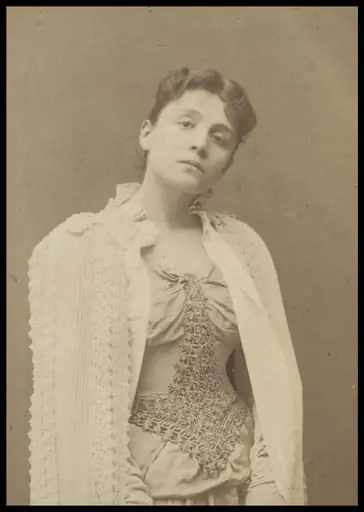
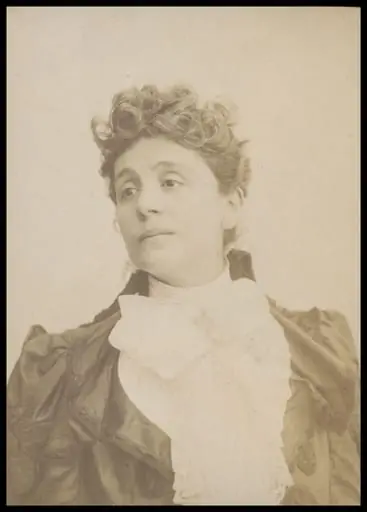
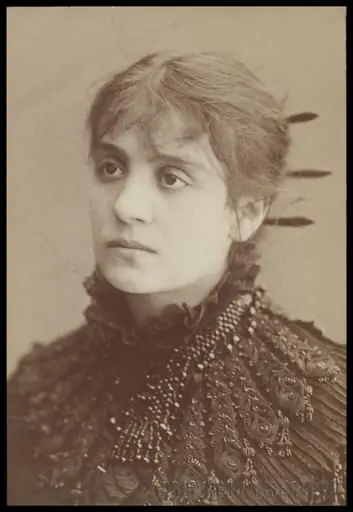
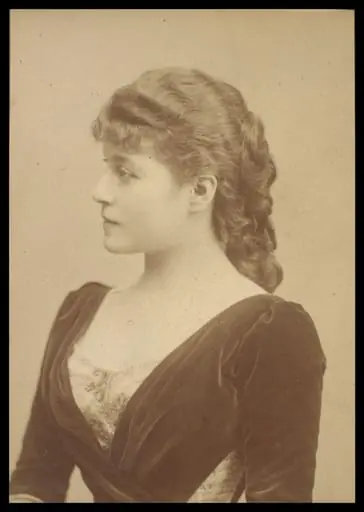
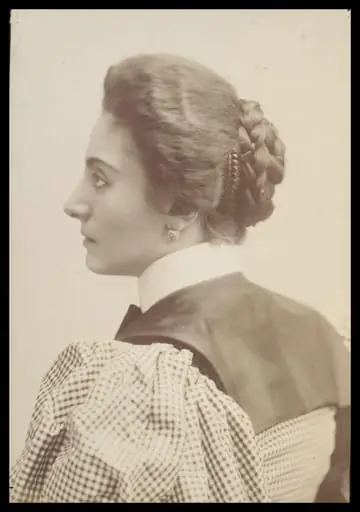
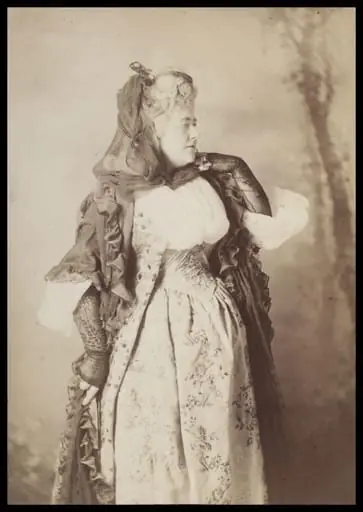
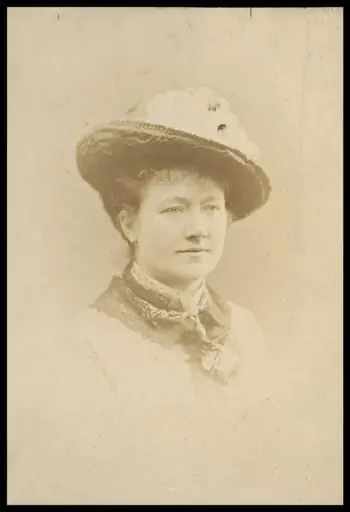
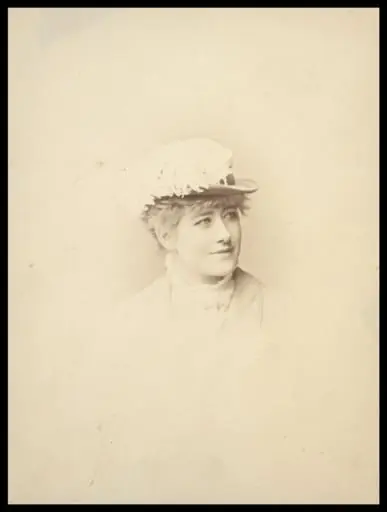
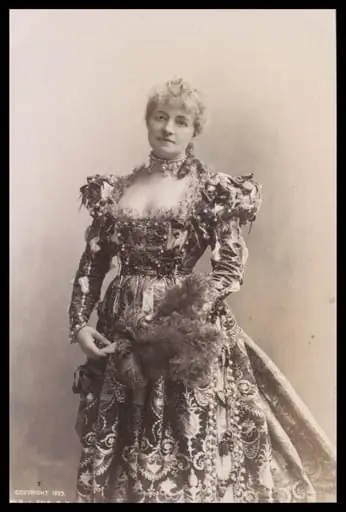
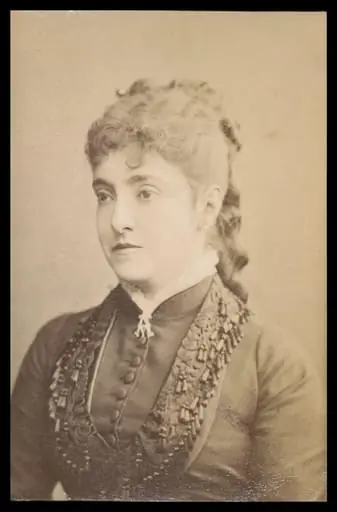
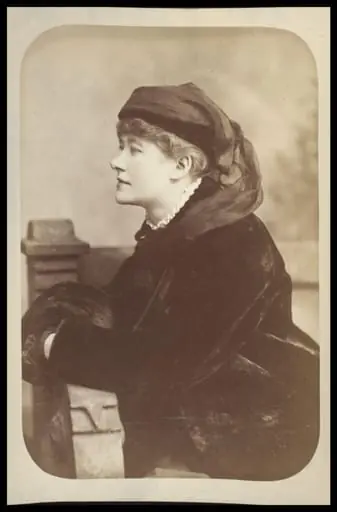
This photograph of Eleanora Duse is part of a personal collection assembled by Guy Tristram Little, a solicitor and avid archivist of visual ephemera.
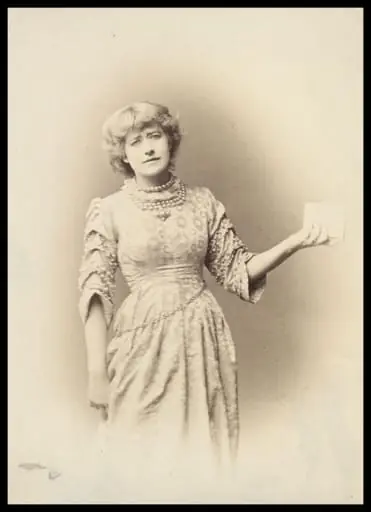
This photograph of Eleanora Duse is part of a personal collection assembled by Guy Tristram Little, a solicitor and avid archivist of visual ephemera. It was originally produced as a carte de visite or cabinet card—common formats in the late 19th century for distributing portrait photographs. These were albumen prints on card stock, often bearing the photographer’s imprint. Little removed such images from their original mounts and reorganized them into bound albums, preserving them as cultural artifacts rather than commercial souvenirs.
Subject & Meaning
Eleanora Duse, one of the most revered stage actresses of her time, is depicted here not in full costume but likely in a pose that evokes her dramatic presence. The image served to disseminate her public persona beyond the theater, allowing admirers to own a tangible connection to her artistry. Such photographs reinforced the growing cult of celebrity around performers, transforming them into figures of domestic fascination in Victorian households.
Technique & Style
The photograph was made using the albumen printing process, which involved coating paper with egg white and salt, then sensitizing it with silver nitrate. It was derived from a glass negative, ensuring fine detail and tonal range. The image was printed on thin card, typical of cartes de visite or cabinet cards, with the photographer’s name printed along the lower edge. The composition is formal, emphasizing the sitter’s poise and facial expression over theatrical embellishment.
History & Provenance
The photograph was collected by Guy Tristram Little, who systematically removed these images from their original mounts and integrated them into personal albums. Upon his death in 1953, his collection was bequeathed to the Victoria and Albert Museum. Little was also the executor of Gabrielle Enthoven’s estate, whose extensive theatrical holdings became the foundation of the V&A’s Theatre Collections, linking this image to a broader institutional legacy.
Context
During the mid-to-late 19th century, cartes de visite and cabinet cards were mass-produced and widely collected, functioning as both personal mementos and social currency. Actors and actresses were frequent subjects, alongside royalty and celebrities. The format’s popularity reflected a growing middle-class interest in visual culture and the democratization of portraiture, enabled by advances in photographic technology and printing.
Legacy
Little’s meticulous preservation of these photographs ensured their survival beyond their original commercial purpose. His collection, now housed at the V&A, offers insight into how theatrical fame was mediated through photography in the 19th century. These images are no longer mere souvenirs but primary sources for understanding the visual culture of performance and the early mechanisms of celebrity representation.
Artist & collection
Artist
Aimée Dupont carried a camera like a backstage pass, slipping into New York’s vaudeville halls at night to catch actors mid-laugh or mid-snarl—no posed smiles, just the raw edges of their trade.