Artwork
Flowers and Grasses
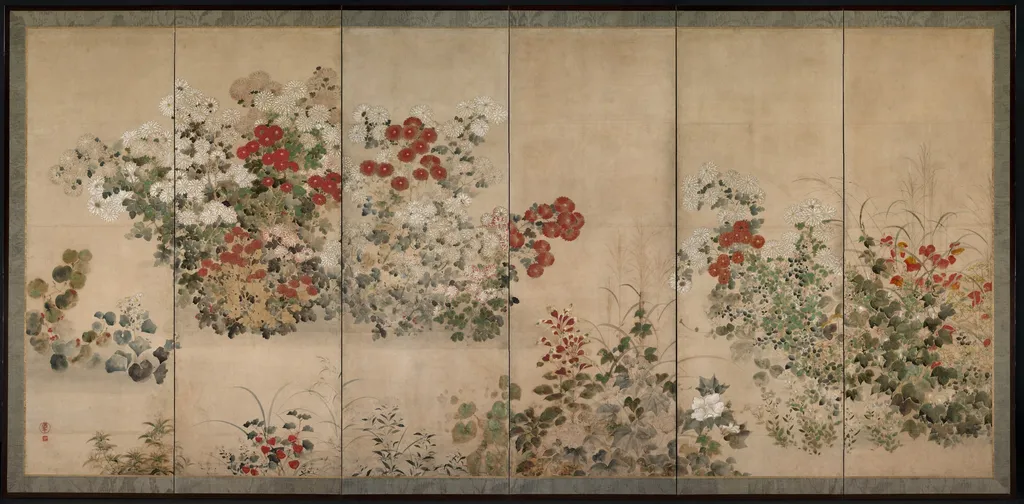
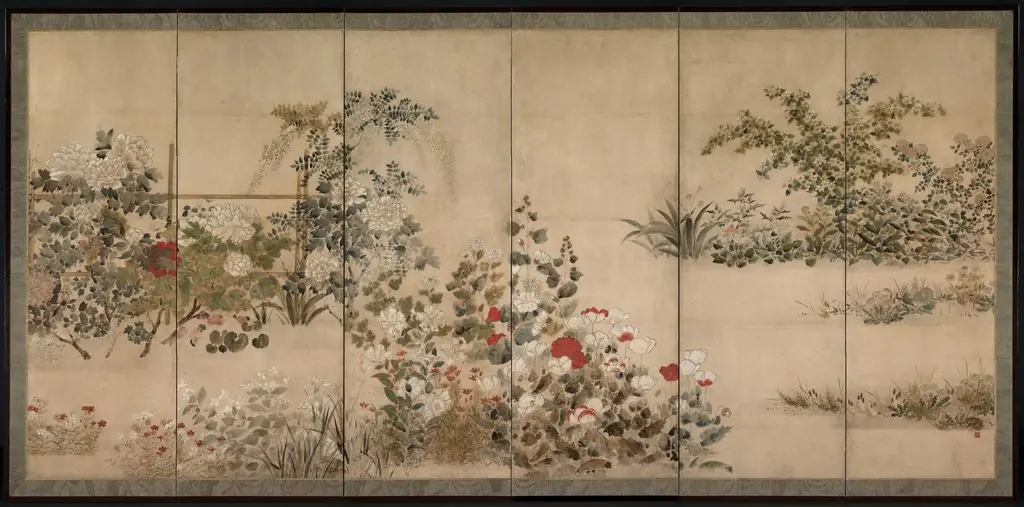
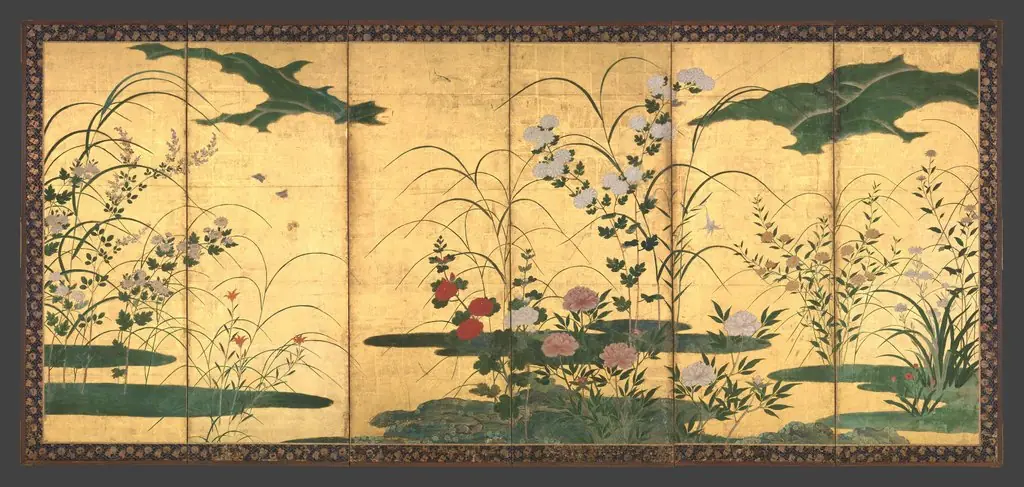
Flowers and Grasses is an unspecified painting by the Ukiyo-e artist Kitagawa Sōsetsu. It dates from 1650 and is held in the collection of the Cleveland Museum of Art.
About this work
Overview
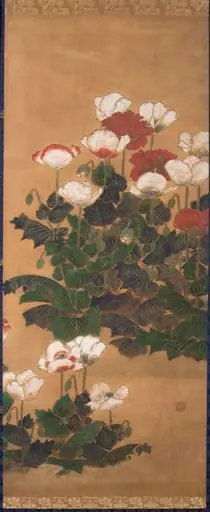
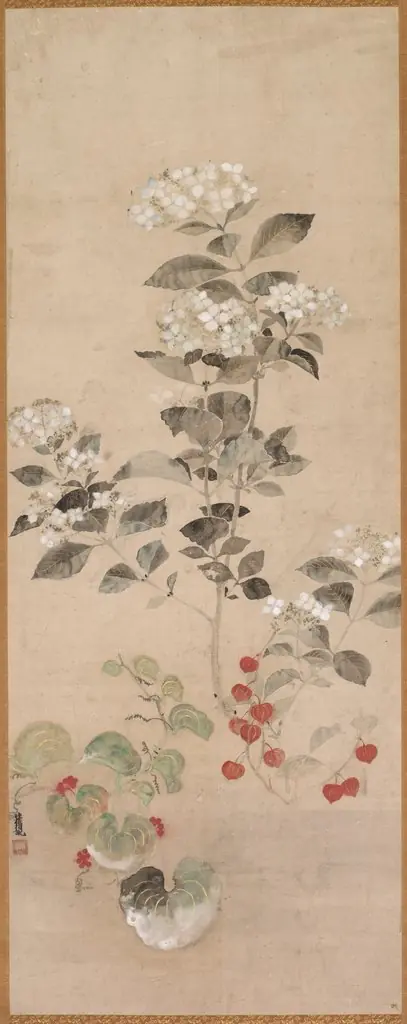
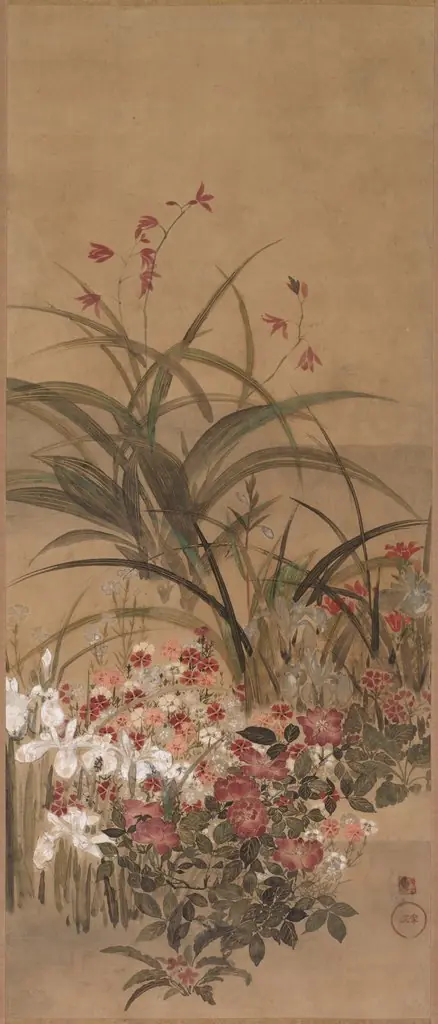
Created around 1650, Flowers and Grasses is a six‑panel painting by the Japanese artist Kitagawa Sōsetsu. The work is part of the collection of the Cleveland Museum of Art. It presents a continuous decorative band of vivid blossoms and foliage across the panels, set against a muted, sandy ground tone.
Subject & Meaning
The composition consists of clusters of red and white flowers interspersed with green grasses, arranged in a rhythmic, border‑like sequence. The repeated motifs suggest a celebration of seasonal abundance and the fleeting beauty of nature, themes frequently explored in Edo‑period visual culture.
Technique & Style
Sōsetsu employs swift, expressive brushwork that gives the plants a sense of movement and vitality. The pigments are applied in bold, saturated washes, while the background remains a light, almost washed‑out hue, creating contrast that emphasizes the floral forms. The overall aesthetic reflects the decorative, pattern‑focused style popular in mid‑17th‑century Japanese painting.
History & Provenance
The painting dates to the mid‑1600s, a period when Kitagawa Sōsetsu was active in Kyoto. It entered the Cleveland Museum of Art’s holdings through a 20th‑century acquisition, though the precise chain of ownership before its arrival in the United States is not fully documented.
Context
During the Edo era, multi‑panel works featuring floral and vegetal motifs were commonly used as screen decorations or interior adornments. Flowers and Grasses aligns with this tradition, offering a decorative element that could be displayed in a domestic or ceremonial setting, reflecting contemporary tastes for patterned, nature‑inspired art.
Artist & collection