Artwork
Park
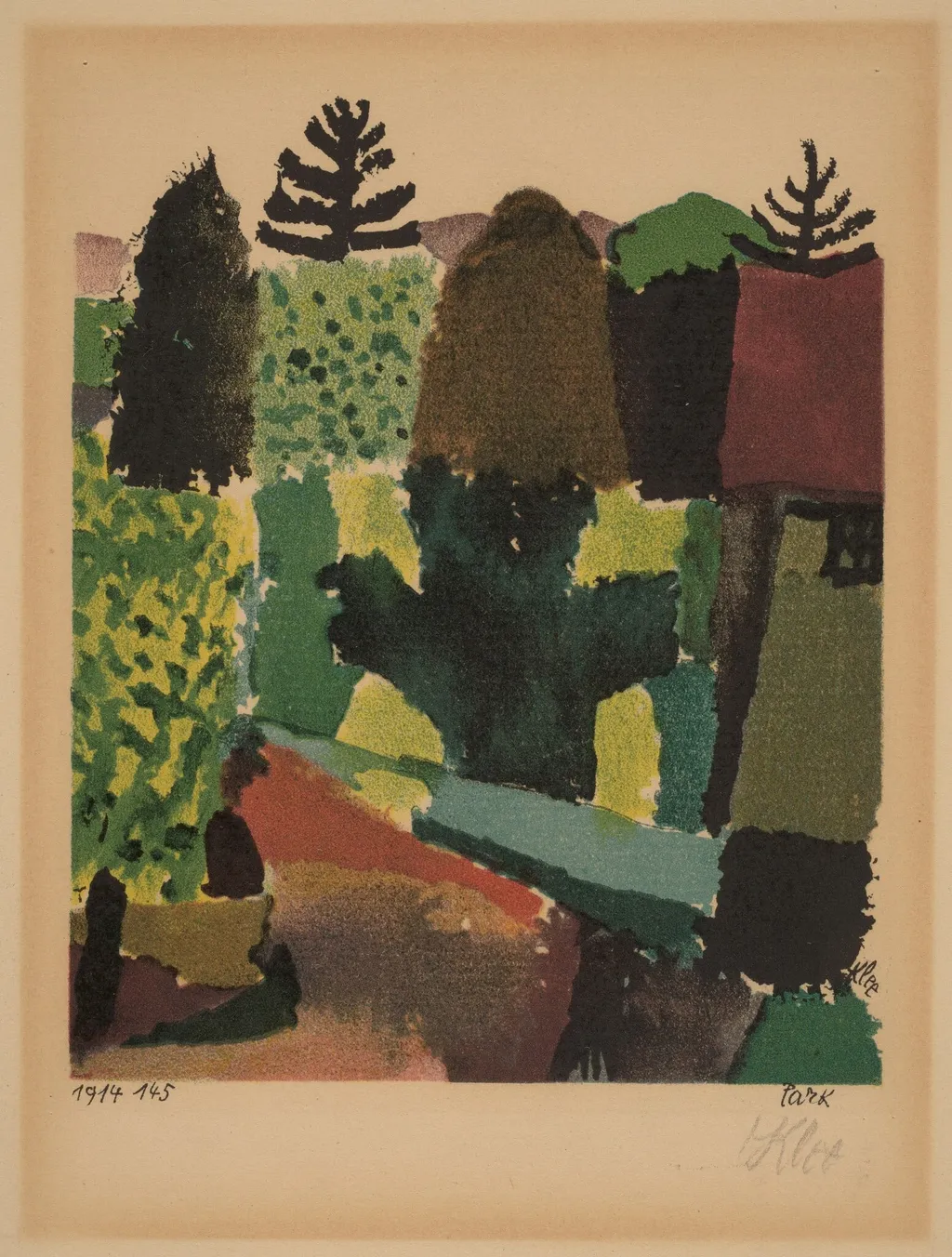
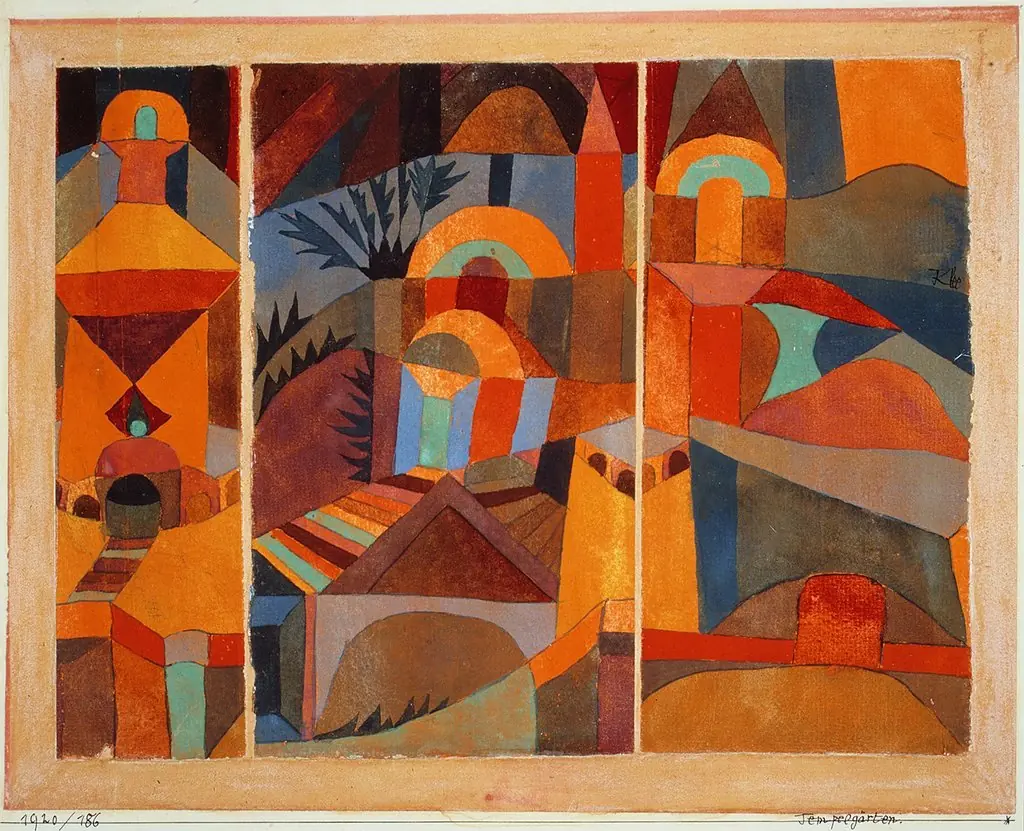
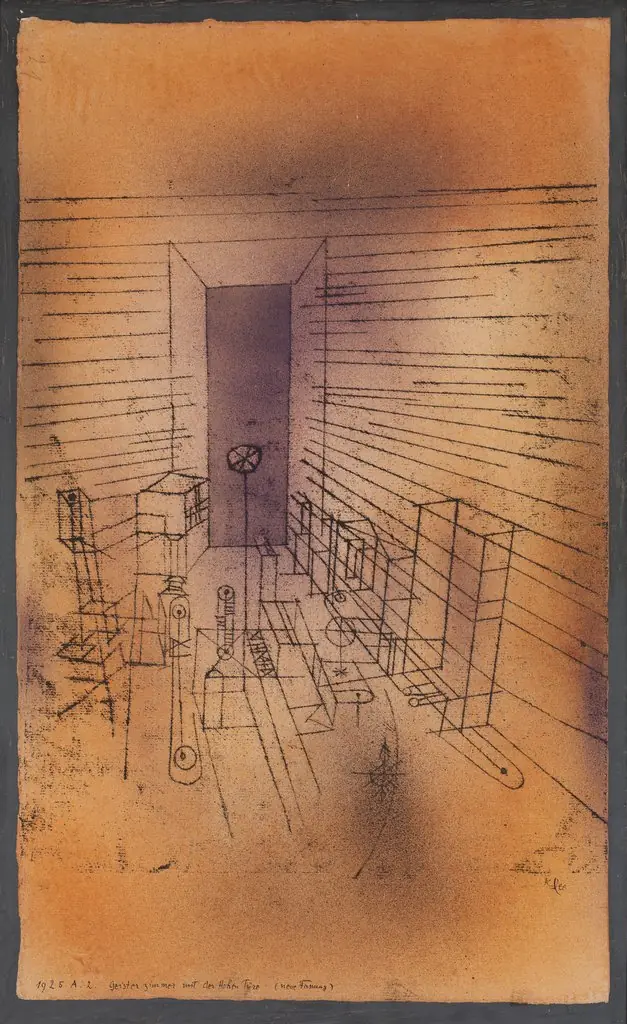
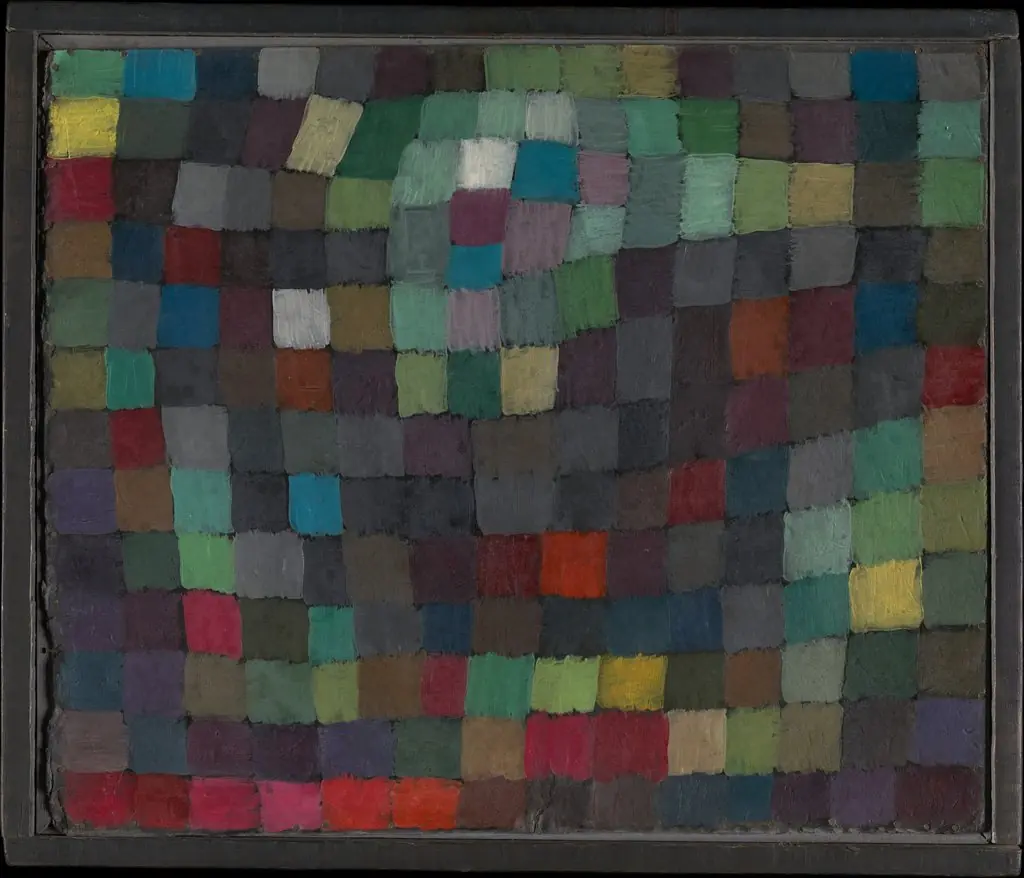
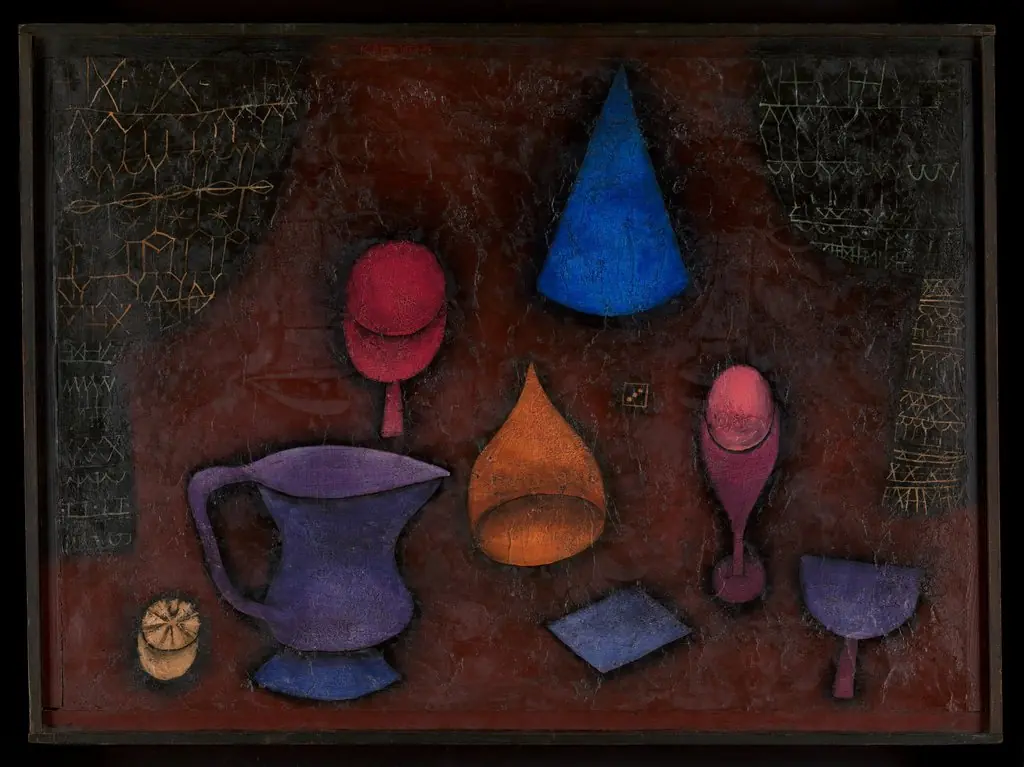
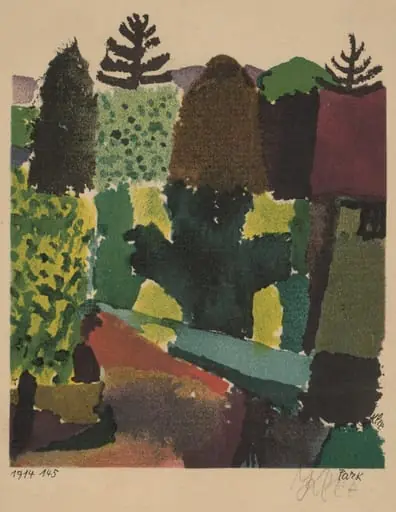
Park is an ink print by Paul Klee. It dates from 1920 and is held in the collection of the National Gallery of Art.
About this work
Overview
Paul Klee's *Park* (1920) is a color lithographic facsimile on laid paper, exemplifying the artist's unique synthesis of expressionist, cubist, and surrealist influences.
Subject & Meaning
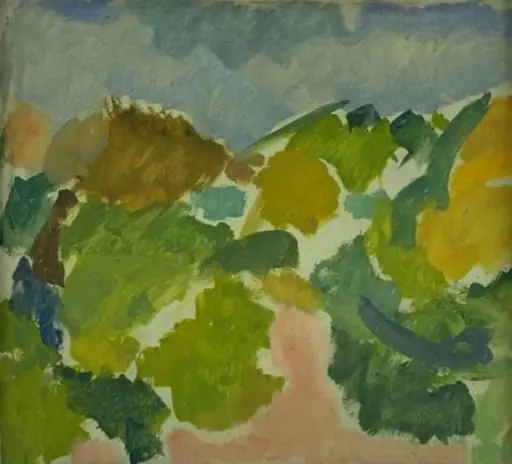
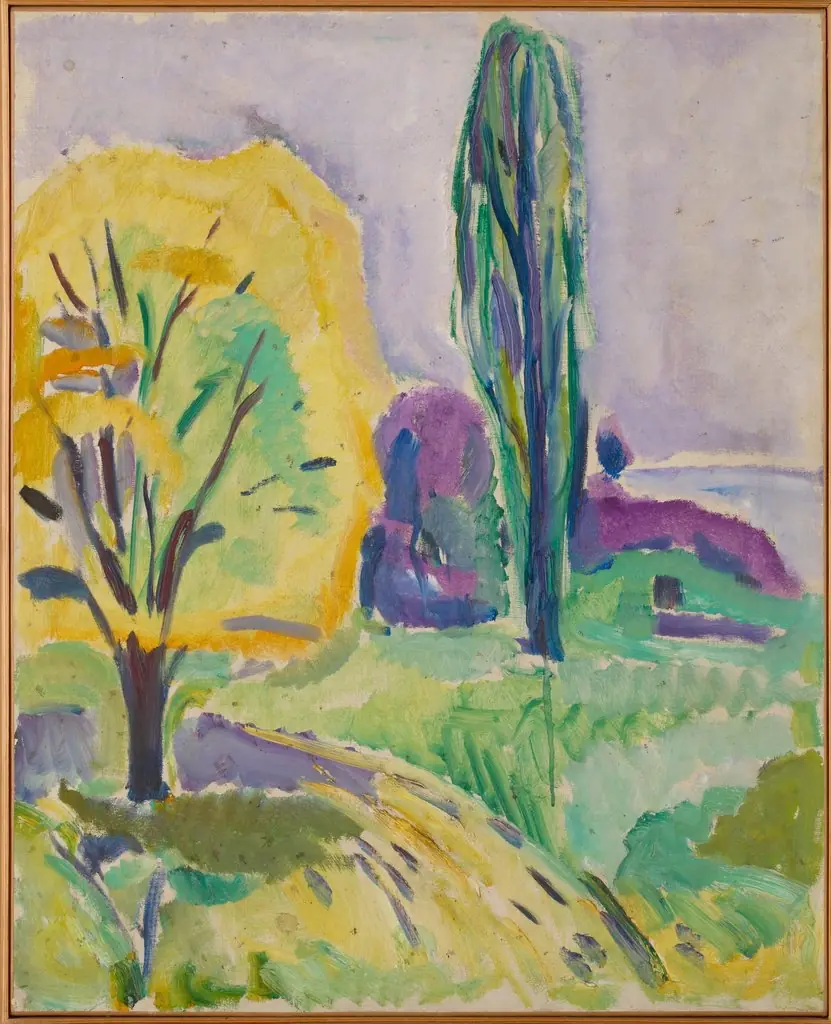
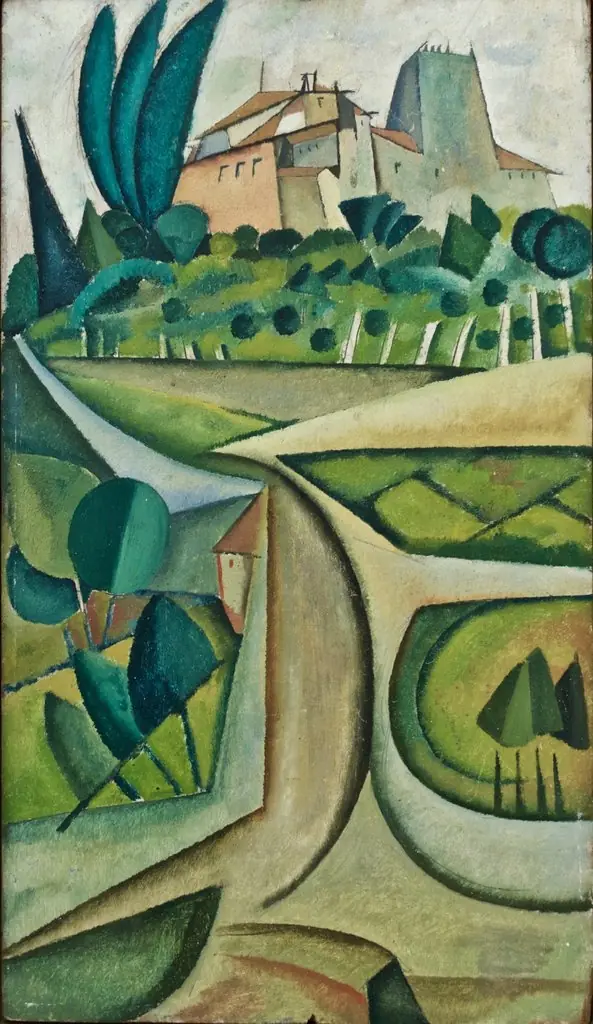
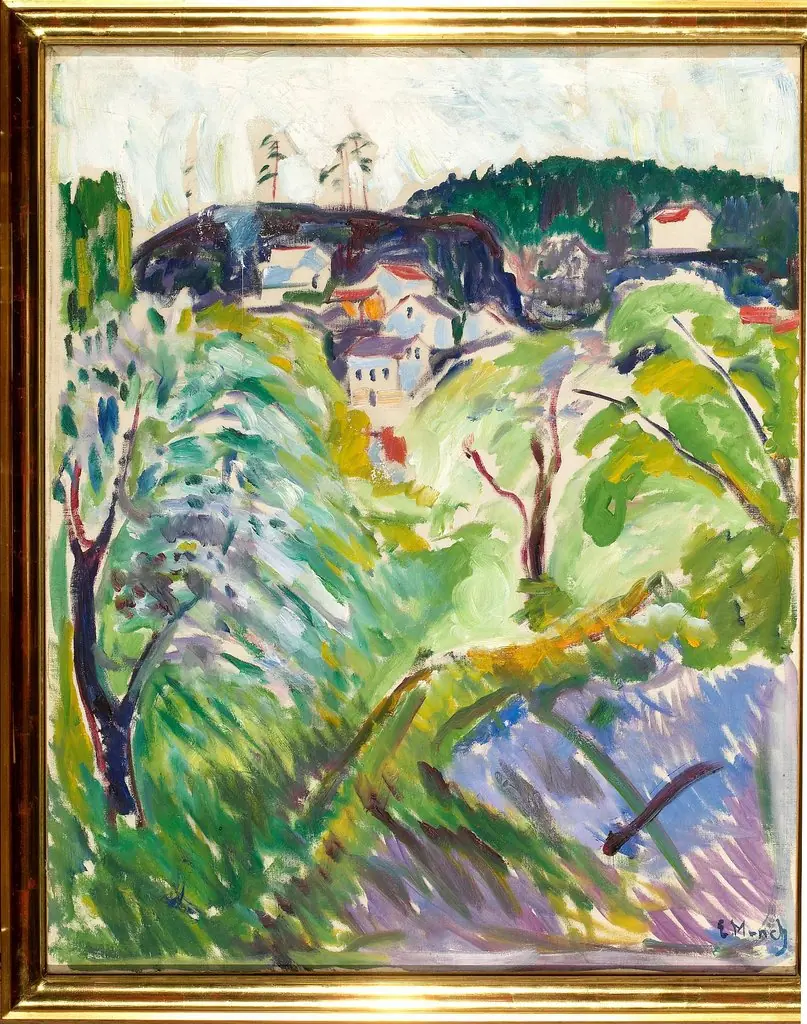
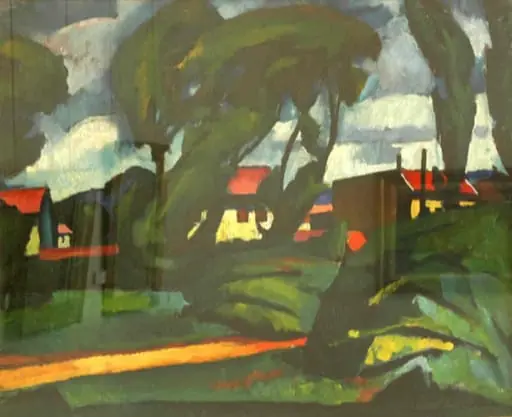
The print depicts a solitary figure seated on a bench, facing away from the viewer, beneath a row of tall trees and alongside a partially visible red building. The scene's simplicity and the figure's averted gaze may suggest themes of isolation or contemplation.
Technique & Style
Characterized by bold, flat color blocks and geometric forms, *Park* showcases Klee's penchant for experimentation and his departure from traditional shading techniques. The trees and bench appear as near-abstract, cut-out shapes, highlighting the artist's emphasis on formal composition.
History & Provenance
Created in 1920, *Park* reflects Klee's mature style, developed during a period of intense artistic and theoretical productivity. The work's provenance is not detailed here, but its creation coincides with Klee's significant contributions to modern art theory through his writings on color and form.
Context
As a lithographic facsimile, *Park* demonstrates Klee's engagement with printmaking, a medium allowing for wider dissemination of his work. The piece's stylistic eclecticism situates it within the broader avant-garde movements of the early 20th century.
Legacy
*Park* contributes to Klee's legacy as a pioneering figure in modern art, notable for his innovative approaches to color, form, and printmaking. The work's blend of styles and techniques continues to influence artists exploring the intersection of abstraction and representation.
Artist & collection
Artist
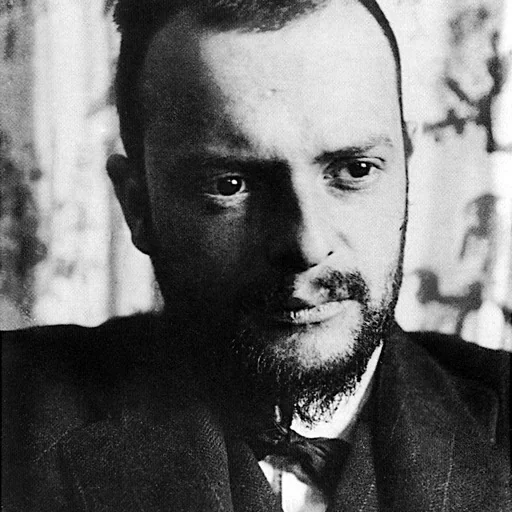
Paul Klee (German: ; 18 December 1879 – 29 June 1940) was a Swiss-born German artist.