Artwork
Untitled
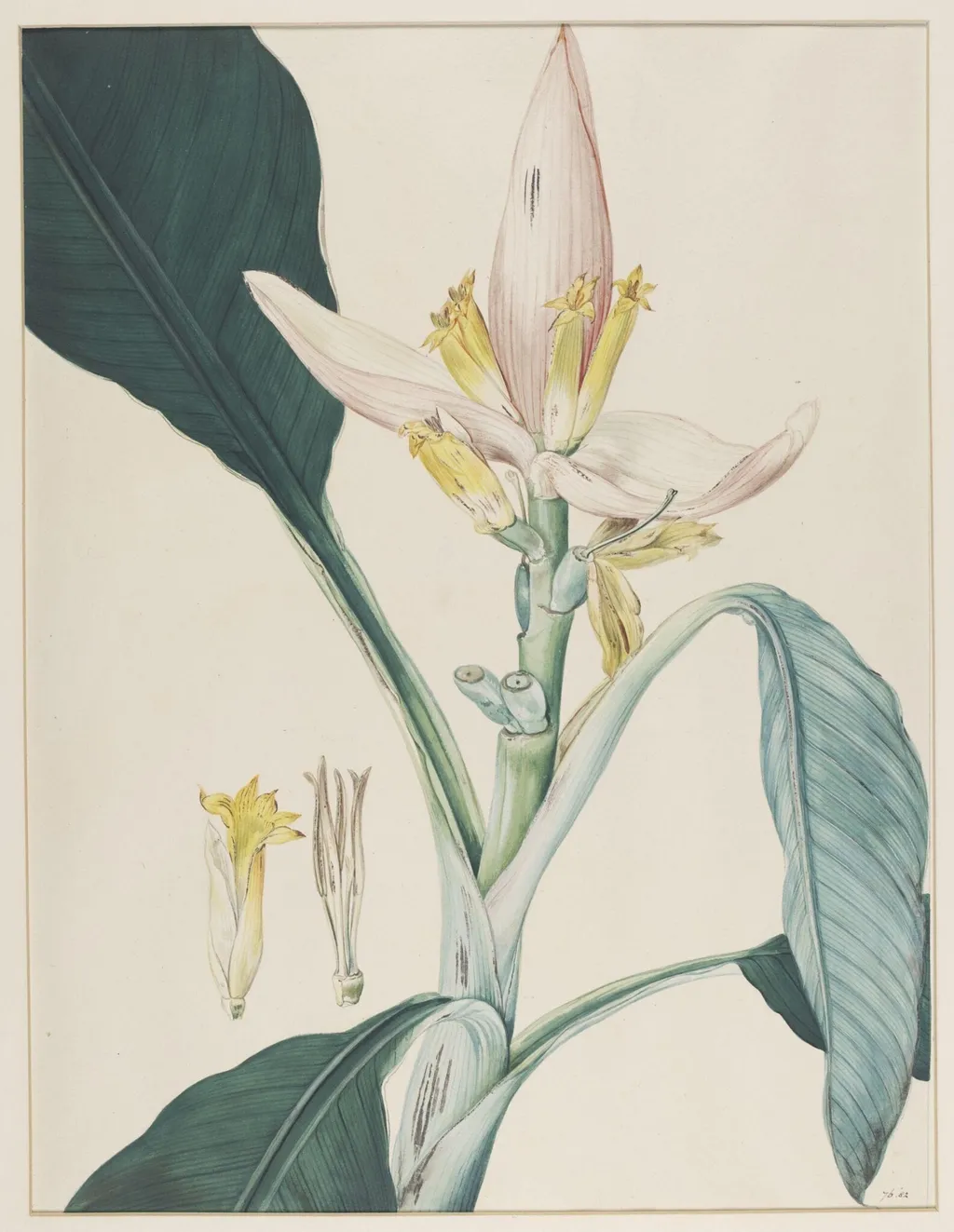
Untitled is a watercolor work on paper by Johann Knapp. It is held in the collection of the Victoria and Albert Museum.
About this work
Overview
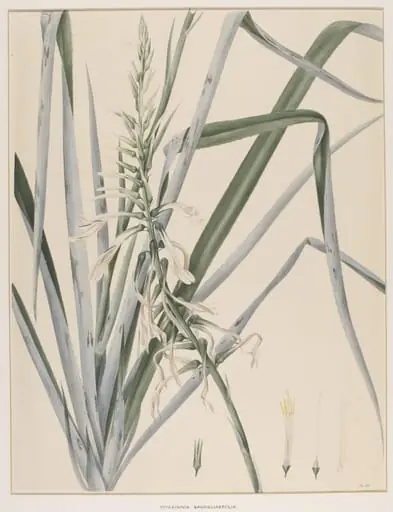
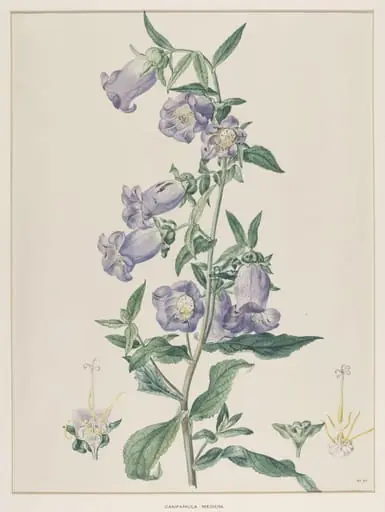
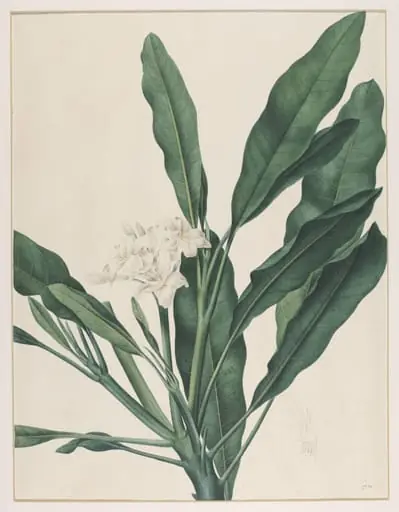
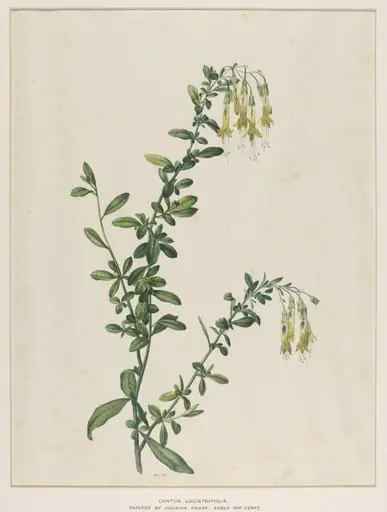
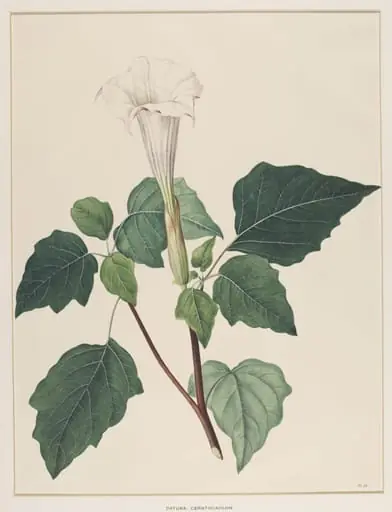
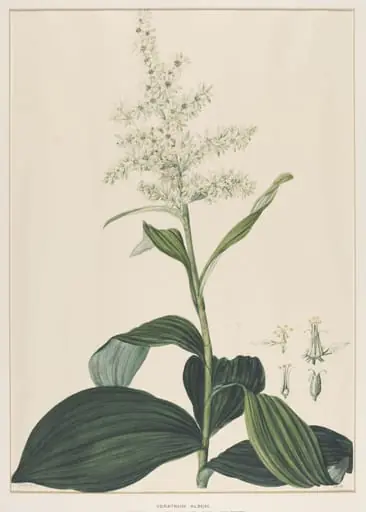
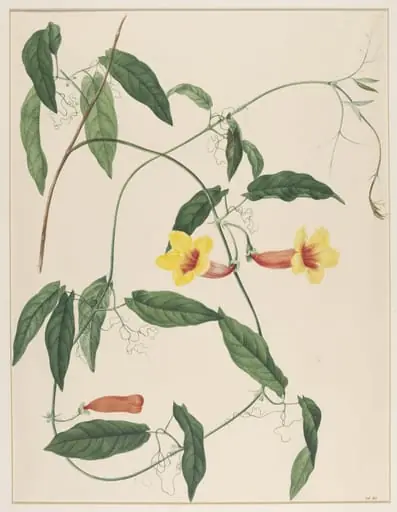
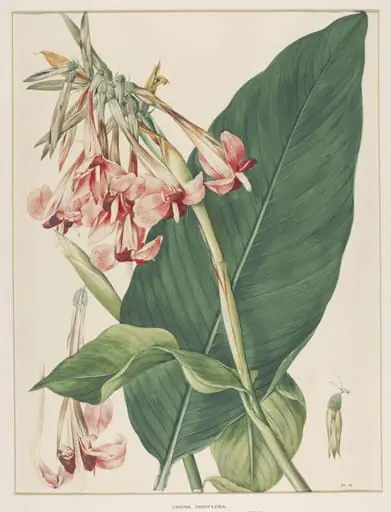
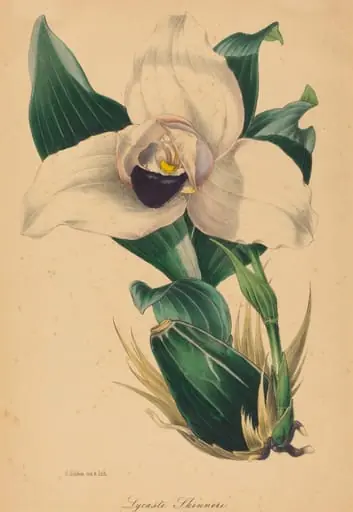
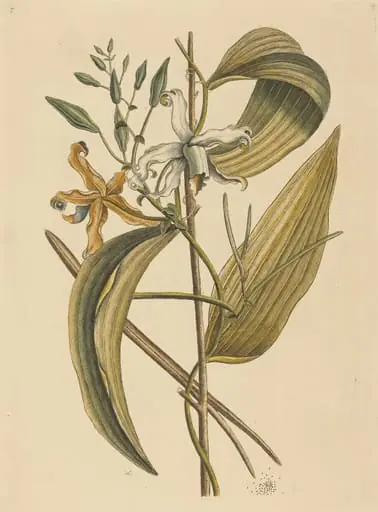
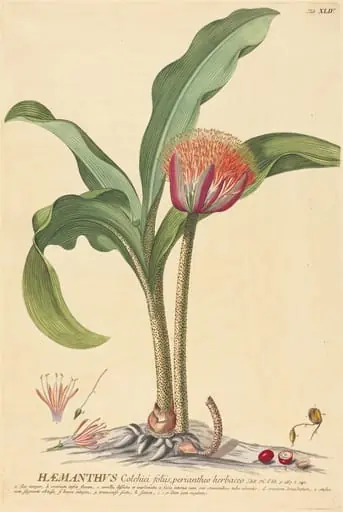
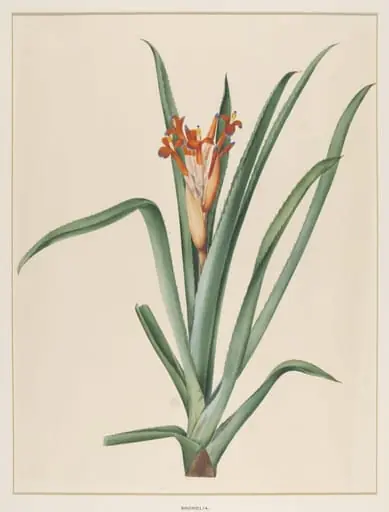
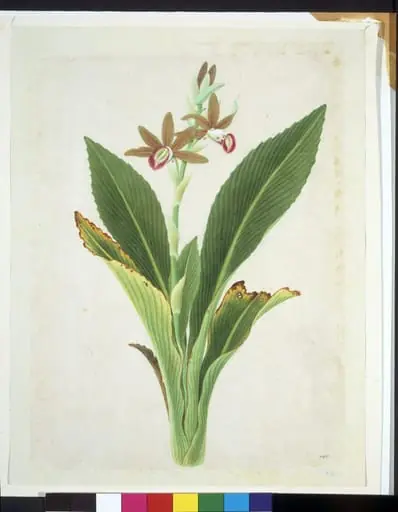
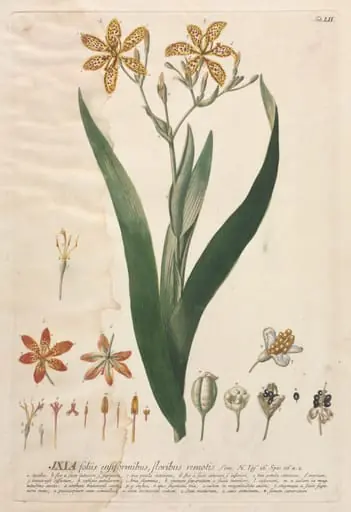
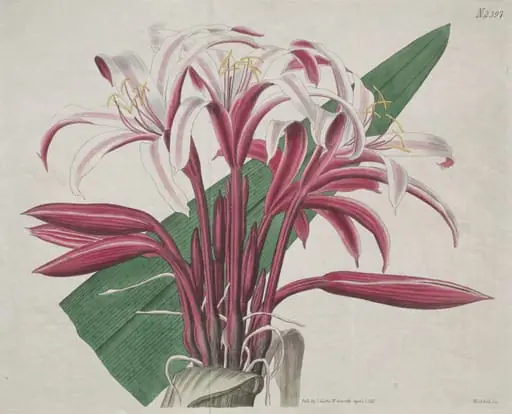
A watercolor drawing from 1850 by Johann Knapp presents a botanical study of a flowering plant, rendered with precision and restraint. The composition centers on a single bloom, surrounded by foliage and smaller floral elements, all executed in delicate washes of pigment. The work reflects the 19th-century tradition of scientific illustration, where aesthetic care served observational accuracy.
Subject & Meaning
The full bloom, with its pale petals and yellow center, is shown alongside developing buds and broad leaves, suggesting a moment in the plant’s life cycle.
The depicted plant, identified as Musa rosacea, is rendered not as an ornamental object but as a specimen worthy of close study. The full bloom, with its pale petals and yellow center, is shown alongside developing buds and broad leaves, suggesting a moment in the plant’s life cycle. The focus on botanical detail implies an intent to document rather than idealize, aligning with naturalist practices of the period.
Technique & Style
Knapp employed transparent watercolor to capture subtle gradations of color and form. The leaves are built with layered greens, while the petals are lightly glazed to suggest translucency. Fine linework defines veins and petal edges, and the background remains largely untouched, enhancing the sense of light and air around the subject. The technique prioritizes clarity over dramatic effect.
History & Provenance
Created in 1850, the work is part of a broader corpus of botanical studies produced during a time when European collectors and institutions sought systematic documentation of plant species. While its early ownership is unrecorded, its style and date place it within academic circles engaged in natural history, likely produced for educational or archival use rather than public display.
Context
In mid-19th-century Europe, watercolor was widely used by botanists and illustrators to record plant specimens with fidelity. Knapp’s work aligns with this tradition, where scientific rigor and artistic skill converged. Unlike decorative floral paintings, such studies were intended for reference, often accompanying publications or housed in herbaria as visual records of biodiversity.
Legacy
The drawing endures as a quiet testament to the intersection of art and science in natural history. Its value lies not in spectacle but in its careful observation and restrained execution. Today, it contributes to the historical record of botanical illustration, offering insight into how plant life was understood and preserved visually before the advent of photography.
Artist & collection