Artwork
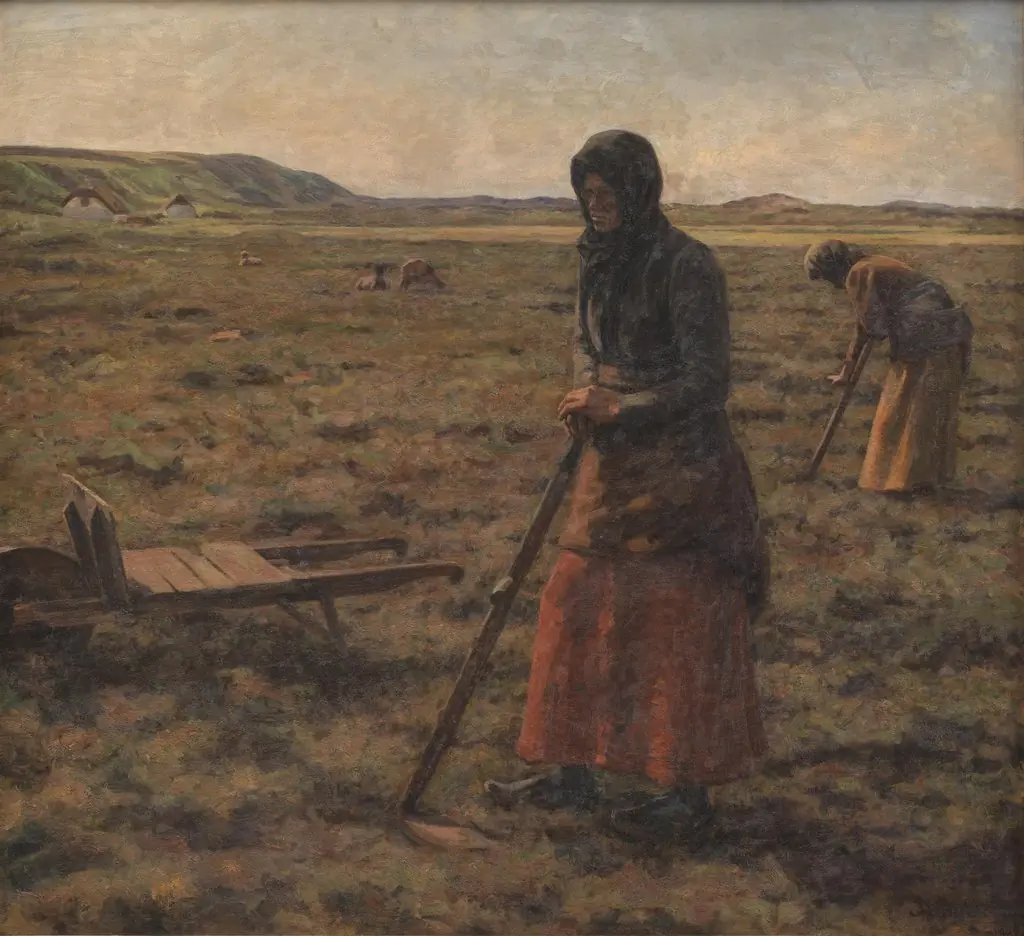
En gammel kone "Bette Dorte" på heden
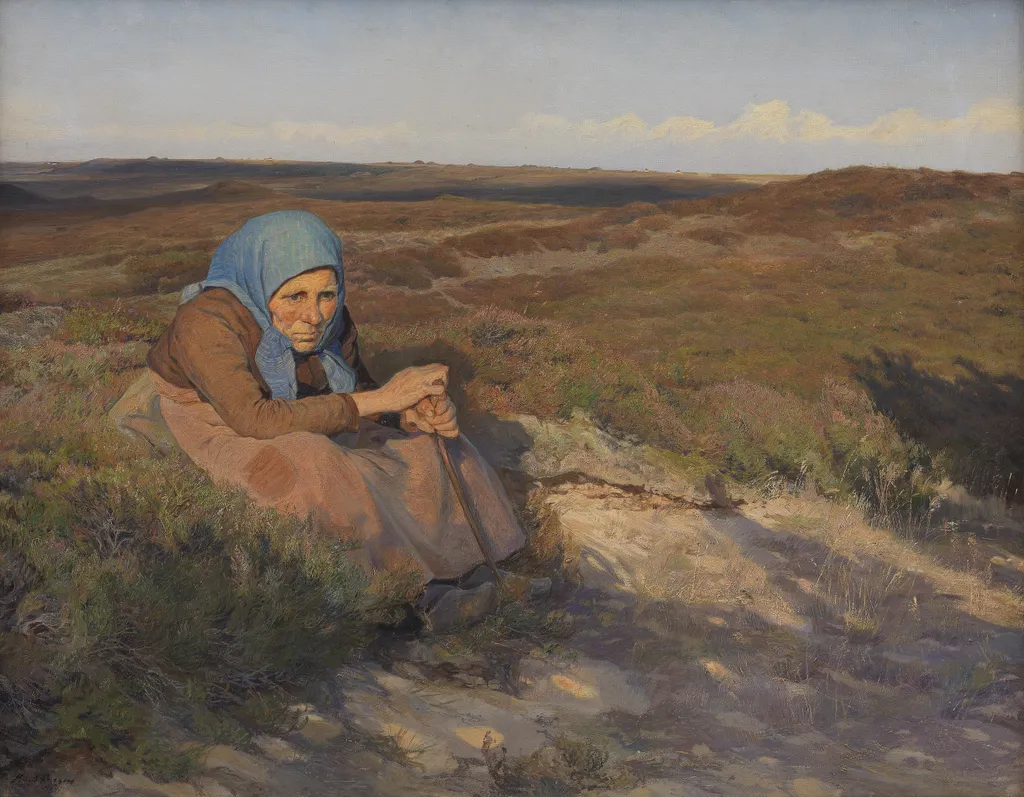
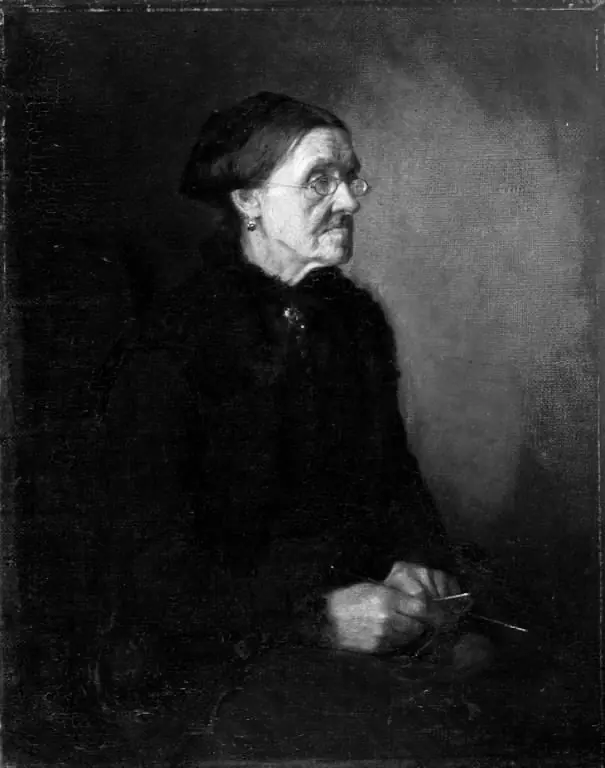
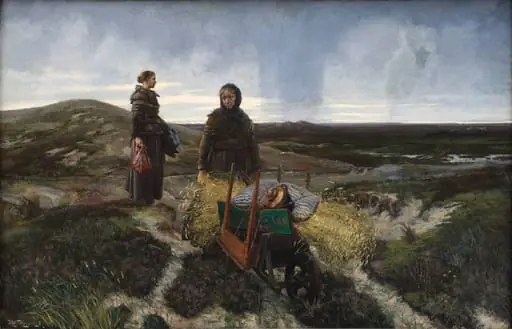
En gammel kone "Bette Dorte" på heden is an oil painting by the Impressionist artist Knud Larsen. It dates from 1904 and is held in the collection of the Statens Museum for Kunst.
About this work
Overview
Painted in 1904 by Danish artist Knud Larsen, this oil work portrays an elderly woman seated on a heathland. The painting is part of the collection at Statens Museum for Kunst in Copenhagen. Its quiet composition and restrained palette reflect a deliberate focus on everyday rural life, avoiding theatricality in favor of intimate observation.
Subject & Meaning
The figure, identified as 'Bette Dorte,' sits alone on the open heath, leaning on a cane and gazing toward the horizon. Her stillness and solitary posture suggest contemplation or endurance. The absence of narrative detail invites interpretation rooted in dignity and resilience, rather than sentimentality, aligning with early 20th-century Scandinavian realism.
Technique & Style
Larsen employs muted earth tones—ochres, browns, and soft blues—to unify the figure with the landscape. Brushwork is deliberate but unobtrusive, favoring texture over detail. The sky and rolling hills are rendered with loose, atmospheric strokes, creating a sense of space that envelops the woman without overwhelming her presence.
History & Provenance
The painting entered the collection of Statens Museum for Kunst shortly after its completion. It was likely acquired as part of the museum’s broader effort to document Danish rural life during a period of social change. No significant alterations or reattributions are recorded, and its provenance remains consistent since 1904.
Context
Created during a time when Danish artists increasingly turned to rural subjects, the work reflects a national interest in preserving regional identities amid urbanization. Larsen’s focus on an ordinary elder woman aligns with broader cultural movements that valued authenticity and quiet dignity over idealized imagery.
Legacy
While not widely reproduced, the painting remains a representative example of early 20th-century Danish realism. It contributes to the understanding of how Danish painters approached solitude, age, and landscape without romanticization. Its presence in a national collection underscores its role in documenting everyday Danish life.
Artist & collection
Artist
Knud Larsen painted quiet, unhurried moments—births, portraits, funerals—with the same steady hand whether the scene was a parlor or a field.