Artwork
Vânzătoare de dovleci
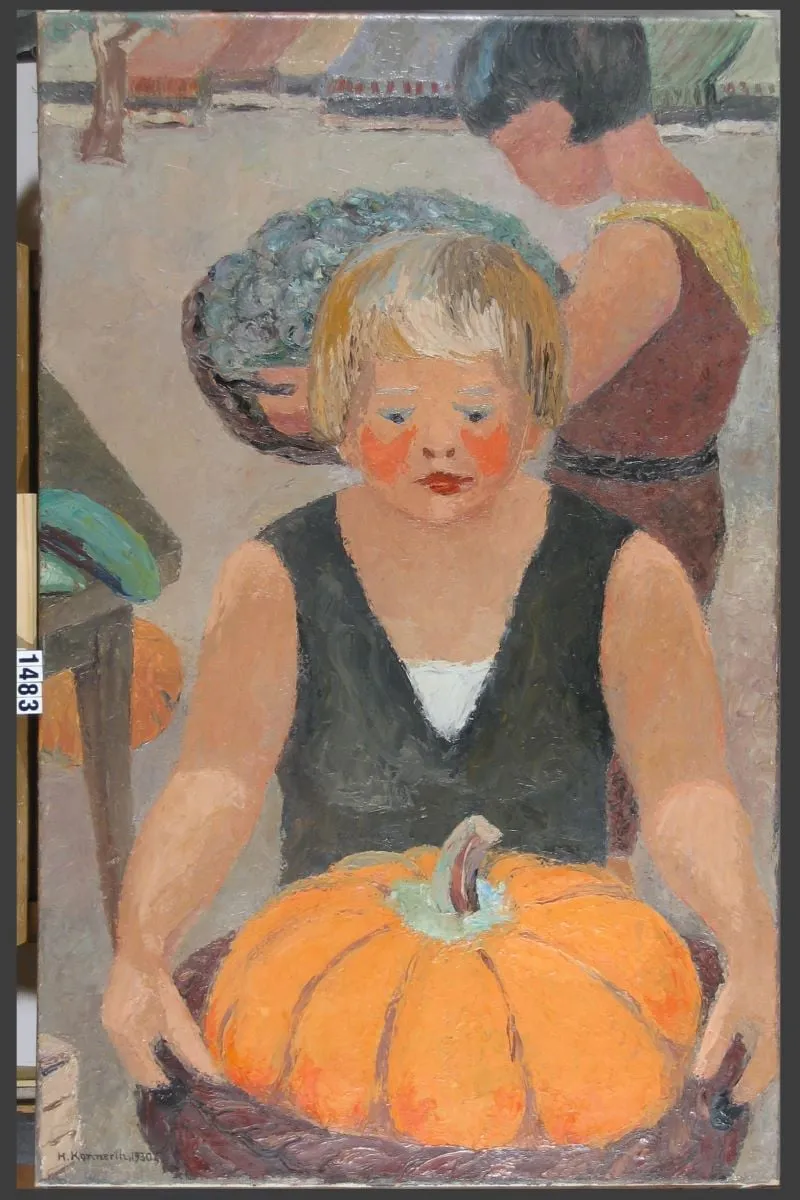
Vânzătoare de dovleci is a print by Hermann Konnerth. It is held in the collection of the Brukenthal National Museum.
About this work
Overview
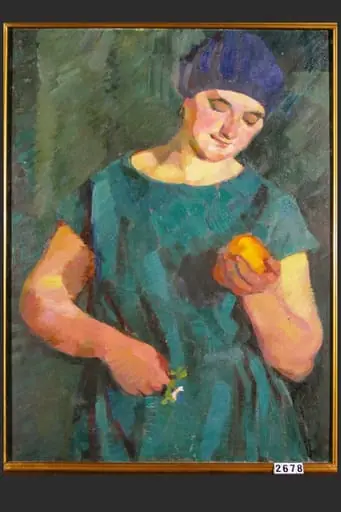
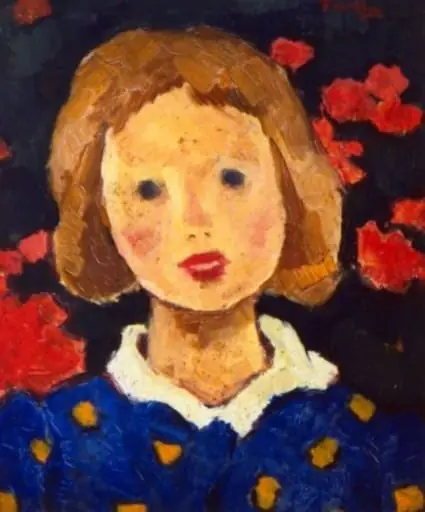
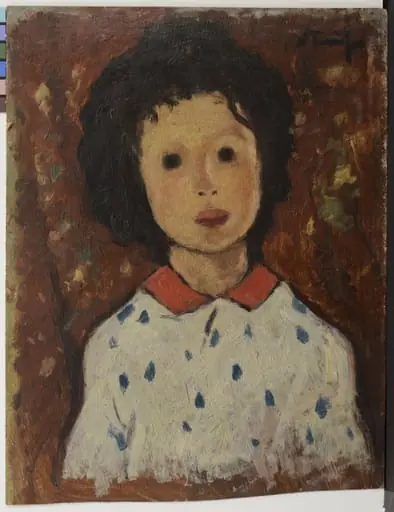
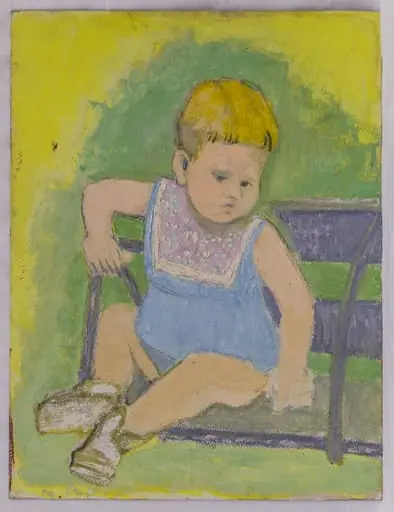
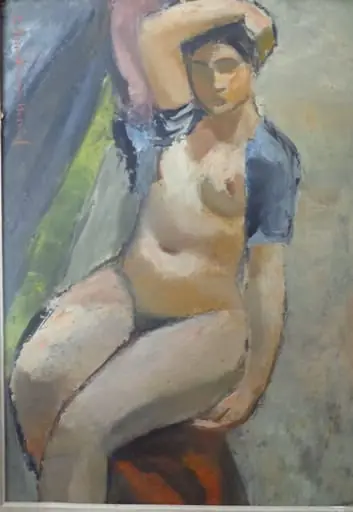
Hermann Konnerth’s painting portrays a quiet moment in a domestic setting, centered on a woman holding a basket of pumpkins.
Hermann Konnerth’s painting portrays a quiet moment in a domestic setting, centered on a woman holding a basket of pumpkins. The composition is simple, with minimal background detail and two figures rendered in soft focus. The subdued palette and restrained gestures convey a mood of stillness, emphasizing the ordinary over the dramatic. The work belongs to a body of early 20th-century genre scenes that find dignity in everyday labor.
Subject & Meaning
The central figure, a woman with rosy cheeks and short blonde hair, holds a large orange pumpkin with both hands, her gaze lowered in quiet attention. A second woman, partially visible behind her, wears a brown dress and yellow scarf, suggesting a shared domestic space. The pumpkin, a seasonal harvest item, implies rural life and self-sufficiency. The scene avoids narrative drama, instead inviting reflection on quiet, repeated acts of care.
Technique & Style
Konnerth employs gentle, blended brushwork and a muted color scheme—soft ochres, grays, and earth tones—to create a sense of calm. Light falls evenly across the figures and basket, avoiding strong shadows or highlights. The background is rendered in a neutral wash, keeping focus on the woman’s posture and the texture of the woven basket. The technique favors atmosphere over detail, aligning with regional realist traditions of the period.
History & Provenance
The painting is attributed to Hermann Konnerth, an artist active in the early 20th century, primarily in Central Europe. Little public documentation exists regarding its original commission or early ownership. It has remained in private collections and is now known through archival records and museum exhibitions that highlight regional genre painting. Its survival reflects a modest but persistent interest in everyday rural life.
Context
Created during a period when many European artists turned to rural subjects amid urbanization, this work aligns with a broader trend of depicting peasant and domestic life without idealization. Konnerth’s approach avoids sentimentality, instead presenting labor as a quiet, unremarkable part of daily existence. Similar themes appear in the work of contemporaries in Austria and southern Germany, where regional identity was often expressed through humble scenes.
Legacy
Though Konnerth is not widely known outside regional art circles, this painting contributes to a lesser-discussed strand of early 20th-century realism that valued stillness over spectacle. It has been referenced in studies of gendered labor in rural art and occasionally included in exhibitions on forgotten regional painters. Its endurance lies in its unadorned sincerity, offering a quiet counterpoint to more dramatic narratives of the era.
Artist & collection
Artist
Hermann Konnerth made prints and small paintings of everyday life in 19th-century Romania.