Artwork
Konsuli Konrad Arvid Johan Mandorf
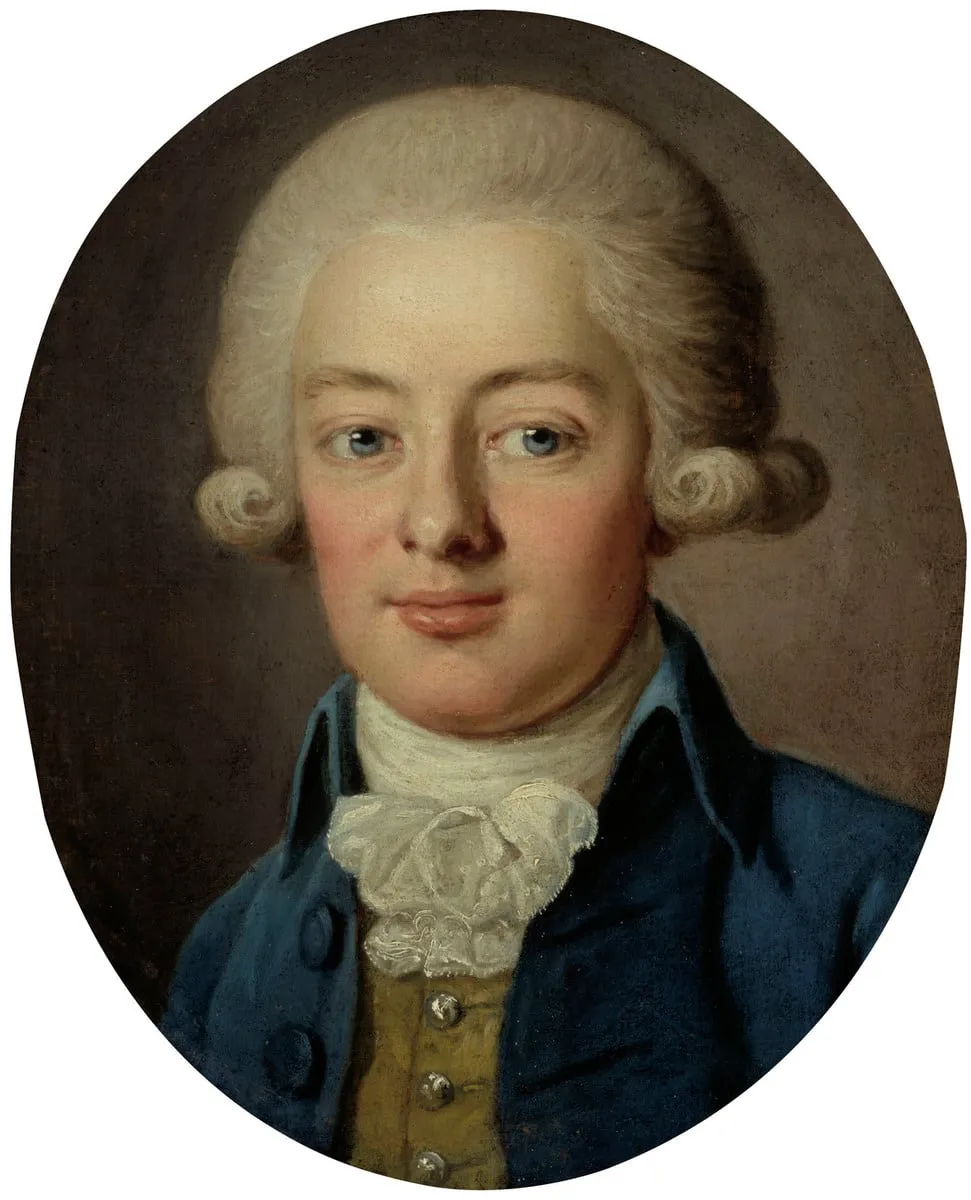
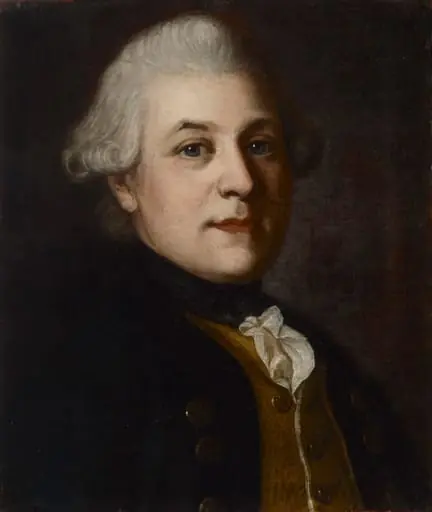
Konsuli Konrad Arvid Johan Mandorf is an unspecified painting by Per Krafft vanhempi / den äldre / the Elder. It is held in the collection of the Finnish National Gallery. The work is a painted portrait of Konrad Arvid Johan Mandorf, identified by his title of consul.
About this work
The man's attire and hairstyle suggest a formal or professional setting, possibly from the 18th or 19th century.
The painting depicts a man with a pale complexion and white hair styled in curls on either side of his face. He wears a blue jacket over a yellow vest, which is fastened with buttons, and a white ruffled collar.
The man's attire and hairstyle suggest a formal or professional setting, possibly from the 18th or 19th century. The painting's style and technique are reminiscent of traditional European portraiture.
If you're interested in learning more about the artist who created this portrait, you might want to look up the work of Krafft vanhempi / den äldre / the Elder, Per.
Overview
The work is a painted portrait of Konrad Arvid Johan Mandorf, identified by his title of consul. Rendered in oil on canvas, the image presents a formally dressed gentleman with a pale complexion, white curled hair, a blue jacket, a yellow vest, and a white ruffled collar, characteristic of late‑eighteenth‑ to early‑nineteenth‑century European portraiture.
Subject & Meaning
Mandorf is portrayed in full regalia appropriate to a diplomatic or official role, his attire emphasizing status and authority. The careful rendering of his facial features and the dignified pose suggest an intention to convey both personal identity and the respectability associated with consular service.
Technique & Style
The portrait employs a restrained palette of blues, yellows, and whites, with subtle chiaroscuro to model the figure’s form. The brushwork is smooth and precise, reflecting the academic conventions of the period, while the crisp rendering of the ruffled collar and buttoned vest demonstrates a focus on material detail typical of traditional European portraiture.
History & Provenance
The painting is attributed to the Swedish artist Per Krafft the Elder, active in the late 1700s. Krafft’s oeuvre includes numerous official portraits, and this work likely originated as a commission for Mandorf’s consular office or family. Its later ownership history remains undocumented, but the attribution aligns with Krafft’s known stylistic traits.
Context
Consular portraits in the eighteenth and nineteenth centuries served both personal and diplomatic functions, reinforcing the holder’s legitimacy abroad. Mandorf’s depiction fits within this genre, where clothing, posture, and setting collectively signal the bearer’s role within the network of European trade and political relations.
Artist & collection
Artist
Per Krafft vanhempi / den äldre / the Elder
Per Krafft the Elder kept a tidy studio in 18th-century Stockholm, where he painted people the way they actually looked—wigs, moles, and all.

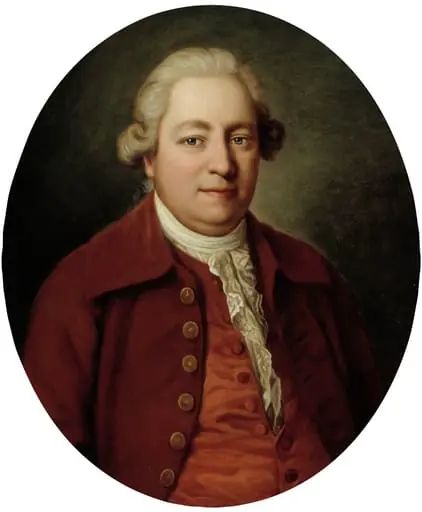
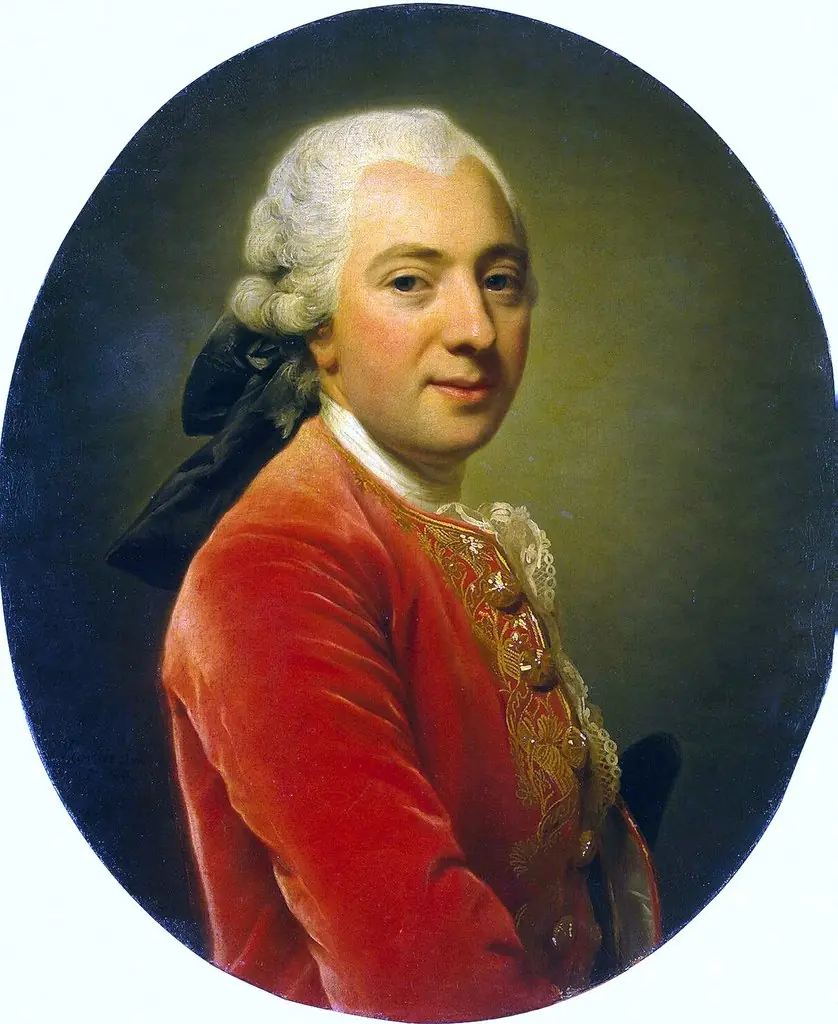 Portrait of a Man Wearing a Red Caftan
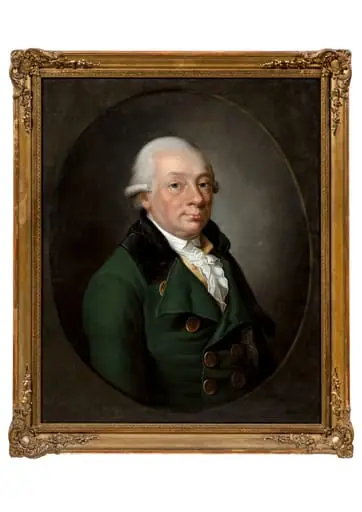 Bildnis: Karl Friedrich von Baden
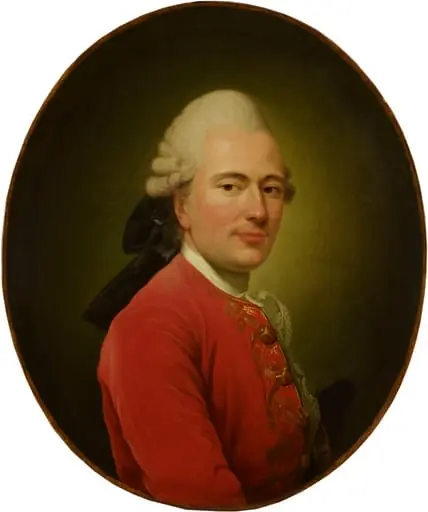 Paul Marie Victoire de Beauvilliers
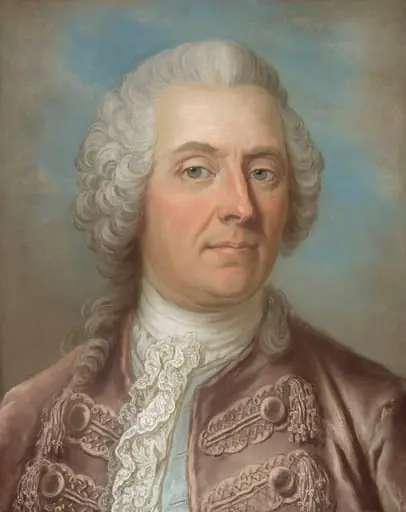 Vapaaherra Johan Wilhelm Sprengtporten
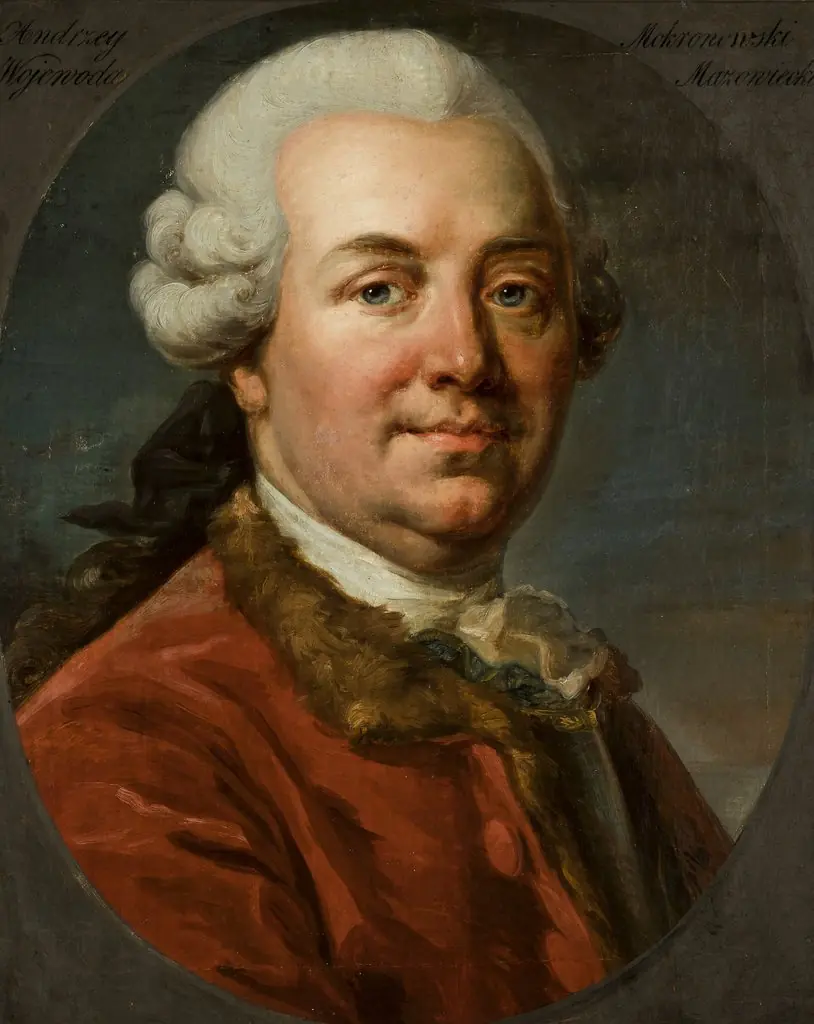 Portrait of Andrzej Mokronowski
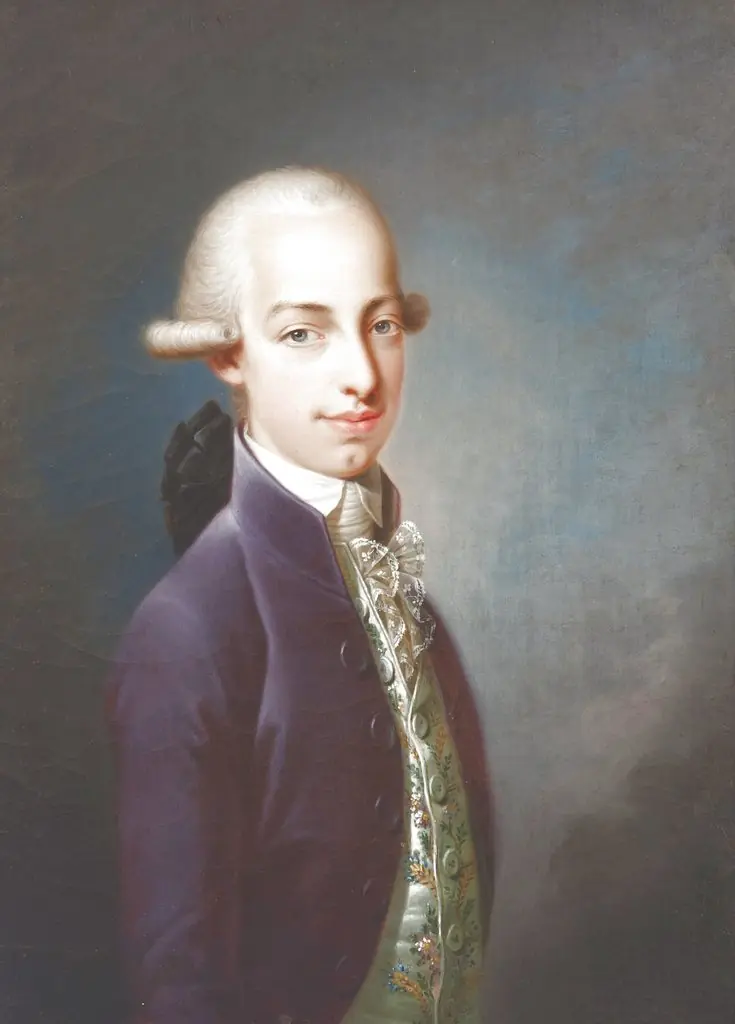 Rainer Joseph, Archduke of Austria
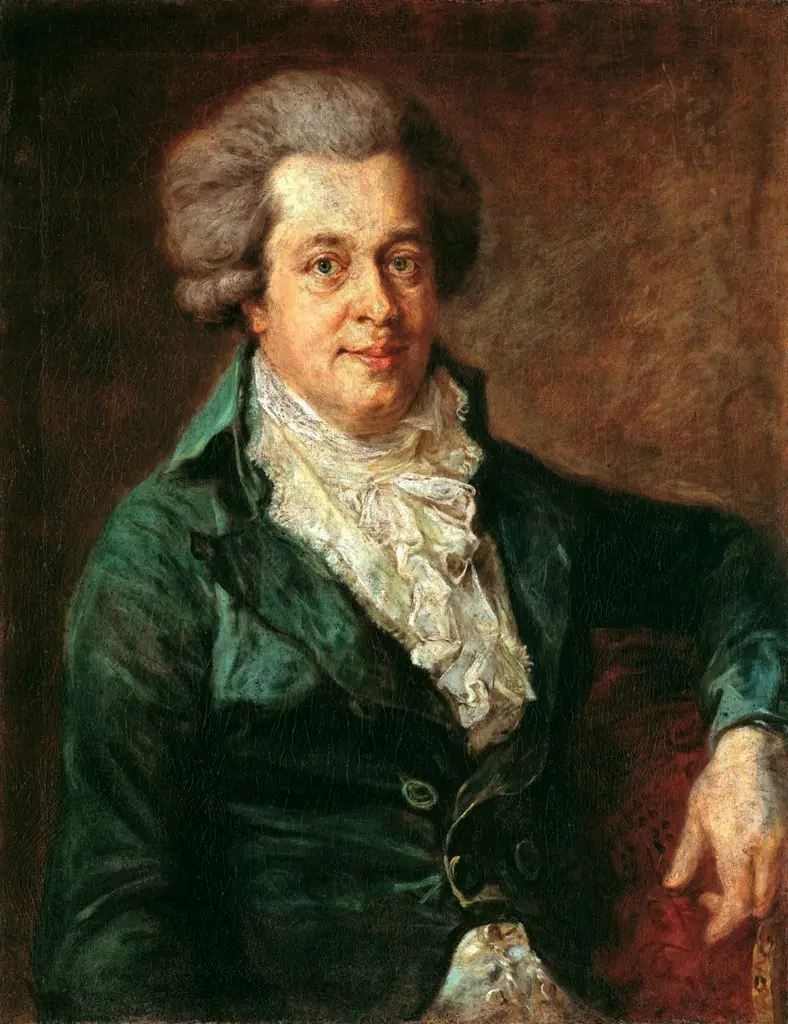 Portrait of Wolfgang Amadeus Mozart (1756-1791)
 Sir James Gray, 2nd Bt.
 Portrait of Salomon Rendorp, Brewer in Amsterdam
 Portrait of a young man in a wig en catogan
 Runoilija Gustaf Fredrik Gyllenborg
 Herr Dristel