Artwork
Harmaa tanssi
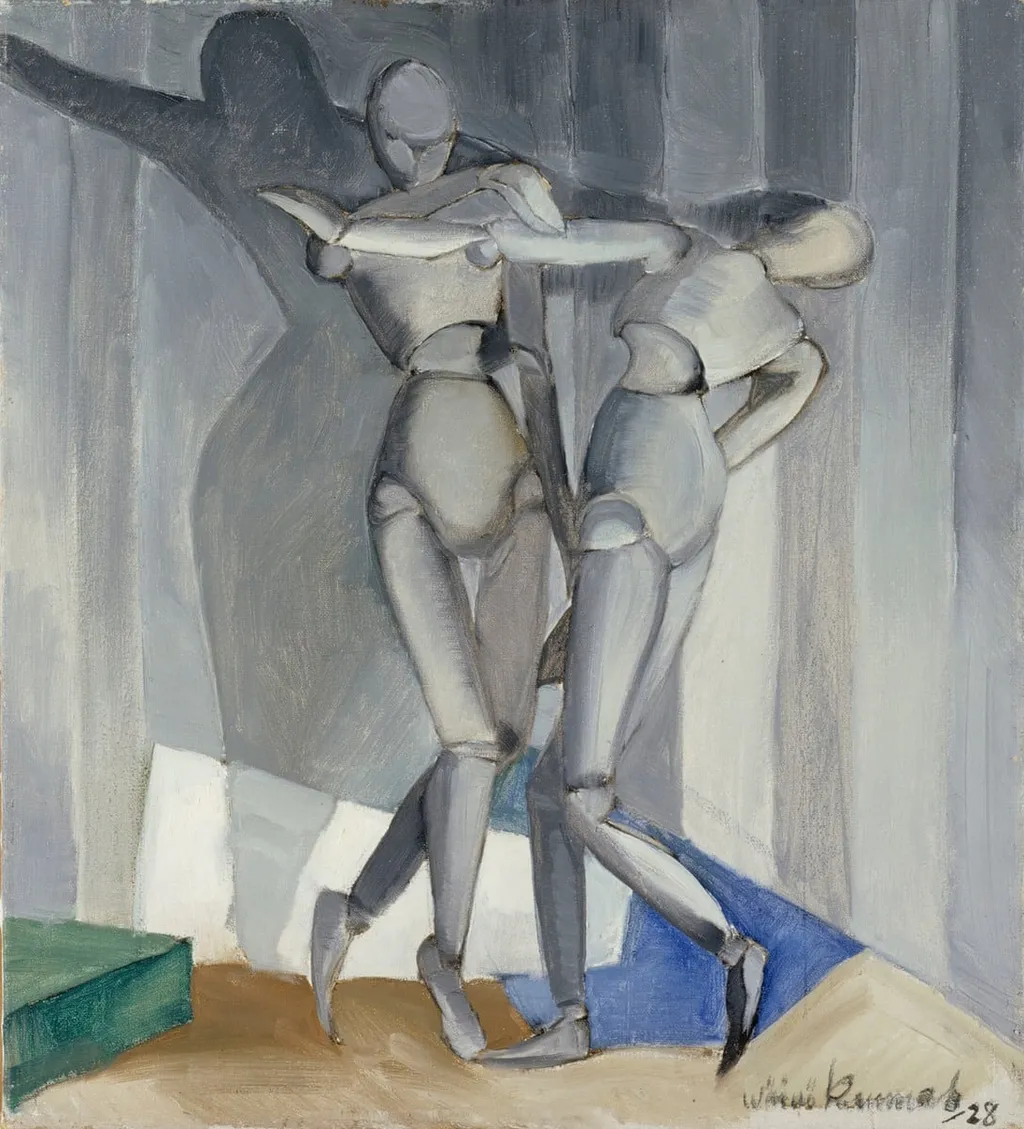
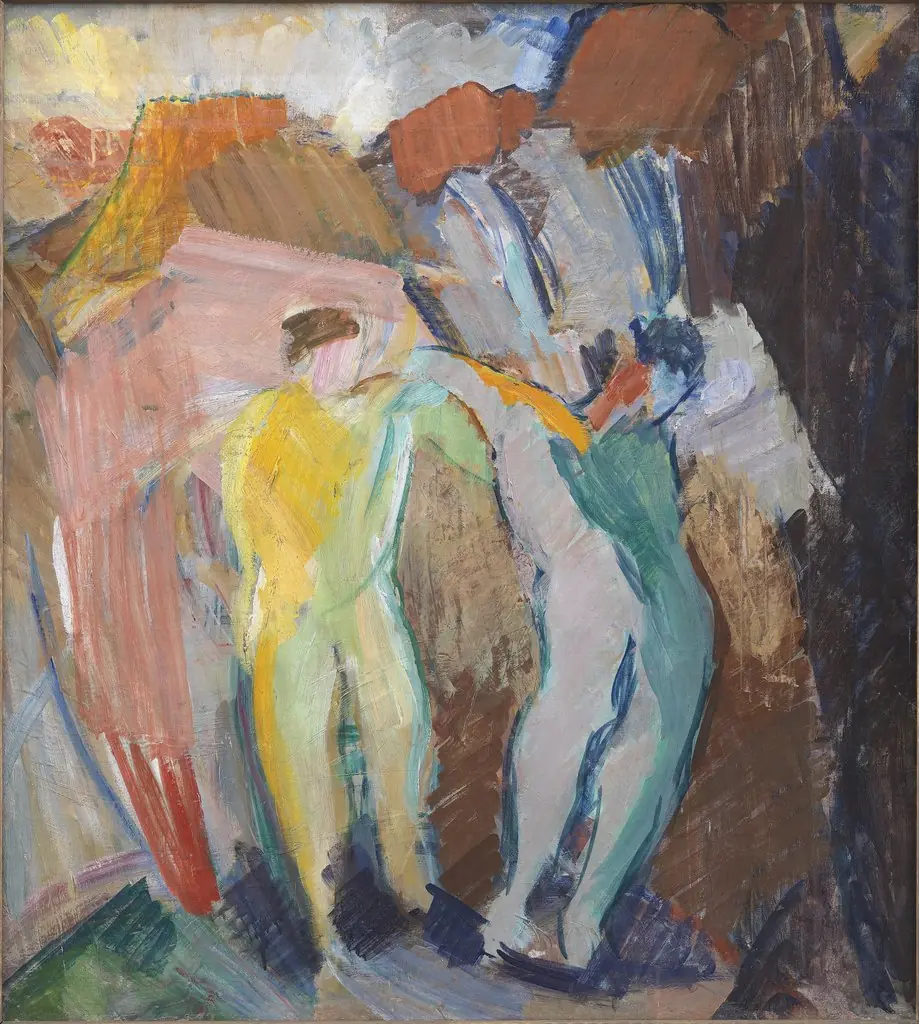
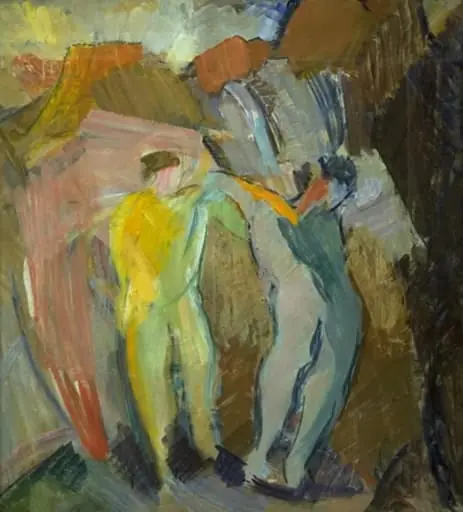
Harmaa tanssi is an unspecified painting by Väinö Kunnas. It dates from 1922 and is held in the collection of the Finnish National Gallery.
About this work
Overview
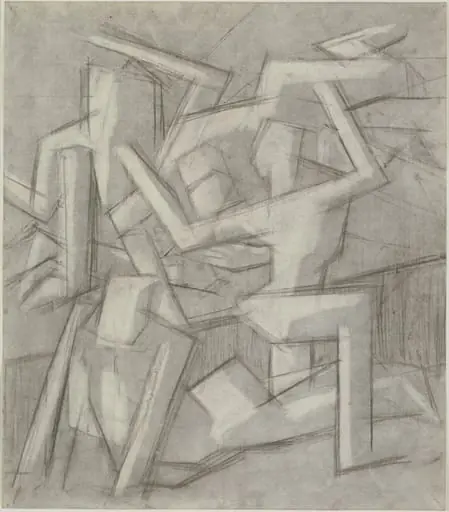
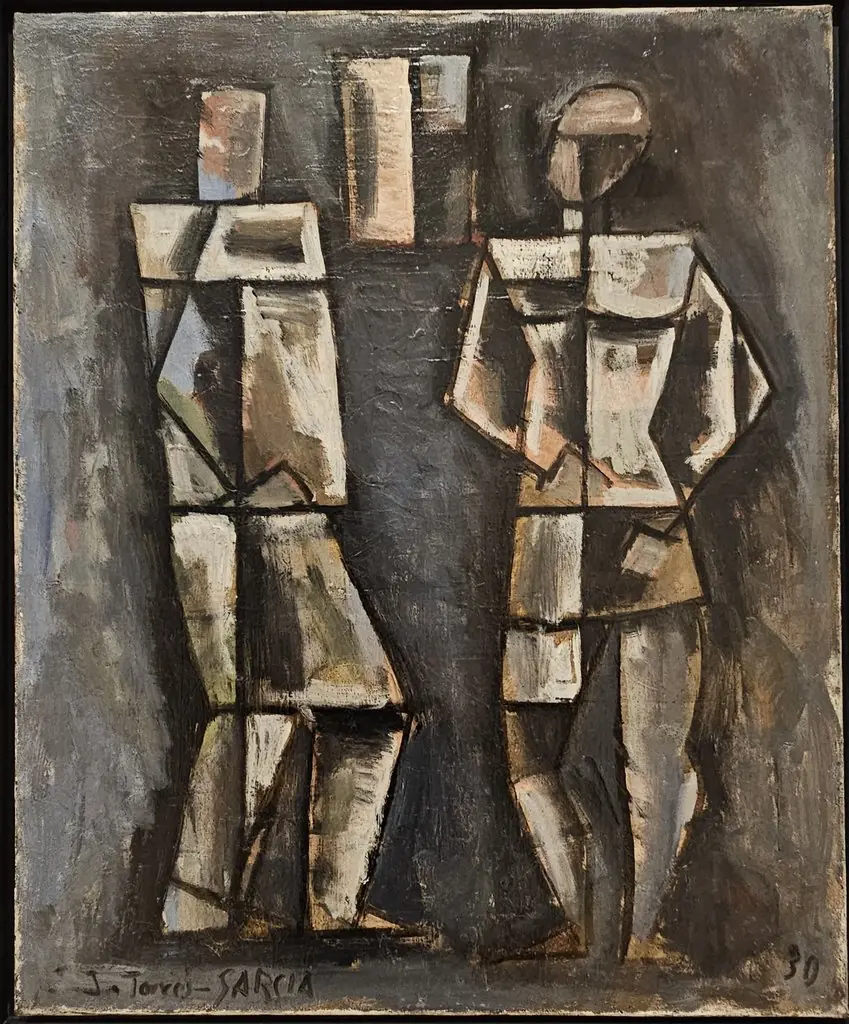
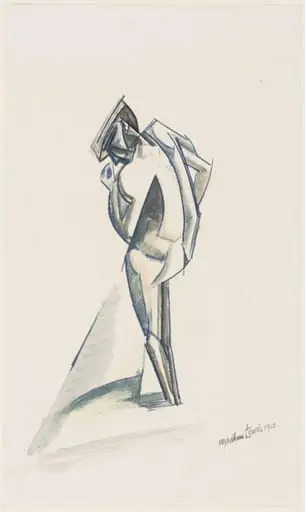
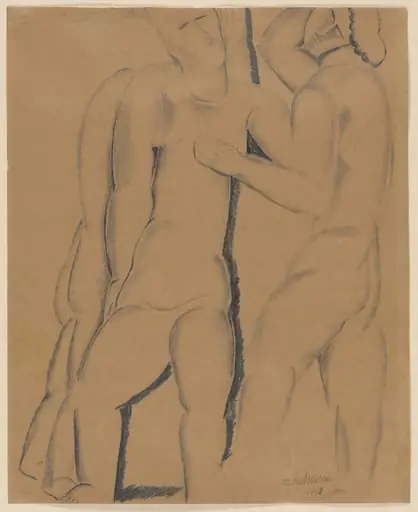
Harmaa tanssi, created around 1922 by Finnish artist Väinö Kunnas, is a monochromatic oil painting depicting two dancers in motion.
Harmaa tanssi, created around 1922 by Finnish artist Väinö Kunnas, is a monochromatic oil painting depicting two dancers in motion. The work is defined by its restrained palette of grays and its focus on bodily movement. Without narrative context or environmental detail, the painting centers entirely on the interaction between the figures, suggesting a moment of intimate rhythm rather than a specific social setting.
Subject & Meaning
The two figures—a man and a woman—are locked in a close, dynamic embrace, their limbs bent and aligned to suggest motion. Their gestures convey a sense of shared rhythm, evoking the physicality of dance without referencing a particular style or occasion. The absence of color and background removes temporal or cultural markers, allowing the work to speak to universal themes of connection and movement.
Technique & Style
Kunnas employs a limited tonal range to model form through subtle shifts in light and shadow, a method reminiscent of chiaroscuro. Brushwork is fluid yet controlled, defining contours without fine detail. The gray tones unify the composition, eliminating distractions and emphasizing the figures’ interplay. The technique prioritizes emotional resonance over realism, aligning with early 20th-century expressive tendencies in Nordic art.
History & Provenance
Created during Kunnas’s early career, Harmaa tanssi reflects his engagement with modernist experimentation in interwar Finland. It was likely produced in Helsinki, where Kunnas was active in artistic circles influenced by Expressionism and Symbolism. The painting remained in private collections for much of the 20th century before entering public institutional holdings, though specific acquisition details are not widely documented.
Context
In the early 1920s, Finnish artists were redefining national identity through art that balanced modern European trends with local sensibilities. Kunnas’s work, while not overtly political, contributed to this shift by focusing on human emotion and movement rather than landscape or folklore. Harmaa tanssi stands as a quiet counterpoint to more overtly nationalistic imagery of the period.
Legacy
Though not among Kunnas’s most widely exhibited works, Harmaa tanssi is recognized for its distilled emotional clarity and formal economy. It exemplifies a strand of Finnish modernism that valued introspection and abstraction over spectacle. The painting continues to be referenced in studies of early 20th-century Nordic figuration for its restraint and expressive power.
Artist & collection
Artist
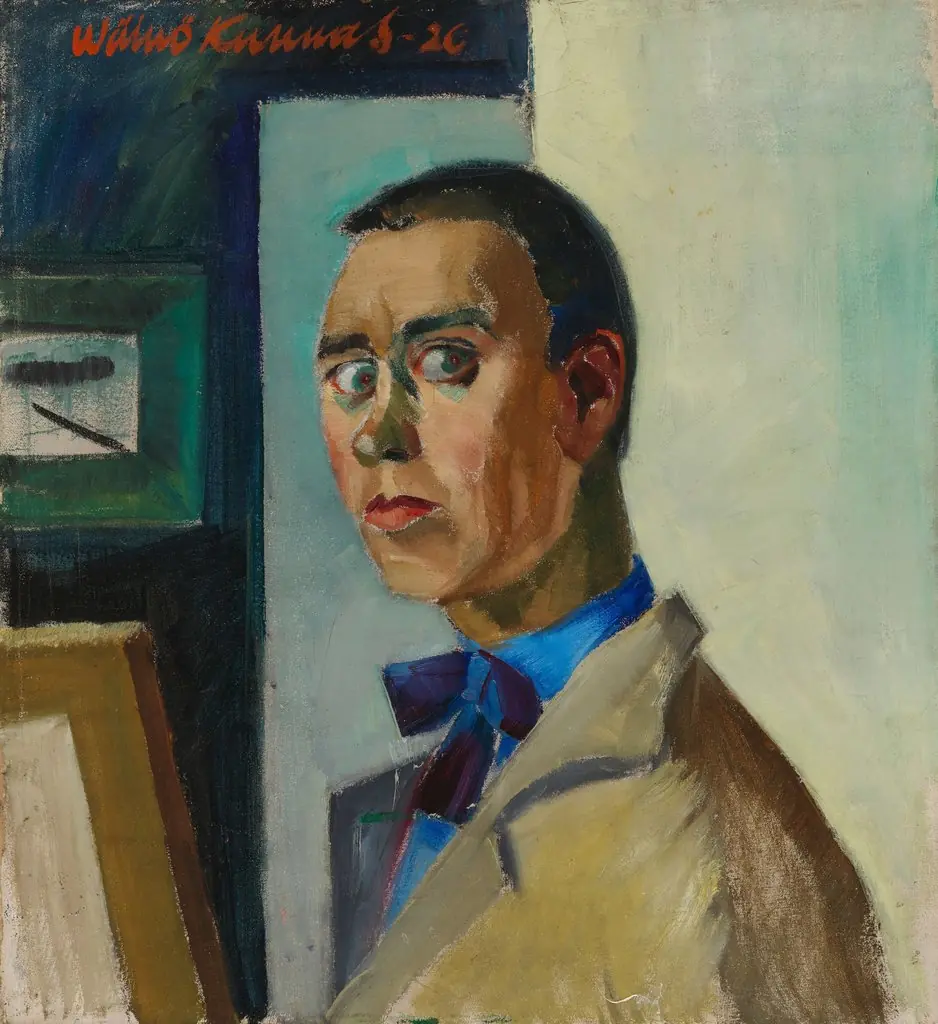
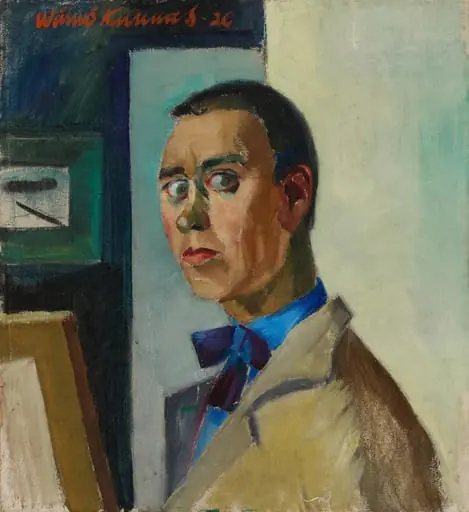
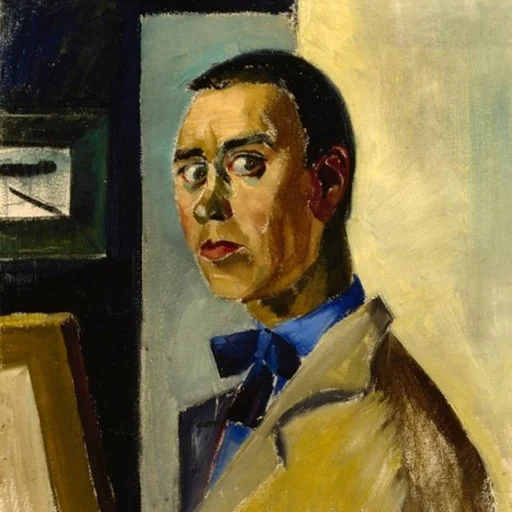
Väinö Ilmari Kunnas (12 April 1896 in Vyborg – 10 February 1929 in Helsinki) was a Finnish Expressionist painter.