Artwork
Sylvi Kunnaksen muotokuva
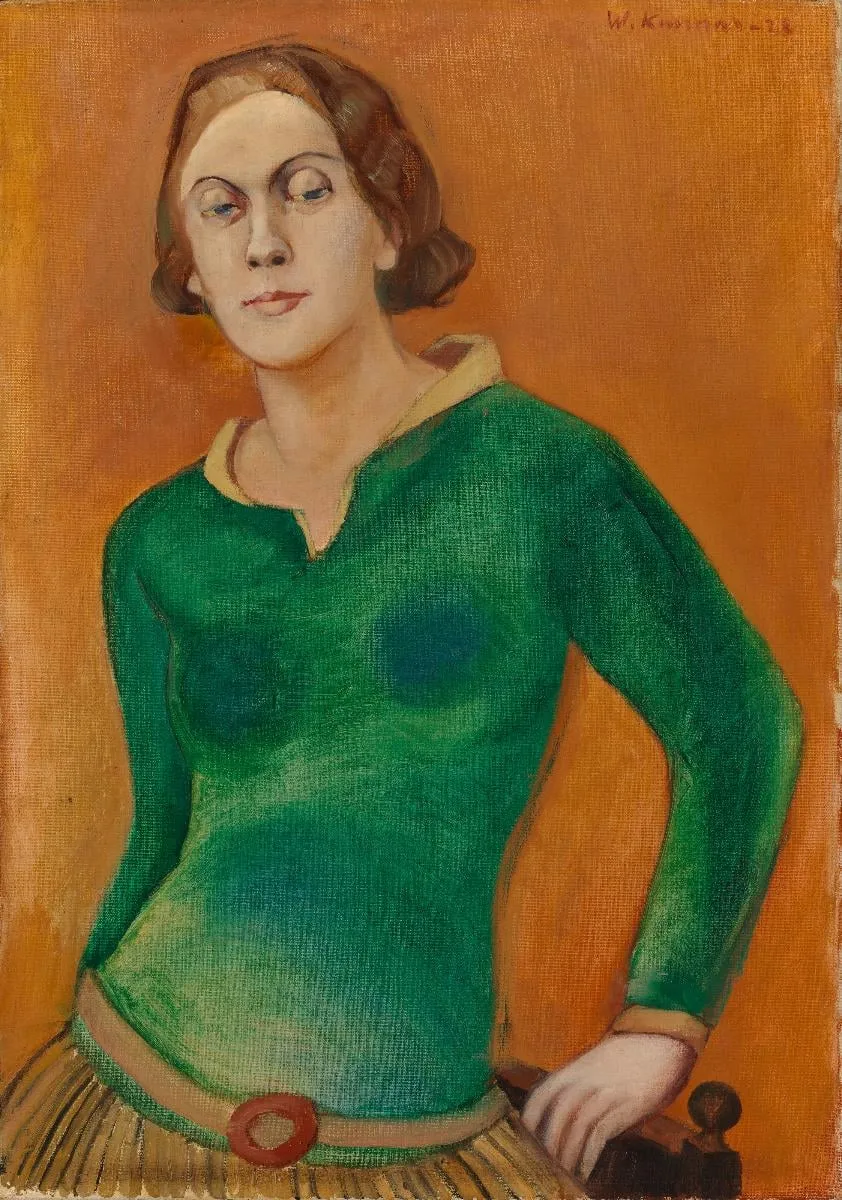
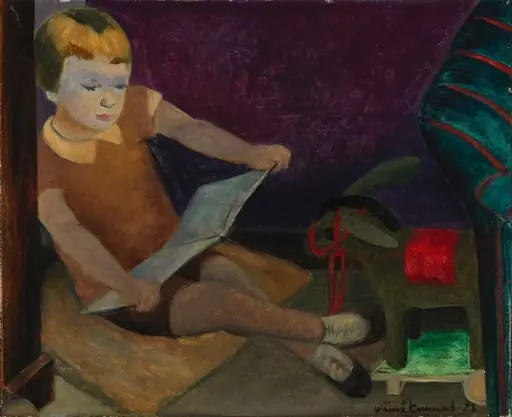
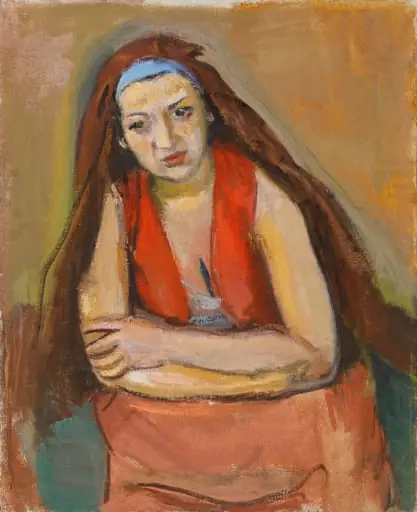
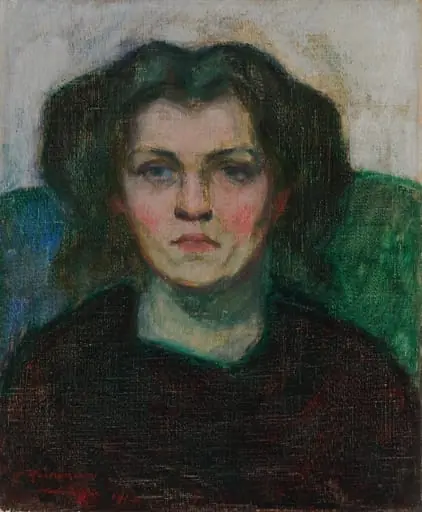
Sylvi Kunnaksen muotokuva is an unspecified painting by Väinö Kunnas. It dates from 1922 and is held in the collection of the Finnish National Gallery.
About this work
Overview
Painted around 1922 by Väinö Kunnas, this portrait depicts Sylvi Kunnaksen, a Finnish woman whose identity is tied to the artist’s personal circle.
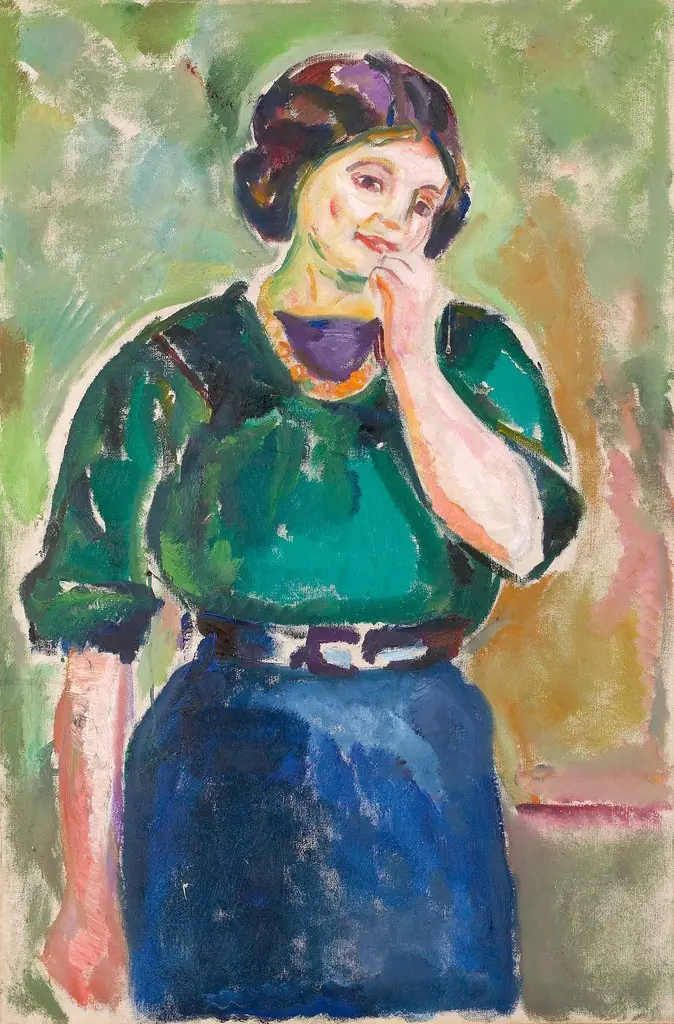
Painted around 1922 by Väinö Kunnas, this portrait depicts Sylvi Kunnaksen, a Finnish woman whose identity is tied to the artist’s personal circle. The composition is restrained, focusing on the subject’s presence rather than narrative detail. A warm orange backdrop frames her figure, while her attire and posture suggest a moment of stillness. The work belongs to a period in Finnish art when intimate portraiture gained renewed attention.
Subject & Meaning
Sylvi Kunnaksen is portrayed with quiet dignity, her gaze directed inward, suggesting contemplation rather than engagement with the viewer. The faintest suggestion of a smile softens her expression, avoiding sentimentality. Her hands rest gently on a dark, indistinct object—possibly a chair or side table—anchoring her in space. The portrait conveys emotional reserve, reflecting a cultural preference for understated personal expression in early 20th-century Finland.
Technique & Style
Kunnas employs a muted palette dominated by earthy greens and warm oranges, with subtle tonal shifts to define form. Brushwork is deliberate but not overly refined, favoring texture over polish. The background is applied in broad, even strokes, creating a flat plane that emphasizes the figure’s solidity. The simplification of features and lack of decorative detail align with early modernist tendencies in Nordic painting, prioritizing emotional tone over realism.
History & Provenance
The painting’s early history is not publicly documented beyond its creation circa 1922. It likely remained within private Finnish collections, given Kunnas’s limited public exhibition record during his lifetime. No major institutional acquisitions or public sales are recorded before the late 20th century. Its current location and ownership remain obscure, reflecting its status as a personal rather than public work.
Context
Created during Finland’s early years as an independent nation, the portrait reflects a broader cultural turn toward individual identity and domestic intimacy in art. While urban artists explored political themes, many, like Kunnas, focused on quiet domestic scenes. This work aligns with a trend of portraying family and acquaintances with psychological nuance, avoiding grandeur in favor of sincerity and restraint.
Legacy
Väinö Kunnas is not widely recognized outside Finland, and this portrait remains one of his few known works. It offers insight into the quiet, personal side of Finnish modernism, contrasting with more dramatic national narratives. Though not influential in a broad artistic sense, it endures as a sensitive example of early 20th-century Finnish portraiture, valued for its emotional subtlety and understated technique.
Artist & collection
Artist
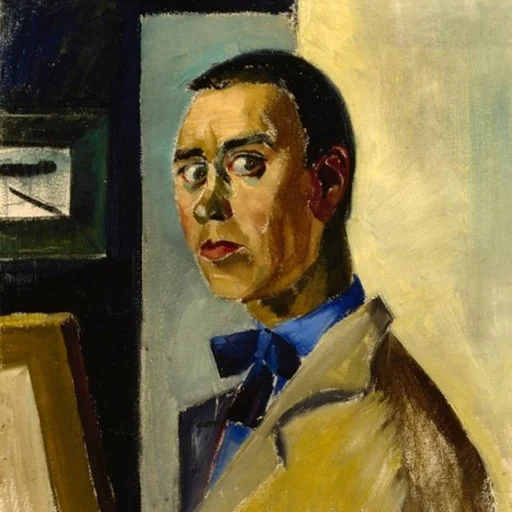
Väinö Ilmari Kunnas (12 April 1896 in Vyborg – 10 February 1929 in Helsinki) was a Finnish Expressionist painter.