Artwork
Fifth Avenue at Twilight
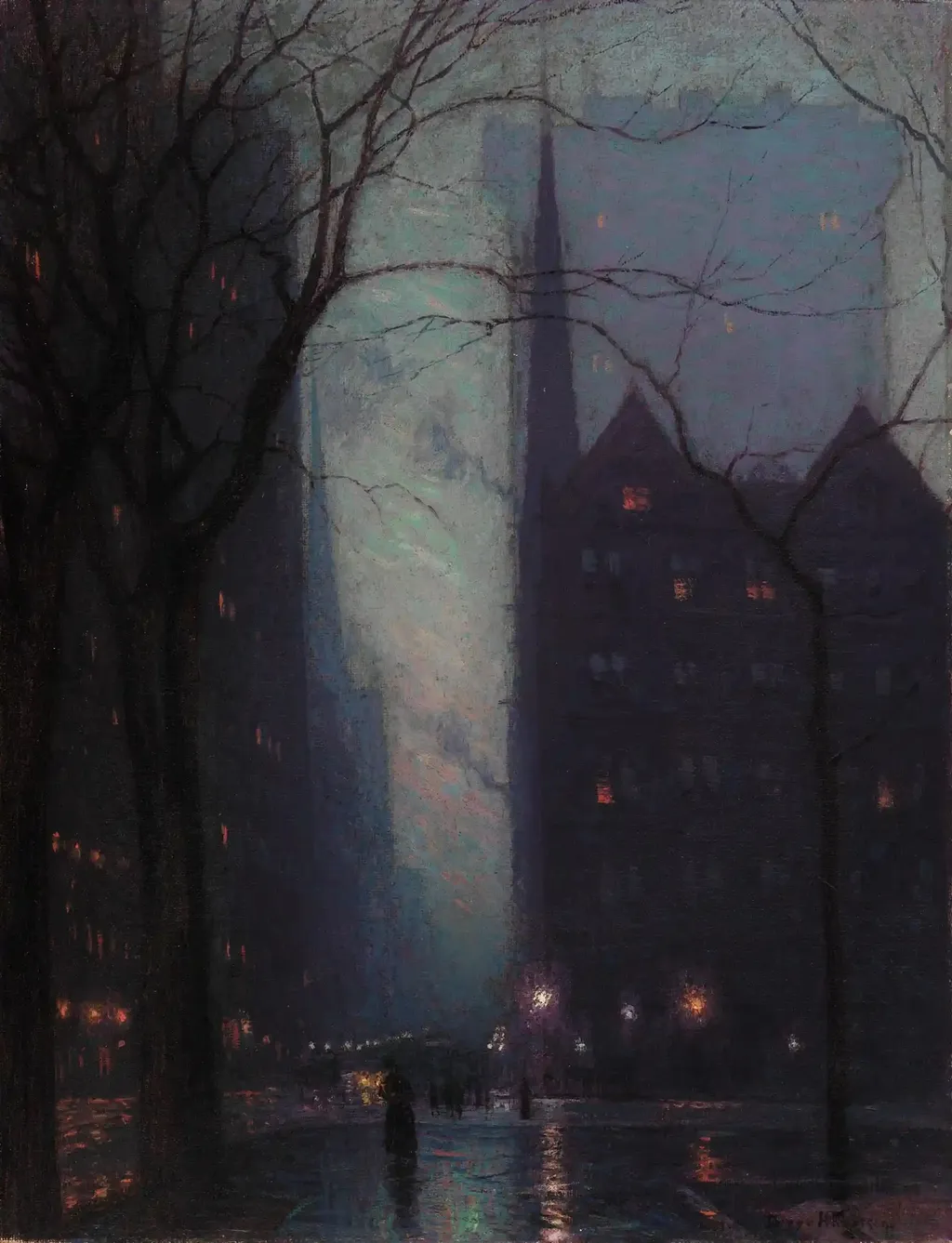
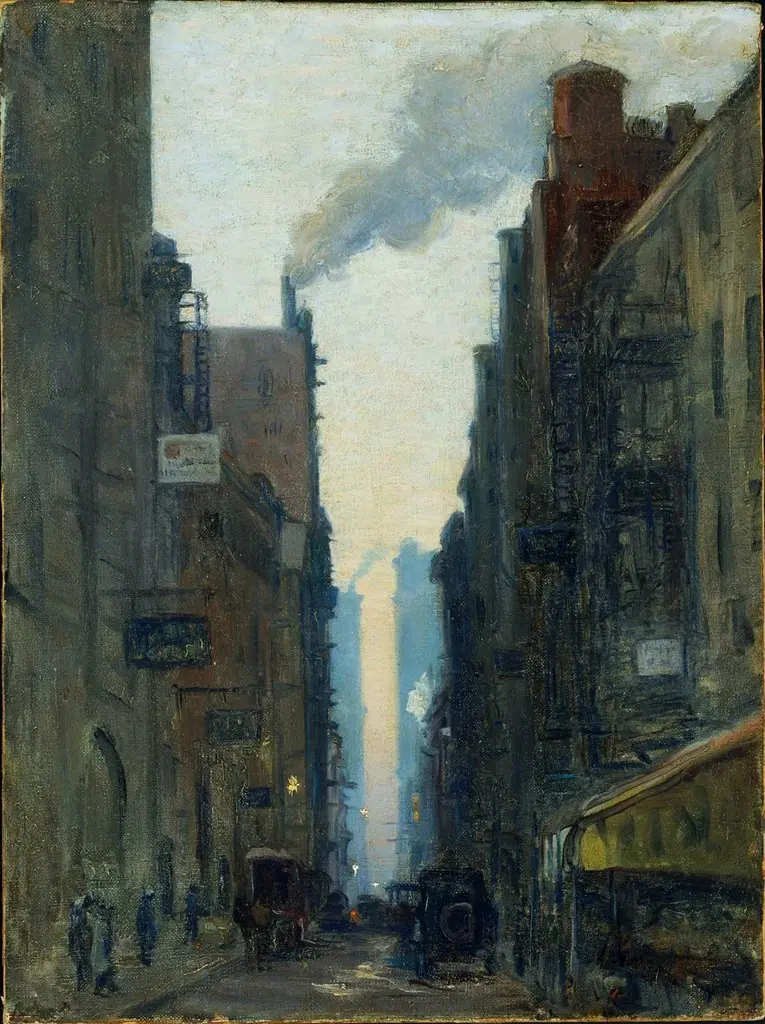
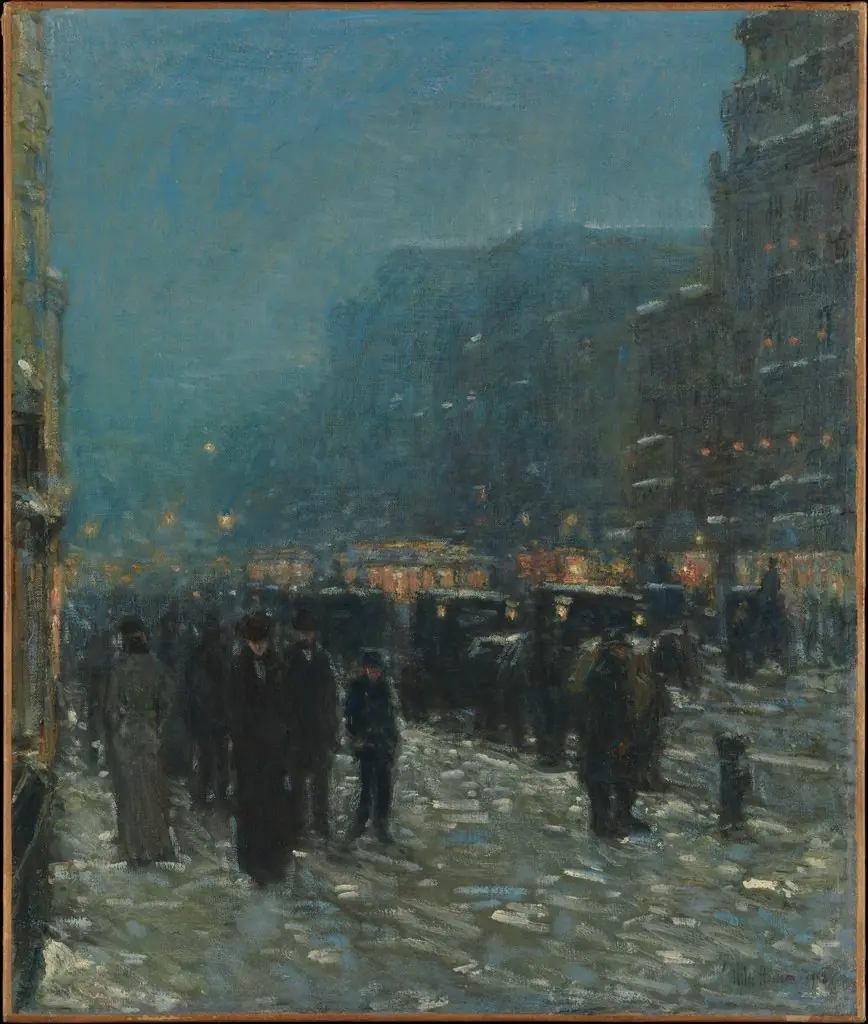
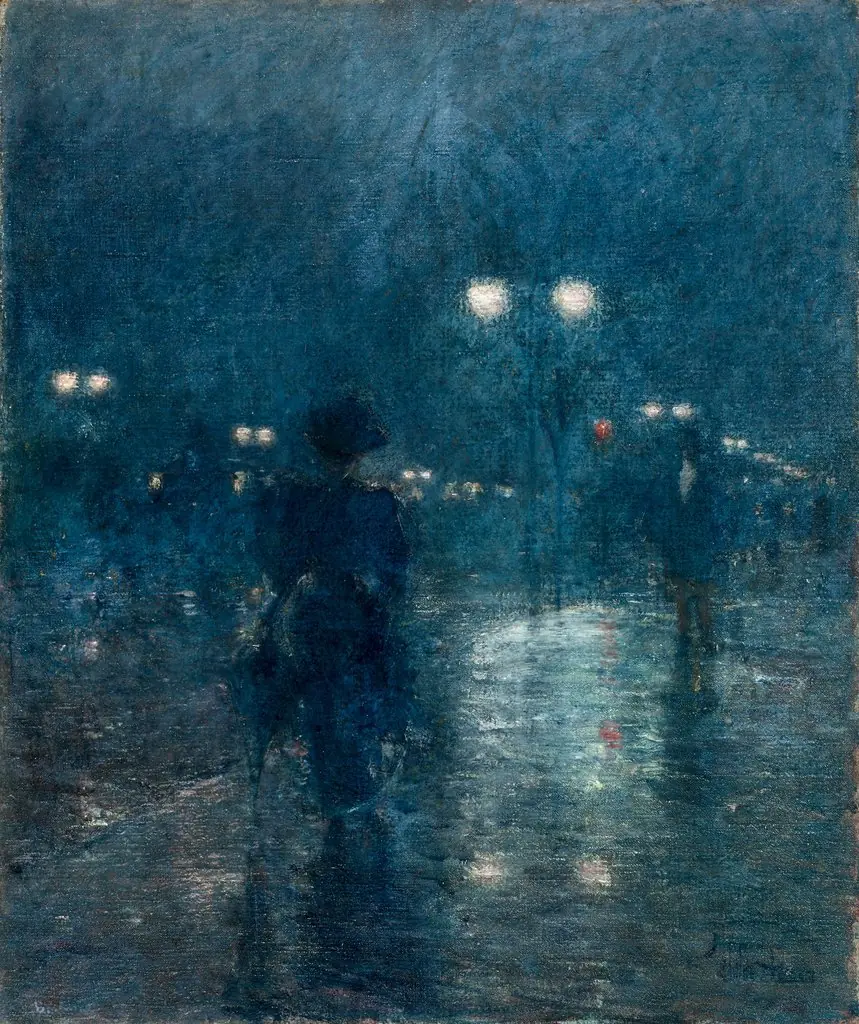
Fifth Avenue at Twilight is an oil painting by the American Impressionist artist L. Birge Harrison. It dates from 1910 and is held in the collection of the Detroit Institute of Arts.
About this work
Overview
The painting resides in the Detroit Institute of Arts, reflecting its significance in early 20th-century American landscape painting.
Painted in 1910 by Lovell Birge Harrison, *Fifth Avenue at Twilight* is an oil-on-canvas work that captures the quiet transition from day to night in urban New York. Harrison, associated with Tonalist and American Impressionist traditions, focused on mood over detail, using subtle color gradations to evoke the hushed atmosphere of evening. The painting resides in the Detroit Institute of Arts, reflecting its significance in early 20th-century American landscape painting.
Subject & Meaning
The scene portrays Fifth Avenue at dusk, with towering buildings and leafy trees framing a quiet street. Streetlights begin to glow, their warm halos contrasting with the cool indigo and lavender sky. The absence of people or vehicles emphasizes solitude and the passage of time. Harrison’s choice of twilight suggests a moment of stillness amid urban growth, inviting contemplation rather than narrative.
Technique & Style
Harrison employed soft brushwork and layered glazes to blend hues of blue, purple, and pink in the sky, creating a luminous, atmospheric haze. Silhouetted trees and buildings anchor the composition, while the golden glow of streetlamps is rendered with restrained, warm tones. His method prioritized tonal harmony over sharp definition, aligning with Tonalist principles that valued emotional resonance through subdued color and light.
History & Provenance
Created during Harrison’s mature period, the painting reflects his interest in urban landscapes alongside his more familiar rural scenes. It entered the Detroit Institute of Arts’ collection in the 20th century, likely through acquisition or donation. While not widely exhibited, it remains a representative example of early American urban Tonalism, consistent with Harrison’s broader artistic and pedagogical legacy.
Context
In 1910, New York City was rapidly expanding, and artists like Harrison responded to the changing urban environment with sensitivity rather than spectacle. While many contemporaries celebrated modernity’s energy, Harrison focused on its quieter, more introspective moments. His work stood apart from both academic realism and the brighter palette of European Impressionism, offering a distinctly American meditation on light and place.
Legacy
Harrison’s influence extended beyond his canvases through his teaching and writings on art theory. *Fifth Avenue at Twilight* exemplifies his commitment to atmospheric painting as a means of emotional expression. Though less known today than some of his peers, the work remains a quiet testament to the poetic potential of urban twilight in American art.
Own this work as a print
Artist & collection
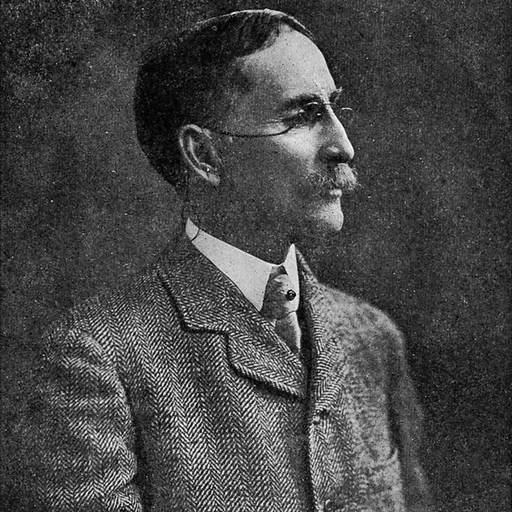
Artist
Lovell Birge Harrison (October 28, 1854, Philadelphia, Pennsylvania – 1929) was an American genre and landscape painter, teacher, and writer. He was a prominent practitioner and advocate of Tonalism.