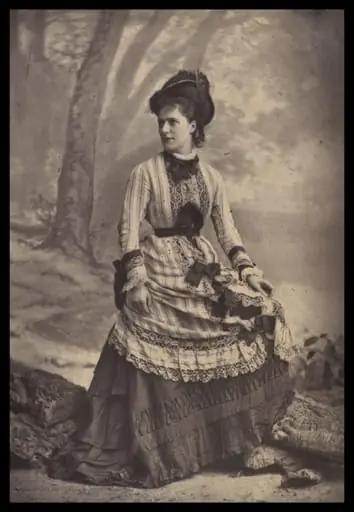
Artwork
Guy Little Theatrical Photograph
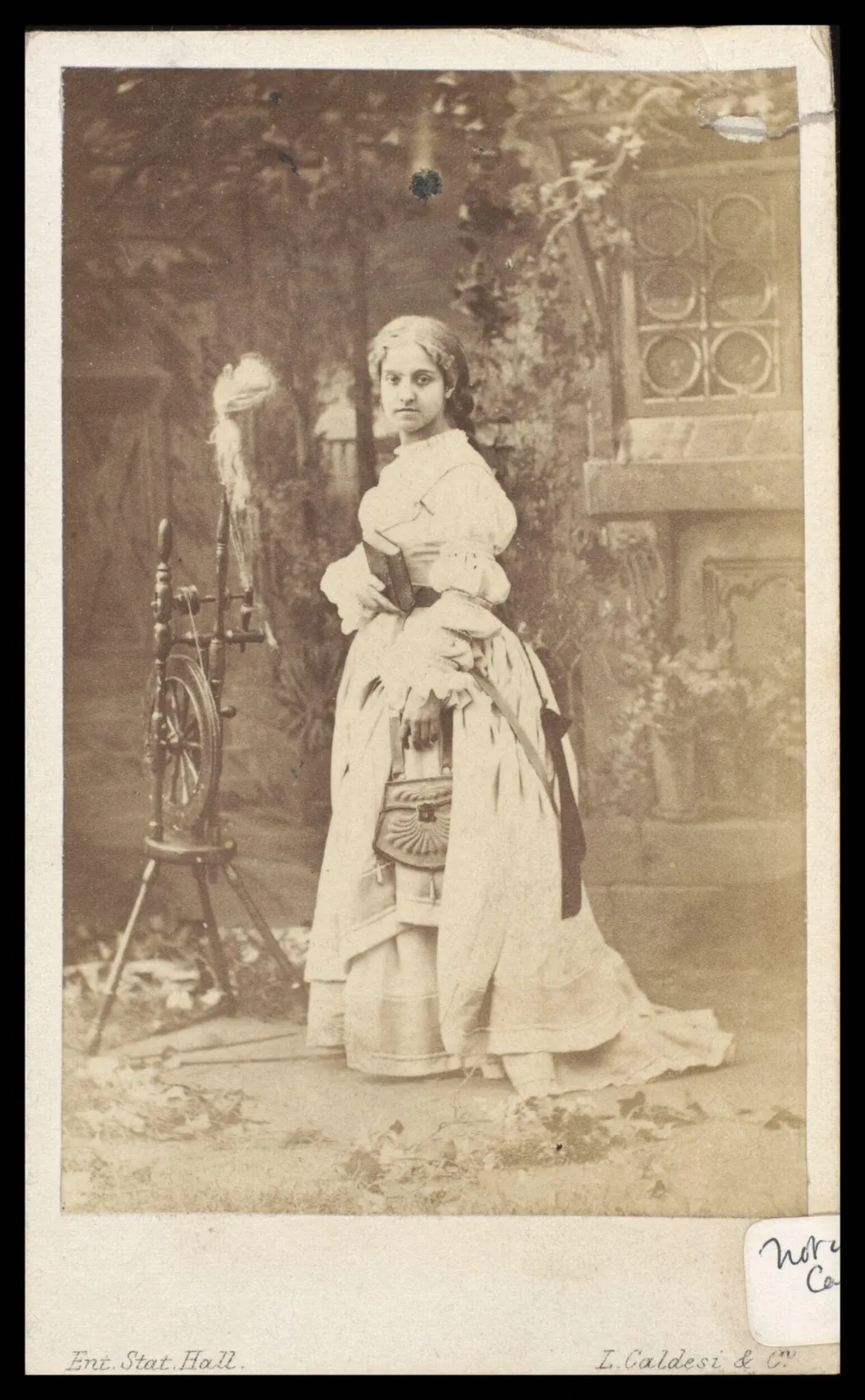
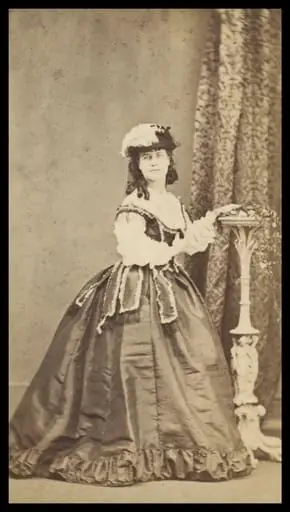
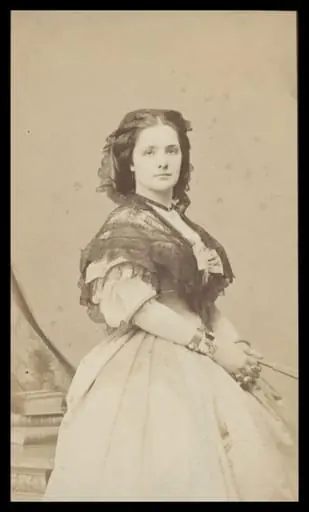
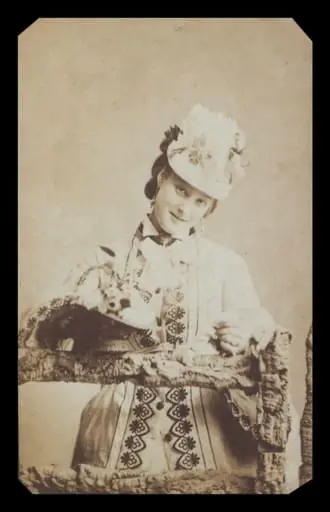
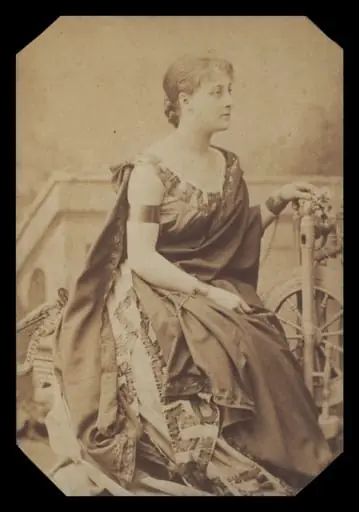
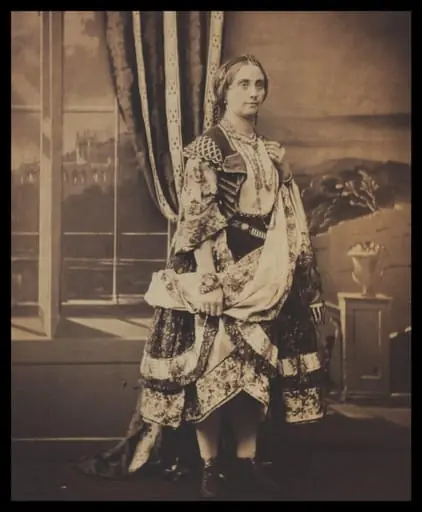
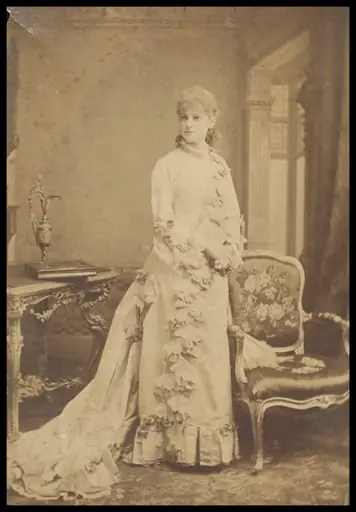
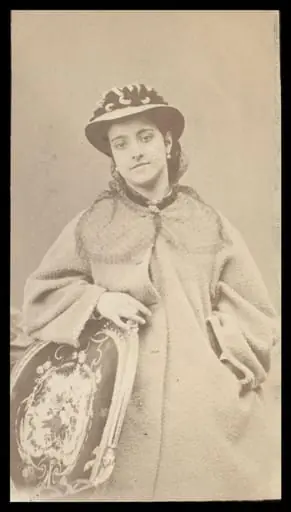
Guy Little Theatrical Photograph is a photographic photography by L. Caldesi & Co.. It dates from 1850 and is held in the collection of the Victoria and Albert Museum. This photograph of the opera singer Adelina Patti was produced by L.
About this work
Overview
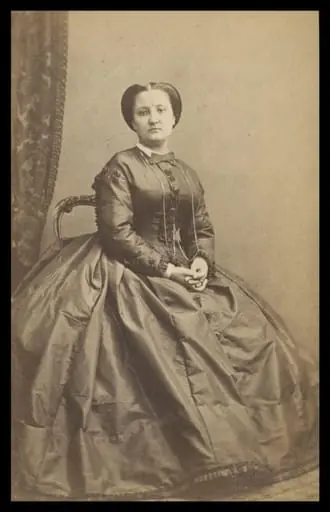
The image was originally mounted as a carte de visite, a popular format before being replaced by larger cabinet cards.
This photograph of the opera singer Adelina Patti was produced by L. Caldesi & Co. in the 19th century as part of a widespread practice of capturing performers for commercial distribution. It belongs to a collection assembled by Guy Tristram Little, a solicitor and avid collector of ephemera, who later bequeathed his holdings to the Victoria and Albert Museum. The image was originally mounted as a carte de visite, a popular format before being replaced by larger cabinet cards.
Subject & Meaning
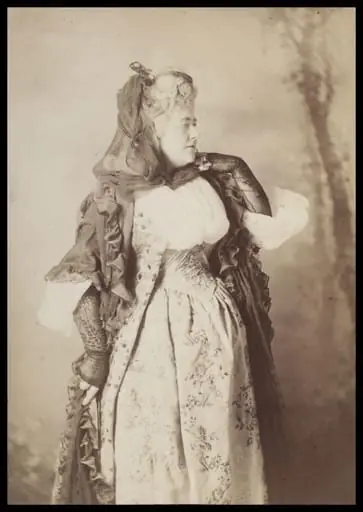
Adelina Patti was one of the most celebrated sopranos of the Victorian era, renowned across Europe and America. Her portrait, like those of other leading performers, served both as a personal memento and a cultural artifact, reflecting the public’s fascination with celebrity. The image captures her in theatrical attire, reinforcing her identity as a stage figure rather than a private individual, aligning with the era’s conventions of performance and public persona.
Technique & Style
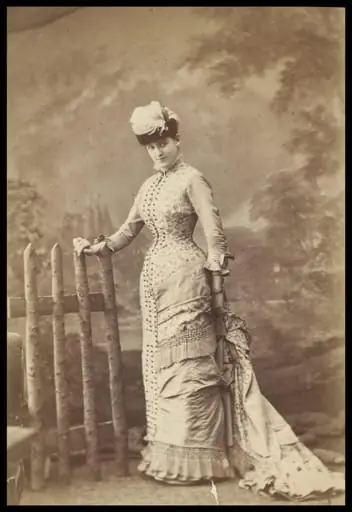
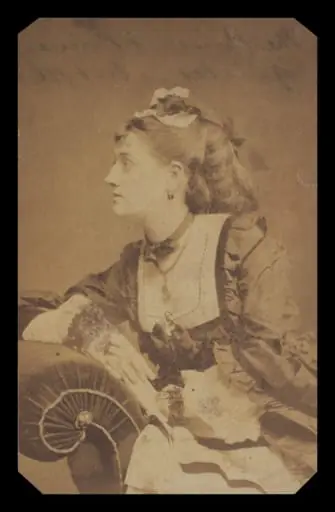
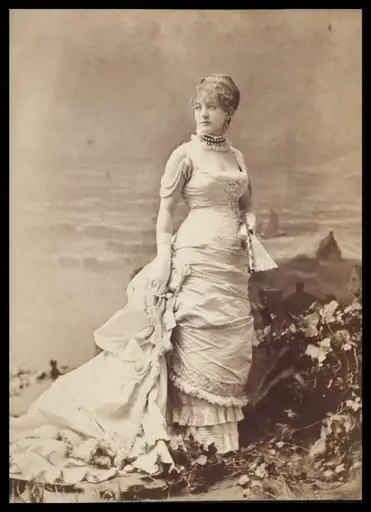
The photograph is an albumen print made from a glass negative, a standard process in mid-to-late 19th-century studio photography. The image was printed on thin paper and affixed to a stiff card backing, bearing the photographer’s imprint. Lighting and composition follow the formal conventions of the time: soft focus, controlled pose, and minimal background detail, all designed to emphasize the subject’s likeness and status.
History & Provenance
The photograph was once part of a personal album compiled by Guy Tristram Little, who collected thousands of such cards and removed them from their original mounts to reorganize them thematically. After his death in 1953, his collection was donated to the V&A. Little was also the executor of Gabrielle Enthoven’s estate, whose theatrical memorabilia formed the foundation of the museum’s theatre holdings, linking this image to broader institutional efforts to preserve performance history.
Context
Cartes de visite, patented in 1854, became a mass phenomenon in the 1860s, enabling the public to collect images of celebrities, royalty, and landmarks. By the 1870s, they were gradually supplanted by cabinet cards, which offered greater detail and durability. This shift mirrored broader changes in photography’s accessibility and the public’s evolving tastes in visual culture, transforming portraits from luxury items into widely circulated objects of everyday interest.
Legacy
Little’s collection preserved a vast archive of performance-related ephemera that might otherwise have been lost. His systematic assembly of cartes de visite and cabinet cards provided future scholars with a tangible record of 19th-century theatrical culture. The V&A’s acquisition of his holdings ensured the survival of these fragile artifacts, anchoring them within a larger narrative of visual and performing arts history.
Artist & collection
Artist
This 19th-century studio took crisp portraits of London actors on cabinet cards—playbills and lace collars frozen in silver gelatin.

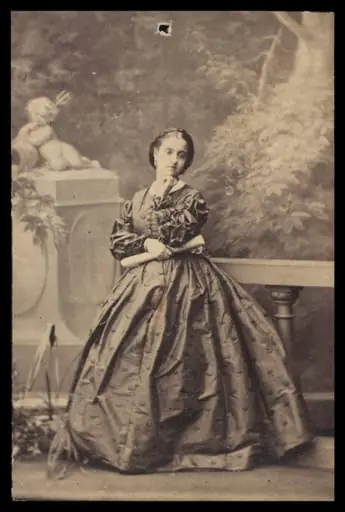 Guy Little Theatrical Photograph
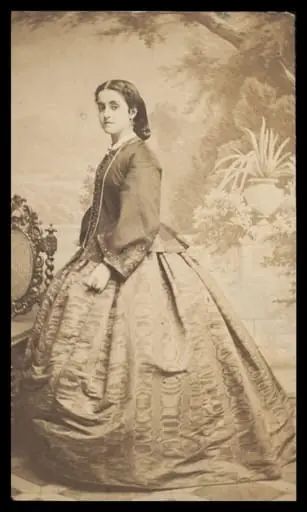 Guy Little Theatrical Photograph
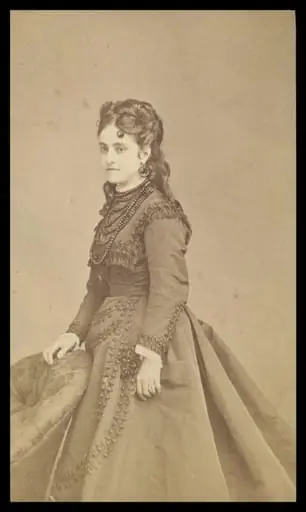 Guy Little Theatrical Photograph
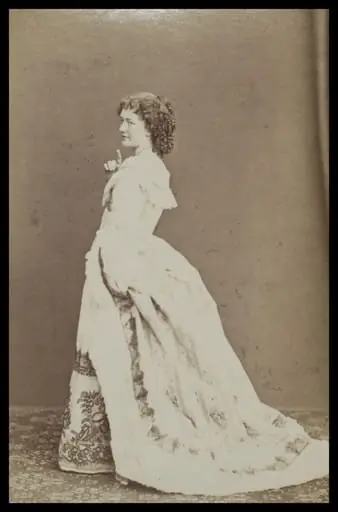 Guy Little Theatrical Photographs
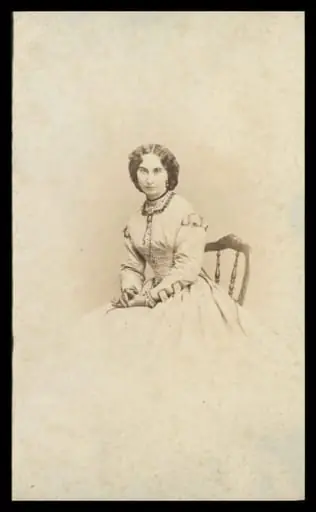 Guy Little Theatrical Photograph
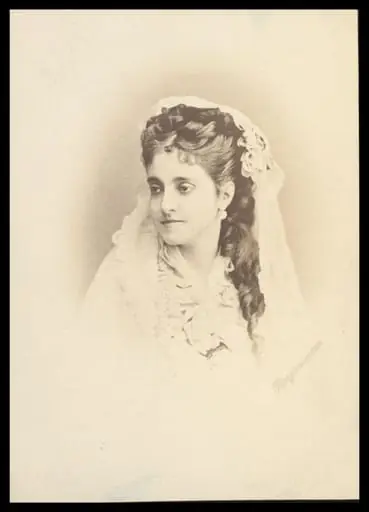 Guy Little Theatrical Photograph
 Guy Little Theatrical Photograph
 Guy Little Theatrical Photograph
 Guy Little Theatrical Photographs
 Guy Little Theatrical Photograph