Artwork
A Woman from the Arctic
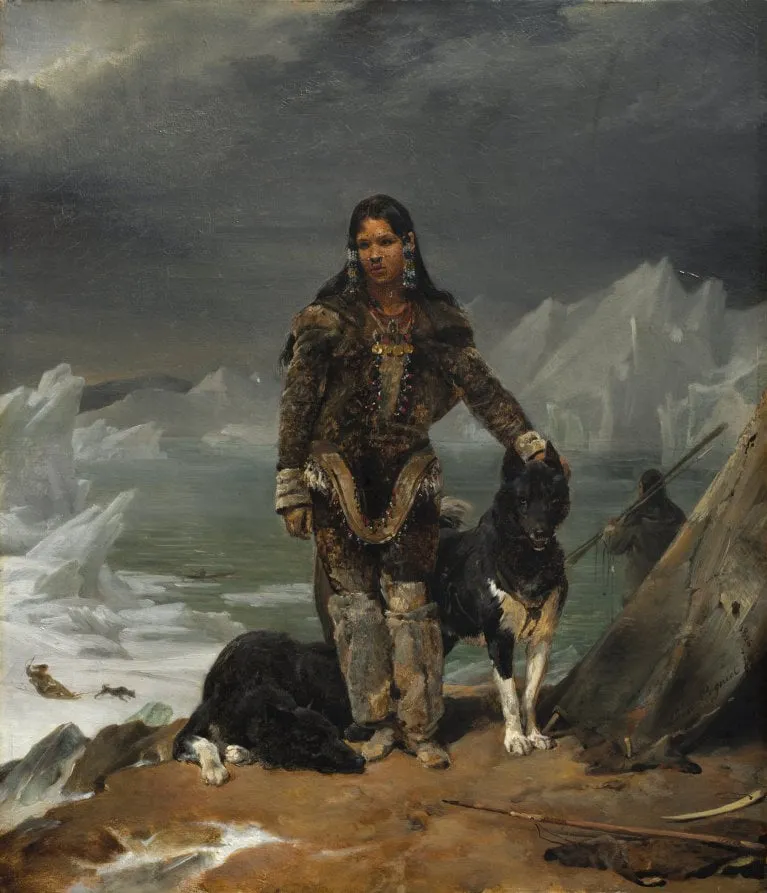
A Woman from the Arctic is an unspecified painting by the French Romanticist artist Léon Cogniet. It dates from 1826 and is held in the collection of the Cleveland Museum of Art.
About this work
This painting shows a woman from the Arctic.
She's dressed in traditional clothing.
The artist likely never met someone from the Arctic, but may have seen people on tour.
The woman's clothing and expression are detailed.
This suggests the artist was careful to get things right.
Check out the work of artist Léon Cogniet (French, 1794–1880) for more like this.
Overview
Léon Cogniet’s 1826 painting depicts a woman from the Arctic, rendered with careful attention to her attire and expression. Though the French artist never visited North America, the work was presented as painted 'after nature' at its exhibition. Its realism stems from direct observation of Inuit individuals who toured Europe, rather than from imagination or secondhand accounts.
Subject & Meaning
The subject is a woman dressed in traditional Arctic garments, her gaze direct and composed.
The subject is a woman dressed in traditional Arctic garments, her gaze direct and composed. The painting does not idealize or exoticize but presents her with quiet dignity. Her identity—likely modeled after George Niakungitok and Mary Coonahnik, Inuit individuals brought to Europe by an American sea captain—grounds the image in a specific historical encounter, reflecting early 19th-century curiosity about distant cultures.
Technique & Style
Cogniet employed a restrained, precise style to render the woman’s fur-lined clothing and facial features. The palette is muted, dominated by grays and earth tones, with subtle contrasts highlighting texture and form. The background suggests a cold, overcast sky and distant ice, possibly inspired by a panoramic display shown alongside the Inuit tour, lending atmospheric context without overt drama.
History & Provenance
The painting was exhibited in Paris in 1826, coinciding with the arrival of two Inuit individuals from Labrador, who toured Europe as part of a commercial spectacle organized by sea captain Samuel Hadlock. Cogniet likely encountered them during their stay, using their presence as a reference. The work emerged from a moment when public fascination with 'exotic' peoples intersected with artistic documentation.
Context
In the 1820s, European audiences were increasingly exposed to people from distant regions through traveling exhibitions. These displays, though often exploitative, provided artists with rare access to authentic dress and physiognomy. Cogniet’s painting reflects this trend, positioning itself as an ethnographic study rather than a romanticized fantasy, aligning with broader scientific and cultural interests of the era.
Legacy
The painting stands as a quiet record of an early cross-cultural encounter, preserved through artistic observation. While Cogniet’s reputation rests largely on historical and academic works, this piece reveals his engagement with contemporary social phenomena. It remains a modest but significant artifact of how European artists responded to the visibility of Indigenous peoples in urban centers during the early 19th century.
Artist & collection
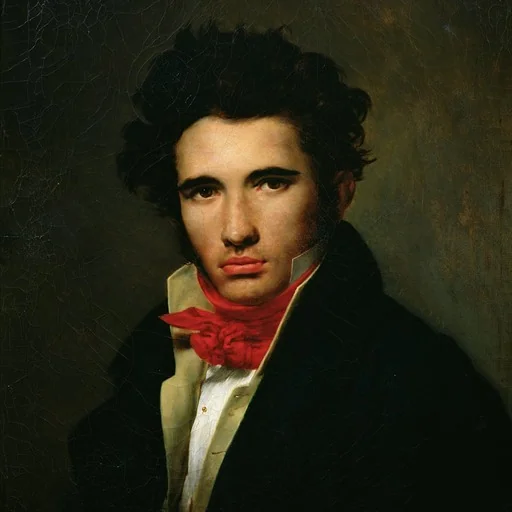
Artist
Léon Cogniet (29 August 1794 – 20 November 1880) was a French history and portrait painter. He is probably best remembered as a teacher, with more than one hundred students, some of them notable.

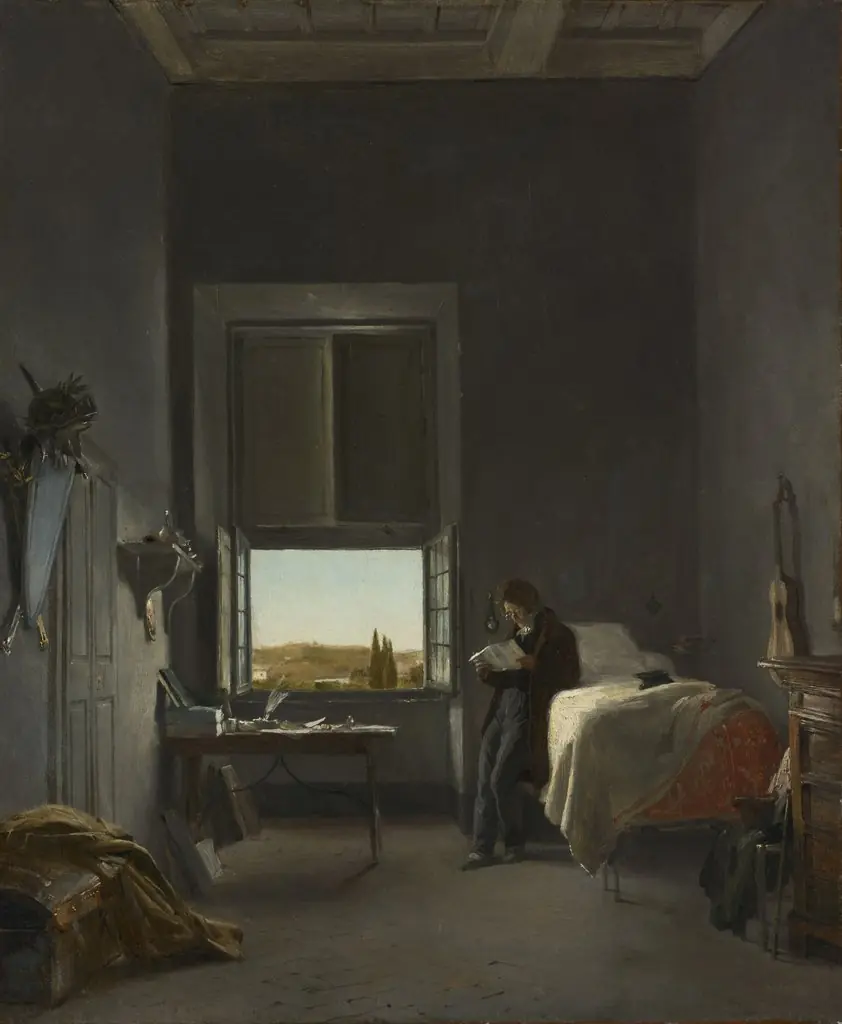 The Artist in His Room at the Villa Medici, Rome
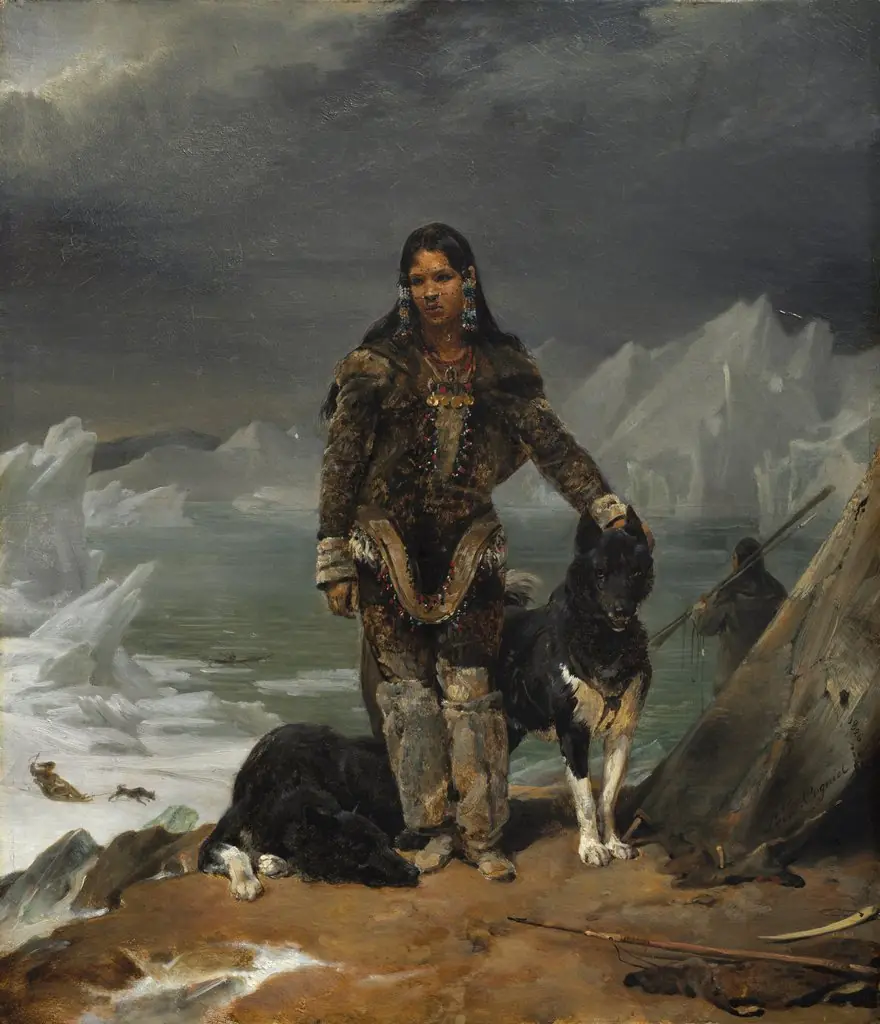 A Woman from the Land of Eskimos
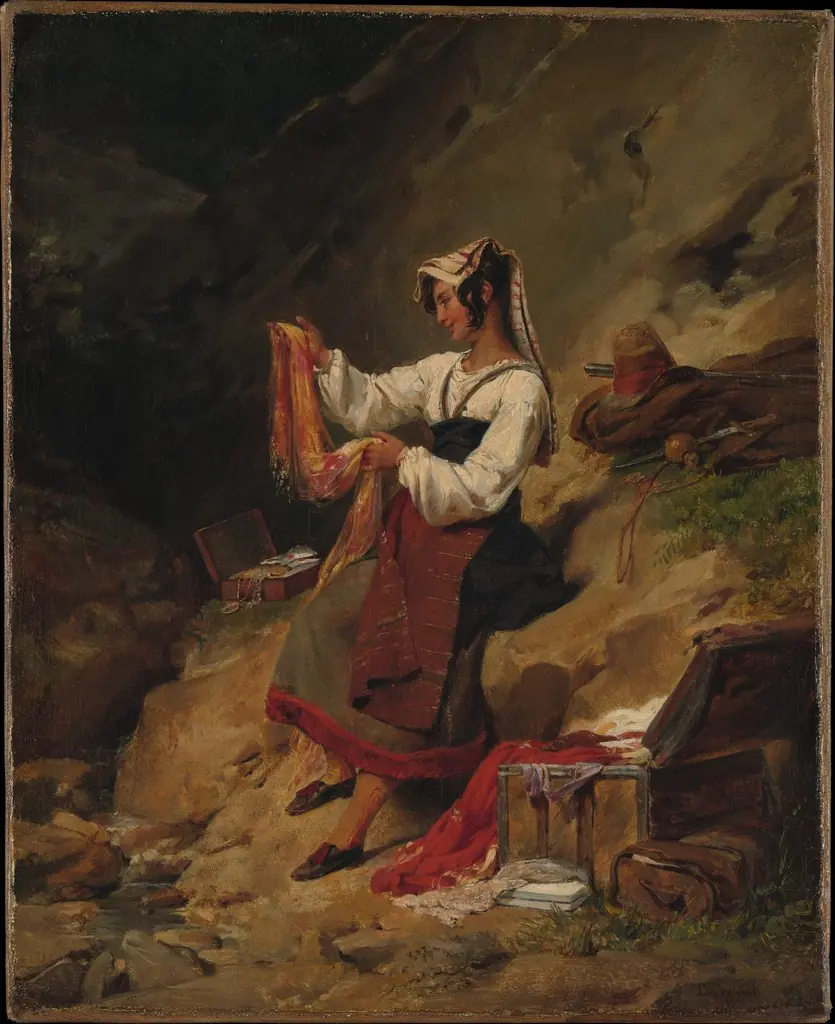 The Italian Brigand's Wife
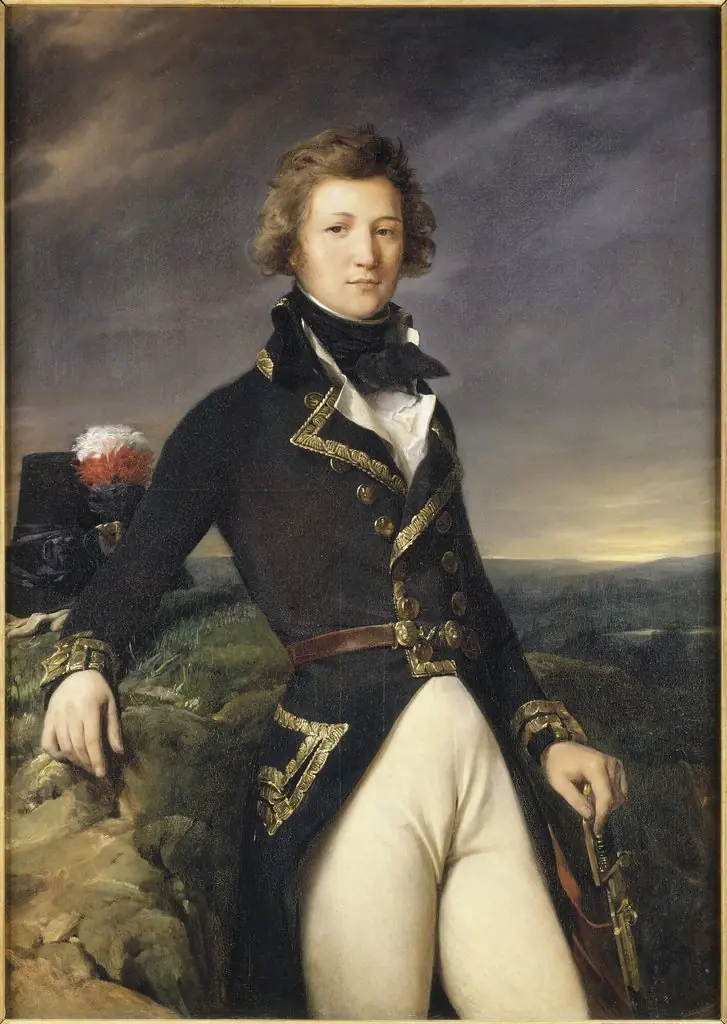 Louis-Philippe d'Orléans, then Duke of Chartres
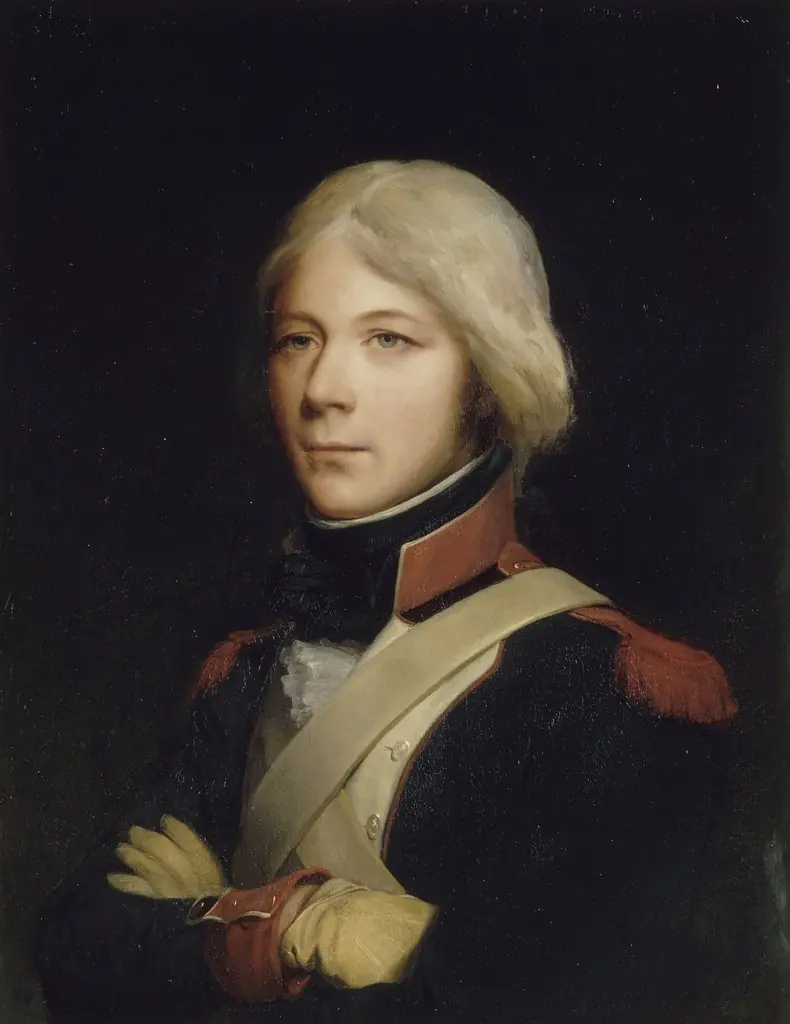 Nicolas-Joseph Maison, Marshal of France
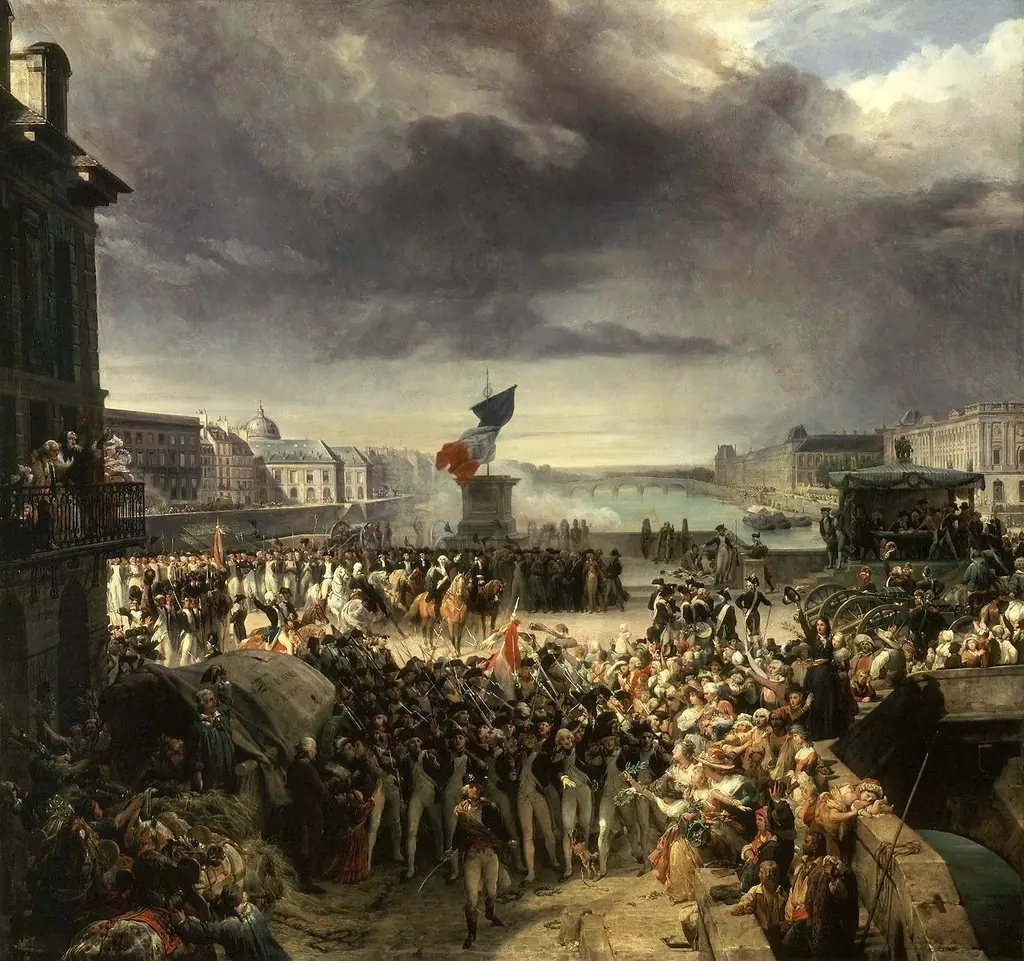 The National Guard of Paris Departs for the Army
 Two Dapple-Gray Horses Exercising (Deux chevaux gris pommele que l'on promene)
 Flemish farrier
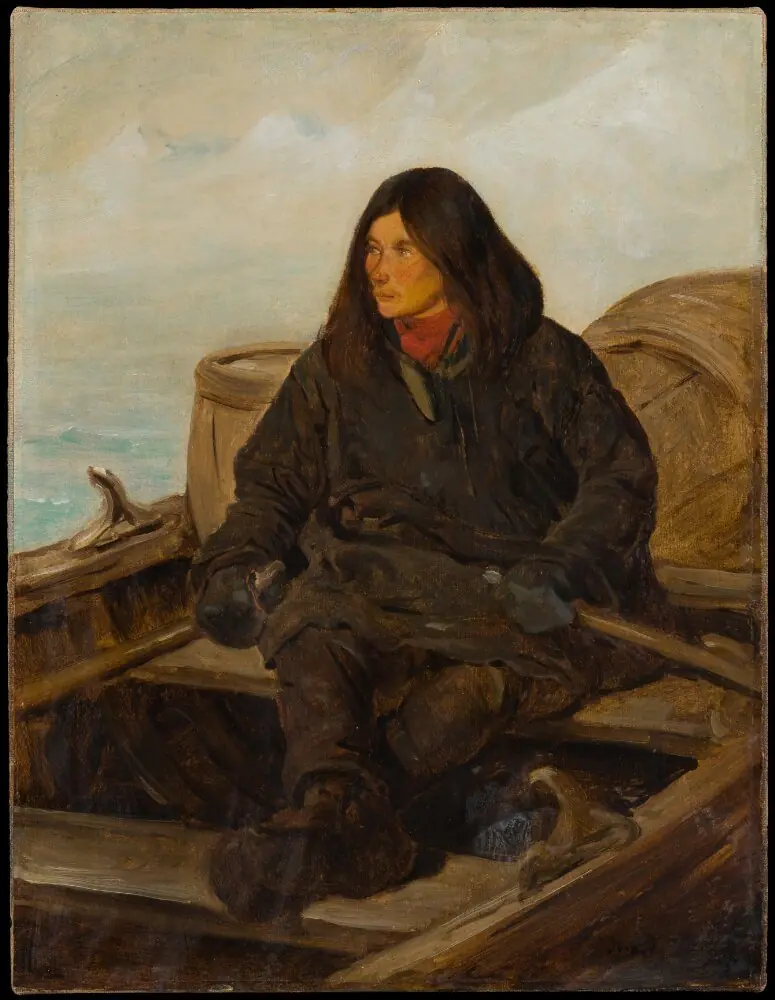 Young Lapp Rowing. Study
 Midnatsstemning ved den grønlandske kyst
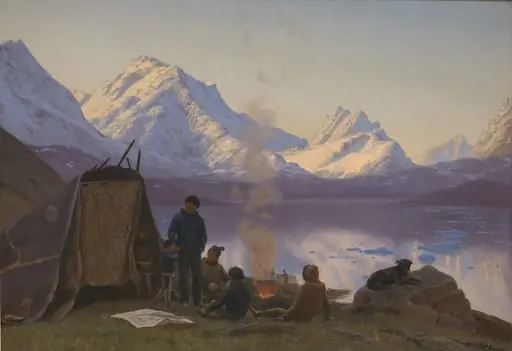 En grønlandsk boplads ved en fjord. Sommer
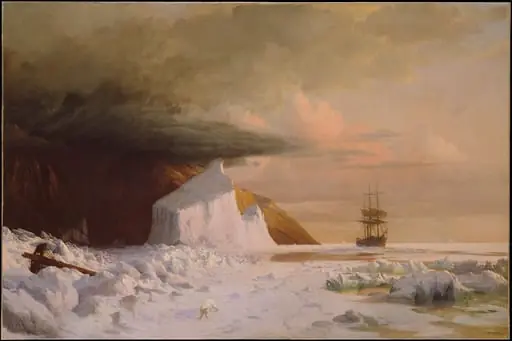 An Arctic Summer: Boring Through the Pack in Melville Bay
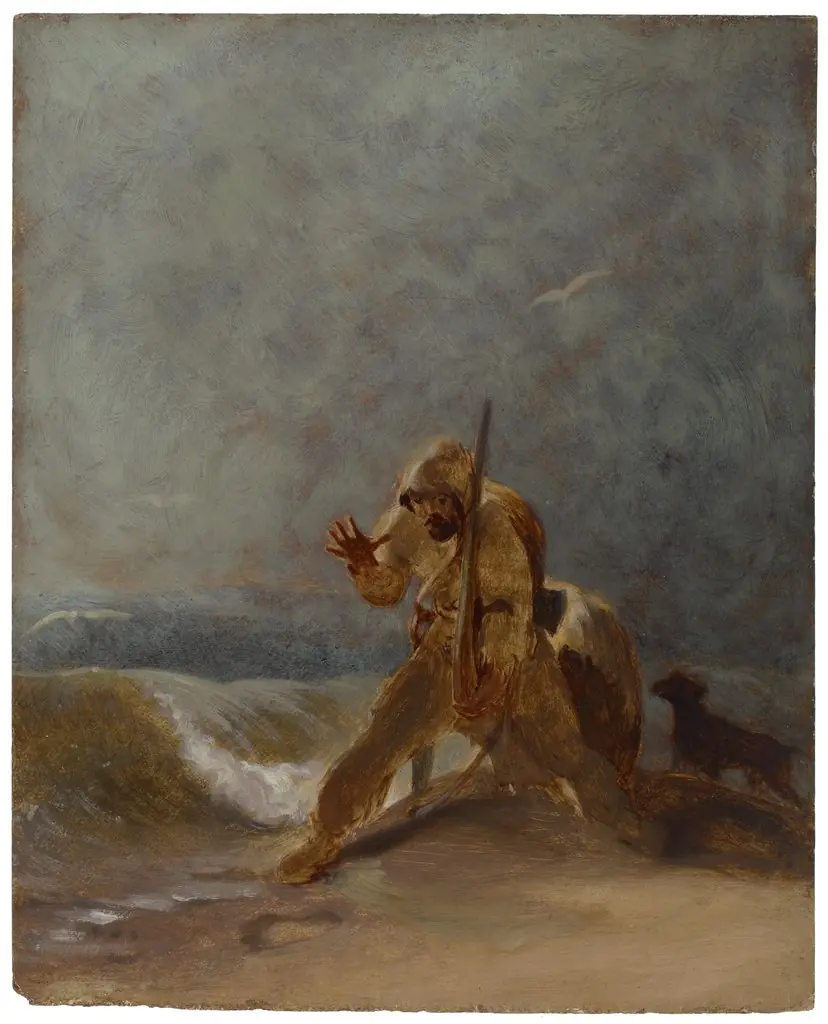 Foot Impression in the Sand
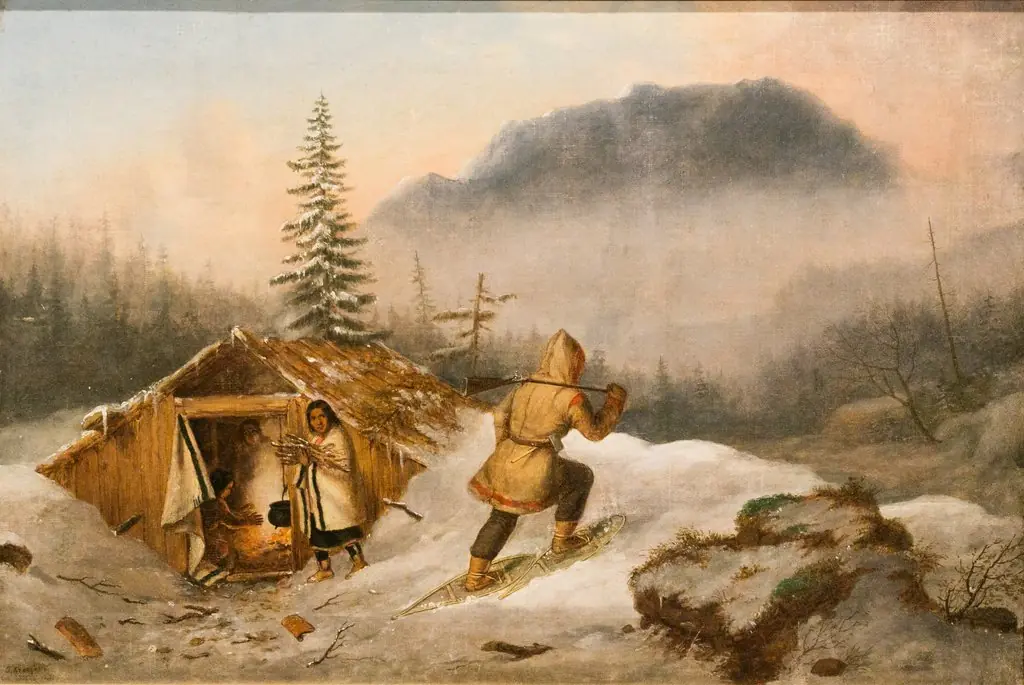 Indian Hunter and His Family
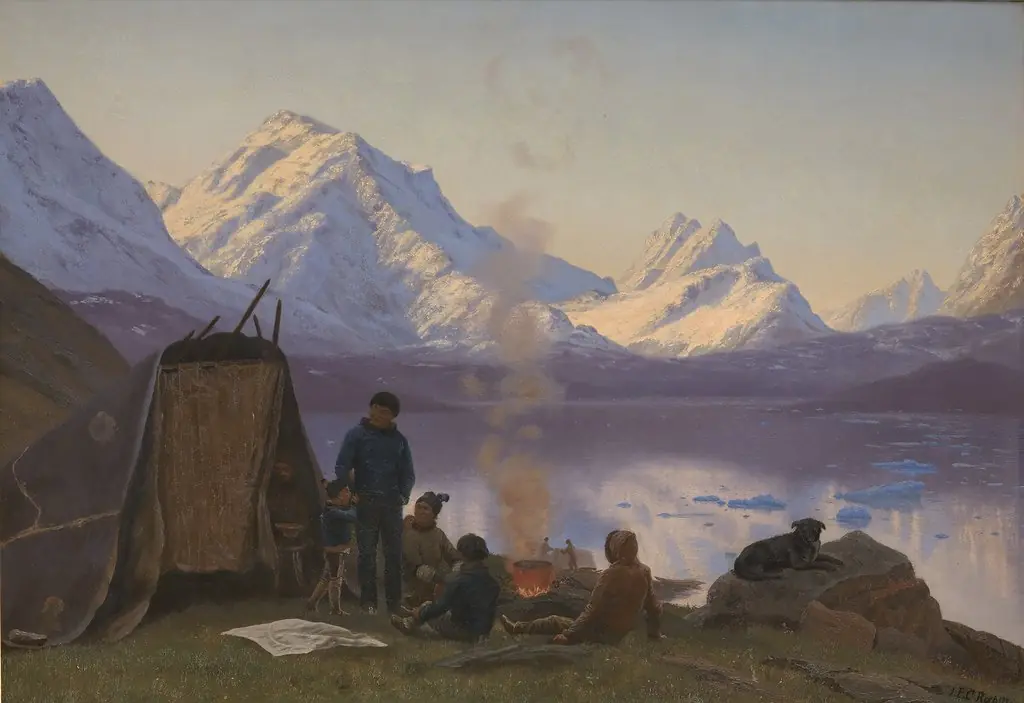 En grønlandsk boplads ved en fjord. Sommer
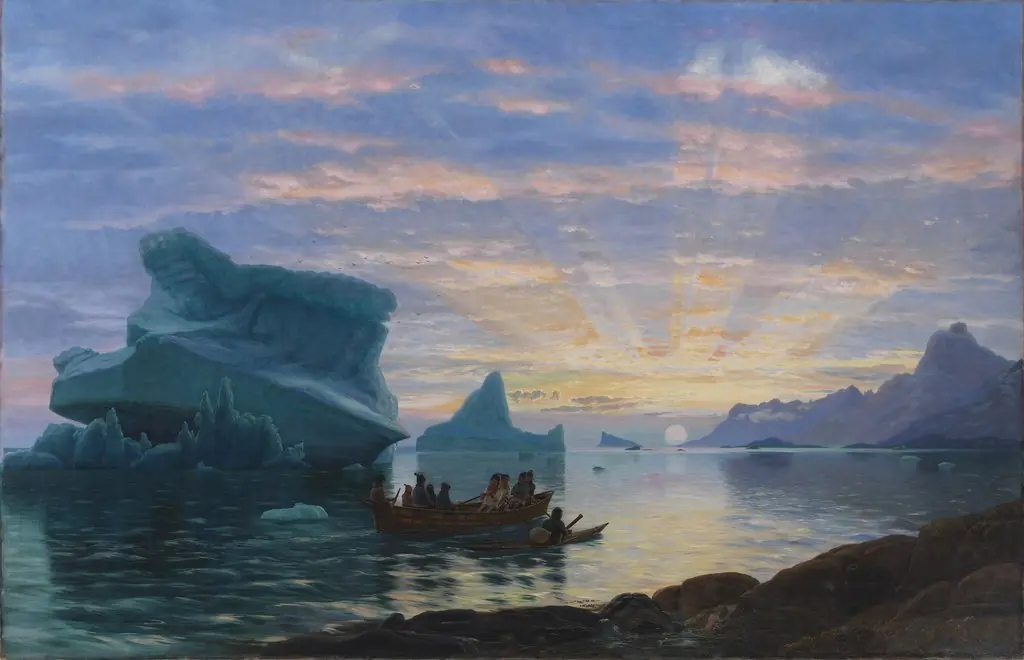 Midnatsstemning ved den grønlandske kyst
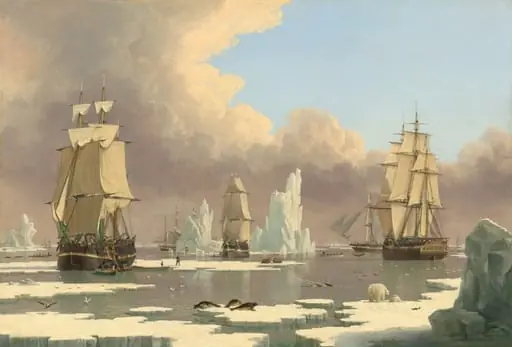 The Northern Whale Fishery: The "Swan" and "Isabella"
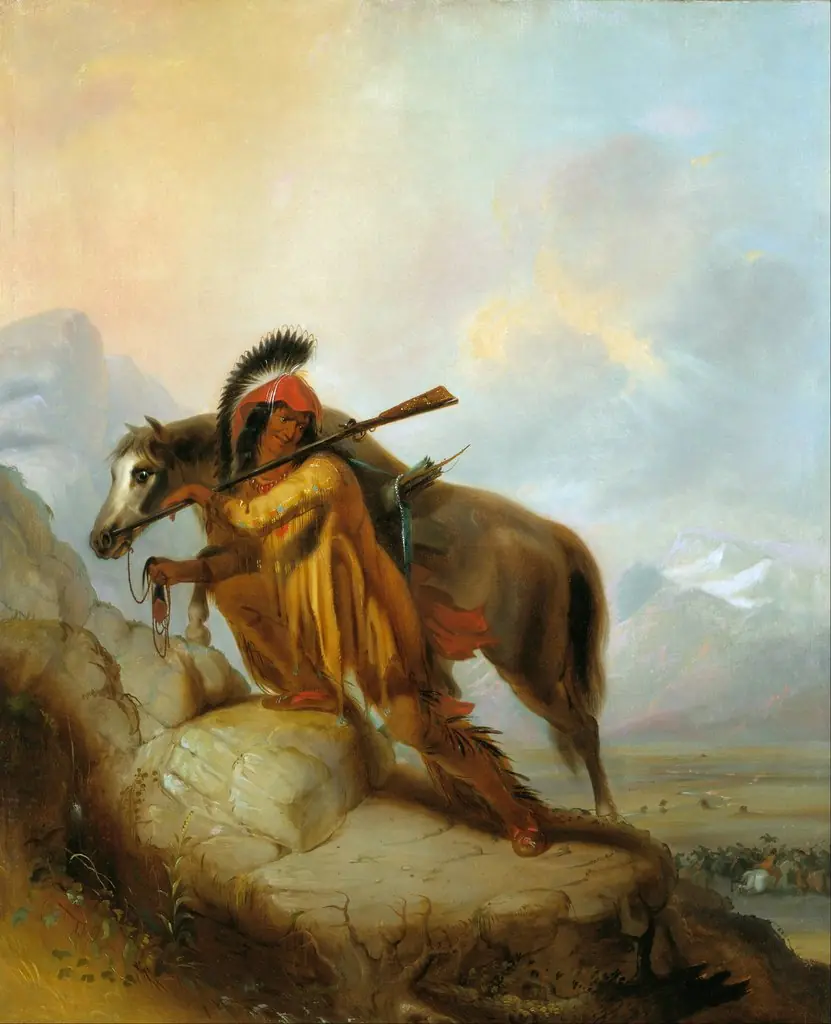 The Scalplock
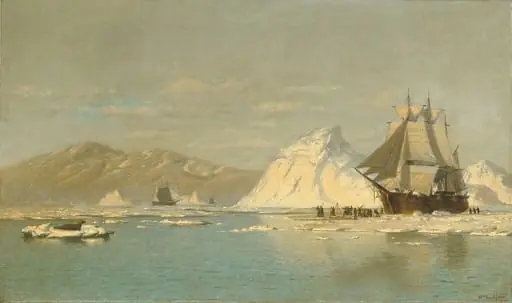 Off Greenland—Whaler Seeking Open Water