Artwork
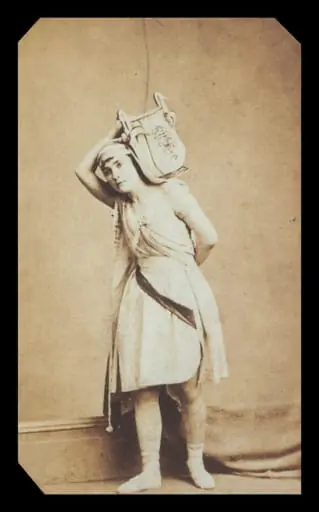
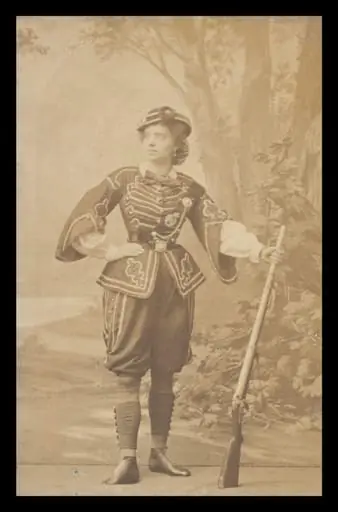
Guy Little Theatrical Photograph
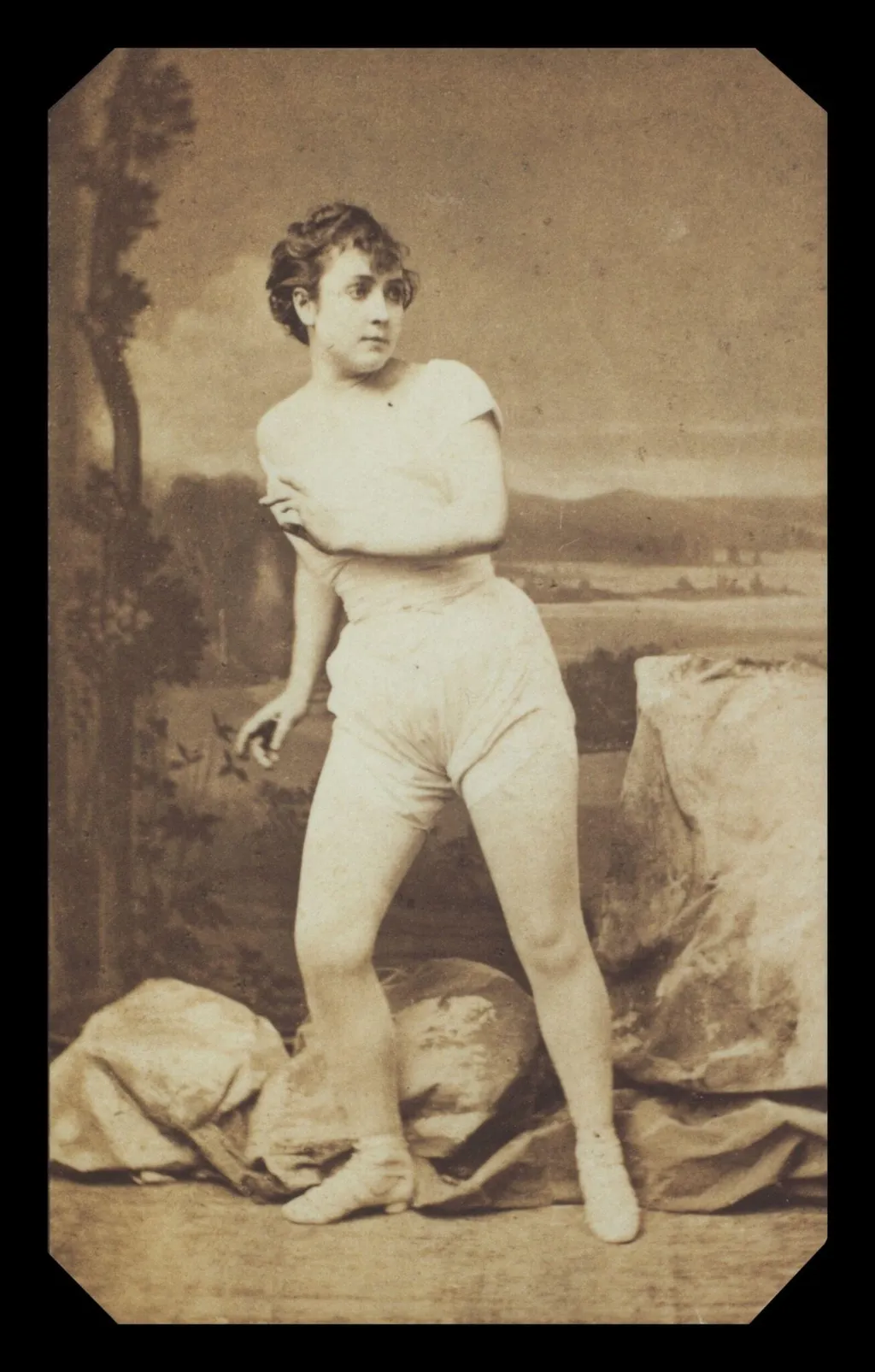
Guy Little Theatrical Photograph is a photographic photography by the Impressionist artist Jean Laurent. It dates from 1864 and is held in the collection of the Victoria and Albert Museum.
About this work
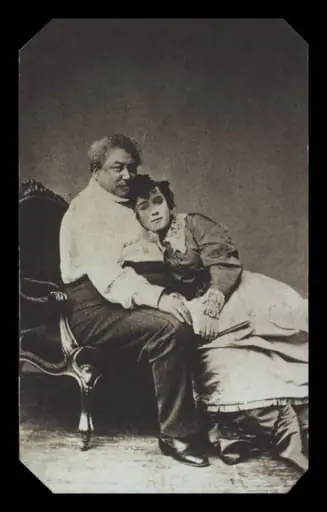
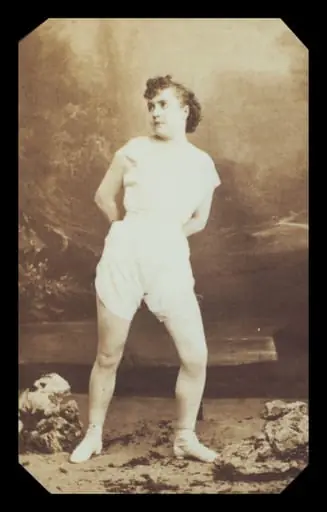
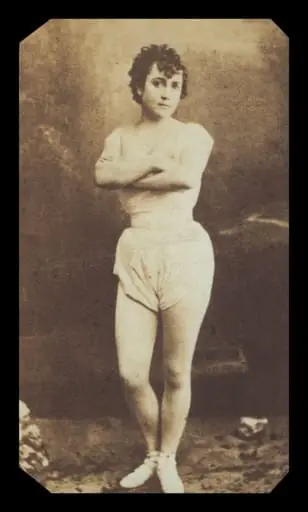
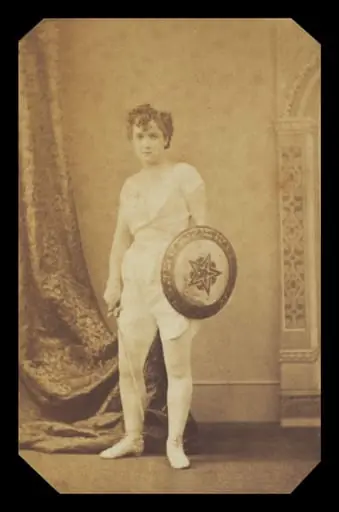
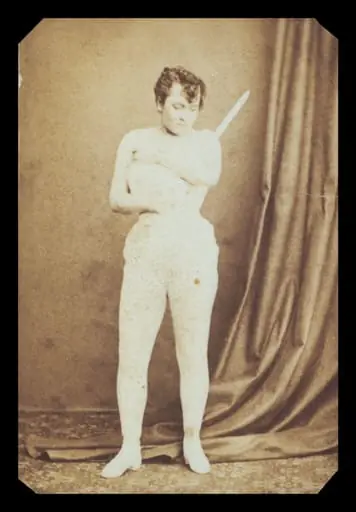
The photograph shows Adah Isaacs Menken as Mazeppa in Mazeppa at Astley's Theatre.
It was taken by Jean Laurent in October 1864.
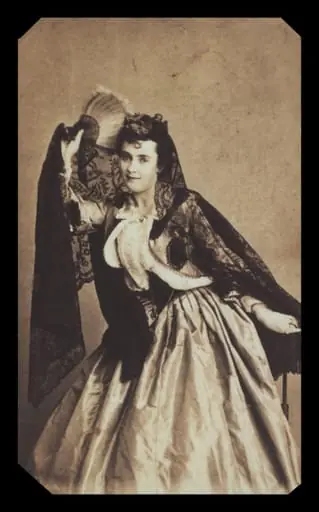
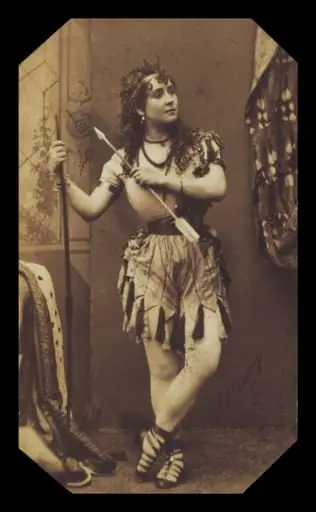
This photo is part of a collection of 'cartes de visite', which were popular in the 1860s.
People collected these small photos, often of actors or scenic views.
Check out the movement Realism to learn more about this style of photography.
Overview
The image is a mid‑19th‑century photographic portrait of the actress Adah Isaacs Menken in her role as Mazeppa, taken during a performance at Astley’s Theatre. The picture was produced by French photographer Jean Laurent in October 1864 and originally issued as a small “carte de visite,” a popular format for collectible portrait cards in Victorian Britain.
Subject & Meaning
Menken, renowned for her daring stage presence, is depicted in costume as the legendary Ukrainian hero Mazeppa, a role that emphasized dramatic movement and emotional intensity. The photograph captures both the theatrical costume and the actress’s expressive bearing, offering a visual record of 1860s performance culture and the public’s fascination with celebrity personas.
Technique & Style
Printed as an albumen paper from a glass negative, the carte de visite measures roughly the size of a visiting card. The albumen process, standard in the 1860s, yields a glossy surface and fine detail, allowing the texture of the costume and facial features to be rendered with clarity despite the small format.
History & Provenance
The card was part of a larger assemblage of cartes de visite and later cabinet cards collected by solicitor Guy Tristram Little (d. 1953). Little, an avid collector of ephemera, removed the images from their original card backs and mounted them in albums before bequeathing the collection to the Victoria and Albert Museum, where they now reside in the Theatre Collections.
Context
During the 1860s, cartes de visite became a fashionable means of sharing portraits of notable figures, scenic views, and artworks. Their mass production coincided with the rise of photography as a commercial enterprise, allowing theatre audiences to acquire images of favourite performers and thereby extending the reach of stage productions beyond the auditorium.
Artist & collection
Artist
Jean Laurent carried a camera the way most people carry change—in his pocket, always.