Artwork
Cleopatra
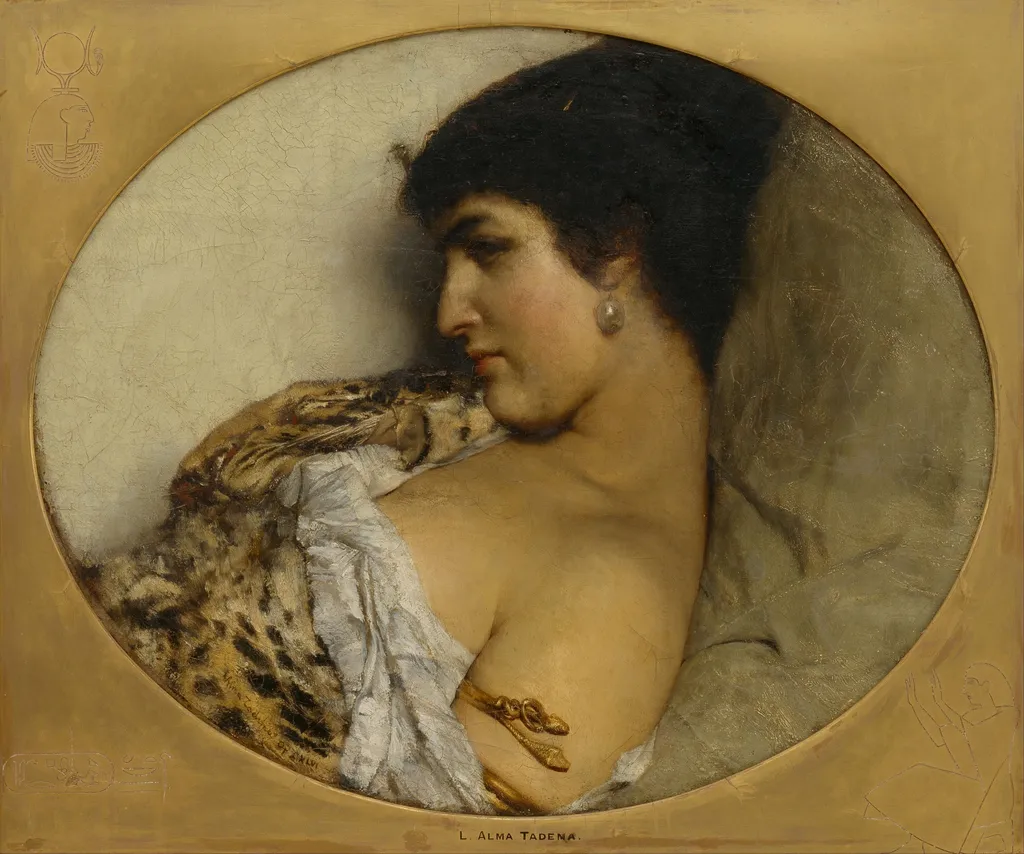
Cleopatra is an oil painting by the Impressionist artist Lawrence Alma-Tadema. It dates from 1875 and is held in the collection of the Art Gallery of New South Wales.
About this work
Overview
Lawrence Alma‑Tadema’s 1875 oil painting titled *Cleopatra* presents the Egyptian queen in an intimate interior. The composition centers on a dark‑haired woman wearing an off‑the‑shoulder white garment, a large earring, and a leopard draped across her left shoulder, set against a pale wall. The work is part of the collection of the Art Gallery of New South Wales.
Subject & Meaning
The figure is identified as Cleopatra, evoking the exotic allure associated with the last ruler of Ptolemaic Egypt. The presence of the leopard and the sumptuous attire underscore themes of power, sensuality, and the opulent courtly environment that have long fascinated Western audiences.
Technique & Style
Executed in oil on canvas, the painting demonstrates Alma‑Tadema’s meticulous realism combined with a focus on light and brushwork that hints at impressionistic influences. Fine detailing renders the fabric, animal fur, and jewelry with clarity, while the softened background enhances the figure’s prominence.
History & Provenance
Born in the Netherlands and trained at the Royal Academy of Antwerp, Alma‑Tadema settled in London in the early 1870s. He completed *Cleopatra* five years after his relocation. The canvas later entered the holdings of the Art Gallery of New South Wales, where it remains on display.
Context
Alma‑Tadema was renowned for historical subjects that celebrated classical antiquity and Roman luxury. *Cleopatra* fits within this oeuvre, reflecting the Victorian era’s fascination with ancient civilizations and the artist’s penchant for richly staged, historically themed scenes.
Artist & collection
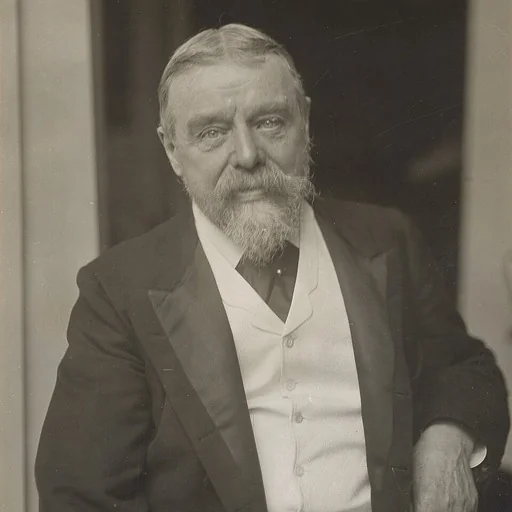
Artist
Sir Lawrence Alma-Tadema ( AL-mə TAD-ay-mə; born Lourens Alma Tadema, Dutch: ; 8 January 1836 – 25 June 1912) was a Dutch painter who later settled in the United Kingdom, becoming the last officially recognised denizen in 1873.