Artwork
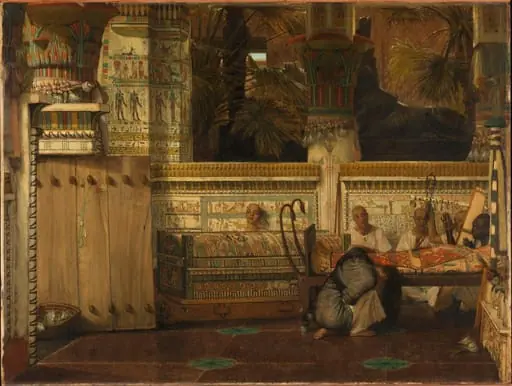
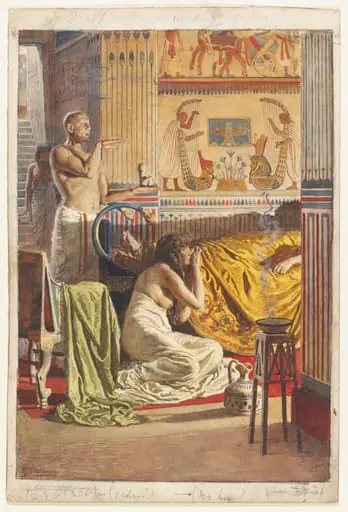
The Egyptian Widow
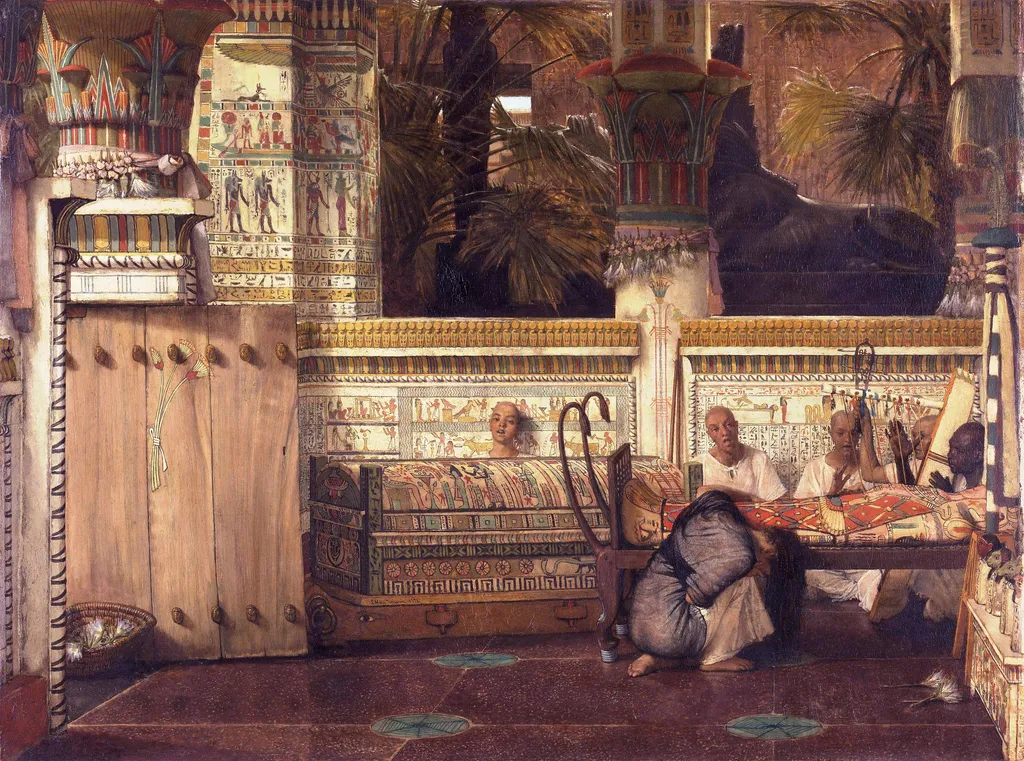
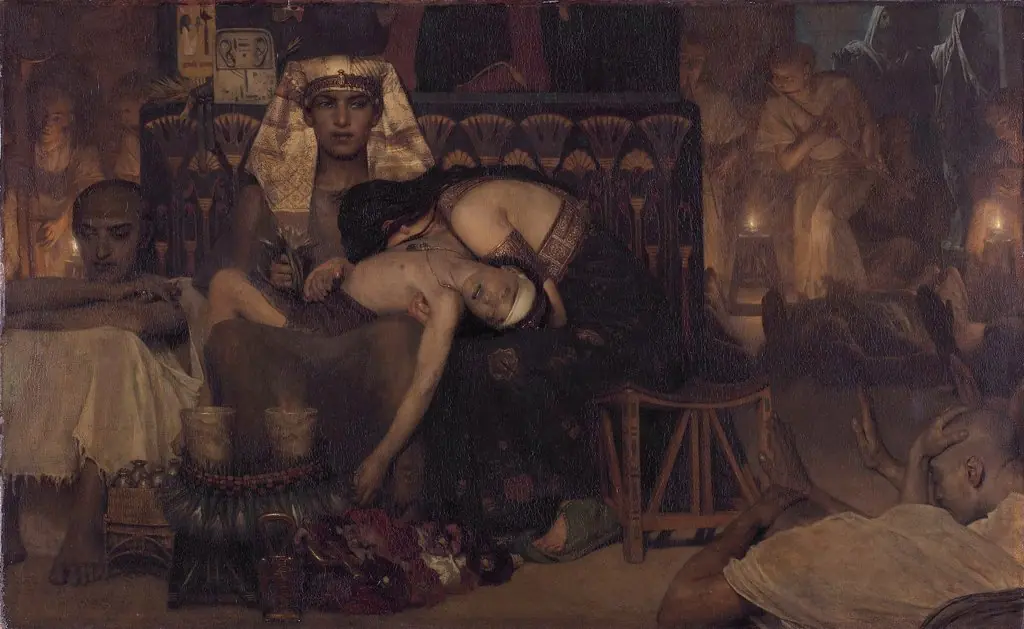
The Egyptian Widow is an oil painting by the Impressionist artist Lawrence Alma-Tadema. It dates from 1872 and is held in the collection of the Rijksmuseum.
About this work
Overview
The Egyptian Widow is a 1872 oil painting by Lawrence Alma-Tadema, a Dutch-born artist who later settled in London. It is part of the Rijksmuseum's collection.
Subject & Meaning
The painting depicts a scene of mourning in ancient Egypt, featuring two women in a cluttered, dimly lit room filled with hieroglyphs and symbolic carvings. The artist blended historical accuracy with imaginative elements, such as a cat with a human face on the bed's carvings.
Technique & Style
Alma-Tadema's work combines realistic representation with fantastical details, showcasing his unique approach to historical subjects. The use of oil paint allows for rich textures and colors, bringing the ancient Egyptian setting to life.
History & Provenance
Lawrence Alma-Tadema trained at the Royal Academy of Antwerp before relocating to London in 1870, where he spent most of his career. The Egyptian Widow was painted two years after his move, and is now held in the Rijksmuseum.
Own this work as a print
Artist & collection
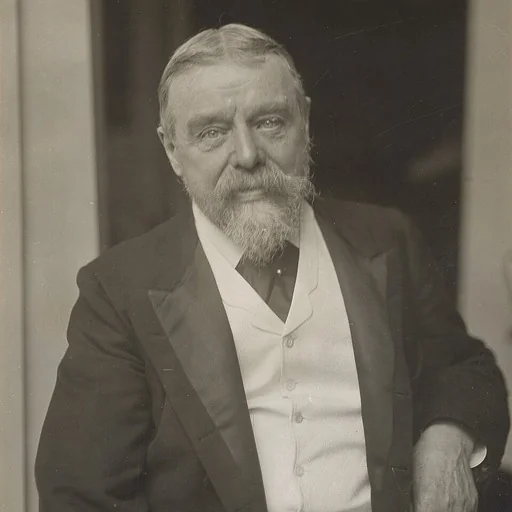
Artist
Sir Lawrence Alma-Tadema ( AL-mə TAD-ay-mə; born Lourens Alma Tadema, Dutch: ; 8 January 1836 – 25 June 1912) was a Dutch painter who later settled in the United Kingdom, becoming the last officially recognised denizen in 1873.