Artwork
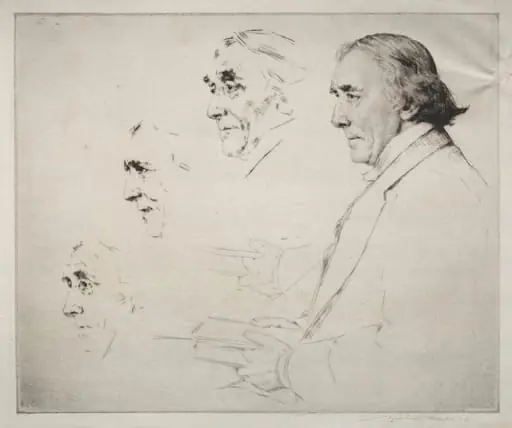
Sir Henry Irving
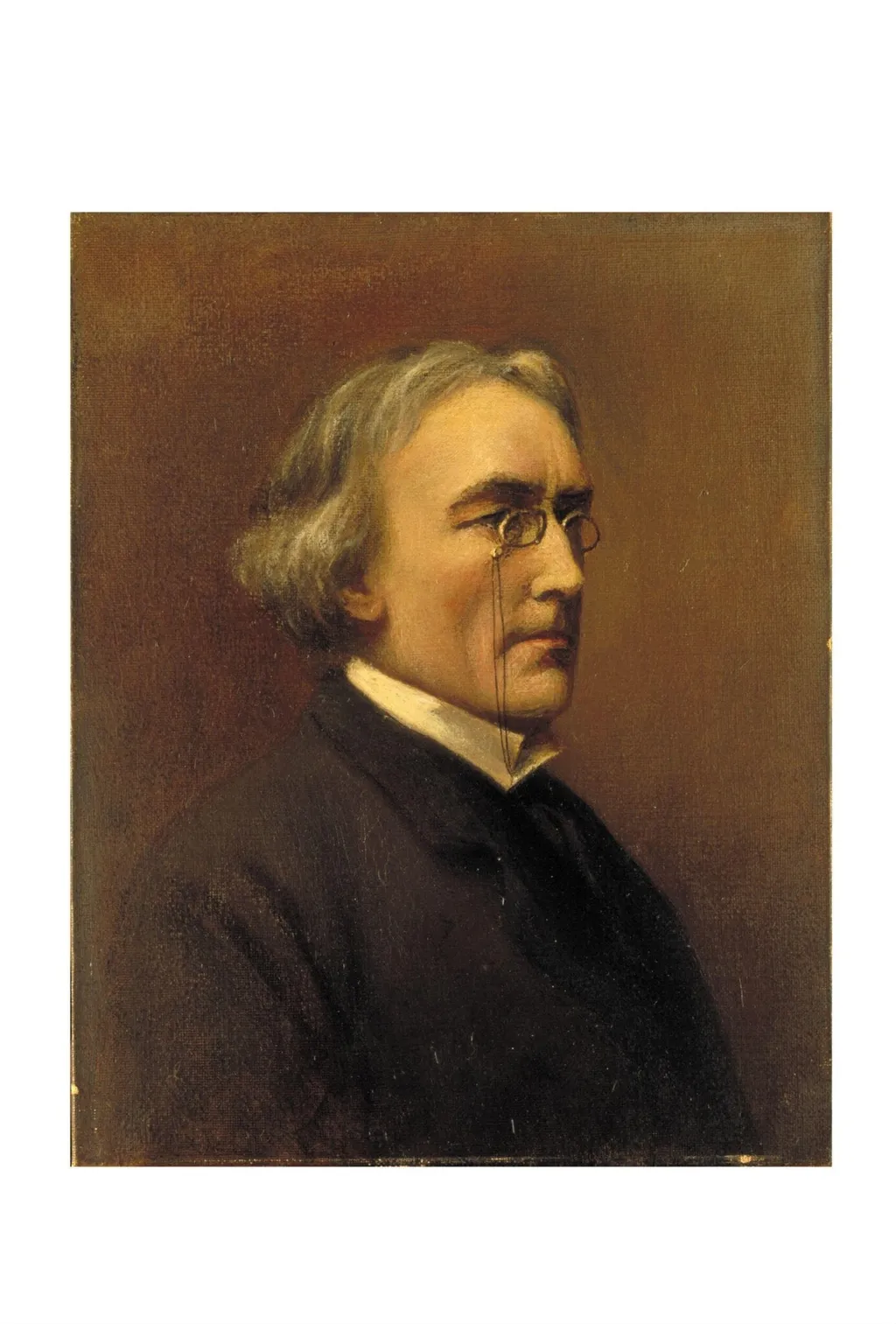
Sir Henry Irving is a paint painting by the Impressionist artist Henry Lawrence. It dates from 1899 and is held in the collection of the Victoria and Albert Museum.
About this work
Overview
Painted in 1899 by Henry Lawrence, this oil portrait captures Sir Henry Irving, the renowned Victorian actor, in a half-length composition.
Painted in 1899 by Henry Lawrence, this oil portrait captures Sir Henry Irving, the renowned Victorian actor, in a half-length composition. Set against a muted brown backdrop, the figure is rendered with careful attention to tonal contrast and subtle modeling. The focus remains tightly on Irving’s upper body and face, emphasizing presence over environment, and conveying a quiet intensity through restrained composition.
Subject & Meaning
Sir Henry Irving, celebrated for his Shakespearean roles, is portrayed not in costume but in formal civilian attire, suggesting a moment of personal stillness rather than theatrical performance. His pince-nez glasses and composed expression reflect intellectual gravitas. The lighting and gaze convey introspection, aligning the portrait with the era’s reverence for the actor as a serious cultural figure, not merely an entertainer.
Technique & Style
Lawrence employs chiaroscuro to model Irving’s face with soft transitions between light and shadow, enhancing volume without harsh outlines. The brushwork is blended and subtle, particularly in the rendering of skin and fabric. The gray, slightly disheveled hair and the crisp white collar contrast against the dark jacket, reinforcing texture and depth through tonal variation rather than detail.
History & Provenance
Commissioned during Irving’s peak fame, the portrait was likely intended for public or institutional display. It remained in private hands for much of the 20th century before entering a public collection. Its survival in good condition reflects its status as a significant record of a leading figure in British theatre, though its exact provenance prior to the 1950s remains partially undocumented.
Context
In late 19th-century Britain, portraiture of theatrical figures increasingly reflected their elevated social status. Irving, as the first actor knighted, symbolized this shift. Lawrence’s portrait aligns with the trend of depicting performers with the dignity reserved for statesmen or scholars, using traditional academic techniques to affirm their cultural authority beyond the stage.
Legacy
The portrait endures as a visual reference for Irving’s public persona, frequently reproduced in biographies and theatre histories. While not widely exhibited today, it remains a key example of how Victorian portraiture bridged the worlds of high art and celebrity, capturing a moment when the actor’s image became a subject worthy of formal artistic treatment.
Own this work as a print
Artist & collection
Artist
Henry Lawrence painted portraits around the turn of the 1900s, often capturing figures in the arts.

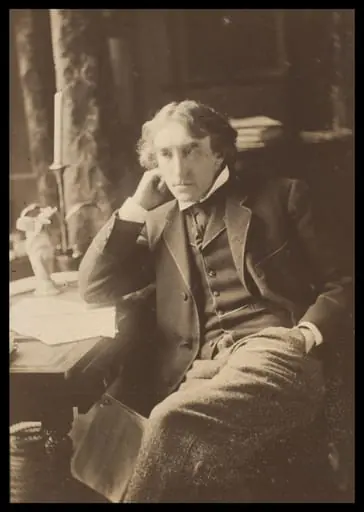 Guy Little Theatrical Photograph
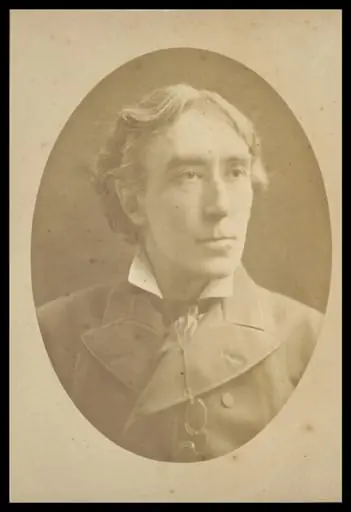 Guy Little Theatrical Photograph
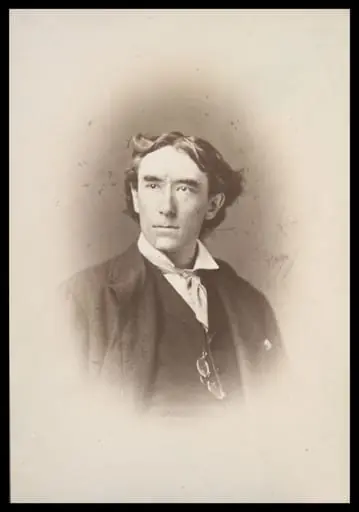 Guy Little Theatrical Photograph
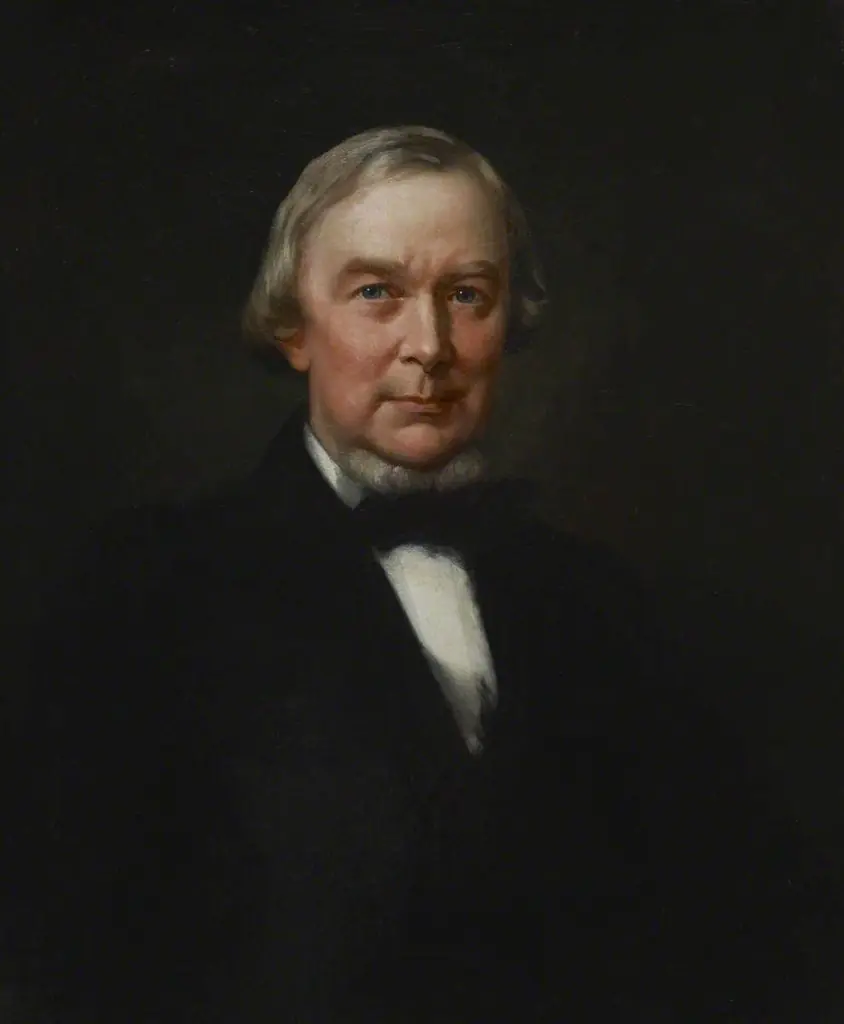 John Winter Jones (1805–1881), Principal Librarian (1866–1878)
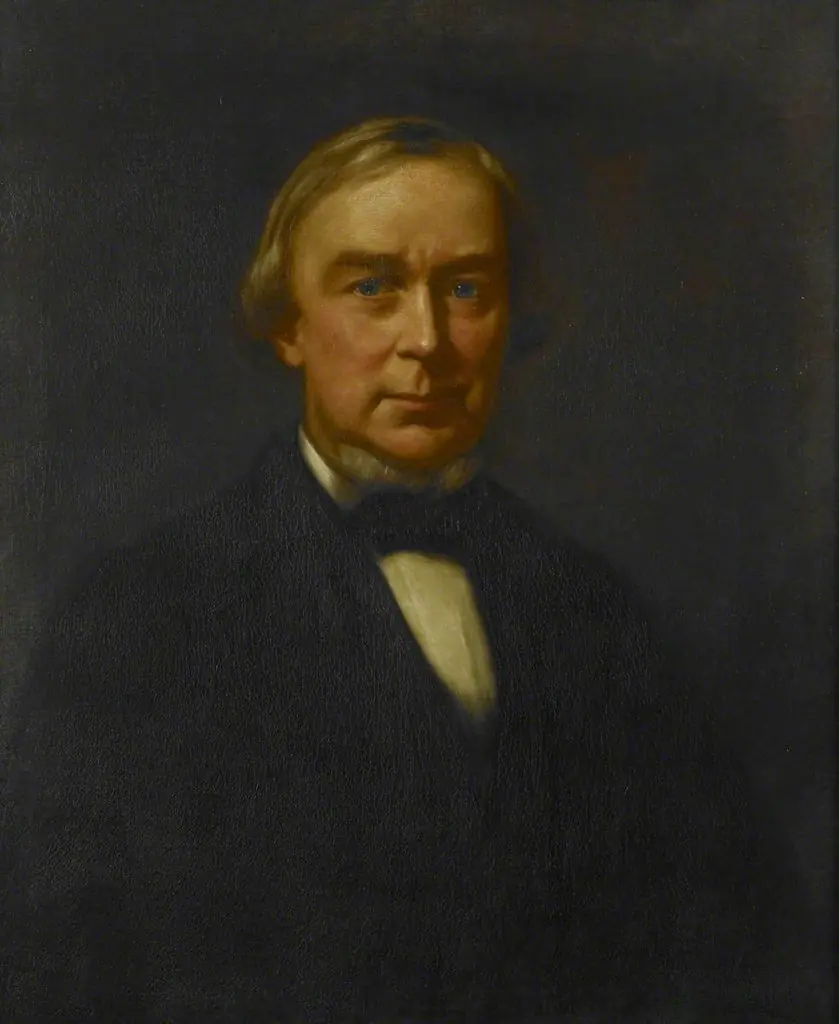 John Winter Jones (1805–1881), Principal Librarian (1866–1878) (after William Salter Herrick)
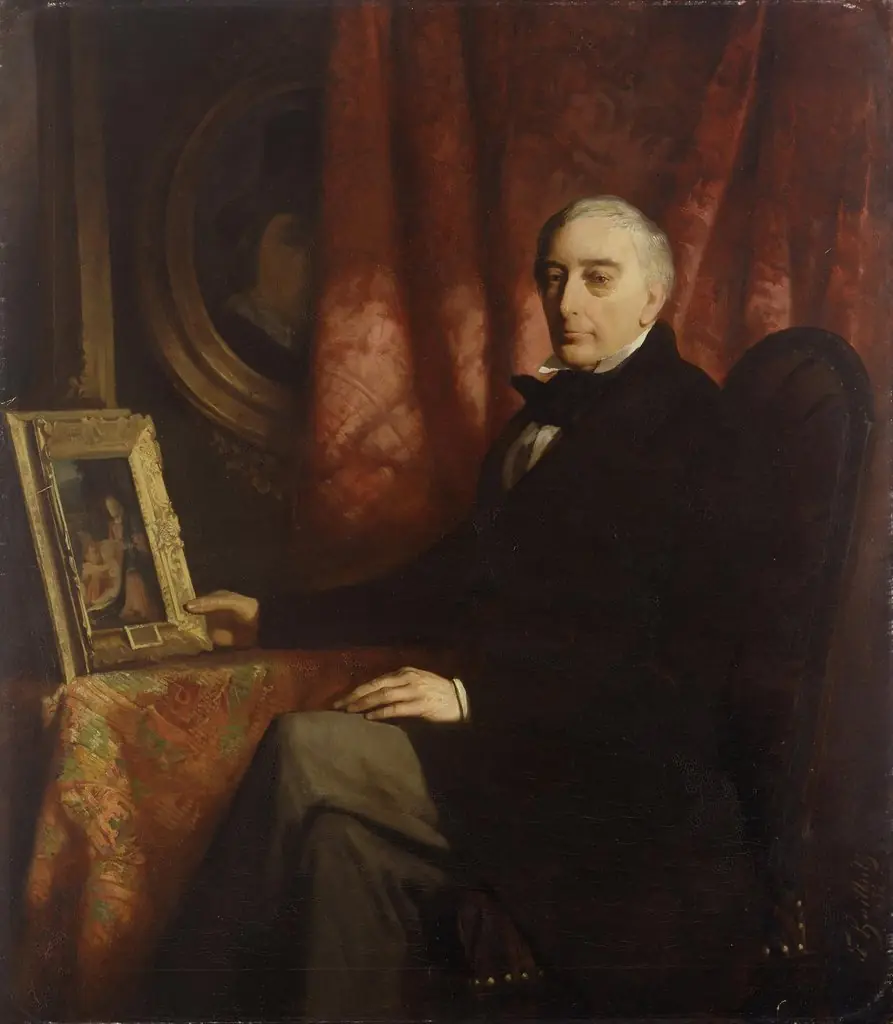 Portrait of the art collector Nicolaus Hudtwalcker
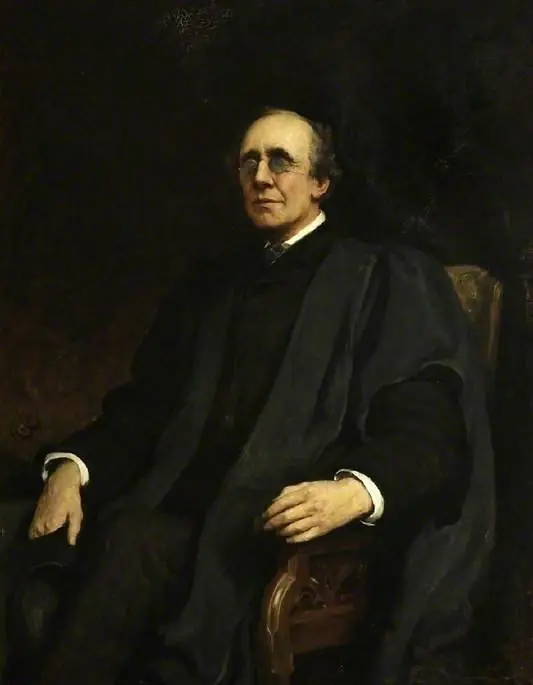 Professor Henry Fawcett
 Dudley Williams
 Selbstporträt
 Parchedig J. Thomas
 Portrait of William Rolleston
 Sir Henry Irving