Artwork
Guy Little Theatrical Photograph
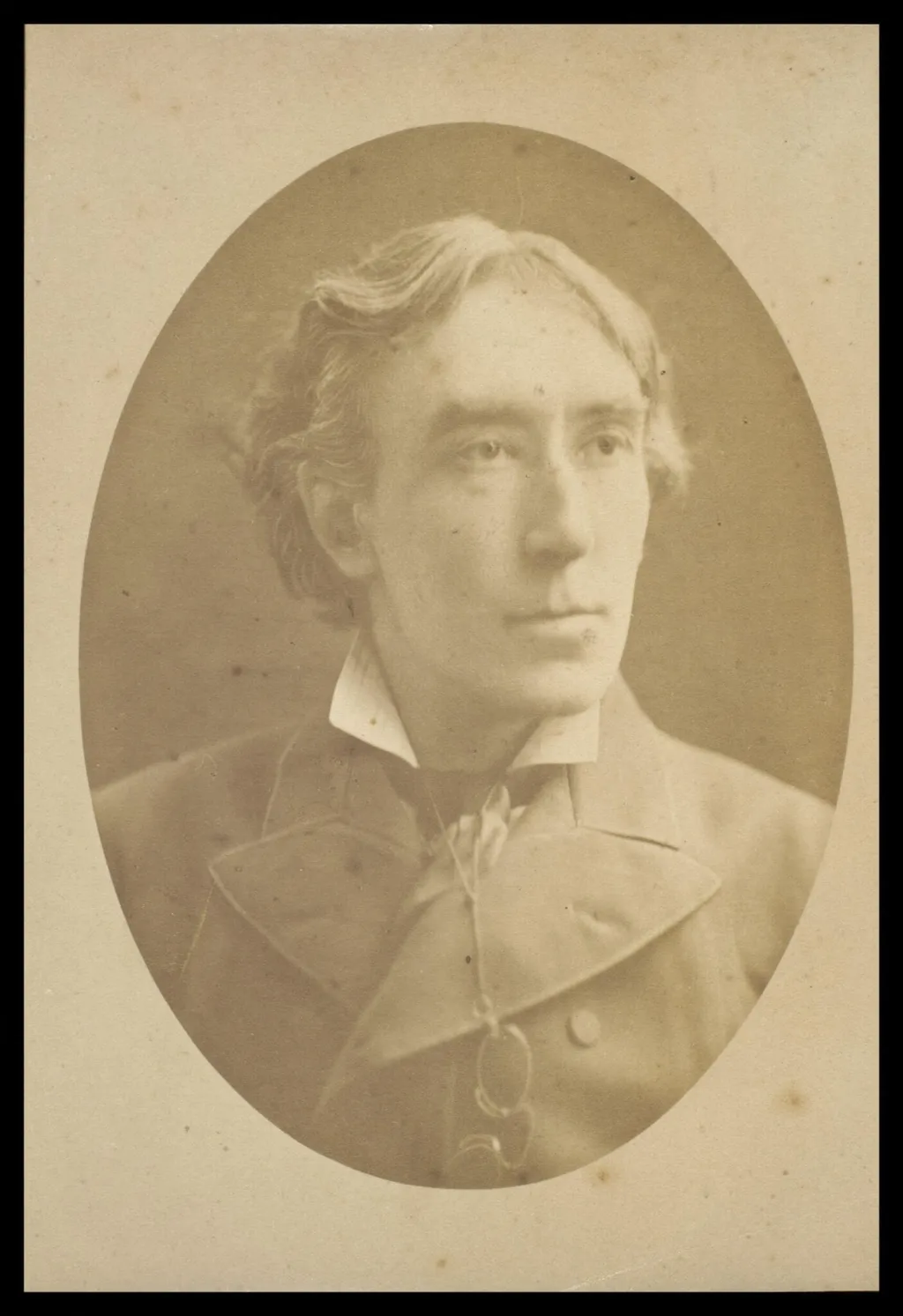
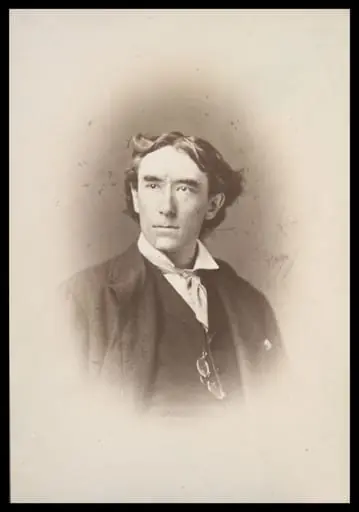
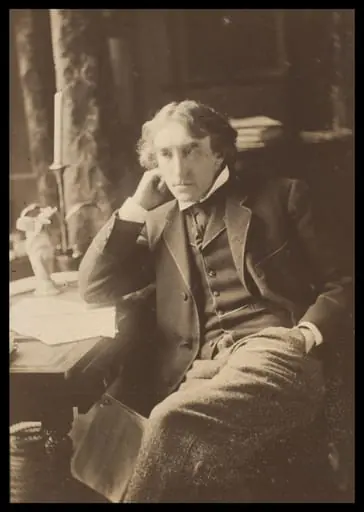
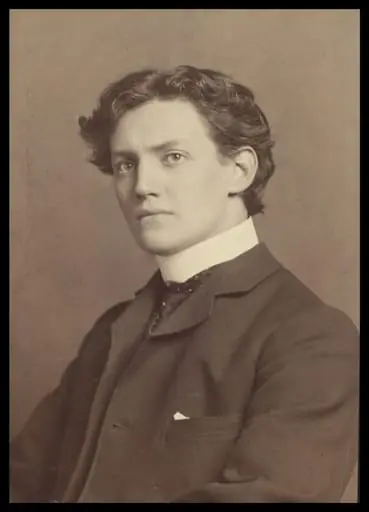
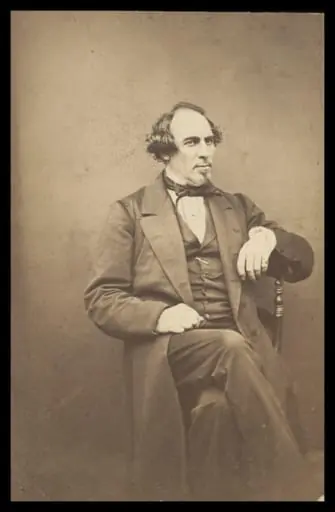
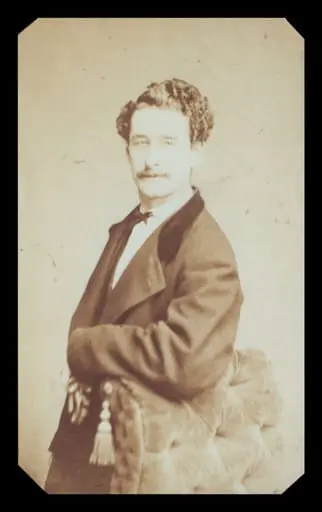
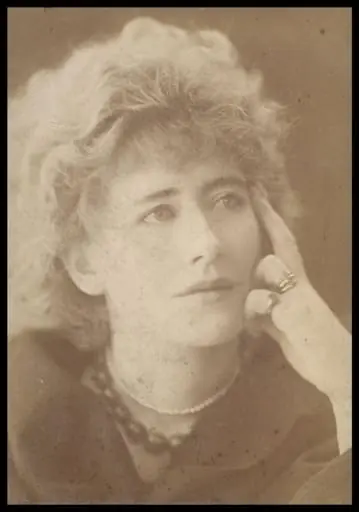
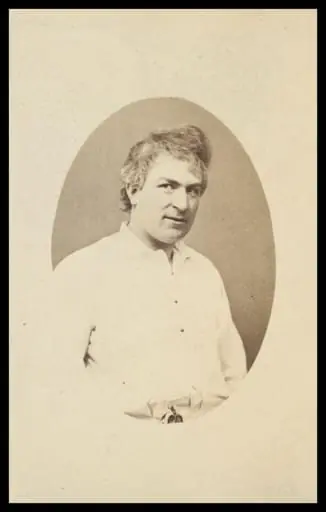
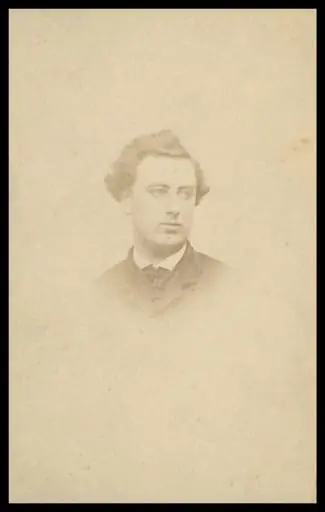
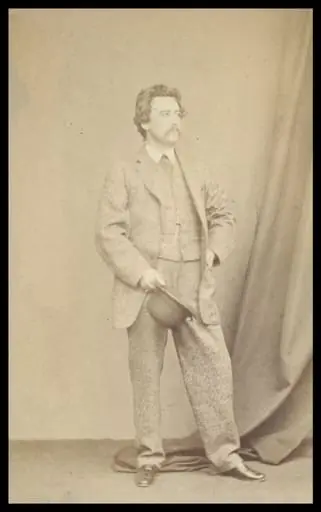
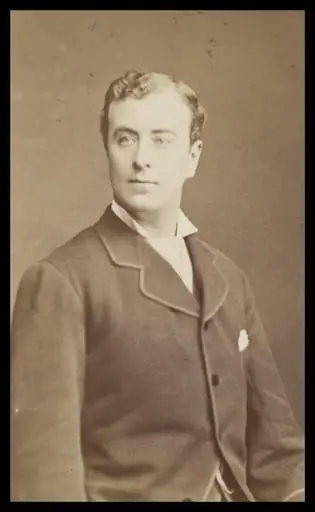
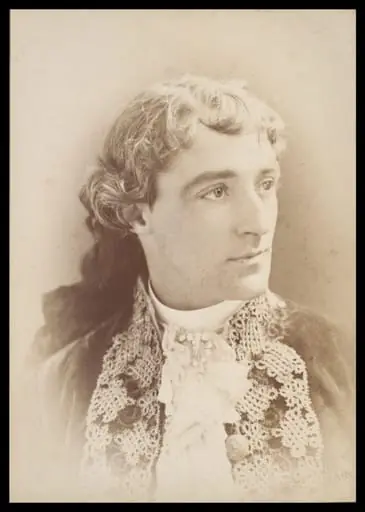
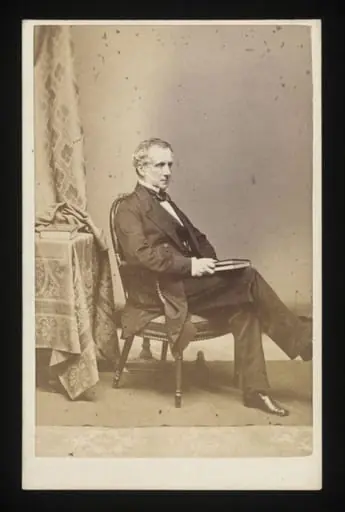
Guy Little Theatrical Photograph is a photographic photography by Louis Bertin. It dates from 1850 and is held in the collection of the Victoria and Albert Museum. This 19th-century photograph depicts Henry Irving, a prominent actor of the time, in a theatrical context.
About this work
Overview
This 19th-century photograph depicts Henry Irving, a prominent actor of the time, in a theatrical context. The image is a 'cabinet card', a popular photographic format during the 1870s.
Subject & Meaning
The subject, Henry Irving, was a celebrated actor in Victorian England. The photograph, by capturing him in theatrical attire, reflects the era's fascination with theatre and the emerging culture of celebrity collectibles.
Technique & Style
The photograph was produced using the albumen print process from a glass negative, mounted on stiff card backing, characteristic of 'cabinet cards'. The style, while straightforward in composition, highlights the subject's theatrical persona.
History & Provenance
Originally part of a collection by Guy Tristram Little, a collector and solicitor, the photograph was later bequeathed to the Victoria and Albert Museum (V&A) as part of Little's estate. It was taken by photographer Louis Bertin.
Context
Created in the 1870s, this 'cabinet card' exemplifies the Victorian era's novelty with photography and the public's desire for portable, collectible images of famous figures, akin to modern social media interactions.
Legacy
As part of the V&A's Theatre Collections, initially founded on Mrs. Gabrielle Enthoven's theatrical collection (with Little as her executor), this photograph contributes to the historical record of Victorian theatre and the evolution of photographic technology.
Artist & collection
Artist
Louis Bertin was the guy who followed actors around Paris with a big camera in the 1800s, snapping photos between shows so fans could take home a little piece of the stage.