Artwork
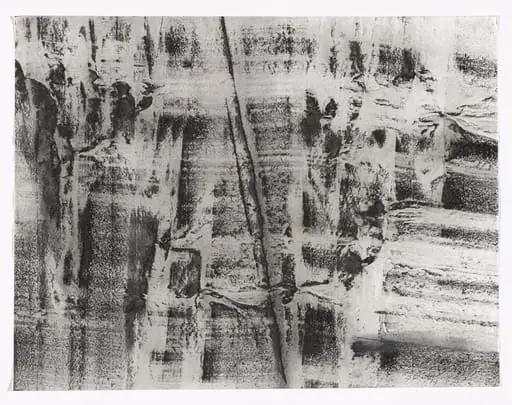
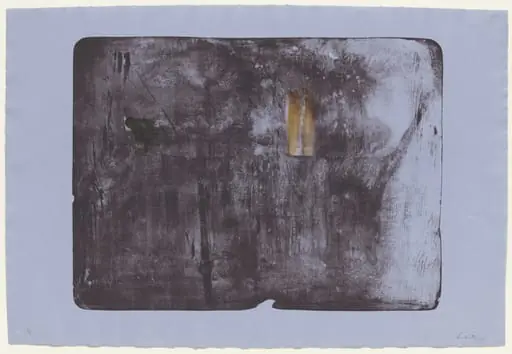
Τυφλή ζωγραφική
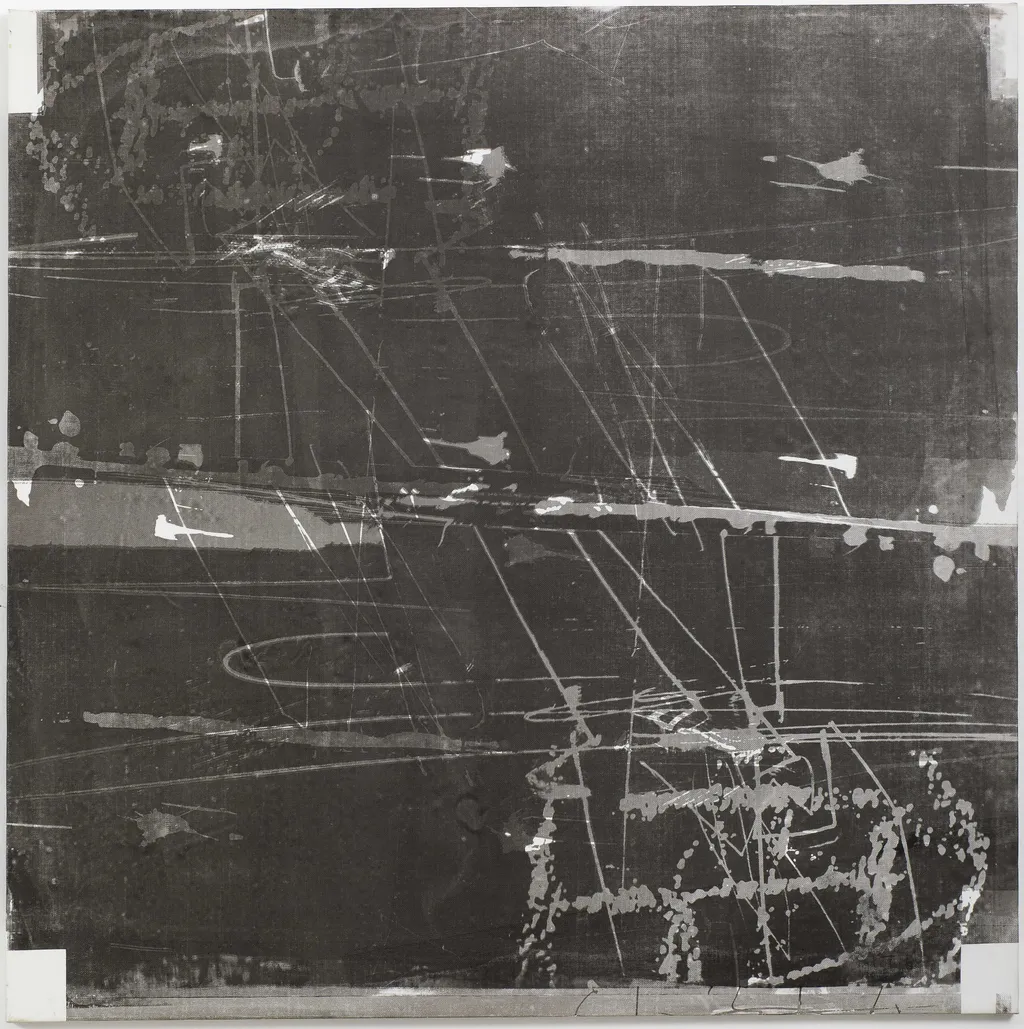
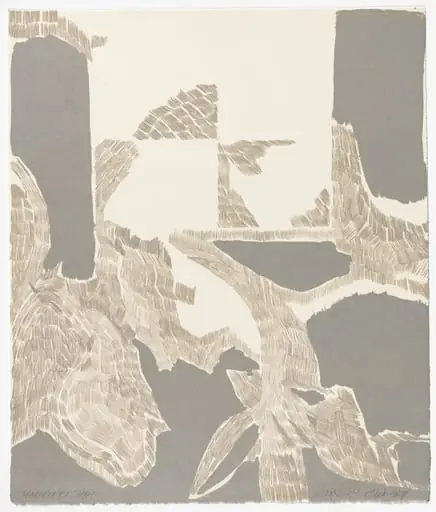
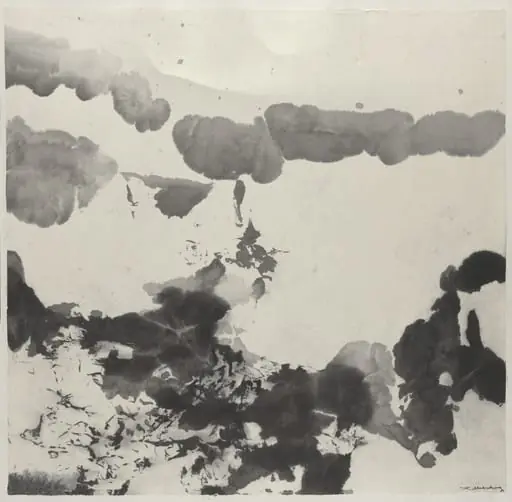
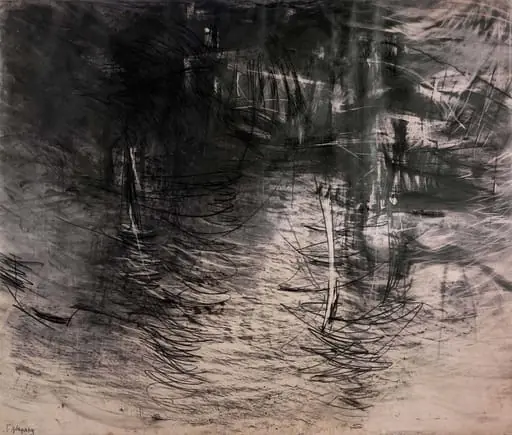
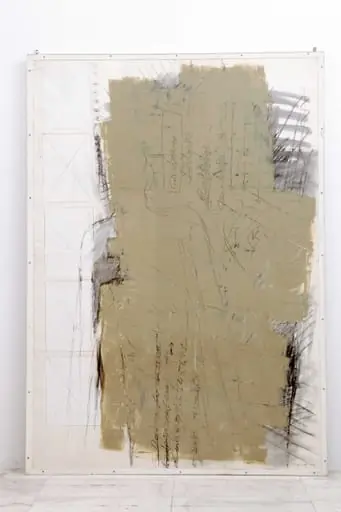
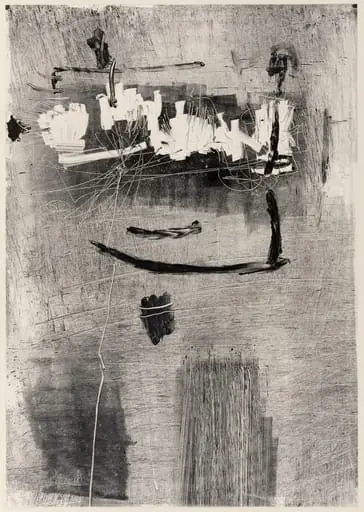
Τυφλή ζωγραφική is a photography by Lazongas Yorgos. It dates from 1990 and is held in the collection of the Metropolitan Organisation of Museums of Visual Arts of Thessaloniki – MOMus. Yorgos Lazongas began his career in the mid-1970s with a distinctive approach to painting that combined collage, scratching, and layering.
About this work
Overview
Yorgos Lazongas began his career in the mid-1970s with a distinctive approach to painting that combined collage, scratching, and layering.
Yorgos Lazongas began his career in the mid-1970s with a distinctive approach to painting that combined collage, scratching, and layering. He applied photocopies and translucent or colored papers to his surfaces, then altered them by peeling and scraping. This method created a tactile record of accumulation and erasure, reflecting his interest in time as a physical and historical process rather than an abstract concept.
Subject & Meaning
Lazongas’s work engages with time not as a linear progression but as a layered accumulation. He draws on classical antiquity—particularly from Greek sculpture and pottery—to evoke enduring cultural memory. His compositions suggest how meaning shifts across centuries, with ancient forms reappearing amid modern interventions. The palimpsest becomes a metaphor for the persistence and transformation of cultural archetypes.
Technique & Style
His technique involves adhering fragmented photographic reproductions and colored papers to canvas, then partially removing them to reveal underlying textures. Scratching and peeling create a sense of decay and revision, emphasizing the impermanence of images. The resulting surfaces are dense with visible history, where traces of earlier layers remain visible beneath newer ones, producing a visual rhythm of concealment and revelation.
History & Provenance
Lazongas’s early works from the 1970s established his signature method of surface manipulation. By the early 1990s, his focus shifted toward compositions on white grounds, incorporating fragments of classical imagery—such as details from the Olympian Apollo statue or Attic pottery. These pieces reflect a deliberate return to antiquity, not as nostalgia, but as a means of examining how historical forms are reinterpreted across time.
Context
Working in post-junta Greece, Lazongas engaged with a cultural moment seeking to reconcile modern identity with ancient heritage. His use of classical fragments aligned with broader intellectual currents that questioned linear narratives of progress. Rather than idealizing antiquity, he treated it as a mutable source, subject to the same processes of erosion and renewal as contemporary experience.
Legacy
Lazongas’s layered approach influenced later Greek artists interested in material memory and historical recursion. His work stands as a quiet counterpoint to more overtly political or abstract movements of his time, offering instead a meditative exploration of time’s imprint on visual culture. The persistence of his methods underscores a belief in art as a site where past and present continuously negotiate meaning.
Artist & collection
Museum
Metropolitan Organisation of Museums of Visual Arts of Thessaloniki – MOMus
Continue through works from the same source collection.