Artwork
The Last Judgement
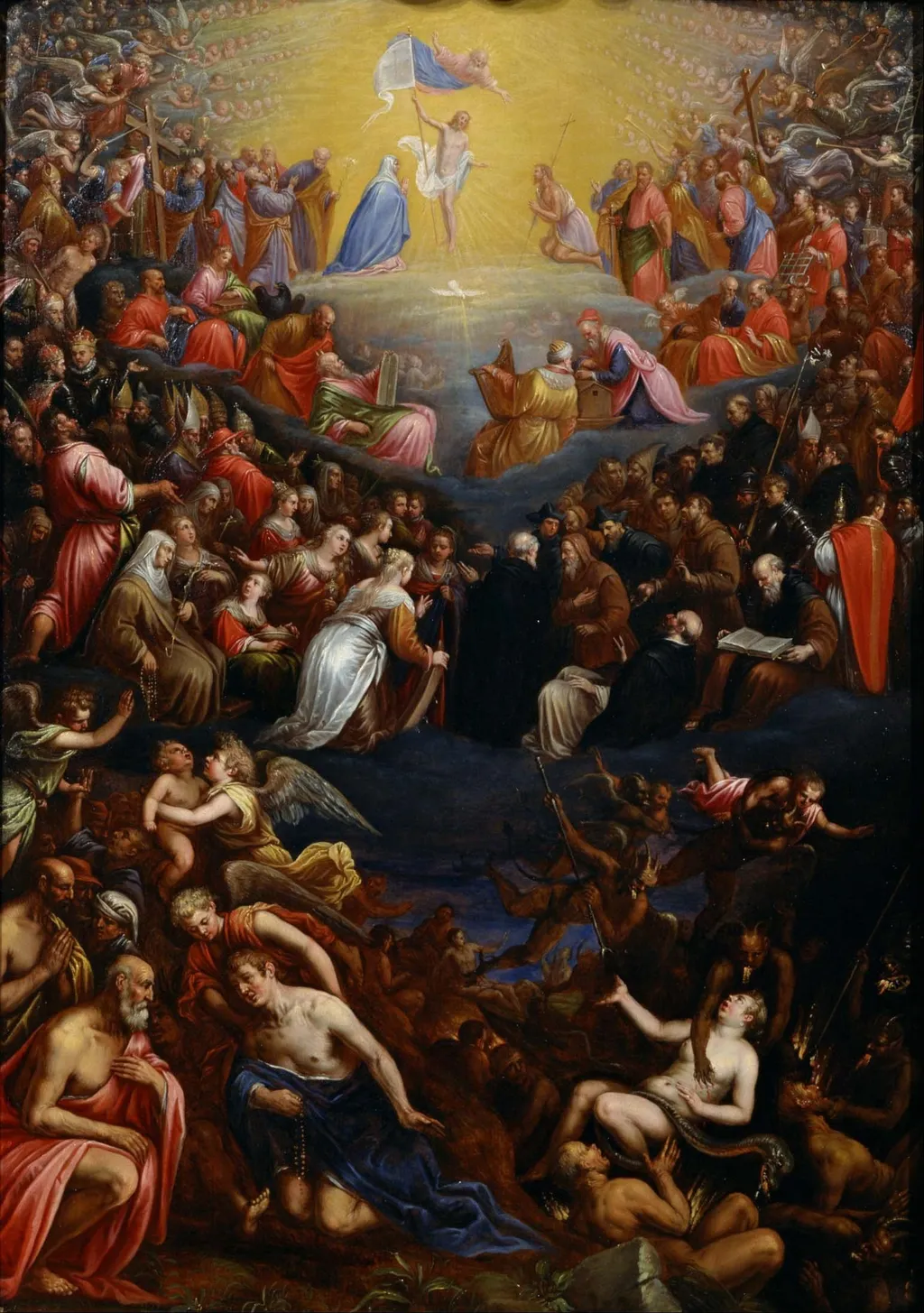
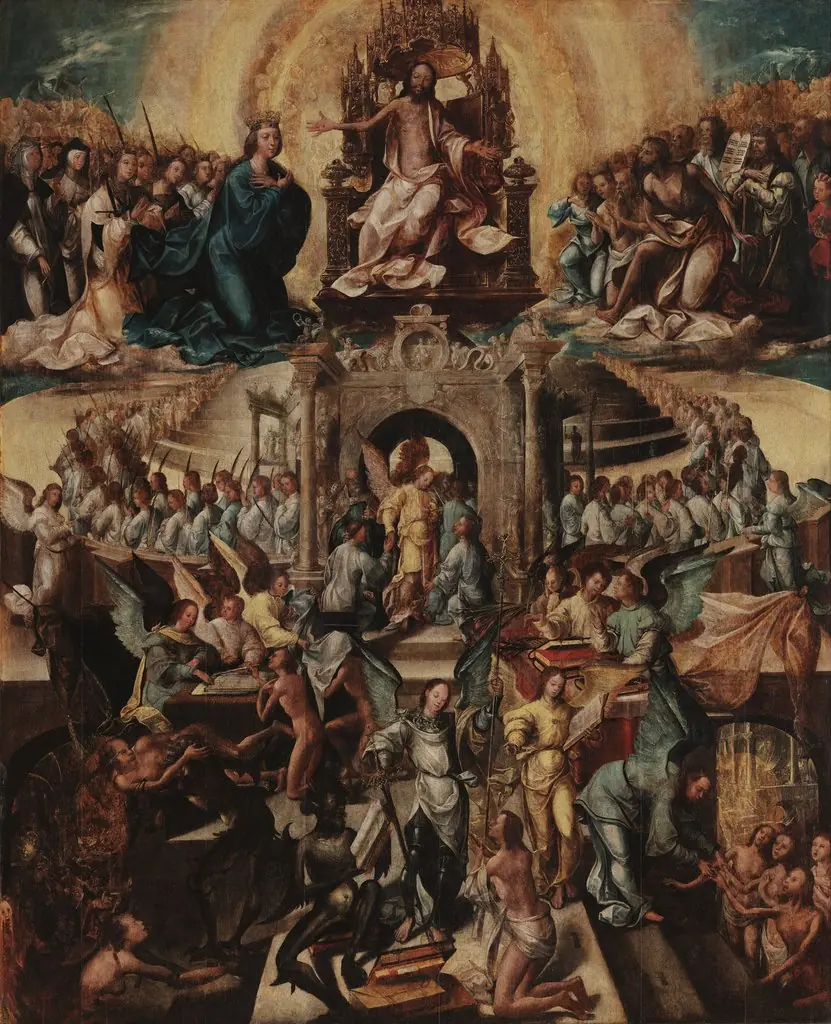
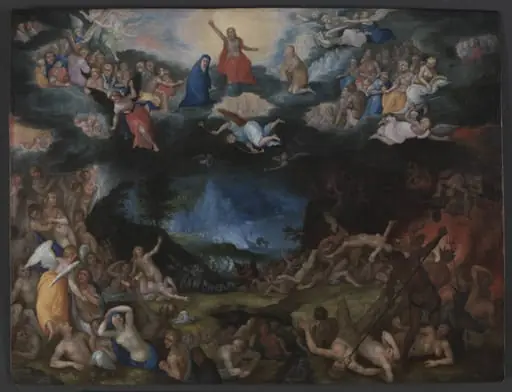
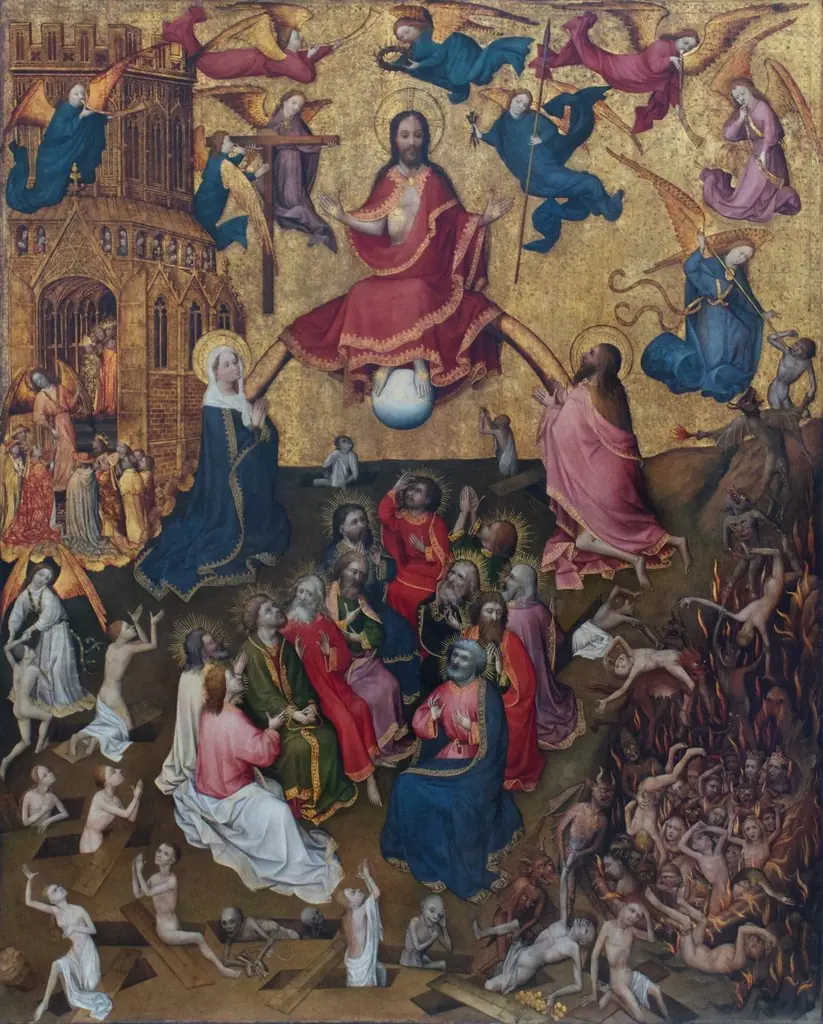
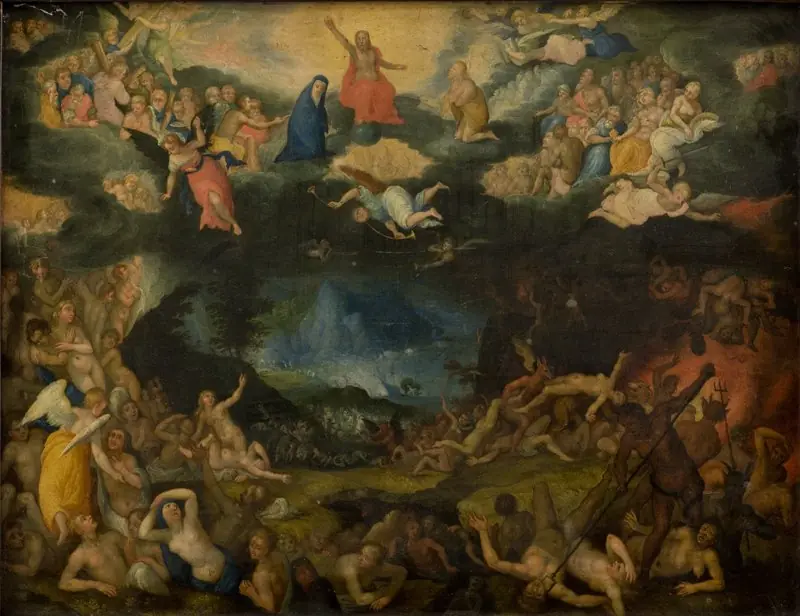
The Last Judgement is an oil painting by the Early Baroque Italian artist Leandro Bassano. It dates from 1598 and is held in the collection of the National Museum of Western Art.
About this work
Overview
Leandro Bassano’s *The Last Judgement* (1598) is an oil on canvas executed in the early Baroque idiom of Italy. The work is part of the National Museum of Western Art’s holdings and presents a densely populated vision of the final assessment of souls, divided between celestial triumph and infernal suffering.
Subject & Meaning
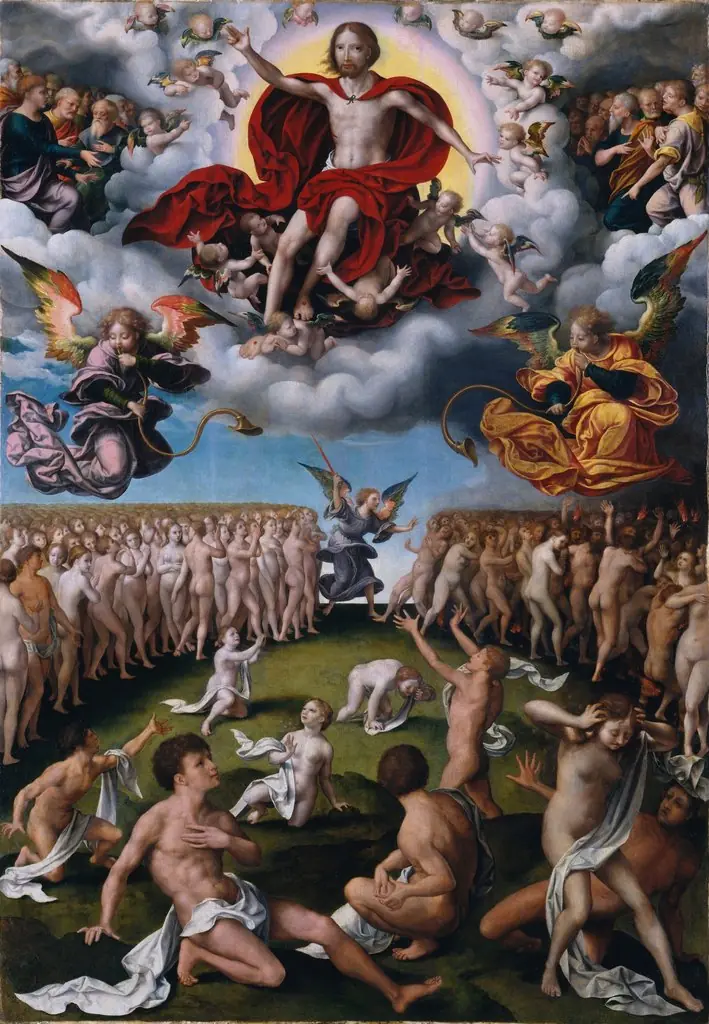
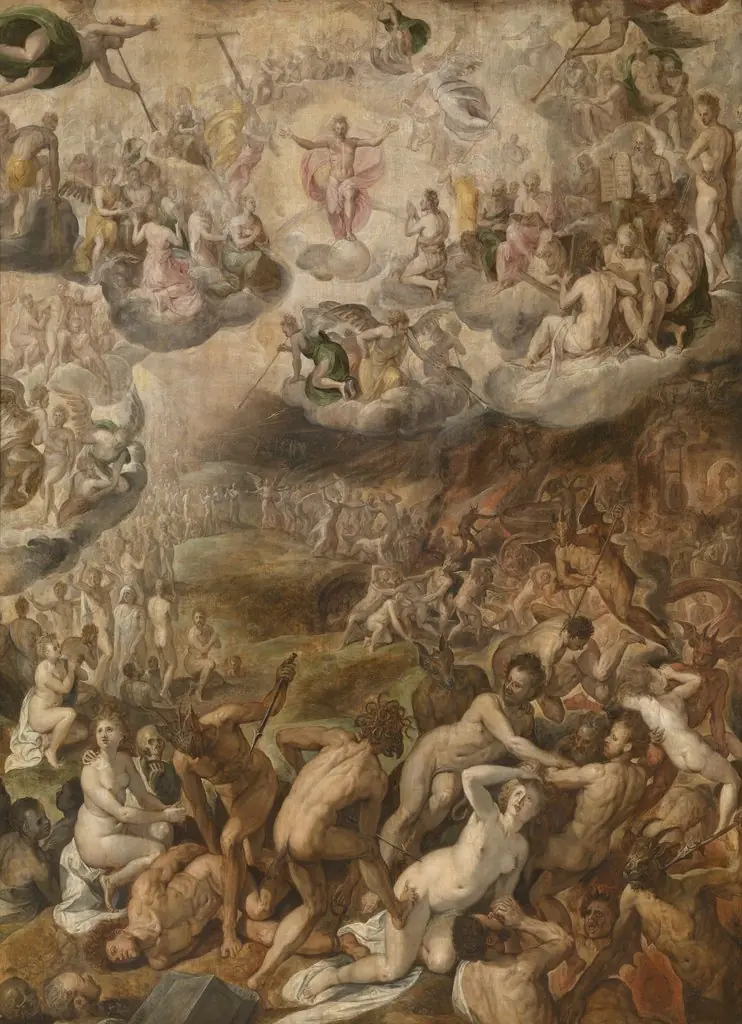
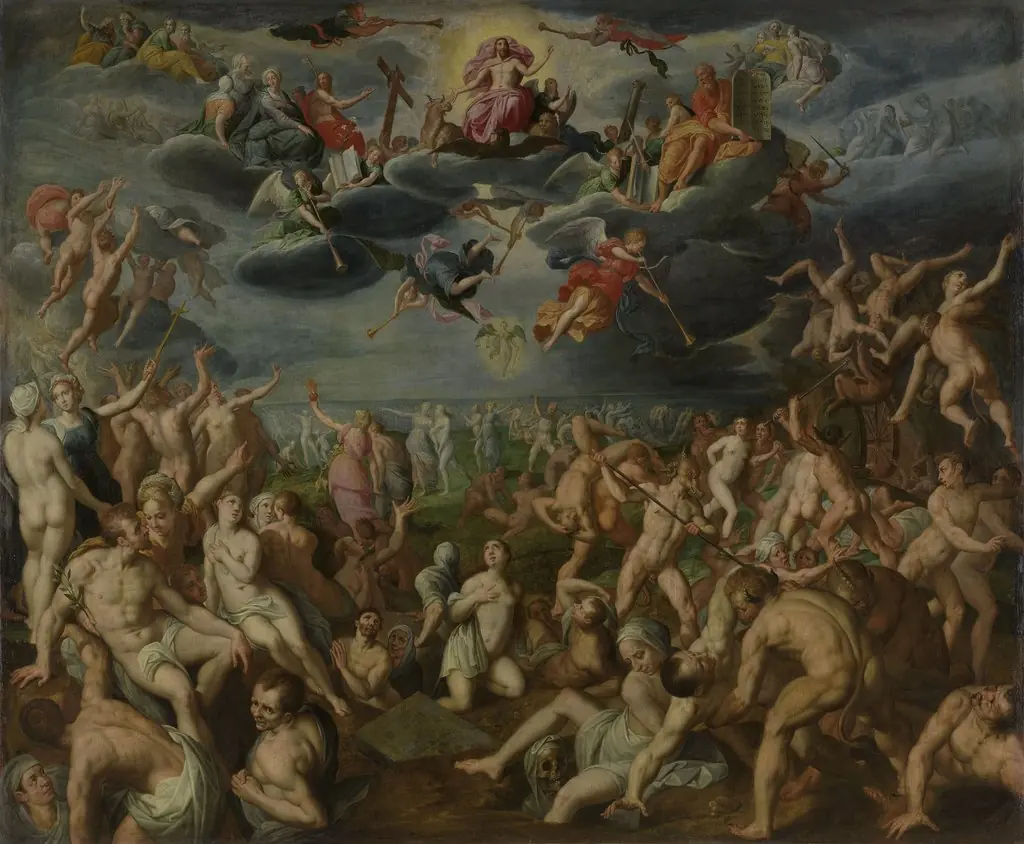
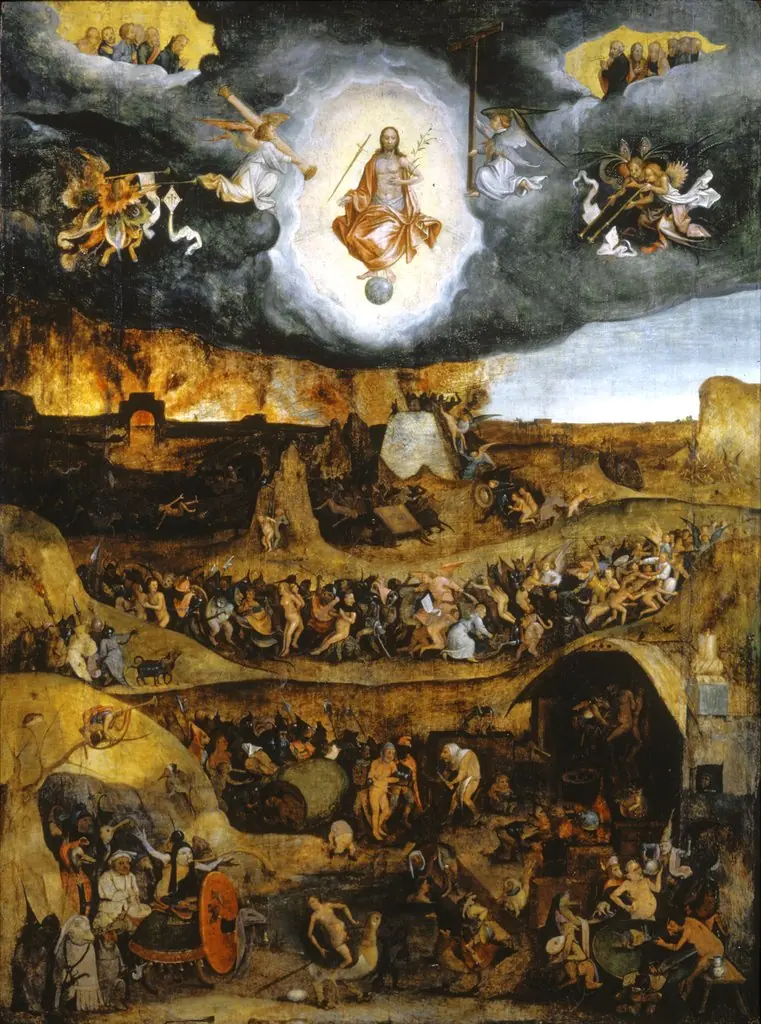
The composition centers on a Christ figure in white robes, flag in hand, presiding over the judgment. Above him, angels and saints in vivid garments celebrate the saved, while below, figures rendered in darker tones—many scantily clad—endure torment, embodying the traditional dichotomy of salvation and damnation.
Technique & Style
Bassano employs a bright, saturated palette for the heavenly realm, contrasting sharply with the muted, shadowy tones of the lower register. The painting’s intricate detailing and crowded arrangement reflect the Baroque emphasis on dramatic narrative and visual complexity, while the handling of light underscores the moral division.
History & Provenance
Born in Bassano del Grappa, Leandro was the third son of the renowned Jacopo Bassano and brother to Francesco Bassano the Younger, both established painters. His career in Venice earned him a knighthood from the Doge, and the *Last Judgement* eventually entered the collection of the National Museum of Western Art.
Context
Created at the close of the sixteenth century, the work aligns with Counter‑Reformation demands for clear, emotionally resonant religious imagery. Its subject matter—Christ’s final assessment—was a common theme for Venetian artists seeking to convey doctrinal messages through vivid, theatrical scenes.
Own this work as a print
Artist & collection
Artist
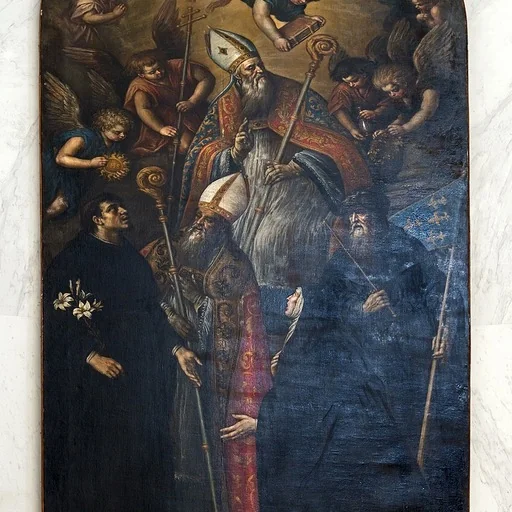
Leandro Bassano (10 June 1557 – 15 April 1622), also called Leandro dal Ponte, was an Italian Renaissance painter from Bassano del Grappa who was awarded a knighthood by the Doge of Venice.