Artwork
Juncture
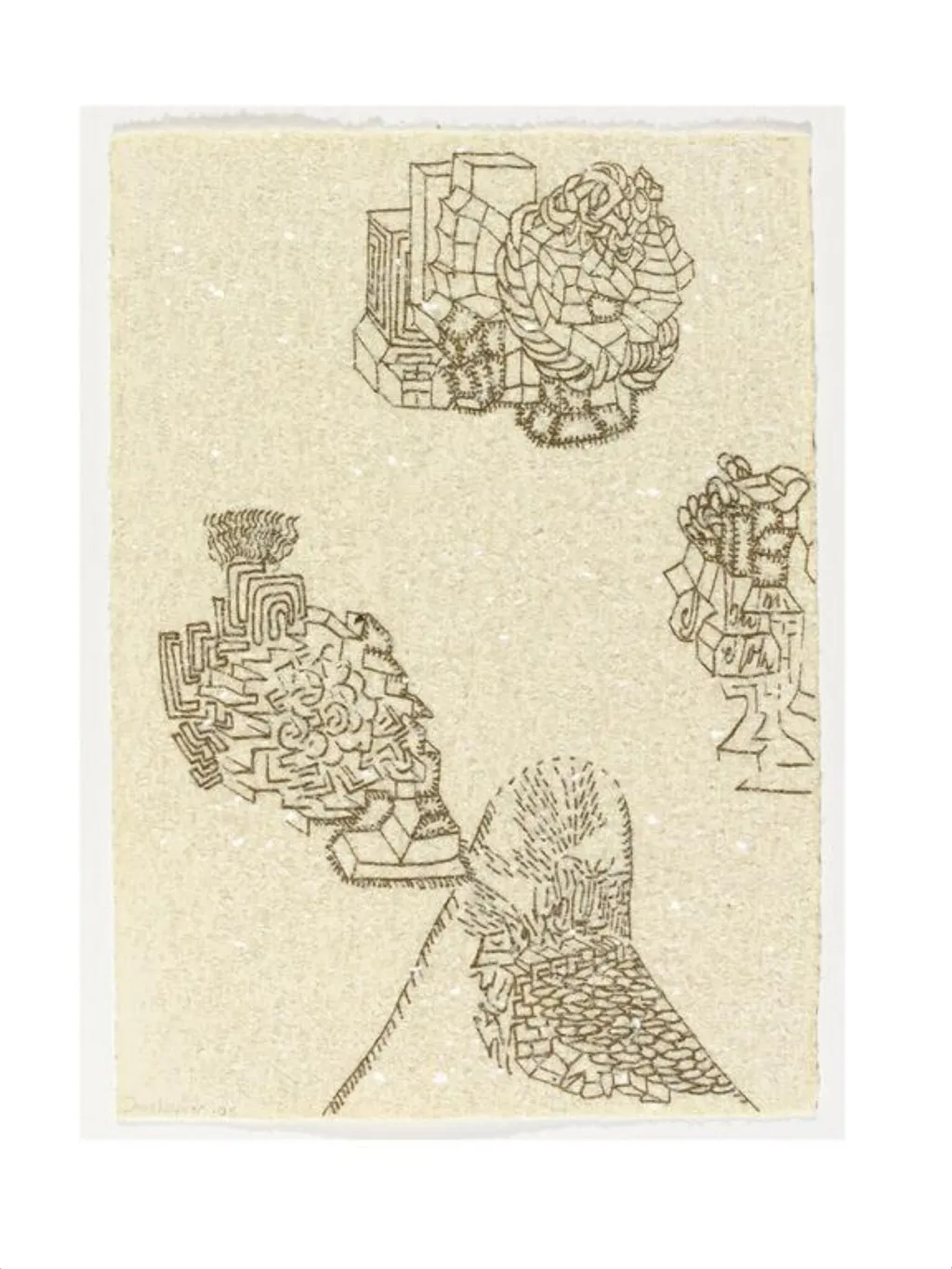
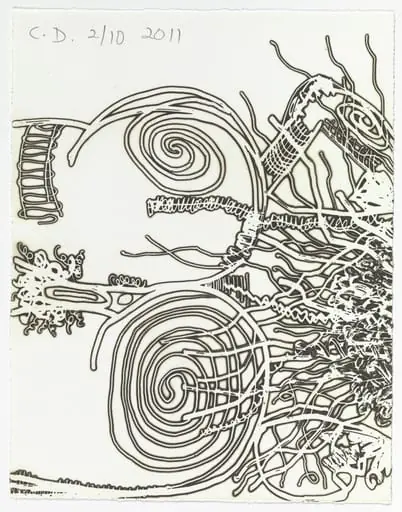
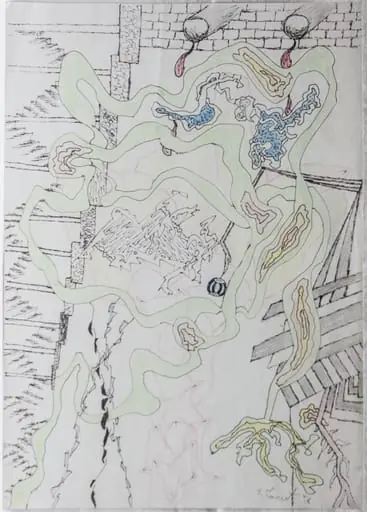
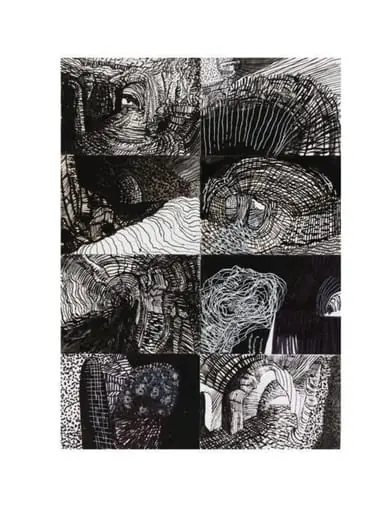
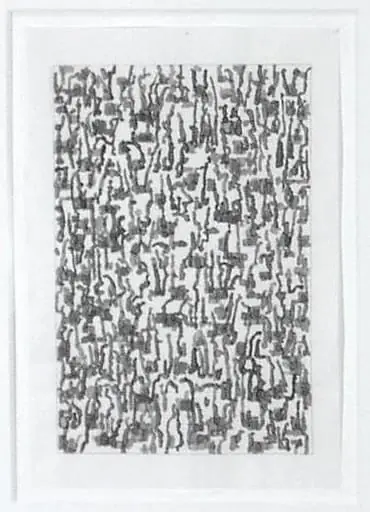
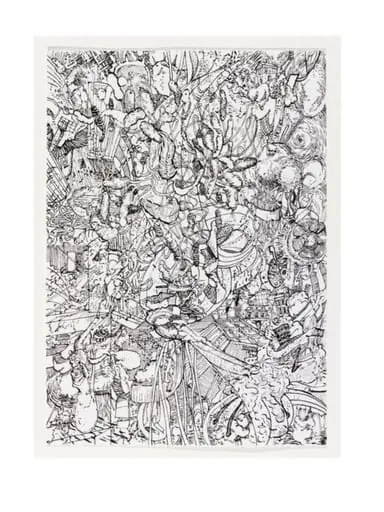
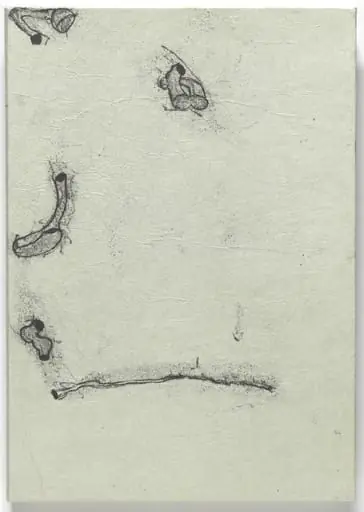
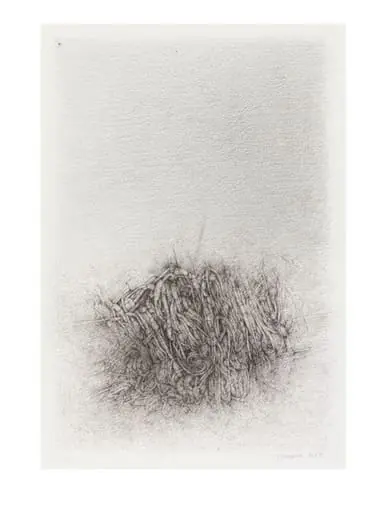
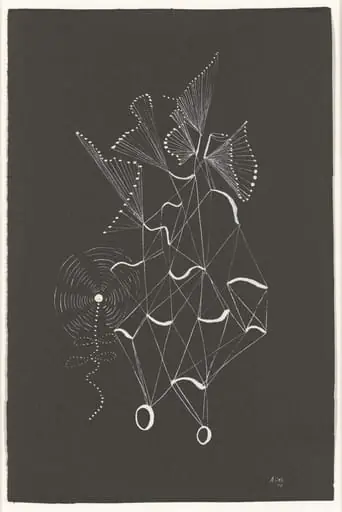
Juncture is a drawing by David Leapman. It dates from 2005 and is held in the collection of the Victoria and Albert Museum.
About this work
The drawing’s surface is covered with tiny clear plastic bits called “crystalina.
David Leapman made a drawing called *Juncture* in 2005. It’s a work on paper held at the Victoria and Albert Museum. Like many of his pieces, he used odd materials and special light tricks.
The drawing’s surface is covered with tiny clear plastic bits called “crystalina.” They catch the light and sparkle when the right light hits them. The pigments even glow under certain conditions.
Look up Leapman, David.
Overview
David Leapman created the drawing Juncture in 2005. It is held in the collection of the Victoria and Albert Museum and exemplifies his interest in materials that alter perception under specific lighting. The work is executed on paper but incorporates non-traditional elements, transforming the surface into a dynamic field that reacts to environmental light conditions.
Subject & Meaning
Juncture does not depict a recognizable scene or figure. Instead, its meaning emerges through material interaction: the interplay of light and reflective fragments suggests moments of transition or connection. The title implies a point of convergence, echoed by the way the surface shifts visibly depending on the viewer’s position and ambient illumination.
Technique & Style
Leapman applied fluorescent and phosphorescent pigments to paper, then embedded small transparent plastic fragments known as crystalina across the surface. These particles refract and scatter light, creating a shimmering effect. The drawing remains largely invisible under normal conditions, revealing its full character only when exposed to specific wavelengths of light.
History & Provenance
Juncture was made in 2005 and entered the Victoria and Albert Museum’s collection shortly thereafter. Leapman, trained at St Martin’s and Goldsmiths, has long explored the limits of drawing through unconventional media. This work aligns with his broader practice of challenging static notions of the drawn image by incorporating temporal and environmental variables.
Context
Leapman’s work emerged in a late 20th-century context where artists increasingly questioned material permanence and viewer passivity. His use of light-sensitive substances and ephemeral effects resonates with conceptual and process-based practices that prioritize experience over fixed form, situating Juncture within broader experimental drawing traditions.
Legacy
Juncture contributes to an expanded definition of drawing as an event rather than a fixed object. Its reliance on external conditions invites active engagement from viewers and underscores the role of environment in perception. Leapman’s approach continues to influence contemporary artists exploring materiality, light, and the instability of visual representation.
Artist & collection
Artist
David Leapman makes layered, puzzle-like drawings that play with space and color.