Artwork
La Petite Rentiere
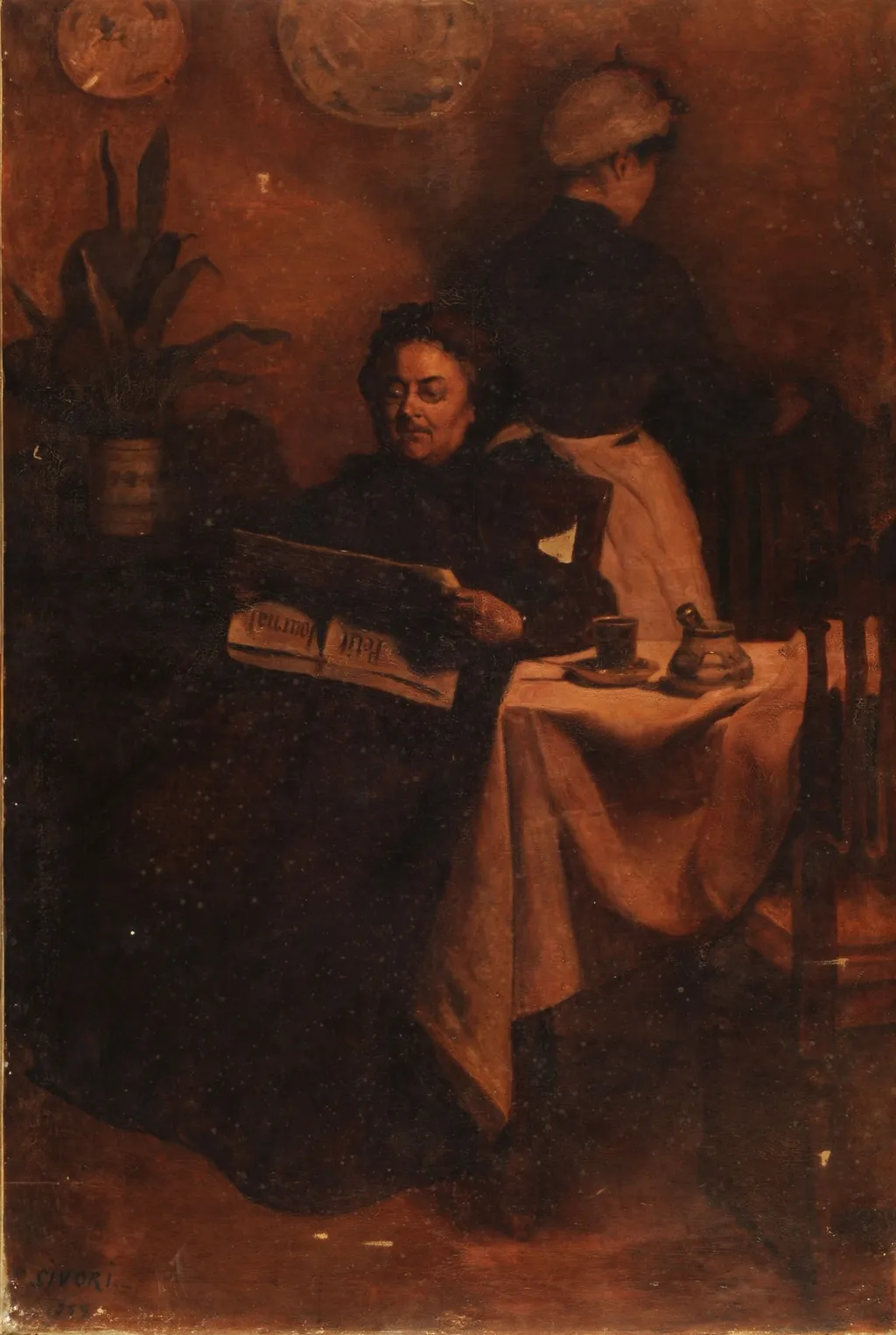
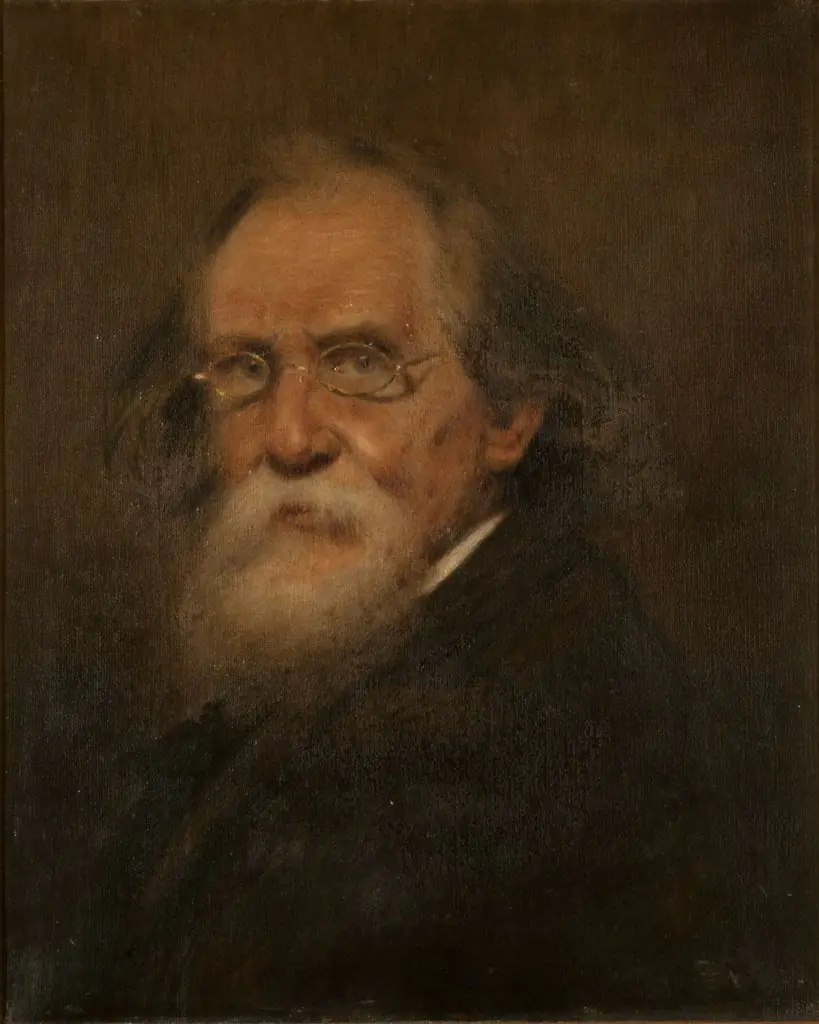
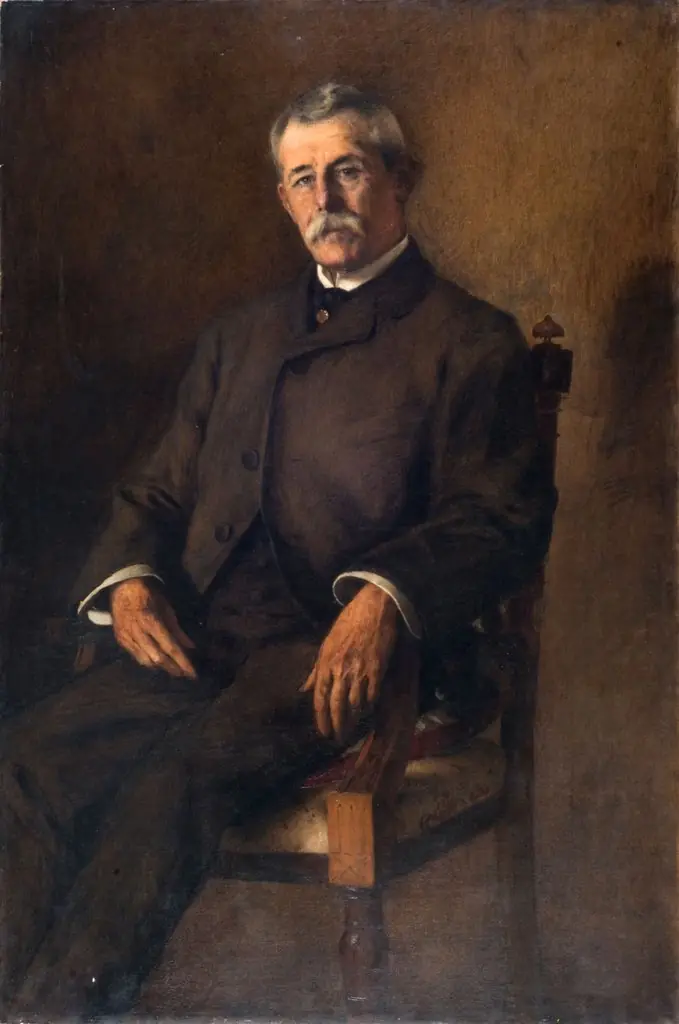
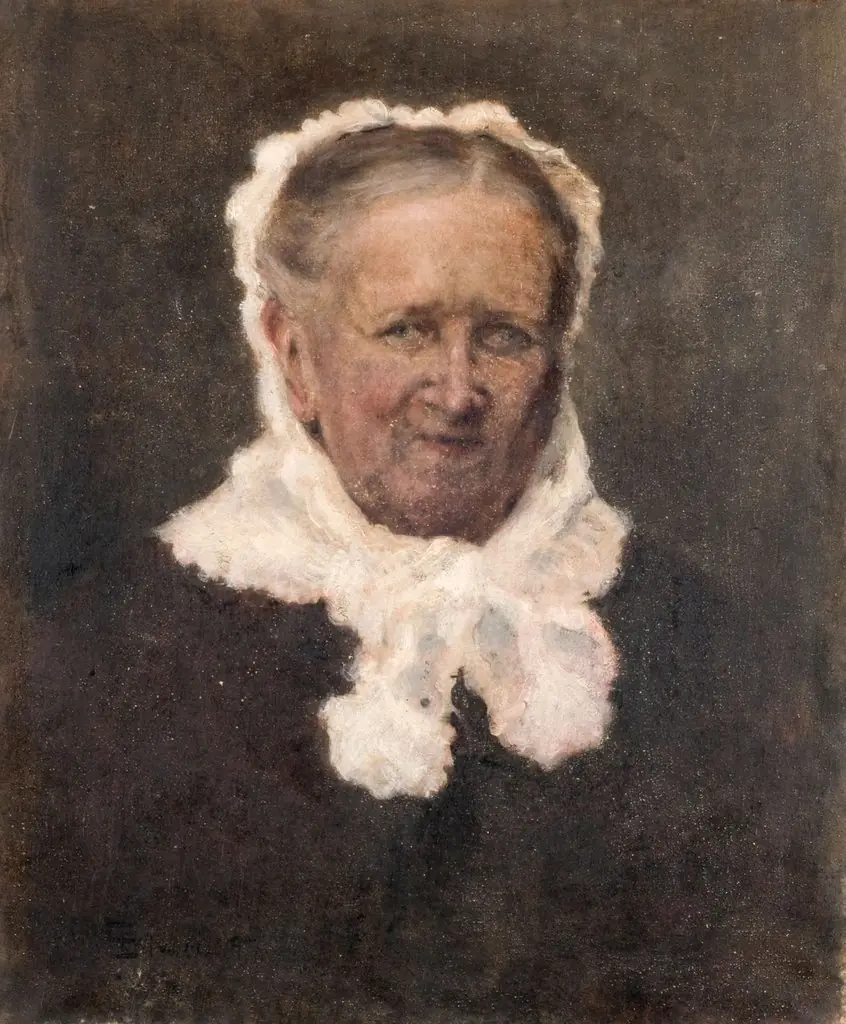
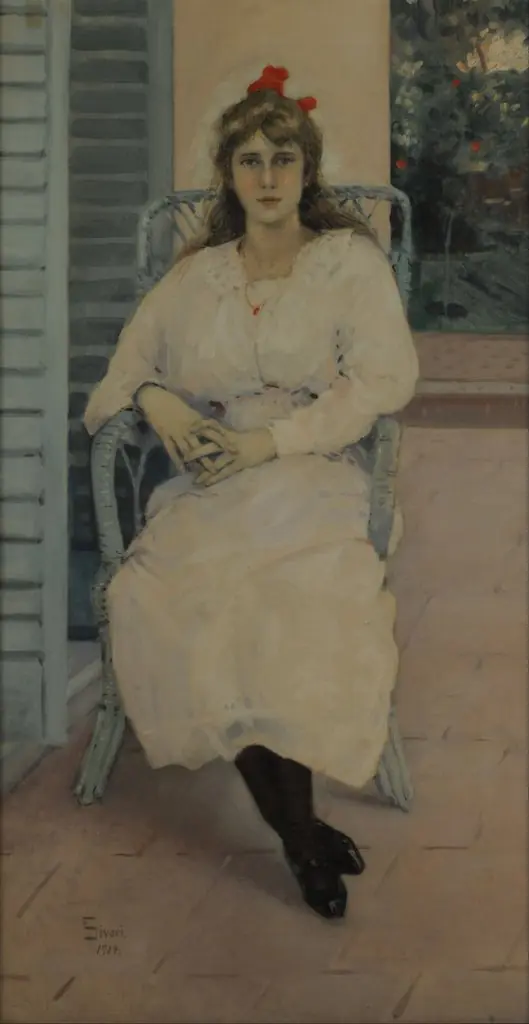
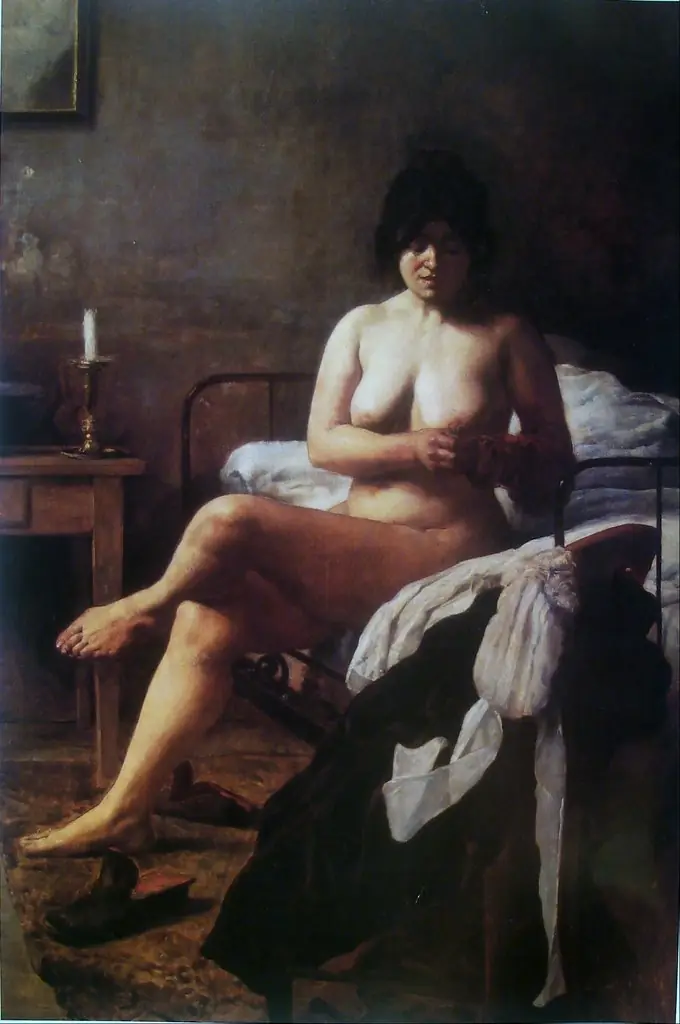
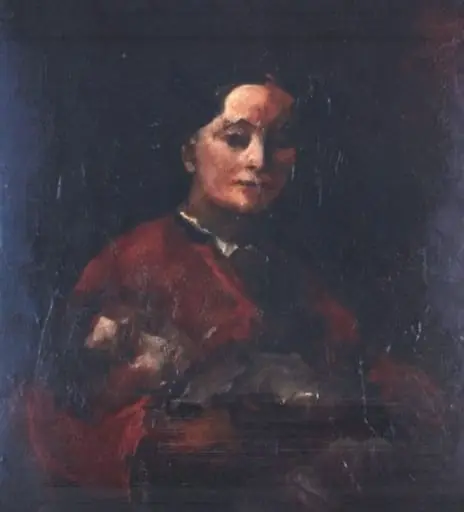
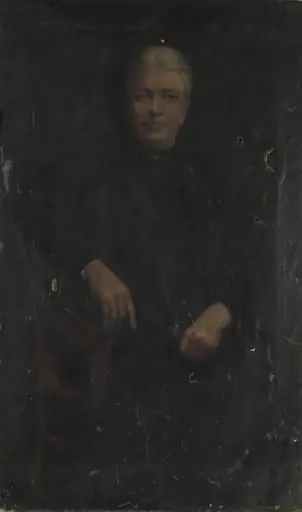
La Petite Rentiere is an oil painting by the Post-Impressionist artist Eduardo Sívori. It dates from 1895 and is held in the collection of the National Museum of Fine Arts, Argentina.
About this work
Overview
Sívori, recognized for introducing realism to Argentine art, turned away from idealized subjects to portray ordinary life with psychological nuance.
Painted in 1895 by Argentine artist Eduardo Sívori, *La Petite Rentiere* is an oil-on-canvas work that captures a quiet domestic moment. Sívori, recognized for introducing realism to Argentine art, turned away from idealized subjects to portray ordinary life with psychological nuance. The painting is part of the permanent collection at the National Museum of Fine Arts in Buenos Aires, where it remains a key example of late 19th-century regional realism.
Subject & Meaning
The painting shows a young woman seated at a table, absorbed in reading a newspaper. Her dark attire and solemn expression suggest a life of modest means and quiet responsibility. Behind her, a male figure in a white apron and hat stands silently, possibly a servant or family member. The scene avoids narrative drama, instead emphasizing introspection and the dignity of routine, reflecting a broader interest in the inner lives of working-class individuals.
Technique & Style
Sívori employs a restrained palette and subtle chiaroscuro to model form and depth. Warm light from the left casts soft shadows across the tablecloth, cup, and the woman’s face, grounding the scene in tangible space. Brushwork is deliberate but unobtrusive, avoiding the loose strokes of Impressionism in favor of controlled detail. The composition’s stillness and focus on light reinforce a sense of intimacy, aligning with post-impressionist tendencies toward emotional resonance over spectacle.
History & Provenance
Created in 1895, the painting entered the collection of the National Museum of Fine Arts in Buenos Aires shortly after its completion. It has remained in public ownership since, with no documented private transactions. Its preservation within Argentina’s foremost art institution underscores its early recognition as a significant work in the nation’s artistic development, reflecting institutional efforts to define a national visual identity.
Context
In the 1890s, Argentina was undergoing rapid urbanization and social change, with growing attention to the lives of women and laborers. Sívori’s focus on a solitary reader in a modest interior aligns with broader European realist traditions but is grounded in local conditions. Unlike academic painting, which favored historical or mythological themes, this work elevates the everyday, mirroring a shift in cultural values toward authenticity and social observation.
Legacy
Though not widely exhibited internationally, *La Petite Rentiere* remains a touchstone in Argentine art history for its early commitment to psychological realism. Sívori’s approach influenced later generations of local painters who sought to depict national identity through unidealized scenes. The painting’s enduring presence in the national museum affirms its role as a foundational work in the transition from academic to modern Argentine painting.
Artist & collection
Artist
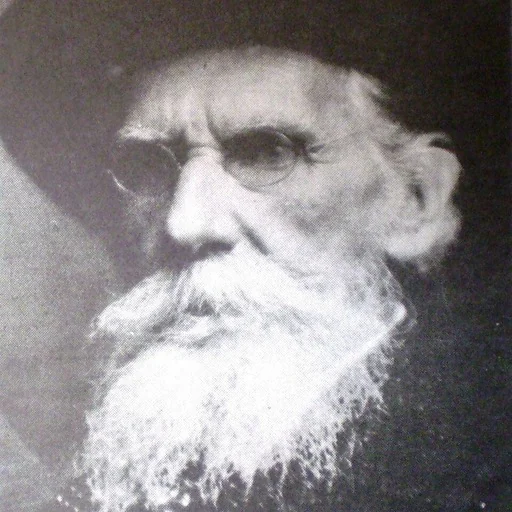
Eduardo Sívori (October 13, 1847 – June 5, 1918) was an Argentine artist widely regarded as his country's first realist painter.

Museum
National Museum of Fine Arts, Argentina
Continue through works from the same source collection.