Artwork
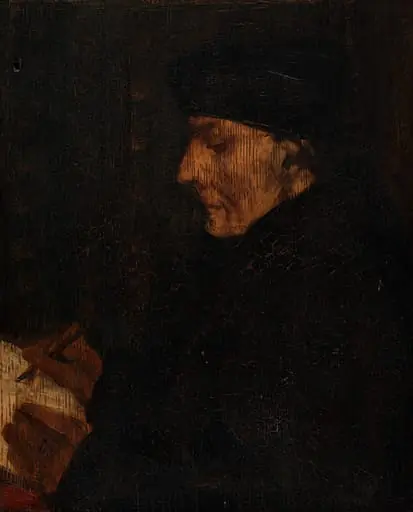
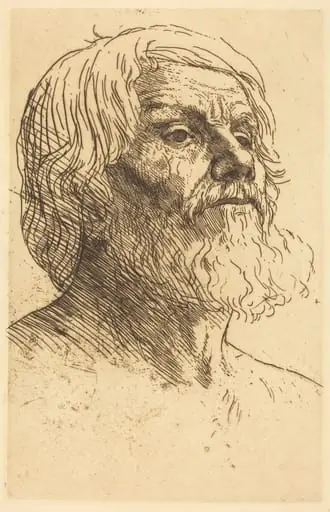
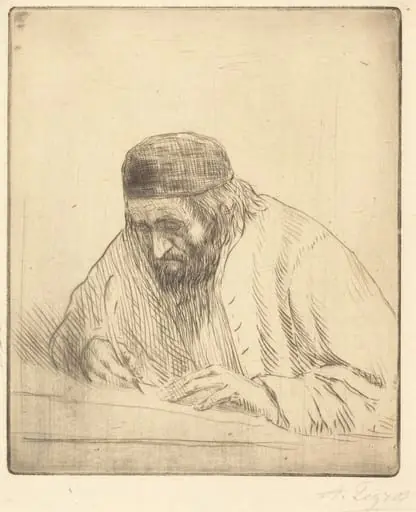
Study of the Head of a Man Reading (Etude de tete d'homme lisant)
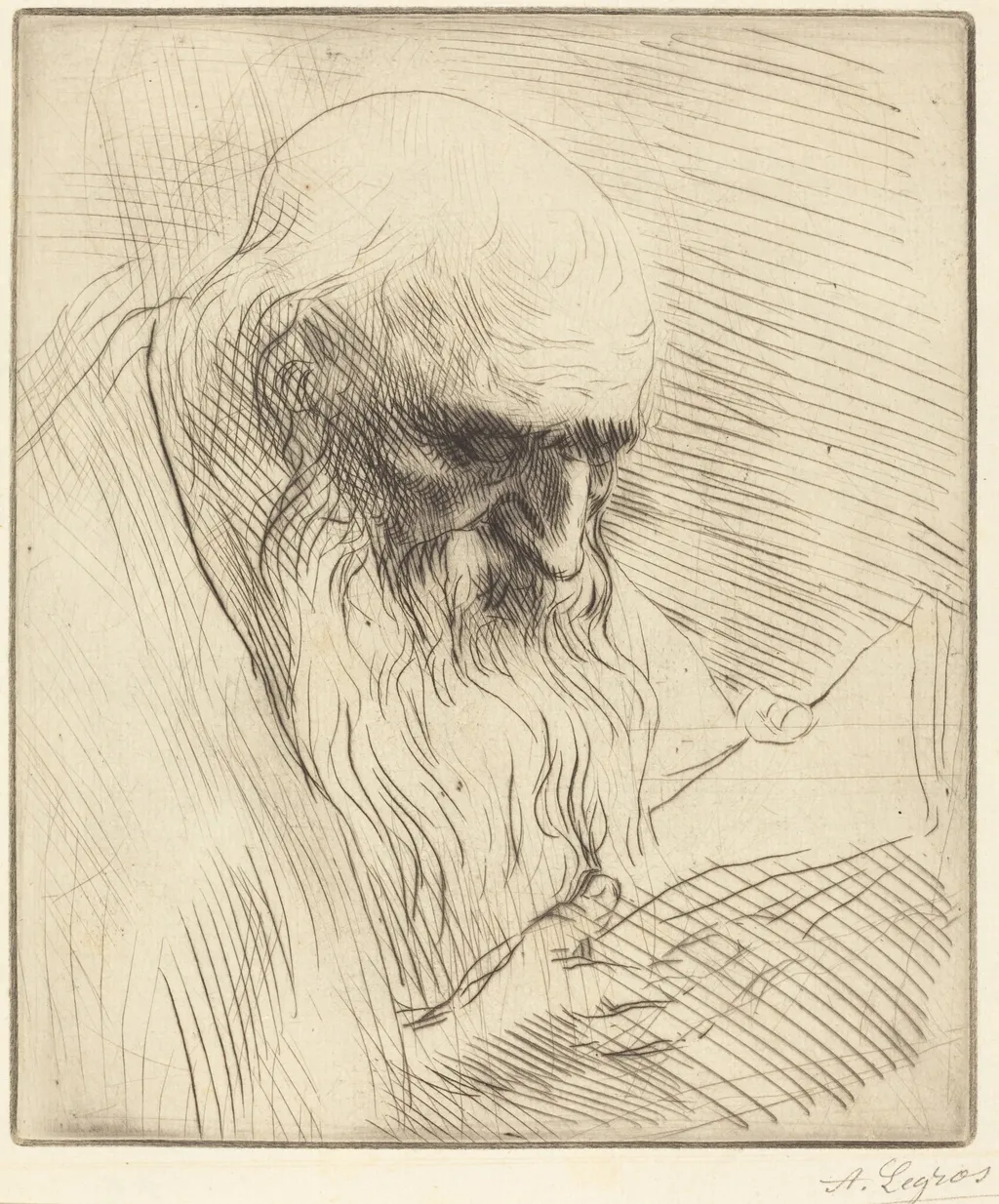
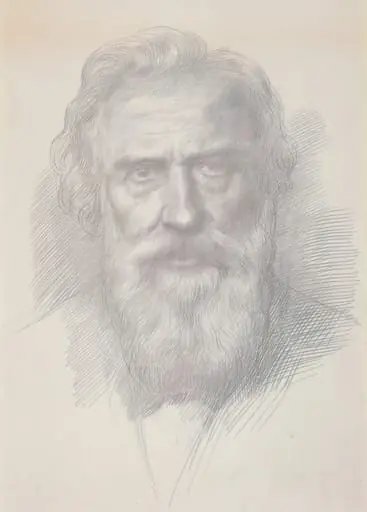
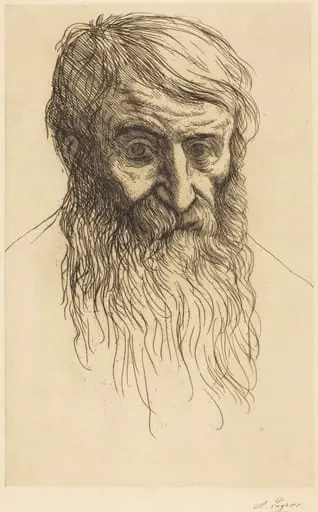
Study of the Head of a Man Reading (Etude de tete d'homme lisant) is an ink print by the Romanticist artist Alphonse Legros. It dates from 1874 and is held in the collection of the National Gallery of Art.
About this work
Overview
The work reflects his dedication to printmaking as a serious artistic discipline during the 19th-century revival of the medium in England.
Created in 1874 by Alphonse Legros, this print is a study in intaglio technique, combining etching and drypoint to capture a solitary figure in quiet concentration. Legros, originally French but active in Britain, used the medium to explore form through line and texture rather than narrative detail. The work reflects his dedication to printmaking as a serious artistic discipline during the 19th-century revival of the medium in England.
Subject & Meaning
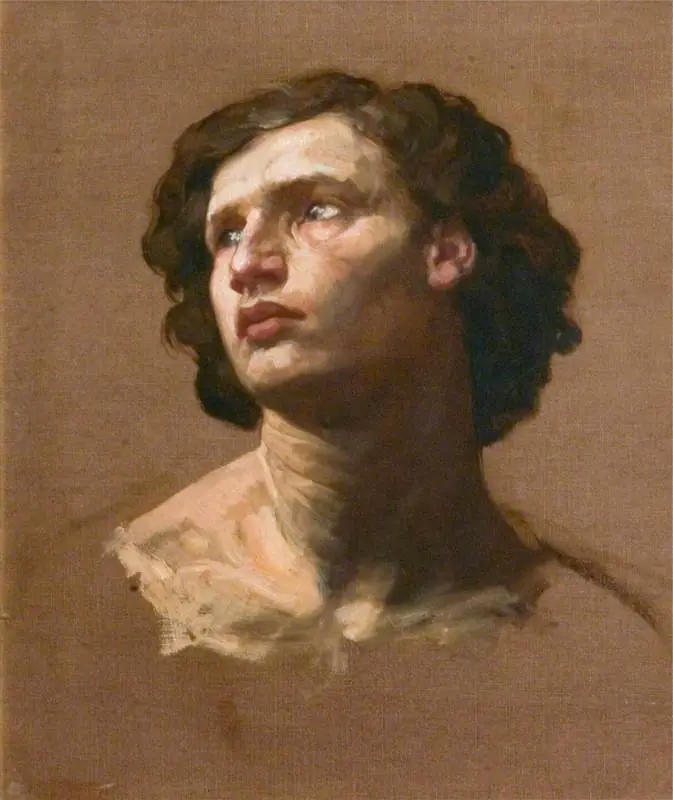
The figure is a man, head tilted slightly, eyes lowered as if absorbed in a book. No book or setting is shown—only the contours of his face and hair suggest the act of reading. The absence of context focuses attention on the inwardness of the moment. The subject is not identified, reinforcing the study’s function as an exploration of human presence and quiet focus rather than a portrait with biographical intent.
Technique & Style
Legros employed drypoint to create dense, scratchy lines that bite into the plate, producing rich, velvety blacks. Etching provided finer, controlled strokes for the contours of the face. The rough paper surface enhances the tactile quality of the ink, amplifying the sense of immediacy. The loose, swirling lines of the hair contrast with the tighter definition of the brow and cheek, revealing a deliberate balance between spontaneity and structure.
History & Provenance
The print emerged during Legros’s tenure at the Slade School of Fine Art in London, where he influenced a generation of British artists. While the exact provenance of this specific impression is not documented, it aligns with his practice of producing small-scale studies for personal or pedagogical use. Such works were often circulated among students and fellow printmakers, contributing to the broader appreciation of etching as a legitimate art form.
Context
In the 1870s, British artists were re-engaging with etching as a medium distinct from reproductive engraving. Legros, trained in Paris and steeped in French realism, brought a direct, observational approach to the revival. This study reflects a broader shift toward intimate, non-narrative subjects and a focus on the artist’s hand—valuing the process as much as the final image.
Legacy
Legros’s emphasis on the expressive potential of line and texture in printmaking helped redefine etching’s role in academic art. This study exemplifies his influence on later British printmakers who prioritized personal expression over technical polish. Though not widely exhibited in his lifetime, such works became foundational to the understanding of etching as a medium of psychological depth and formal experimentation.
Artist & collection

Artist
Alphonse Legros (French pronunciation: ; 8 May 1837 – 8 December 1911) was a French, later British, painter, etcher, sculptor, and medallist.