Artwork
Woman of the "Orient"
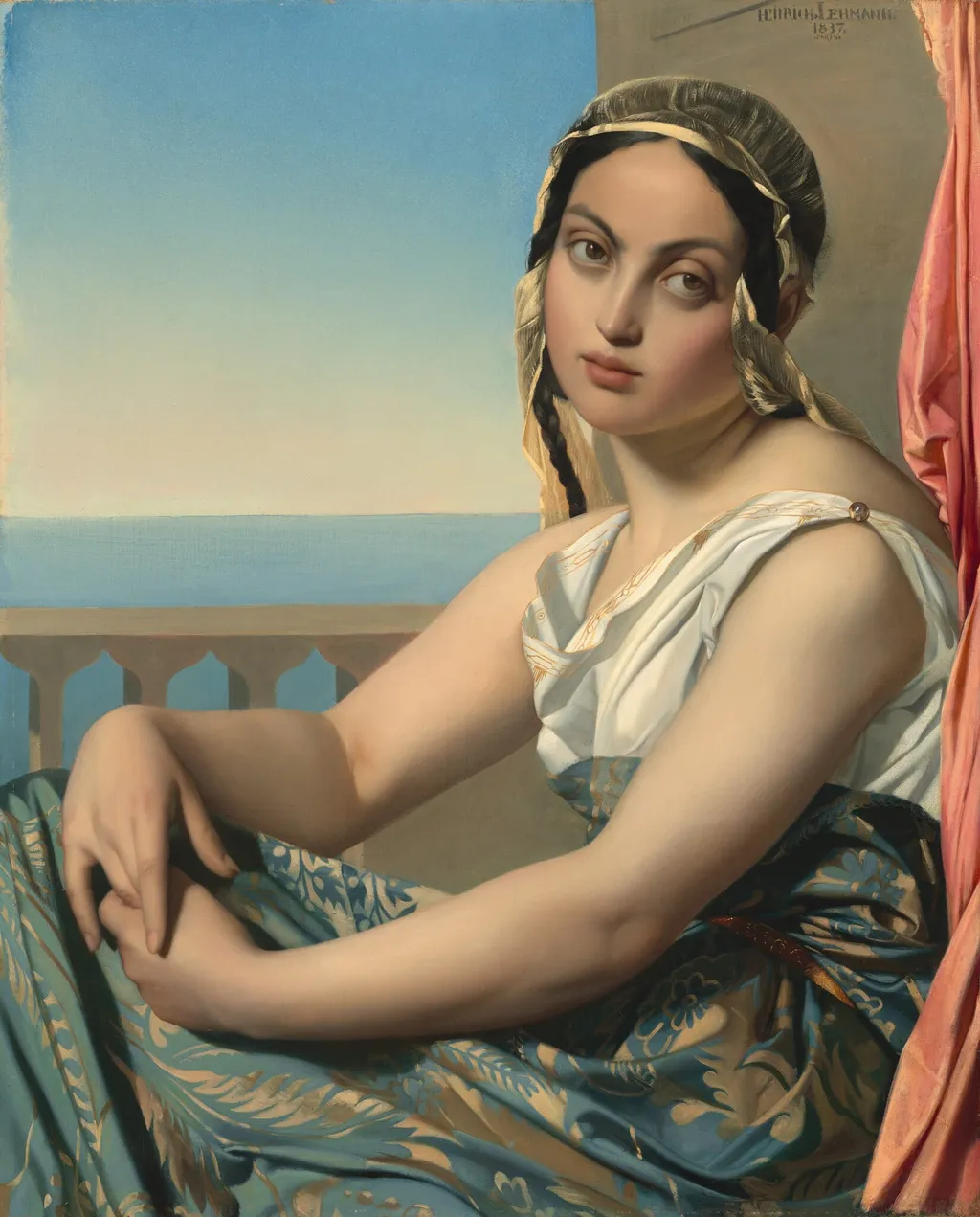
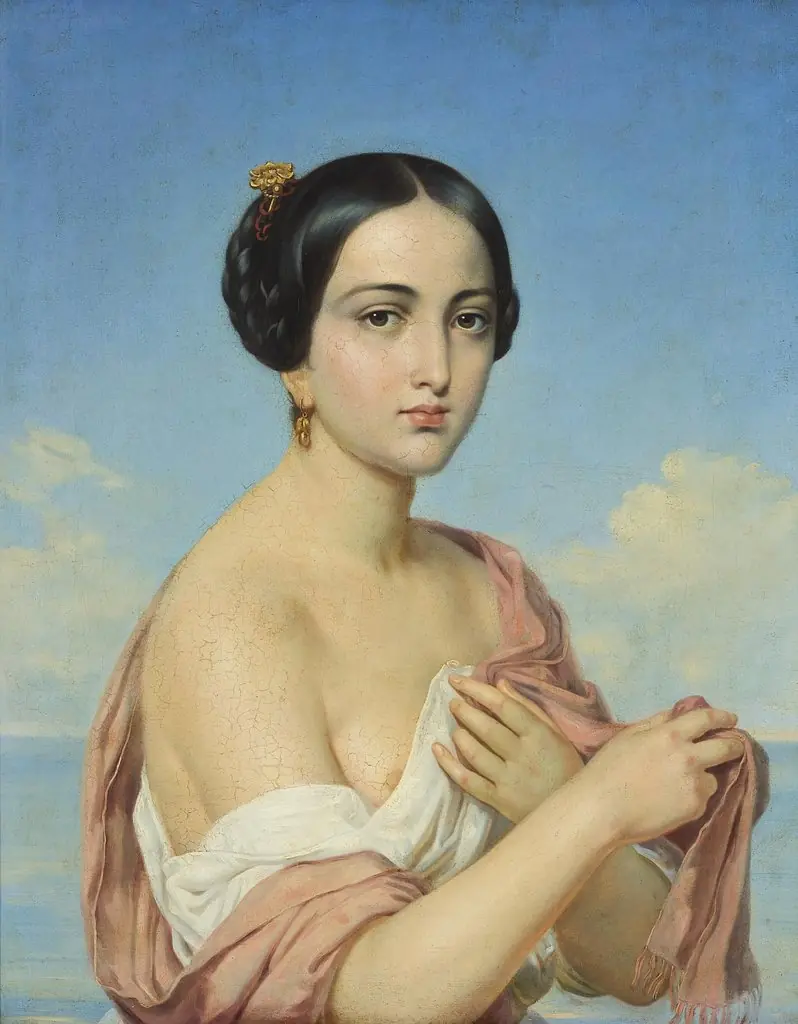
Woman of the "Orient" is an oil painting by the Romanticist artist Henri Lehmann. It dates from 1837 and is held in the collection of the National Gallery of Art.
About this work
Overview
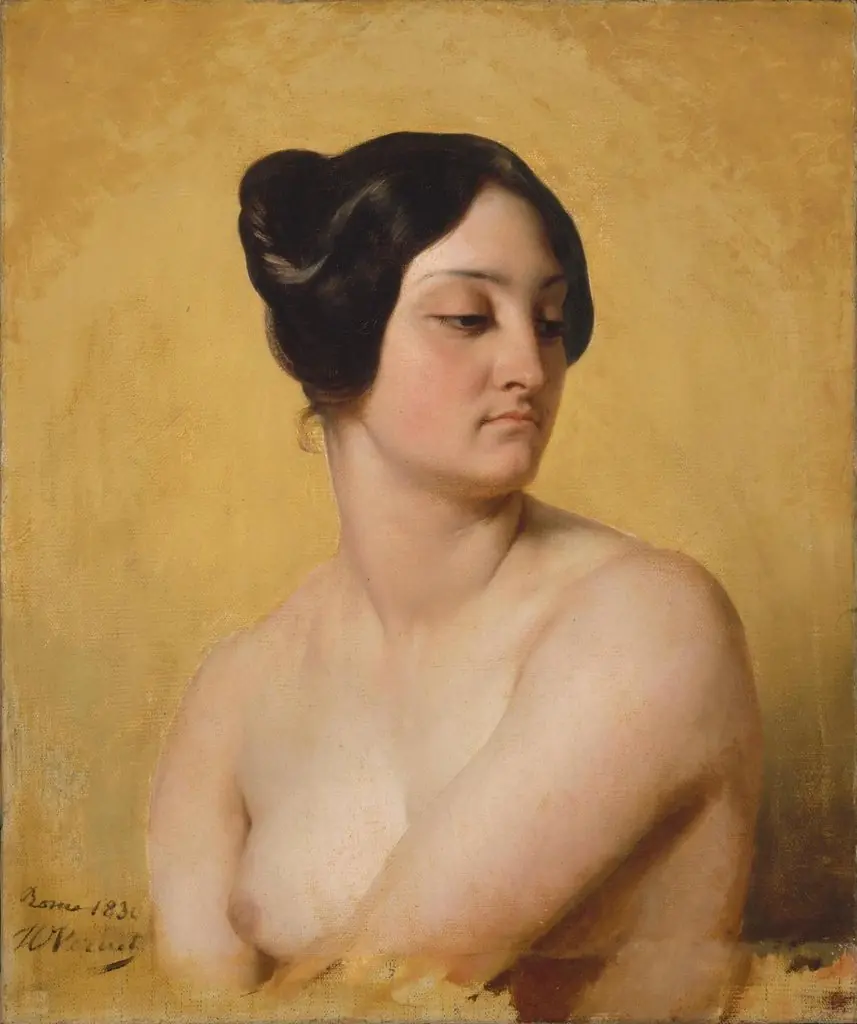
Woman of the 'Orient' is an 1837 oil-on-canvas painting by Henri Lehmann, a German-born French artist known for historical and portrait works. The piece depicts a serene female figure in a setting evoking the 'Orient', a theme popular among 19th-century European artists.
Subject & Meaning
The subject, a woman with a calm demeanor, is situated in a context suggesting the 'Orient'. Her attire, including a loose white top and patterned blue-green skirt with gold accents, and the architectural background, reflect European artistic fascination with Eastern cultures during this period.
Technique & Style
Lehmann employed chiaroscuro to achieve a three-dimensional effect, with soft shadows enhancing the lifelike quality of the subject's skin and clothing. The interplay of light, particularly on her face and arm, demonstrates the artist's attention to detail and compositional skill.
History & Provenance
Completed in 1837, the painting's provenance is not detailed here, but its creation aligns with the peak of European Orientalist artistic trends.
Context
'Woman of the 'Orient'' reflects the broader 19th-century European artistic movement of Orientalism, characterized by a romanticized depiction of Middle Eastern and North African cultures.
Legacy
While specific legacy details of 'Woman of the 'Orient'' are not provided, it contributes to the understanding of Lehmann's oeuvre and the Orientalist movement in European art history.
Own this work as a print
Artist & collection

 Italian Woman
 Portrait of a Young Woman in White
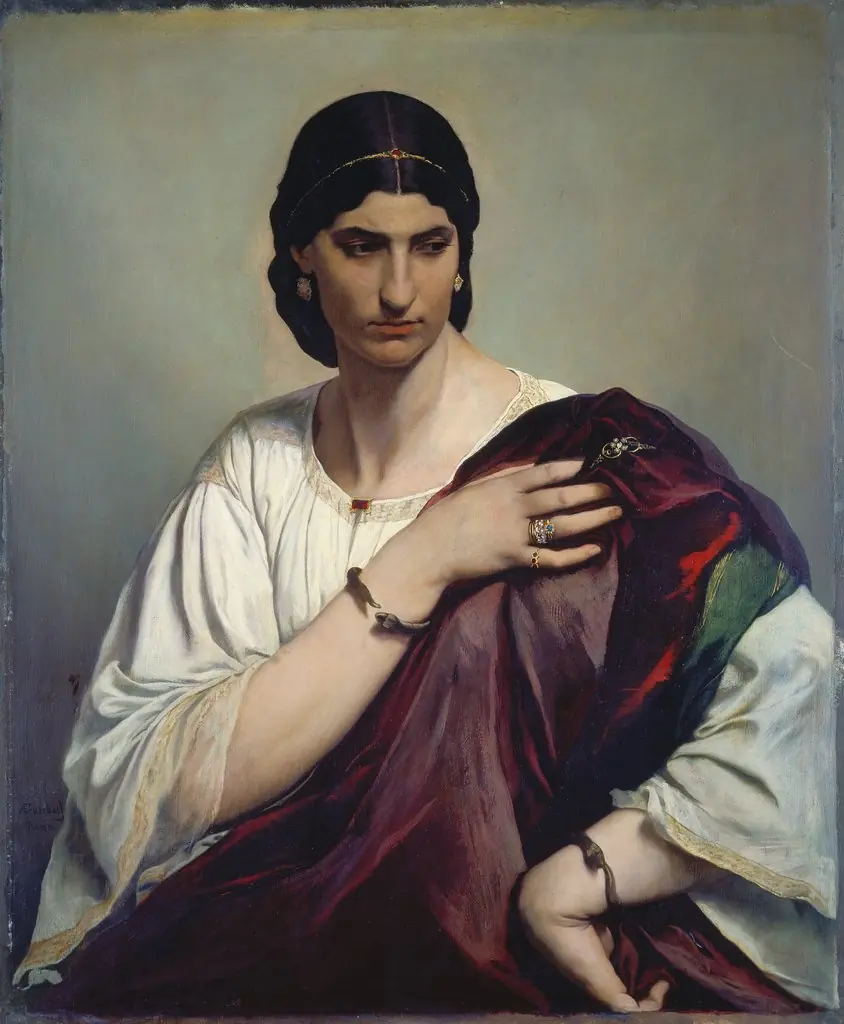 Lucrezia Borgia; Portrait of a Roman woman in white tunic and red robe
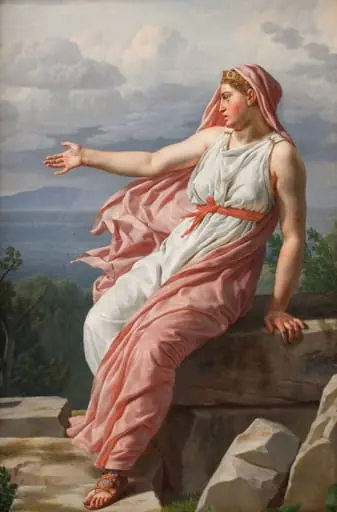 Alcyone's Farewell to her Husband. From Ovid's Metamorphoses, Song XI
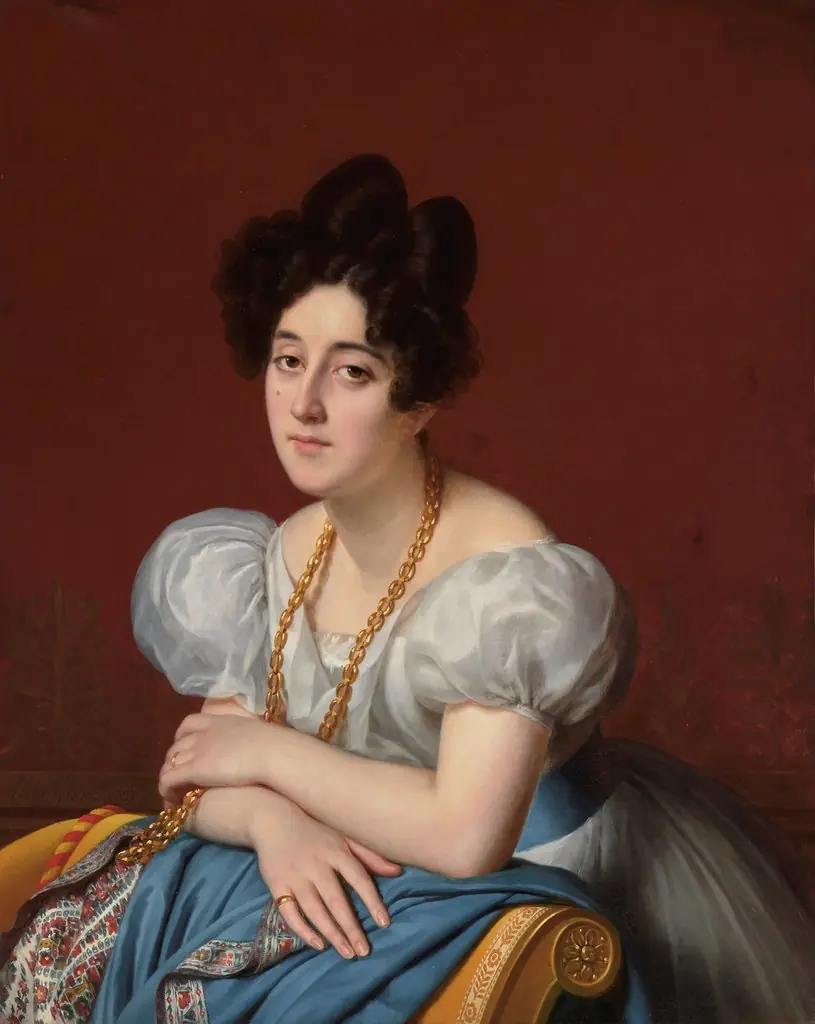 Portrait of a young woman leaning on a meridienne
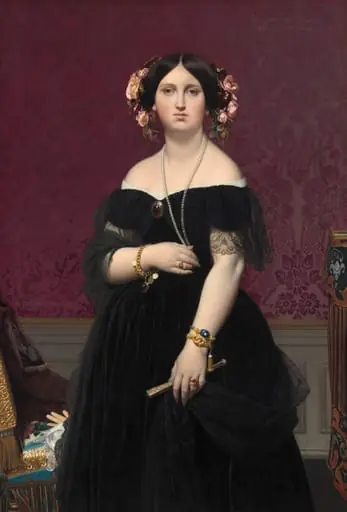 Madame Moitessier
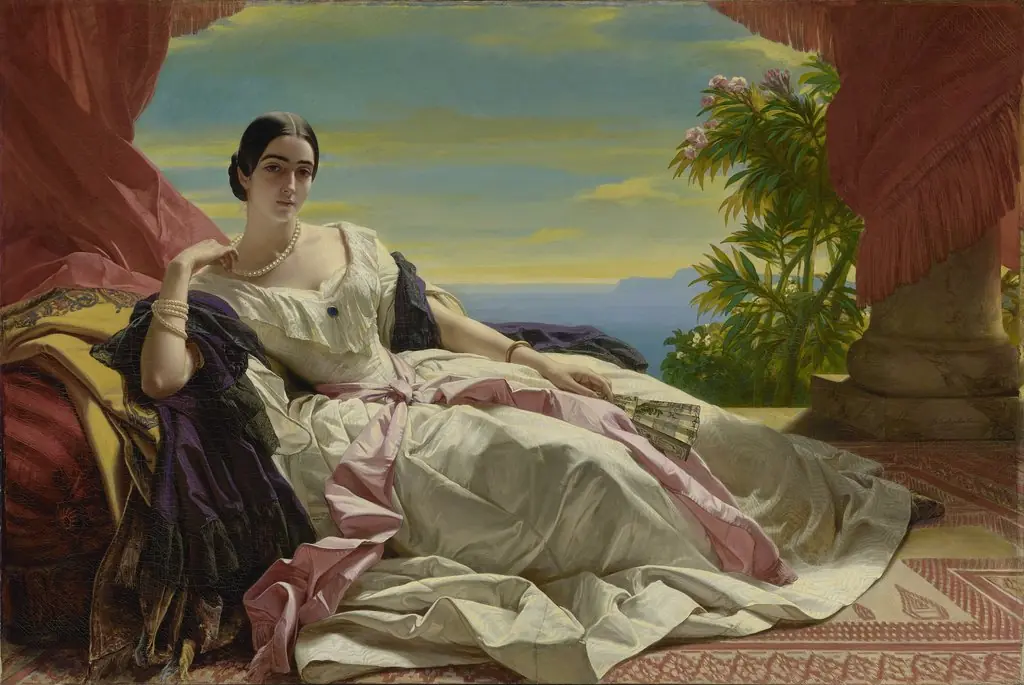 Portrait of Leonilla, Princess of Sayn-Wittgenstein-Sayn
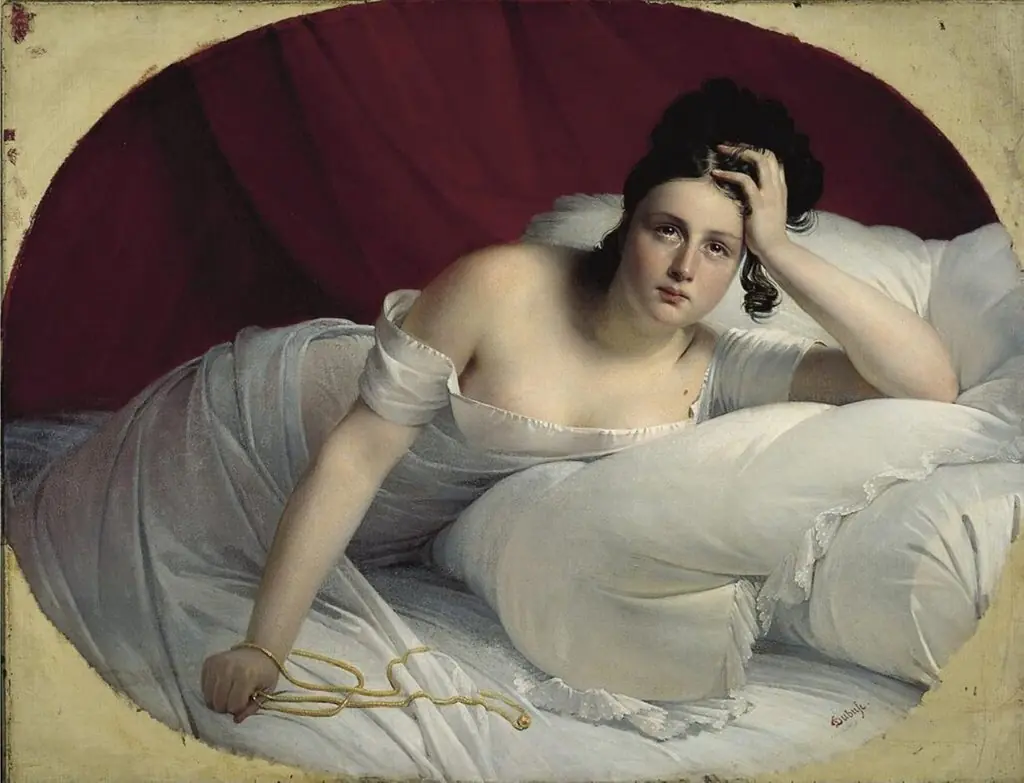 Regrets
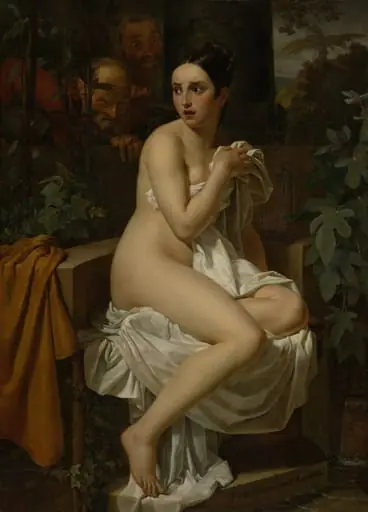 Susanna and the Elders
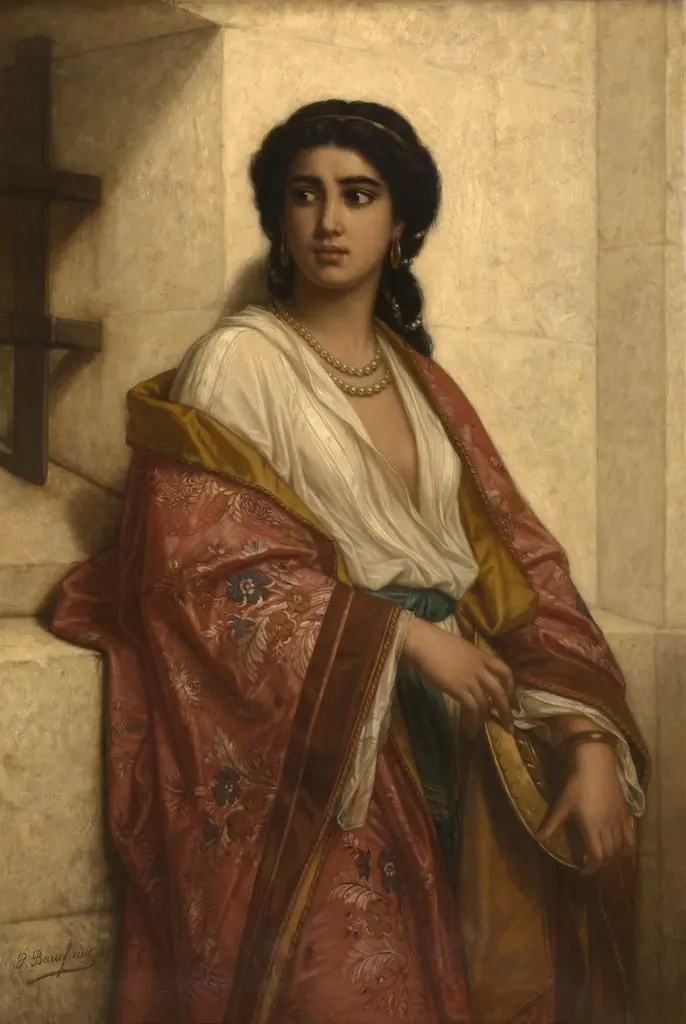 Salome Watching the Beheading of John the Bapitist
 Study of Olympe Pelissier as Judith
 Salome with the Head of John the Baptist