Artwork
Bust of Helena Modrzejewska
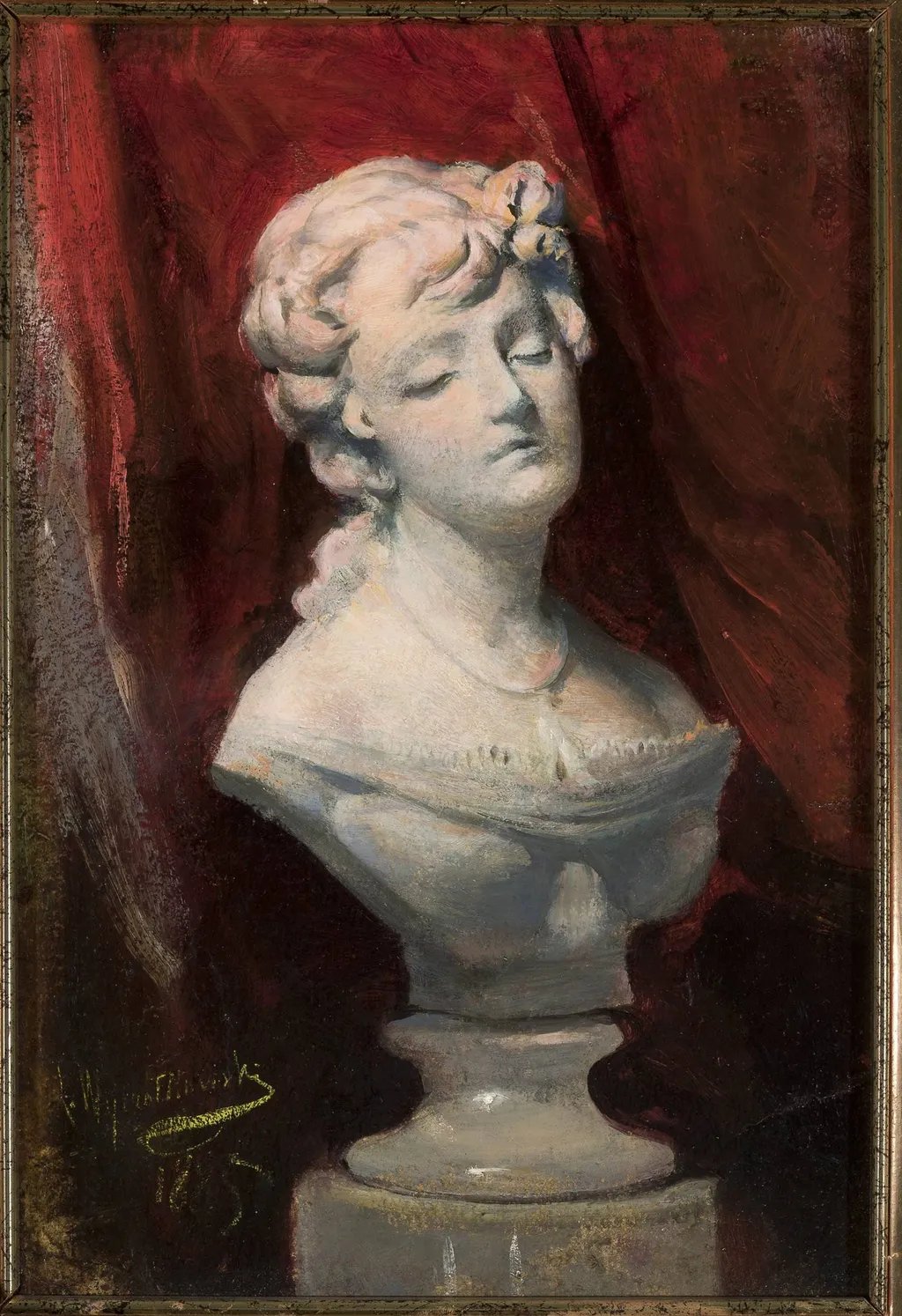
Bust of Helena Modrzejewska is an oil painting by the Impressionist artist Leon Wyczółkowski. It dates from 1893 and is held in the collection of the National Museum in Warsaw.
About this work
Overview
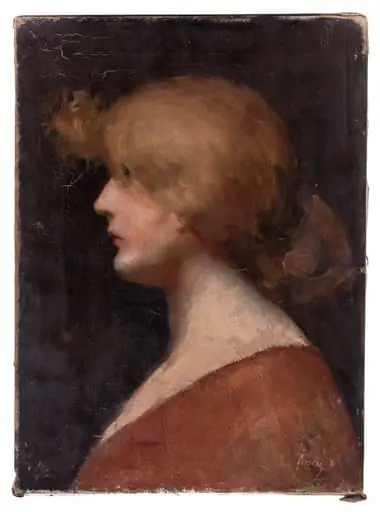
Leon Wyczółkowski created this oil painting in 1893, capturing a sculpted bust of the Polish actress Helena Modrzejewska. Though executed in paint, the work mimics the appearance of marble sculpture, rendered with careful attention to light and surface. The composition is intimate, isolating the bust against a deep red backdrop, emphasizing stillness and focus over narrative context.
Subject & Meaning
The subject is Helena Modrzejewska, a celebrated stage actress known for her emotional depth and international acclaim.
The subject is Helena Modrzejewska, a celebrated stage actress known for her emotional depth and international acclaim. By depicting her as a bust with closed eyes, Wyczółkowski shifts focus from performance to inner life. The serene expression and stillness suggest contemplation, transforming her public persona into a private, almost memorialized presence—inviting quiet reverence rather than theatrical admiration.
Technique & Style
Wyczółkowski employed varied brushwork to distinguish textures: smooth, blended strokes define the marble surface, while looser, directional strokes convey the folds of the crimson curtain. Subtle gradations in tone model the bust’s volume without harsh outlines, aligning with Impressionist concerns for light and atmosphere. The palette is restrained, relying on white, gray, and deep red to unify form and setting with quiet harmony.
History & Provenance
Painted in 1893, the work emerged during Wyczółkowski’s engagement with the Young Poland movement, a cultural revival emphasizing national identity and artistic renewal. Though Modrzejewska was living in exile in the United States at the time, her cultural significance in Poland remained strong. The painting likely originated as a personal tribute, later entering institutional collections as a symbol of artistic and national pride.
Context
In late 19th-century Poland, under foreign partition, cultural figures like Modrzejewska became symbols of national resilience. Wyczółkowski, aligned with Realism and emerging modernist trends, sought to elevate everyday and cultural subjects with psychological depth. This portrait reflects a broader trend of honoring intellectual and artistic women as embodiments of national spirit, distinct from traditional heroic imagery.
Legacy
The painting endures as a quiet testament to Wyczółkowski’s ability to merge realism with emotional restraint. It influenced later Polish portraiture by demonstrating how stillness and subtlety could convey dignity and inner life. Though not widely exhibited internationally, it remains a touchstone in Polish art history for its synthesis of personal tribute and cultural symbolism.
Artist & collection
Artist
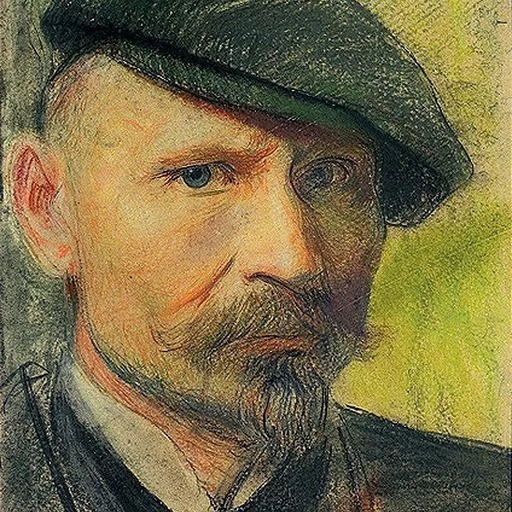
Leon Jan Wyczółkowski (Polish: ; 11 April 1852 – 27 December 1936) was a Polish painter and educator who was one of the leading painters of the Young Poland movement, as well as the principal representative of Polish Realism in art of the…