Artwork
Portrait of Roedolph van Olden (1752-1828)
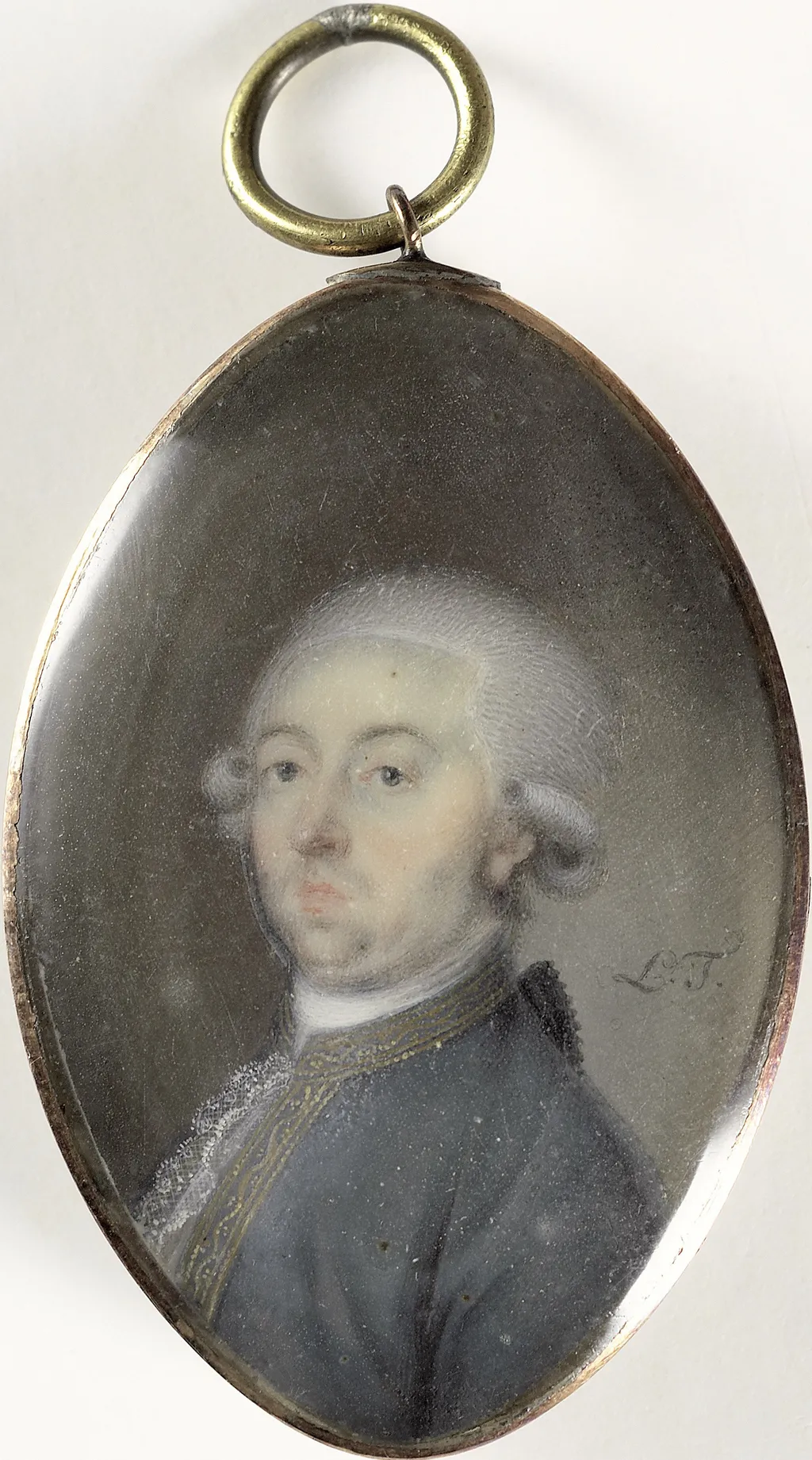
Portrait of Roedolph van Olden (1752-1828) is an ivory painting by the Rococo painting artist Leonardus Temminck. It dates from 1796 and is held in the collection of the Rijksmuseum.
About this work
Overview
Leonardus Temminck's 'Portrait of Roedolph van Olden (1752-1828)' is a small, oval ivory painting created in 1796, now part of the Rijksmuseum's collection.
Subject & Meaning
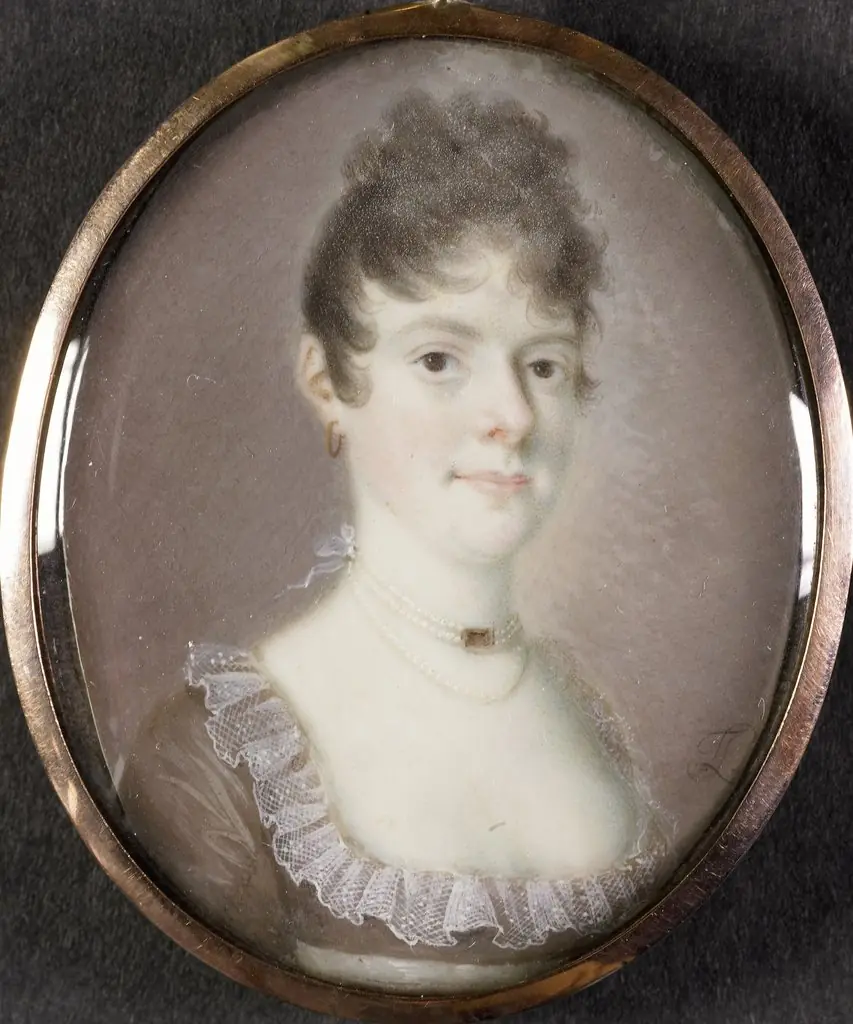
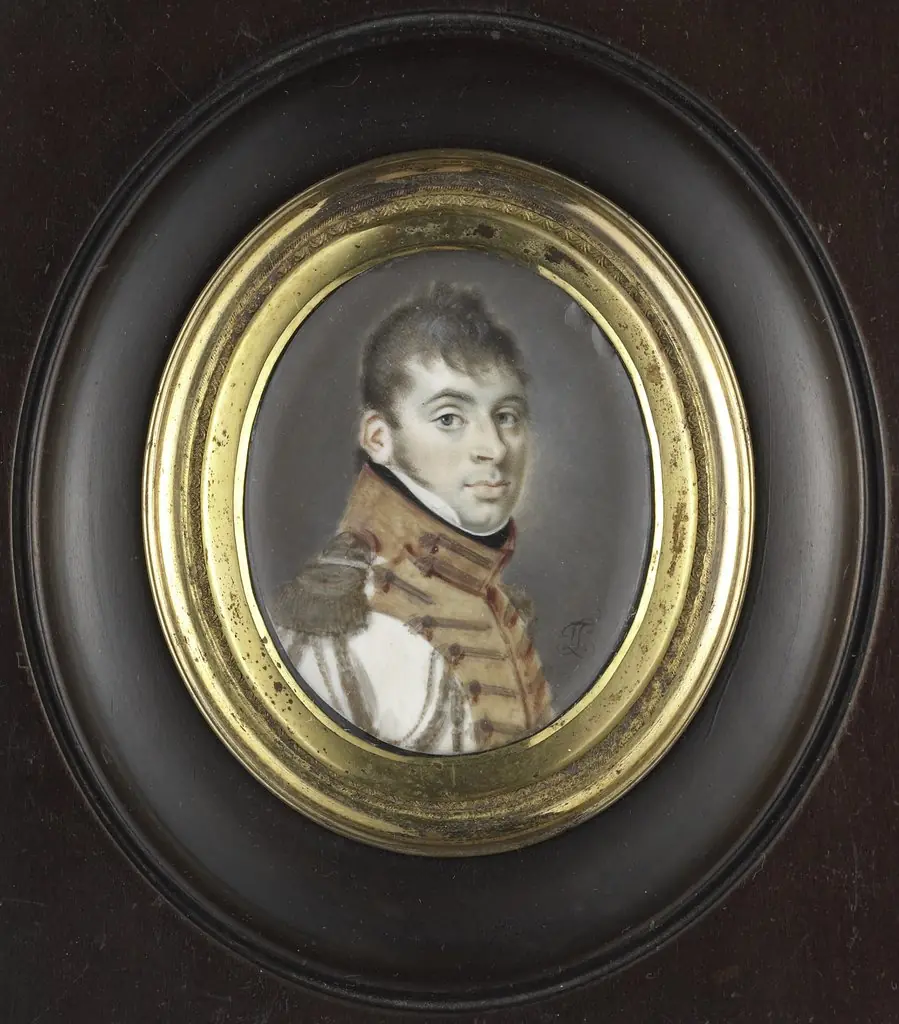
The portrait depicts Roedolph van Olden, a man with pale hair and a serious expression, dressed in a dark coat with gold trim and a white cravat. The soft lighting emphasizes gentle facial contours, suggesting a contemplative or introspective demeanor.
Technique & Style
Executed on ivory, the work showcases Temminck's skill in miniature portraiture. Subtle shading and the use of light on the subject's face demonstrate a nuanced approach to capturing likeness and mood. The artist's signature is discreetly placed in the corner.
History & Provenance
Commissioned as a personal keepsake, the portrait was likely intended for wear or carriage by its original owner. It is now housed at the Rijksmuseum, where similar 18th-century miniature portraits can be found.
Context
This piece reflects the late 18th-century tradition of miniature portraits on ivory, popular as intimate, portable tokens of affection or remembrance among the European elite.
Legacy
While not widely renowned beyond its collection context, the portrait provides insight into Temminck's technique and the prevalent tastes of his time, contributing to the Rijksmuseum's comprehensive display of Dutch artistic heritage.
Artist & collection

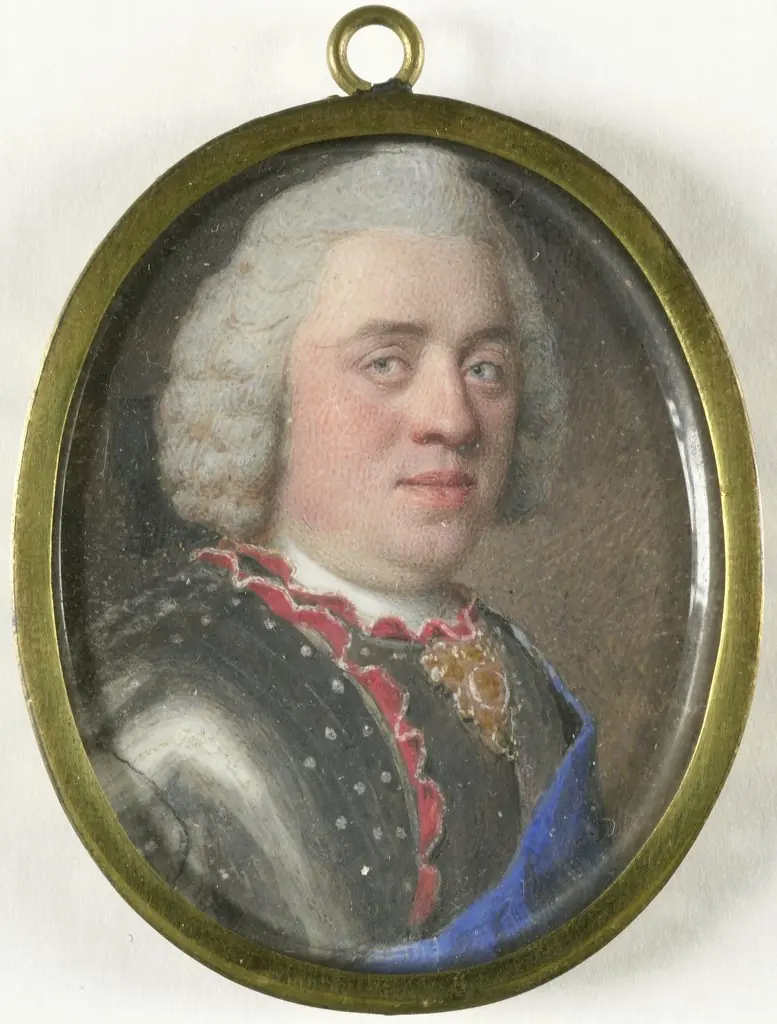 Portrait of Willem IV van Oranje- Nassau (1711-1751)
 Portrait of Willem IV van Oranje- Nassau (1711-1751)
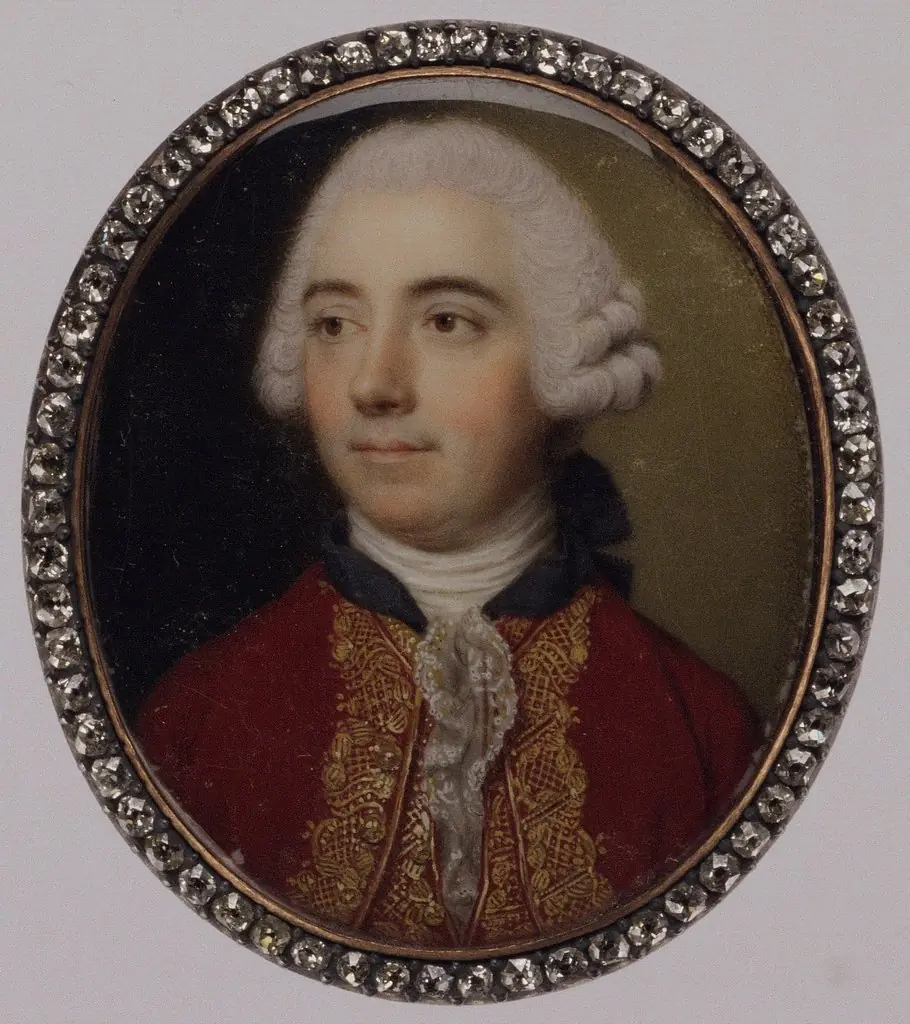 Sir William Hood
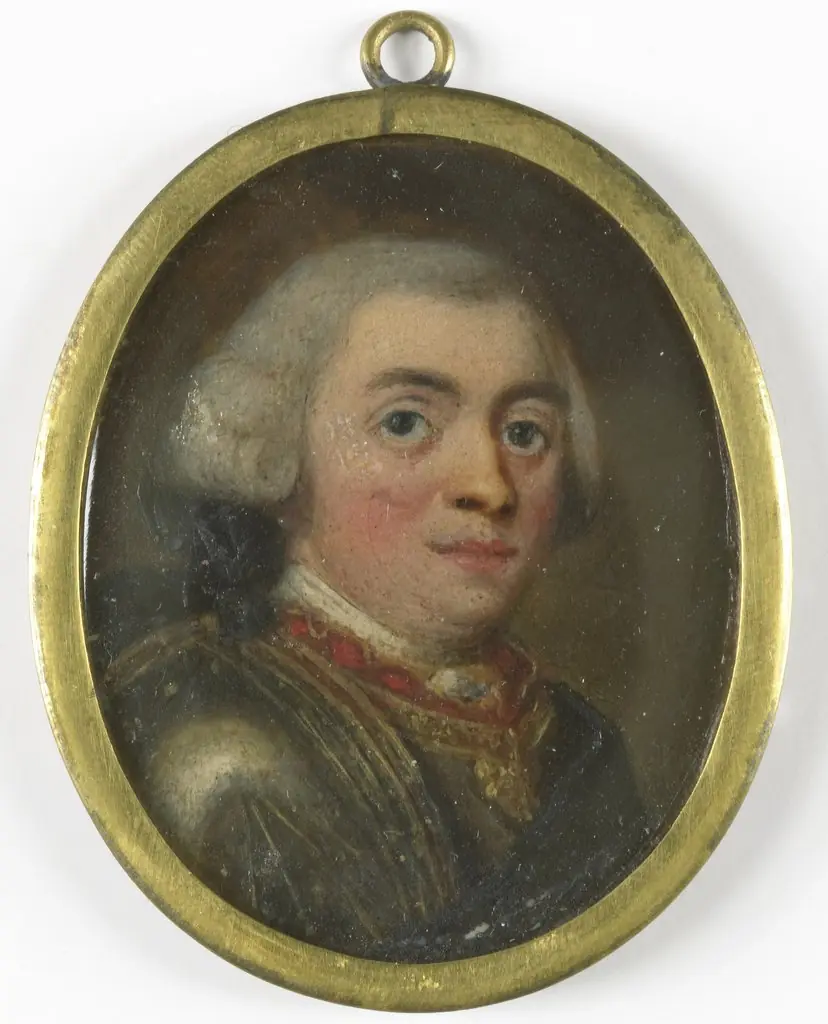 Willem IV (1711-51), prins van Oranje Nassau
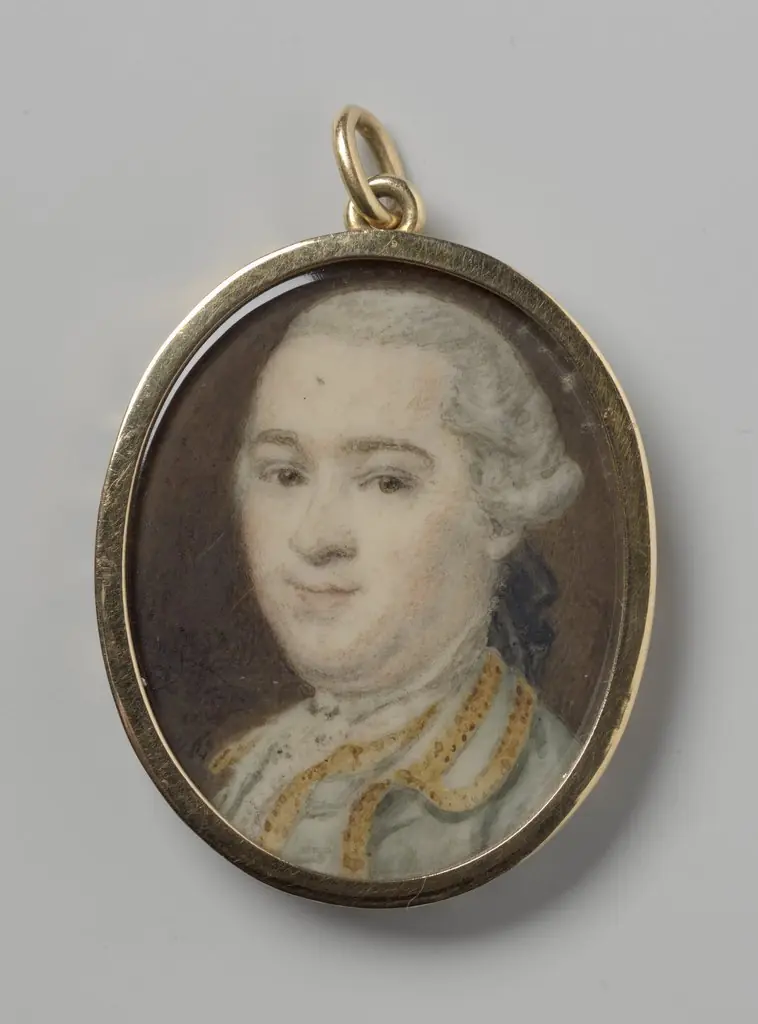 Portret van een man
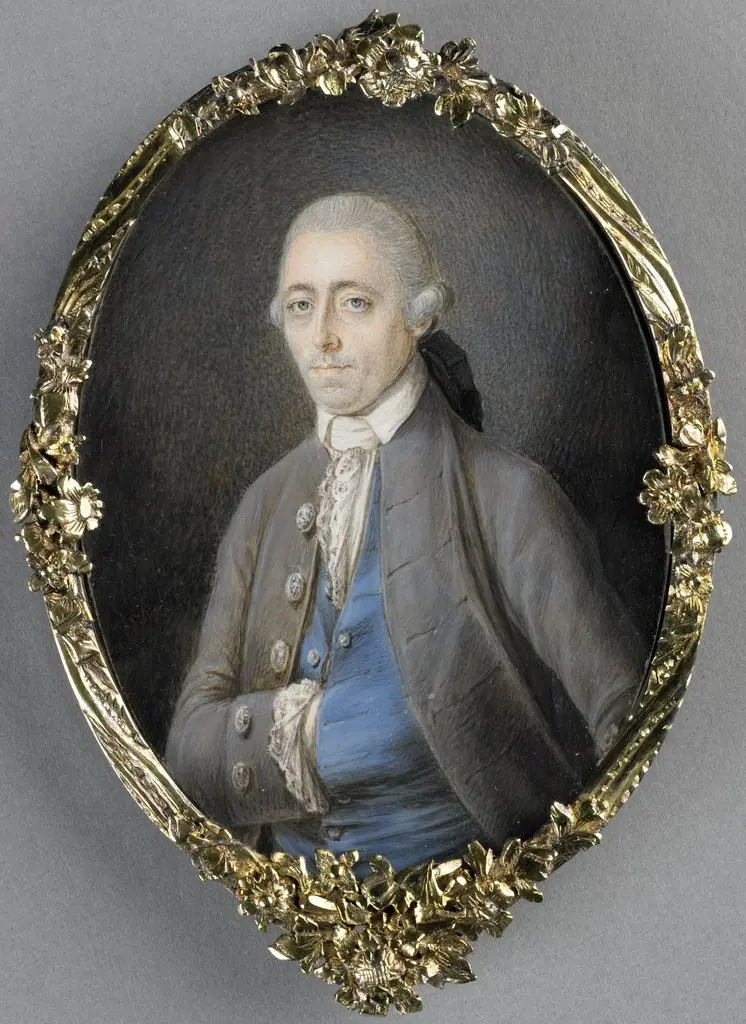 Portrait of Johannes Wesenhagen (1743-1803)
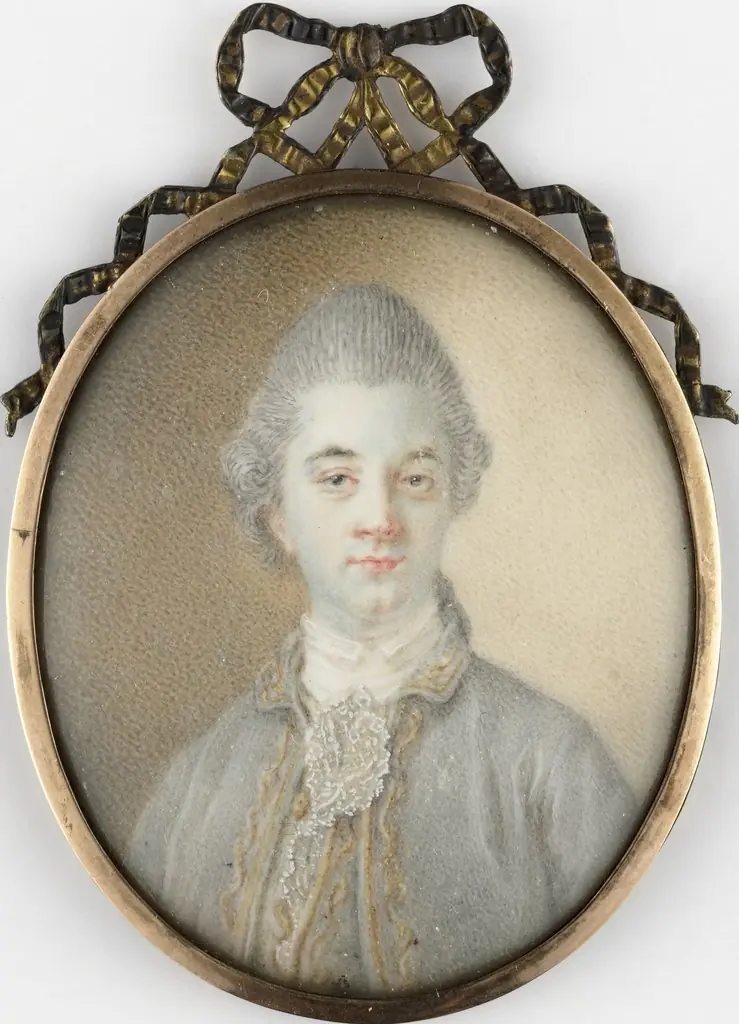 Mr. Willem Boreel (1744-1796), magistrate of Amsterdam
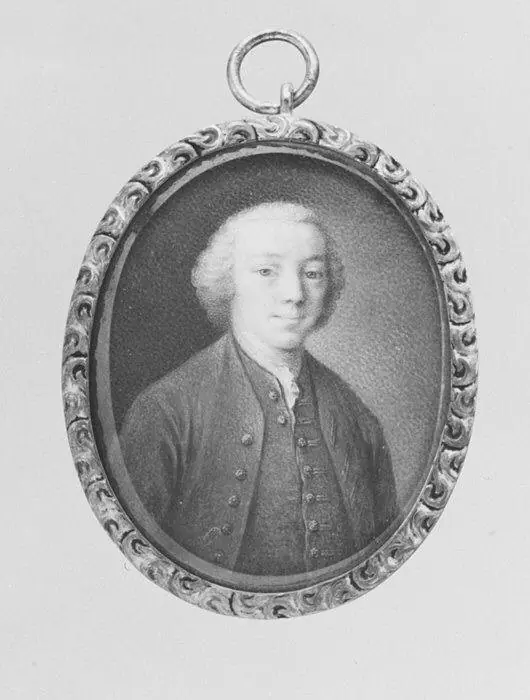 Portrait of a Man
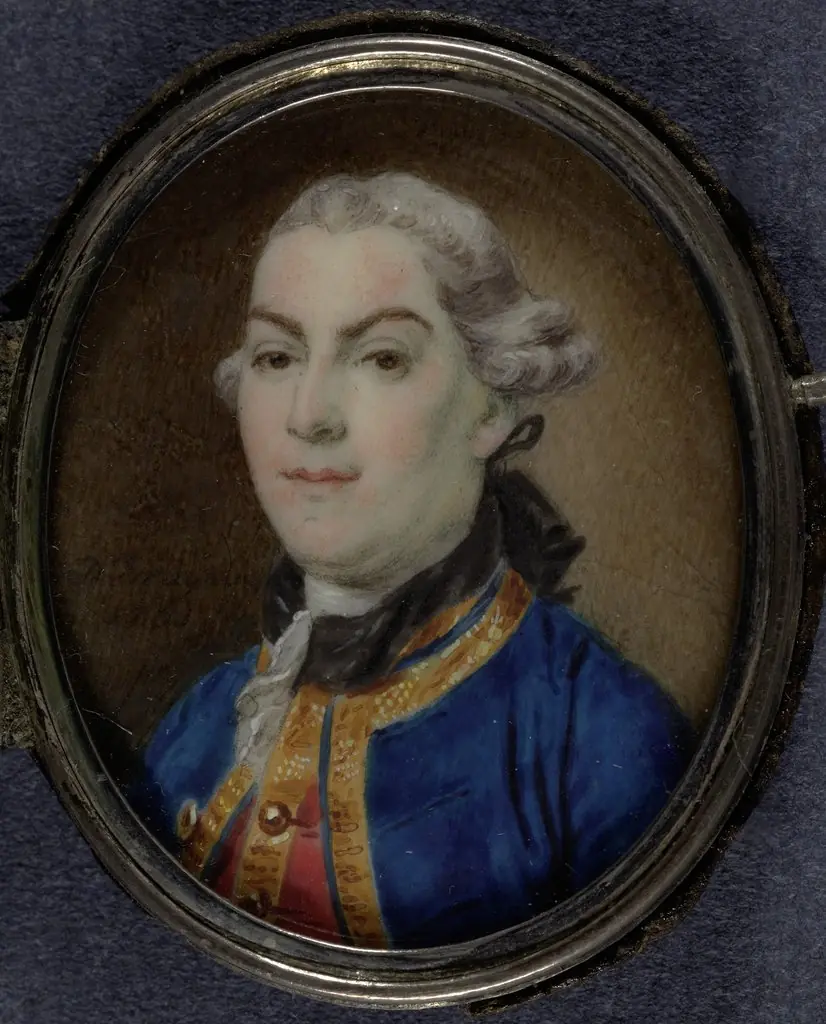 Portrait of a man
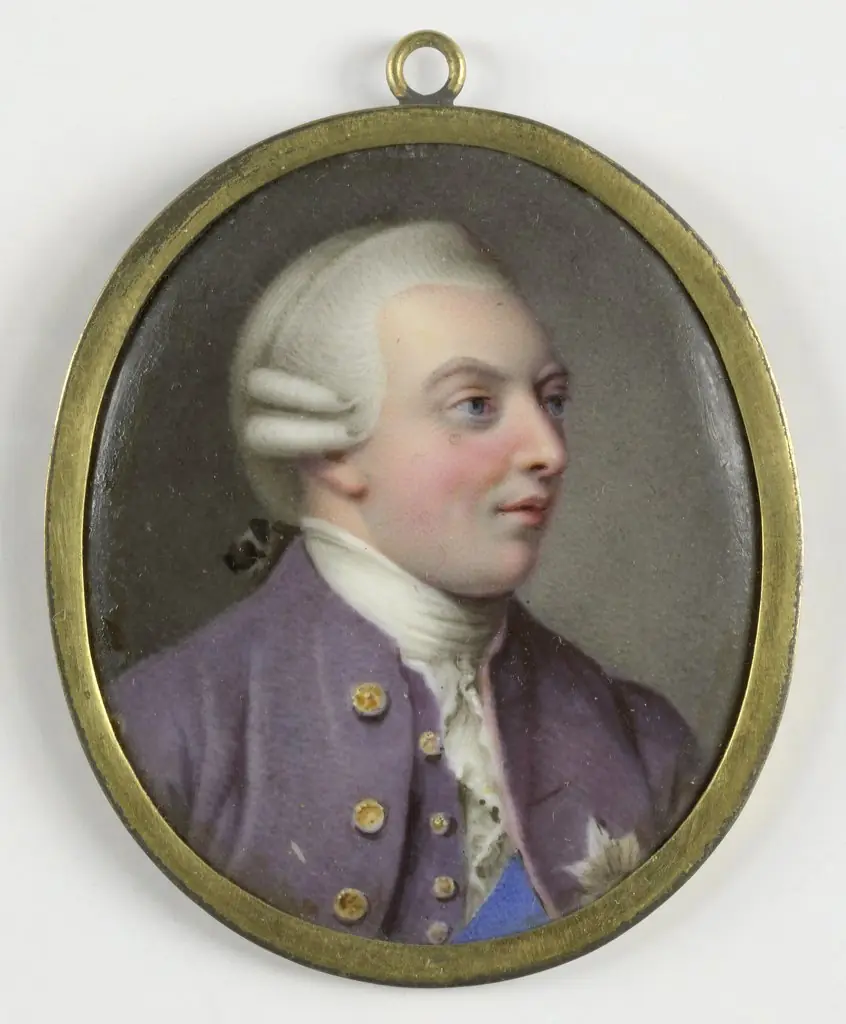 George III (1738-1820), koning van Engeland
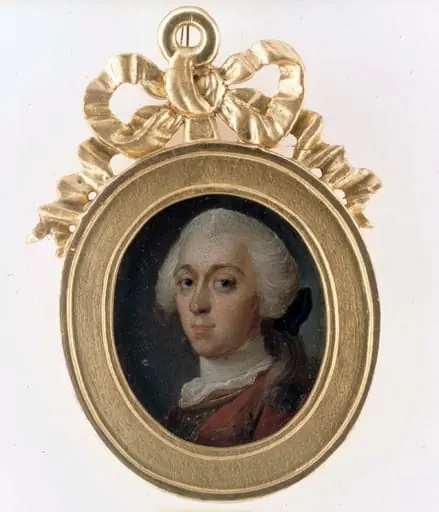 Valtaneuvos Clas Ekeblad
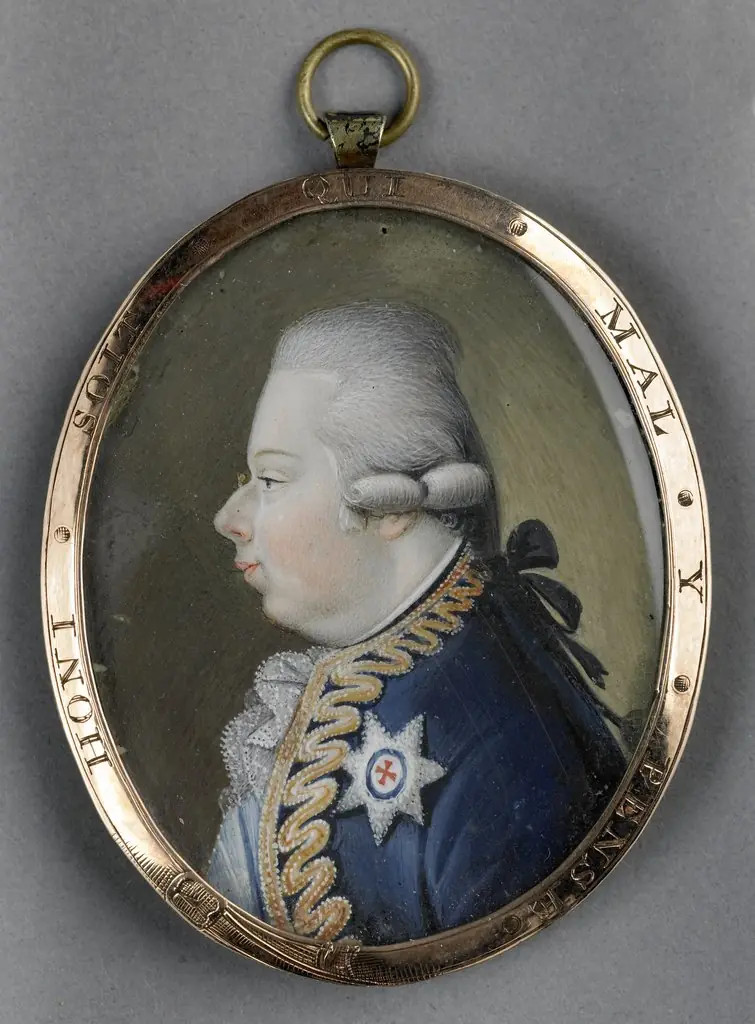 Portrait of Willem V van Oranje- Nassau (1748-1806)