Artwork
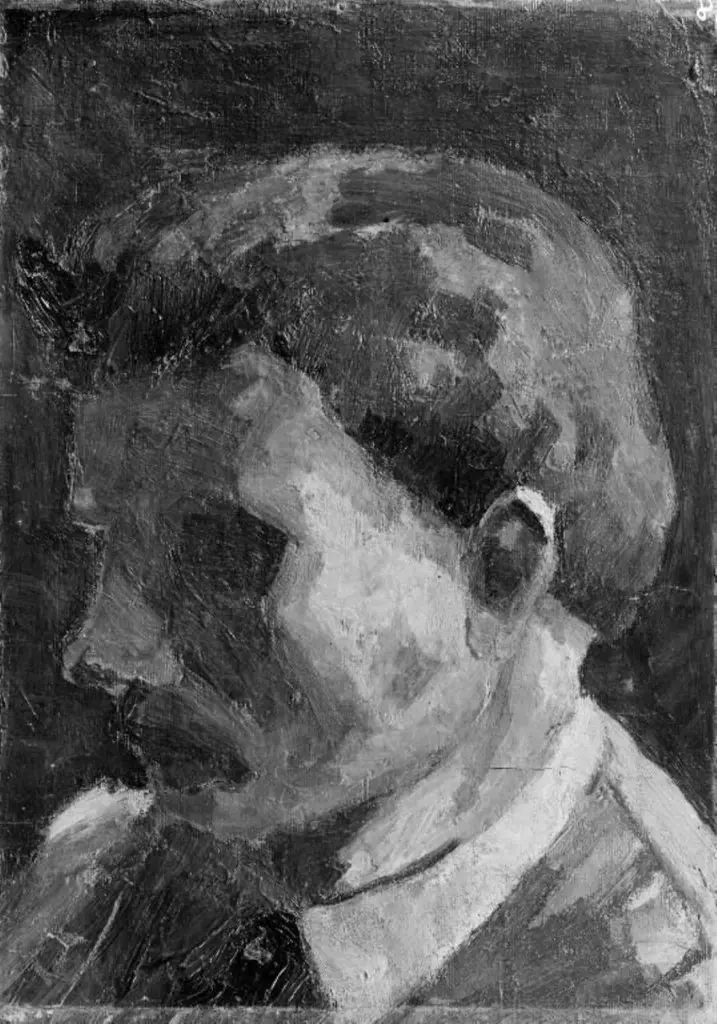
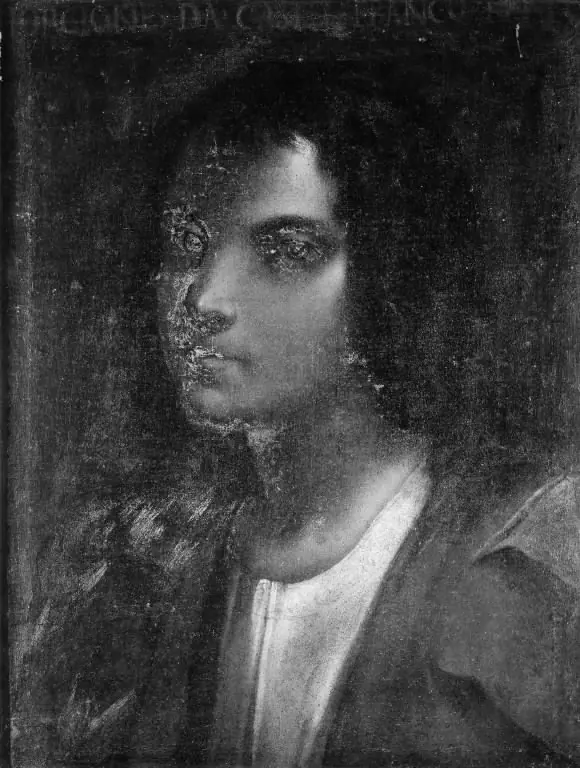
Bildnis eines Mannes (?)
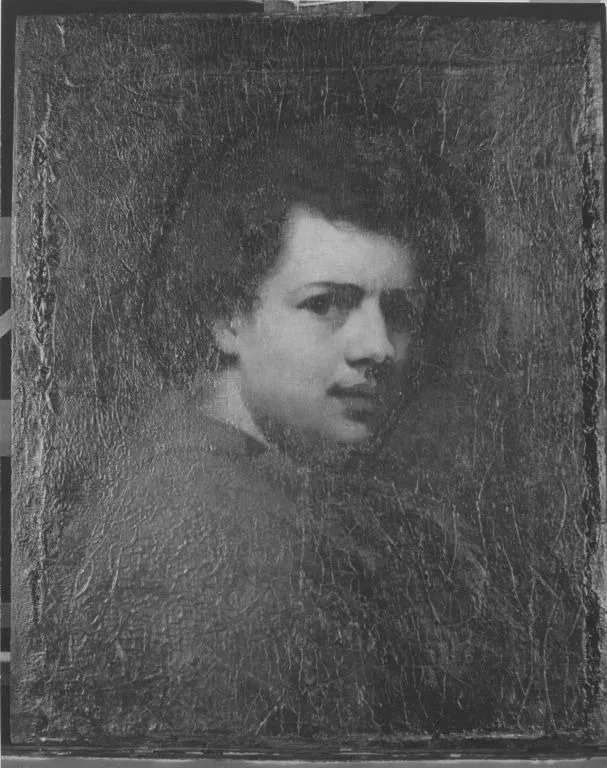
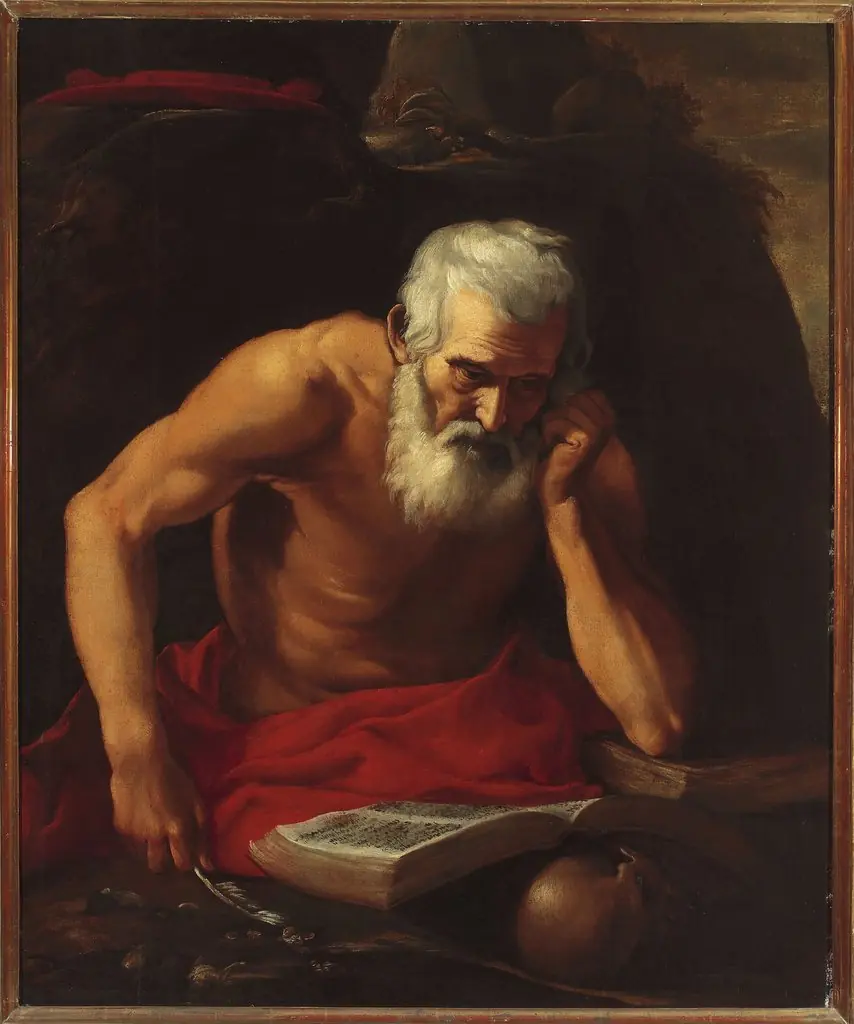
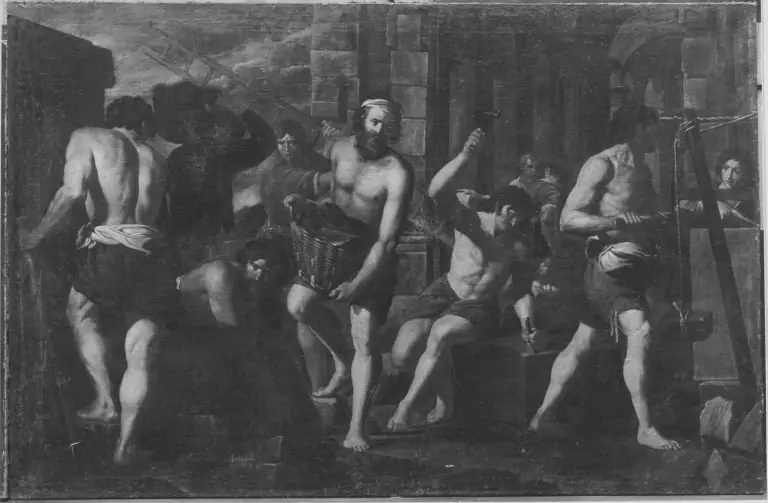
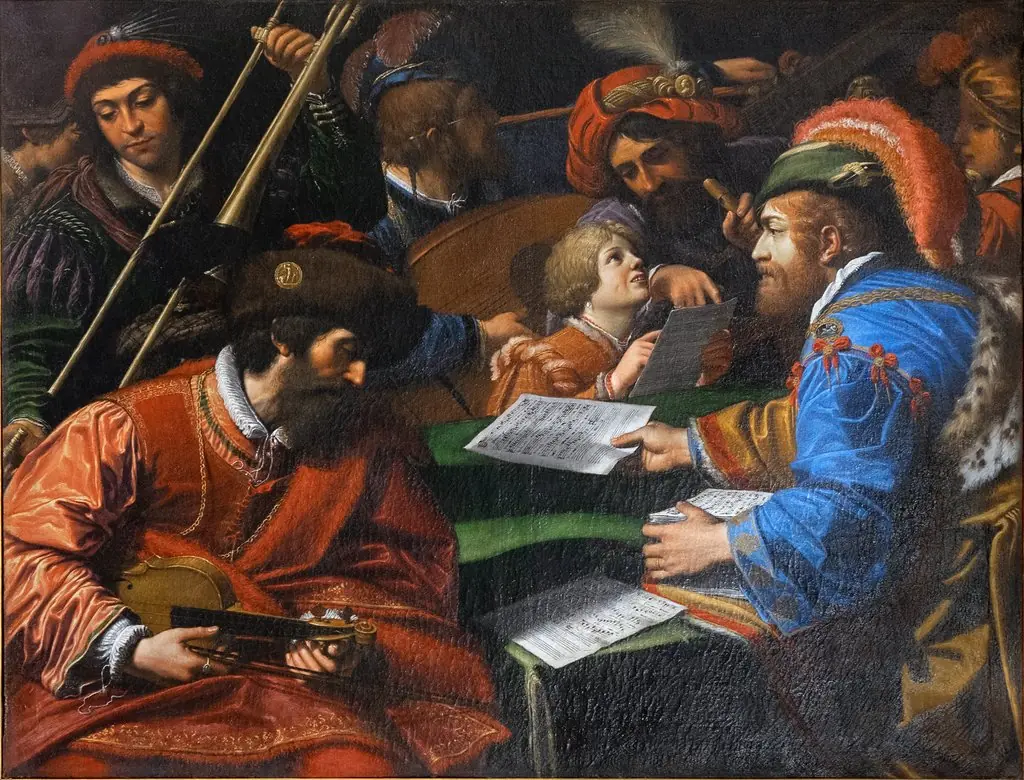
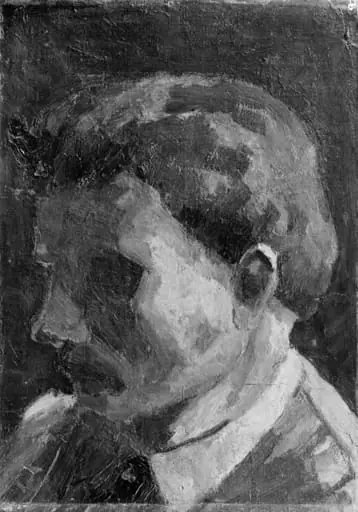
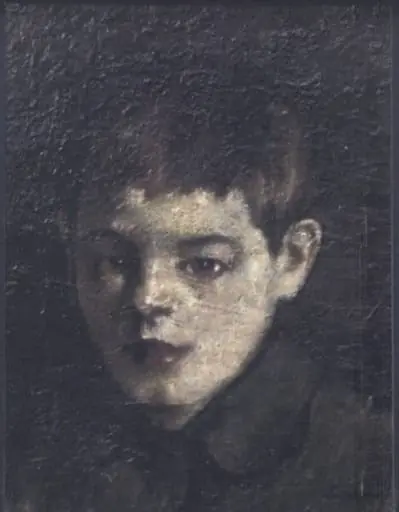
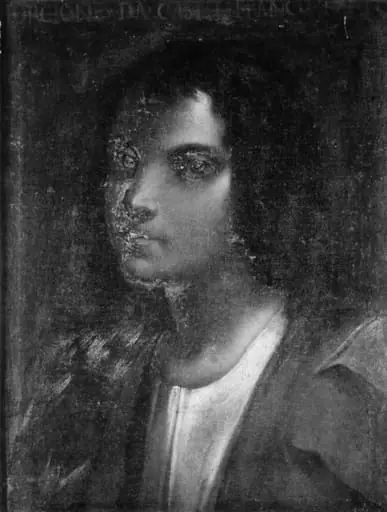
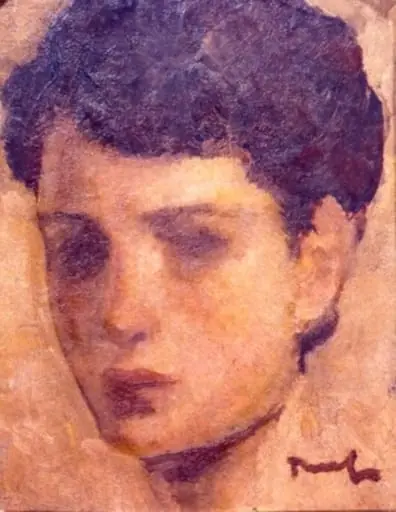
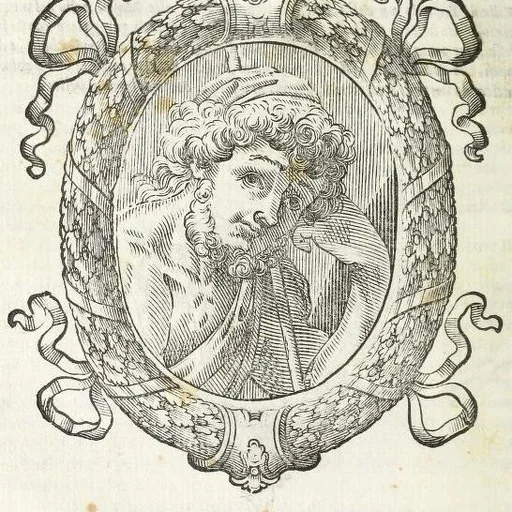
Bildnis eines Mannes (?) is an unspecified painting by the Early Baroque Italian artist Leonello Spada. It dates from 1600 and is held in the collection of the Bavarian State Painting Collections.
About this work
Overview
Leonello Spada, an early‑17th‑century Italian painter who worked in both Bologna and Rome, produced this portrait of a man around the year 1600. The work belongs to the collection of the Alte Pinakothek in Munich and exemplifies the nascent Baroque sensibility that was spreading through Italy at the turn of the century.
Subject & Meaning
The canvas presents a solitary male figure set against a dark, unadorned backdrop. He gazes directly at the viewer, his expression calm yet introspective, suggesting a moment of quiet self‑reflection. While the sitter’s identity remains uncertain, some scholars have proposed that the painting may be a self‑portrait, given its focus on the artist’s own likeness.
Technique & Style
Executed in oil on panel, the portrait employs a restrained palette of deep browns and muted blacks, allowing subtle tonal variations to model the face. Spada’s handling of light and shadow reflects the chiaroscuro approach championed by Caravaggio, creating a three‑dimensional effect that emphasizes the sitter’s features while the background recedes into darkness.
History & Provenance
After its creation, the painting entered private collections before being acquired by the Bavarian state museum in the 19th century. It has remained in the Alte Pinakothek’s holdings since that acquisition, where it is displayed among other works illustrating the transition from late Mannerism to early Baroque painting in Italy.
Artist & collection
Artist
Leonello Spada (also called Lionello Spada) (1576 – 17 May 1622) was an Italian painter of the Baroque period, active in Rome and his native city of Bologna, where he became known as one of the followers of Caravaggio.