Artwork
John Constable
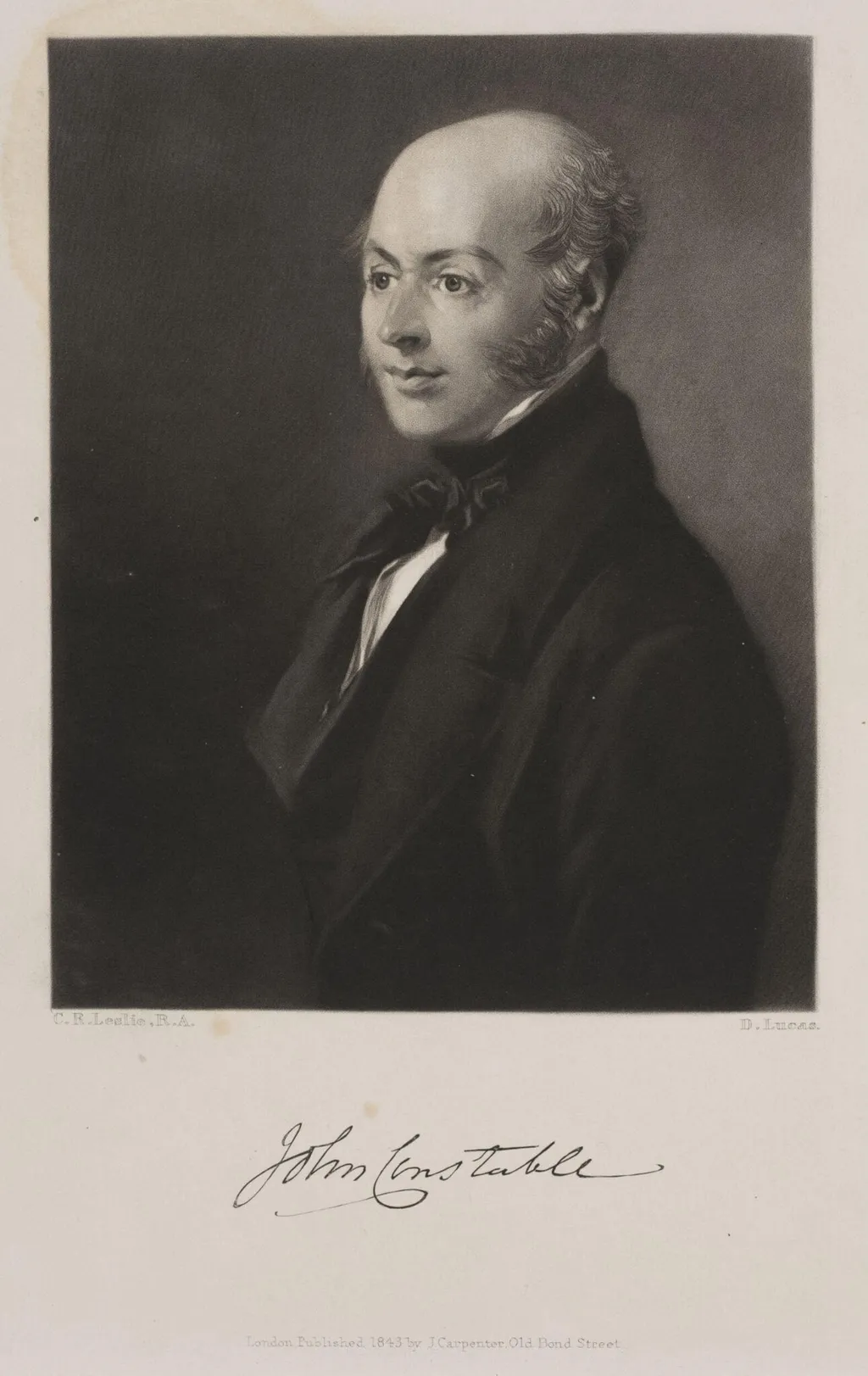
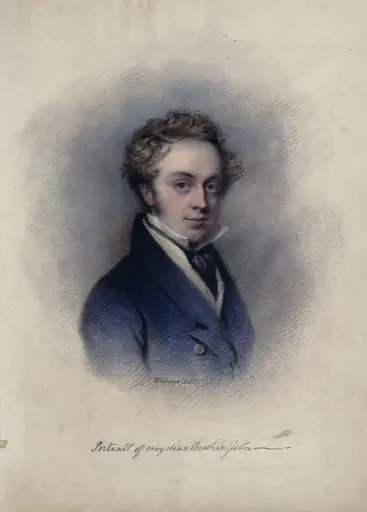
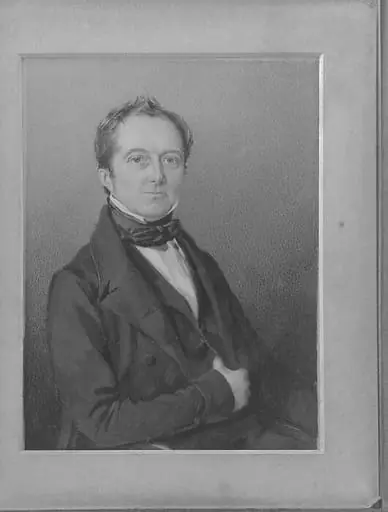
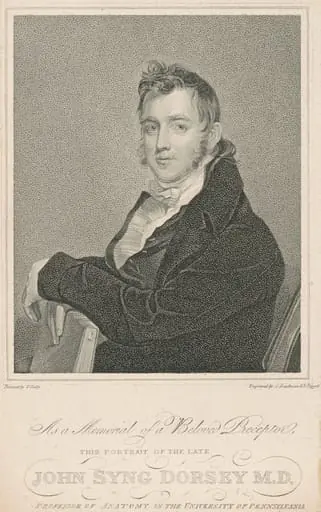
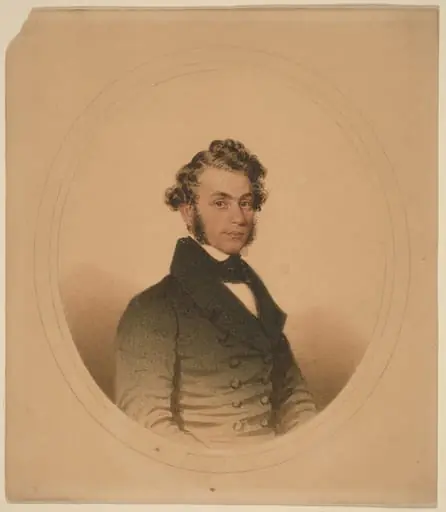
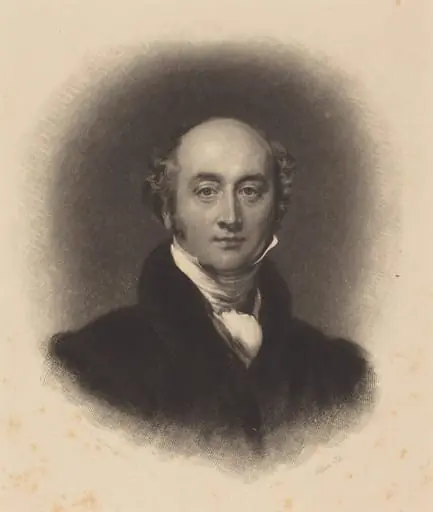
John Constable is a print by the Romanticist artist Leslie, C.R.. It dates from 1843 and is held in the collection of the Victoria and Albert Museum.
About this work
They started in 1830, grew in 1833, and kept getting reprinted even after Constable died.
Constable’s name shows up here again, but this print isn’t his work. Leslie, C.R. turned one of Constable’s sketches into a print in 1843. It’s a mezzotint, a fancy way to make rich darks and soft lights from a metal plate.
This piece came from a famous set of 22 Constable-inspired prints. They started in 1830, grew in 1833, and kept getting reprinted even after Constable died.
See more like it at the Victoria and Albert Museum.
Overview
This mezzotint is one of twenty-two prints derived from John Constable’s landscape studies, produced under his supervision between 1830 and 1832. Though Constable did not engrave the plates himself, he directed the process closely, working with David Lucas to translate his oil sketches into tonal prints. The series, titled English Landscape, was conceived as a visual argument for the artistic value of English scenery, and continued to be reprinted after Constable’s death, with additional plates added by Lucas.
Subject & Meaning
The prints selected for the series reflect scenes of personal resonance—rural lanes, riverbanks, and sky-filled vistas from Constable’s native Suffolk and surrounding counties. Rather than idealized landscapes, these works emphasize the quiet dignity of ordinary English terrain. Constable intended them to convey the emotional and structural power of natural light, positioning chiaroscuro not as a decorative device but as the essential rhythm of landscape perception.
Technique & Style
Executed in mezzotint, a technique that allows for subtle gradations between deep black and delicate gray, the prints capture the atmospheric depth of Constable’s sketches. David Lucas, though initially unknown, mastered the medium under Constable’s guidance, using roughened copper plates and careful burnishing to mimic the brushwork and tonal transitions of the originals. The result is a print medium unusually responsive to the painter’s sensitivity to light and weather.
History & Provenance
The first edition of English Landscape was issued in six installments between 1830 and 1832. Constable revised the plates in 1833, refining contrasts and details. After his death in 1837, Lucas continued to reprint the original plates and added new ones based on unpublished studies. One such addition, made in 1843 by C.R. Leslie from a sketch, extended the series beyond Constable’s direct oversight, preserving his vision posthumously.
Context
Constable turned to printmaking late in life, partly to assert his artistic legacy amid public indifference. He drew inspiration from Claude Lorrain’s compositional harmony and Turner’s atmospheric effects, yet sought to ground his vision in observed reality rather than classical myth. The series positioned English landscape as worthy of serious artistic attention, countering the dominance of historical and foreign subjects in academic taste.
Legacy
English Landscape remains a landmark in British printmaking for its fidelity to painterly intent and its technical ambition. Though initially met with limited commercial success, the series later influenced generations of artists and printmakers who valued its quiet realism. Institutions such as the Victoria and Albert Museum hold complete sets, recognizing its role in redefining the potential of the print as a vehicle for artistic expression.
Artist & collection
Artist
British painter of the 19th century, C.R. Leslie made portraits and genre scenes that showed everyday life and people in a straightforward way. In our collection you’ll find his 1843 print titled John Constable—a quiet…