Artwork
Profile of a Man
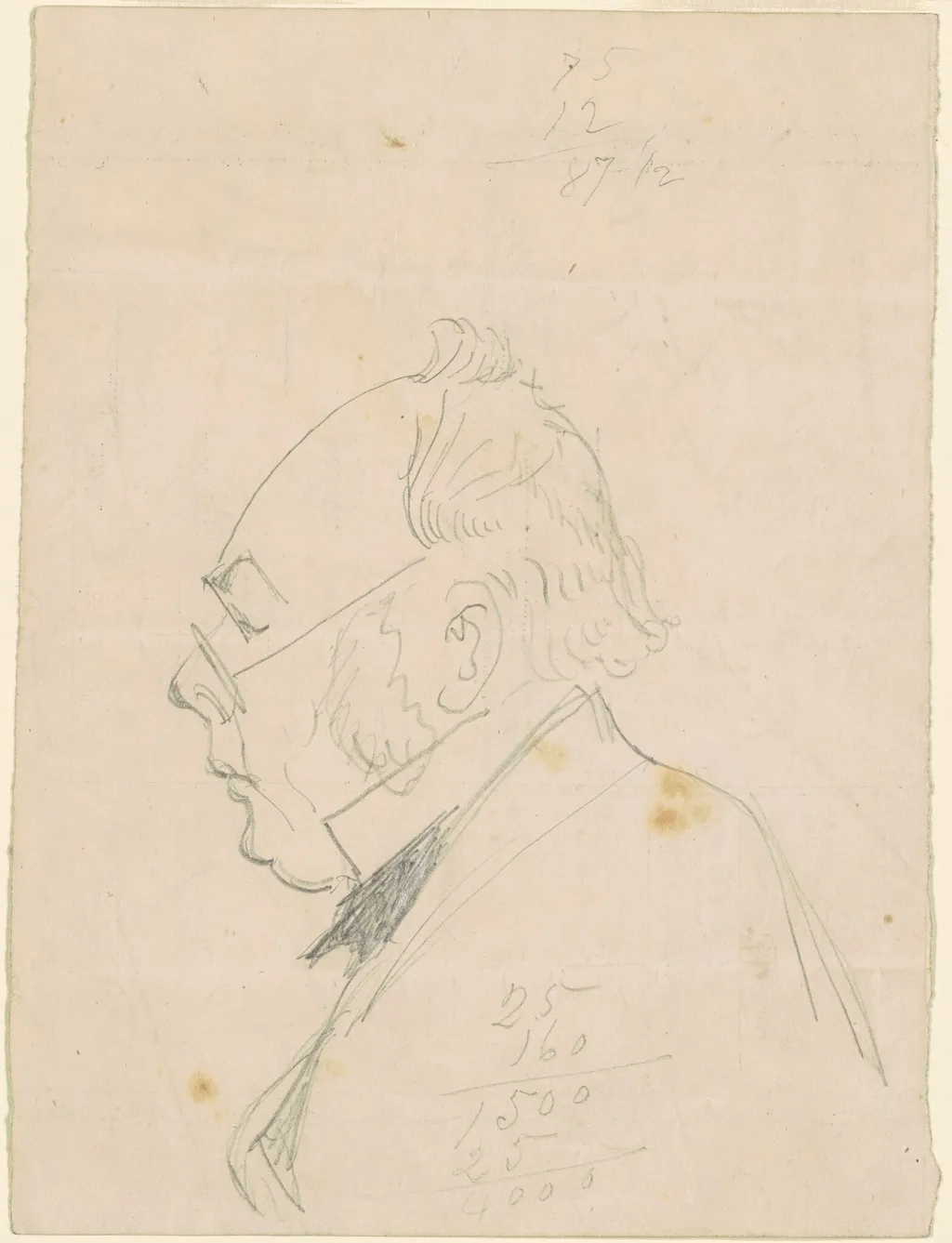
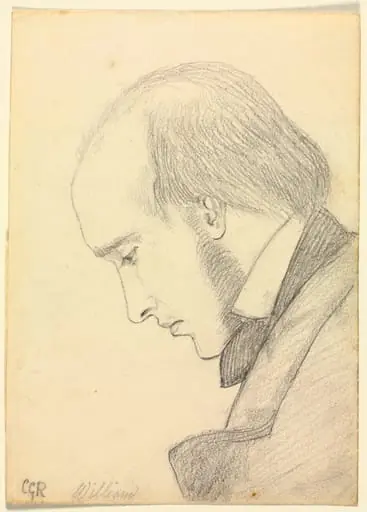
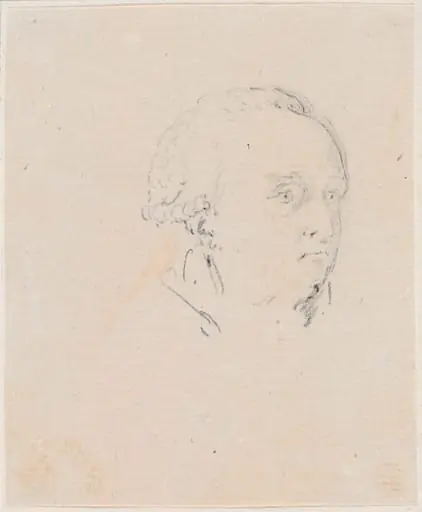
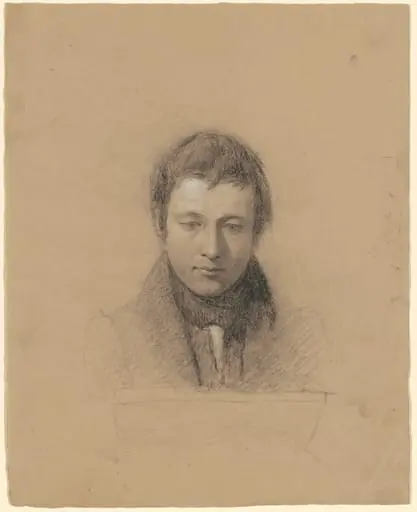
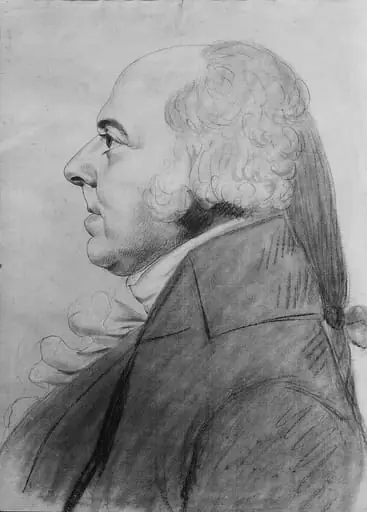
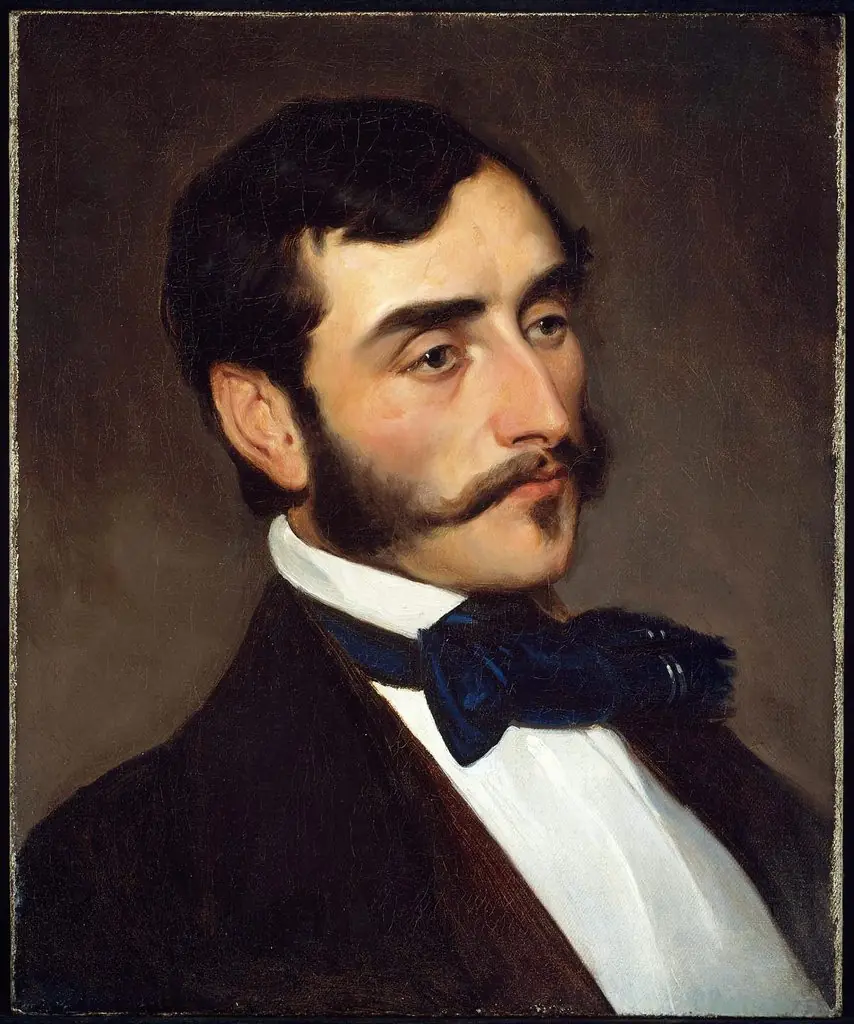
Profile of a Man is a graphite drawing by the Impressionist artist Emanuel Leutze. It dates from 1865 and is held in the collection of the National Gallery of Art.
About this work
Overview
Created in 1865, this small graphite drawing was made on the back of a hotel menu, reflecting the spontaneous nature of the artist’s practice.
Created in 1865, this small graphite drawing was made on the back of a hotel menu, reflecting the spontaneous nature of the artist’s practice. Emanuel Gottlieb Leutze, a German-born painter active in the United States, produced it during a period when he was primarily engaged in large-scale historical compositions. The choice of an everyday surface suggests a moment of informal observation rather than a formal commission.
Subject & Meaning
The drawing presents a profile view of an unidentified man, rendered with quiet precision. Unlike Leutze’s grand historical scenes, this work focuses on an ordinary individual, offering no narrative or symbolic context. Its intimacy lies in the simplicity of the pose and the absence of embellishment, suggesting a fleeting encounter captured in passing rather than a deliberate portrait.
Technique & Style
Leutze used graphite to define the contours of the face with subtle tonal gradations, emphasizing the structure of the brow, nose, and jaw. The lines are controlled yet fluid, avoiding heavy shading in favor of delicate hatching. The medium’s immediacy and the unconventional support reveal a working method attuned to available materials, prioritizing observation over polish.
History & Provenance
The drawing’s origin traces to Leutze’s time in the United States, likely during a stay at a hotel in the mid-1860s. Its survival is likely due to its inclusion in a private collection after the artist’s death, rather than public exhibition. No record indicates it was intended for sale or display, and it remained a personal sketch until later acquisition by a museum.
Context
In 1865, Leutze was completing major commissions and managing his studio in Washington, D.C., while also teaching. The sketch reflects the broader 19th-century practice among artists of recording human forms in passing, often on whatever surface was at hand. Such drawings served as studies or reminders, distinct from the monumental works for which he was known.
Legacy
Though minor in scale, the drawing offers insight into Leutze’s observational habits beyond his celebrated historical paintings. It underscores the quiet, daily rituals of artistic practice and the value of informal work in understanding an artist’s full range. Today, it is preserved as evidence of his engagement with the human figure outside public commissions.
Artist & collection

Artist
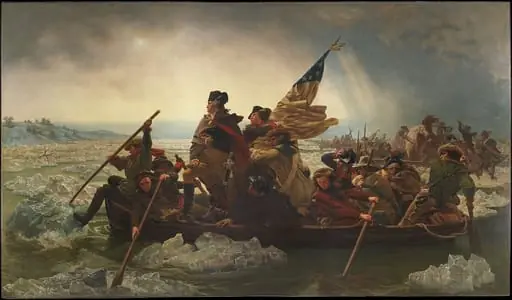
Emanuel Leutze grew up in America but moved to Germany as a teen, where he studied art in Düsseldorf.

![Study of Half-Length Figure with Pole [verso], by Emanuel Leutze](https://artifactworldgallery.com/img/emanuel-leutze--study-of-half-length-figure-with-pole-verso--13a43a492f70c459-w320.webp)
![Men in Seventeenth-Century Costumes [recto], by Emanuel Leutze](https://artifactworldgallery.com/img/emanuel-leutze--men-in-seventeenth-century-costumes-recto--150ea41ebbb78ced-w320.webp)