Artwork
Metsäkivi
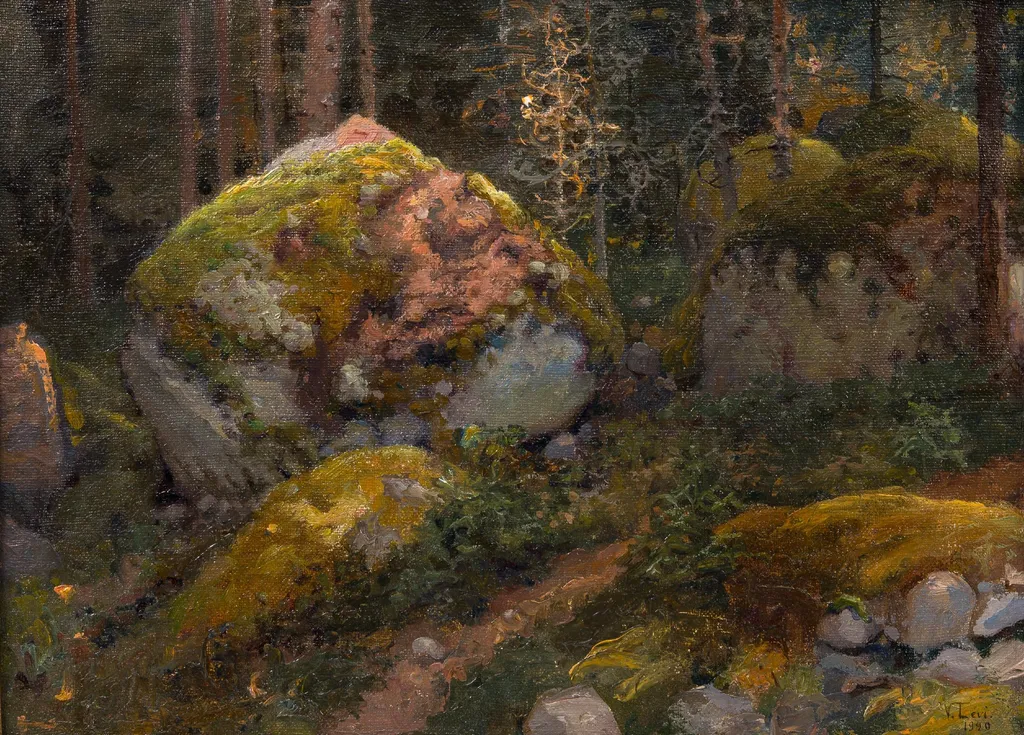
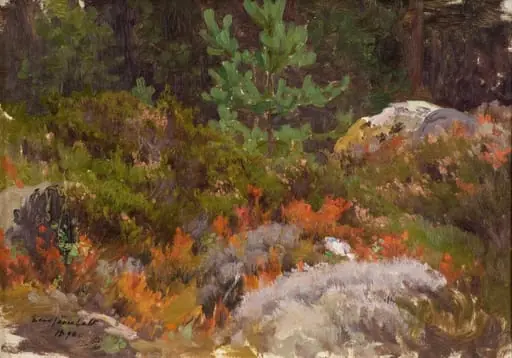
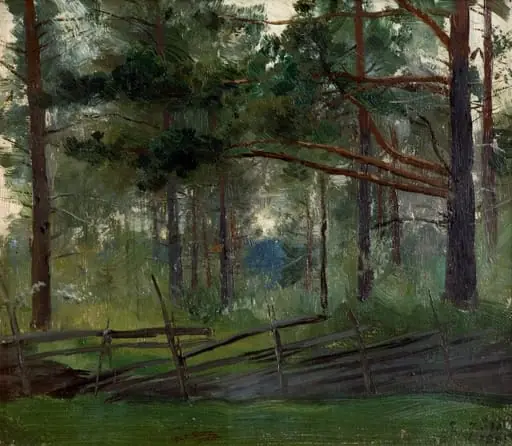
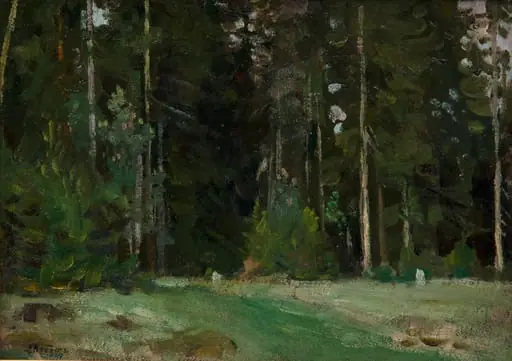
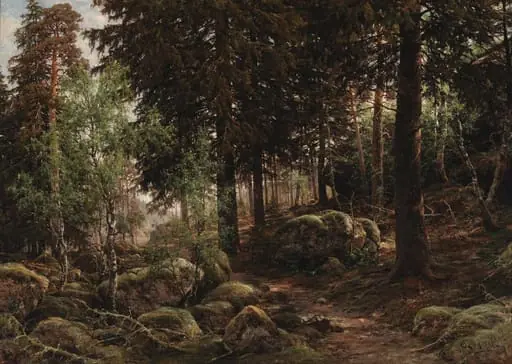
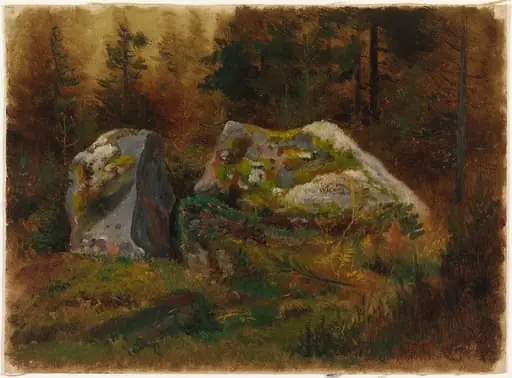
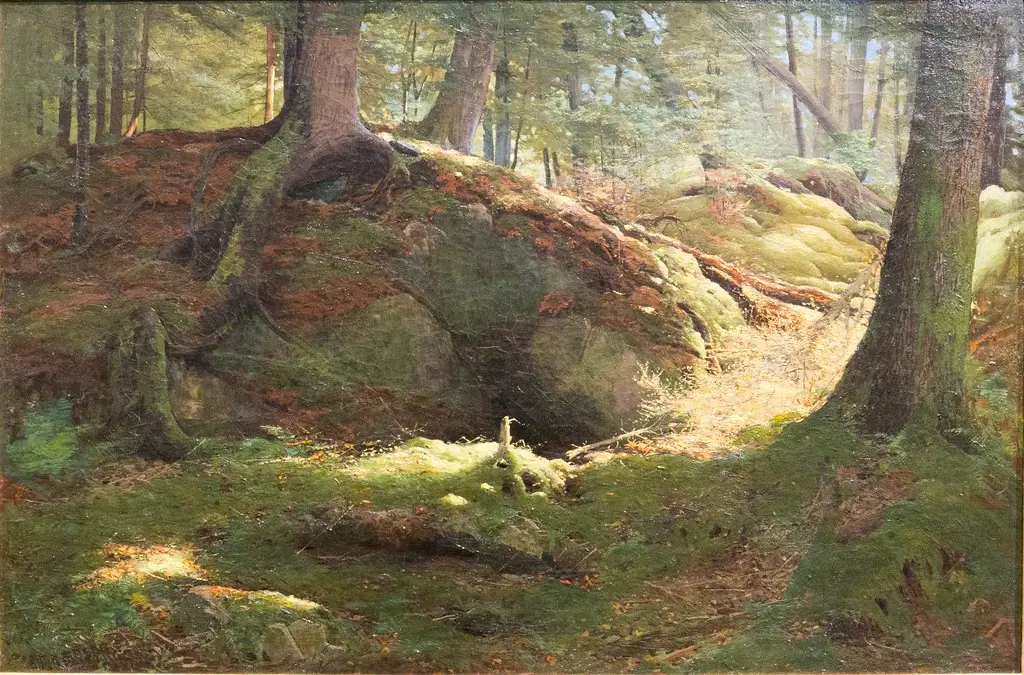
Metsäkivi is a photography by Vasili Filippovich Levi. It is held in the collection of the Järvenpää Art Museum. This painting depicts a quiet forest interior centered on a moss-covered stone, rendered with meticulous attention to natural detail.
About this work
Overview
Though labeled as an image without a specified artist, its precision suggests a deliberate observation of woodland ecology rather than idealized landscape.
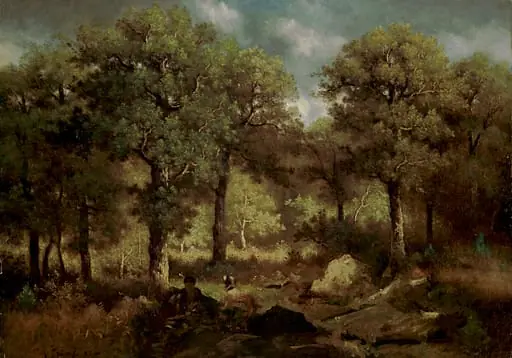
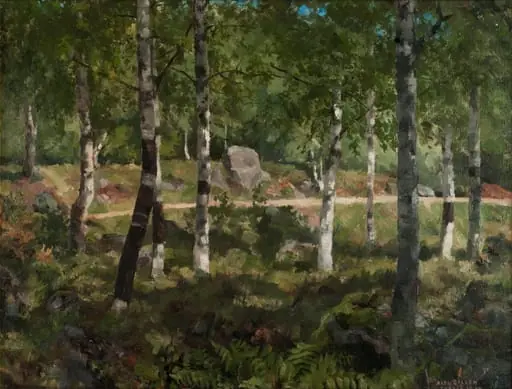
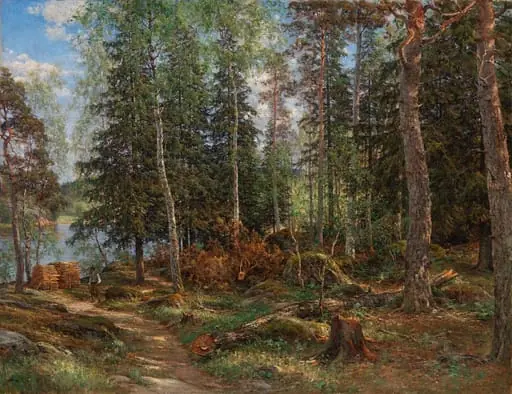
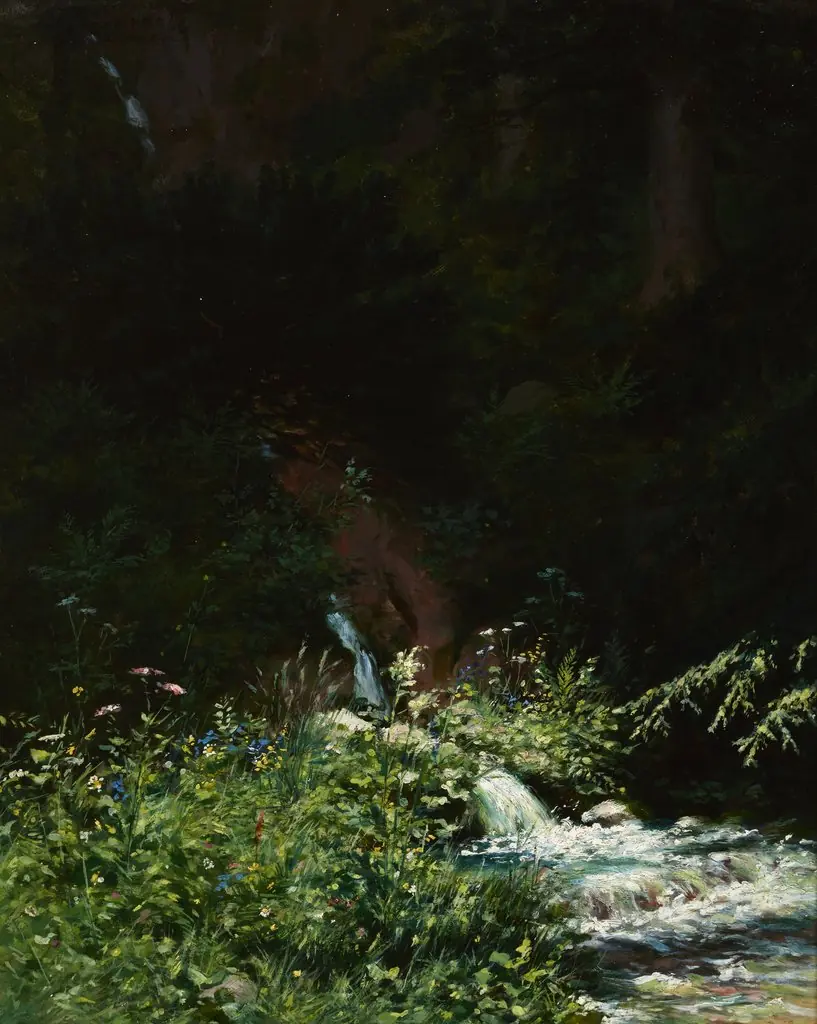
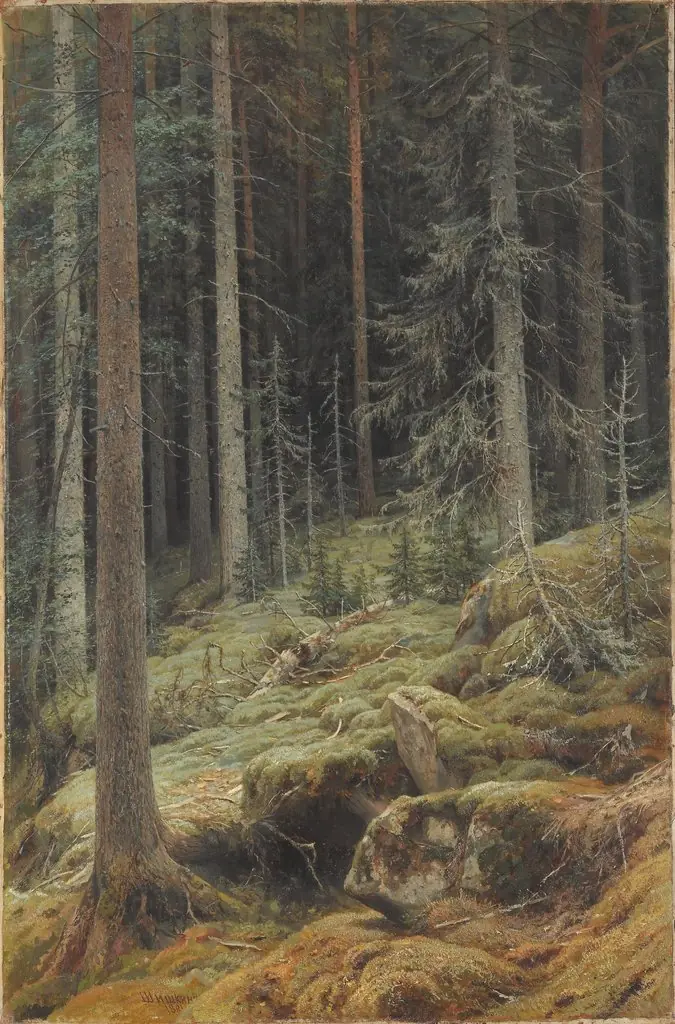
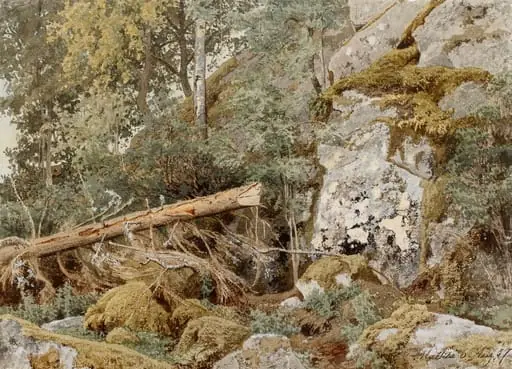
This painting depicts a quiet forest interior centered on a moss-covered stone, rendered with meticulous attention to natural detail. The composition emphasizes stillness, with layered vegetation and soft color transitions creating a sense of enclosed calm. Though labeled as an image without a specified artist, its precision suggests a deliberate observation of woodland ecology rather than idealized landscape.
Subject & Meaning
The central rock, thickly clad in moss, acts as a silent anchor amid dense foliage. The absence of human figures or clear narrative cues shifts focus to the quiet persistence of nature. The subdued palette of blues and greens reinforces an atmosphere of solitude and timelessness, suggesting reverence for the unaltered forest as a space of inherent order.
Technique & Style
The artist employs fine brushwork to distinguish individual leaves, bark textures, and the velvety surface of moss. Color layers are built subtly, using cool hues to suggest depth and shadow without harsh contrasts. Light filters diffusely through the canopy, enhancing the tactile quality of surfaces and reinforcing the scene’s hushed, intimate mood.
History & Provenance
The work resides in the Museum of Ethnography, indicating its classification as a cultural artifact rather than a traditional fine art piece. Its presence there may reflect an interest in indigenous or regional perceptions of nature, though no provenance details are recorded. The lack of artist attribution leaves its origin and intent partially unresolved.
Context
Created in a period when natural observation was gaining scholarly attention, the painting aligns with broader 19th-century efforts to document ecological detail. Its placement in an ethnographic museum suggests it may have been collected as part of a study on how local communities interacted with or perceived forested landscapes, rather than as a standalone aesthetic object.
Legacy
Though not widely exhibited or reproduced, the painting contributes to a quieter tradition of nature studies that prioritize observation over drama. Its endurance in a museum focused on cultural practices underscores its value as a record of visual engagement with the natural world, offering insight into how environments were perceived through careful looking.
Artist & collection
Artist
Vasili Filippovich Levi took black-and-white photographs of the Finnish landscape around the early 1900s.