Artwork
Le Pardon de Plourin, Brittany
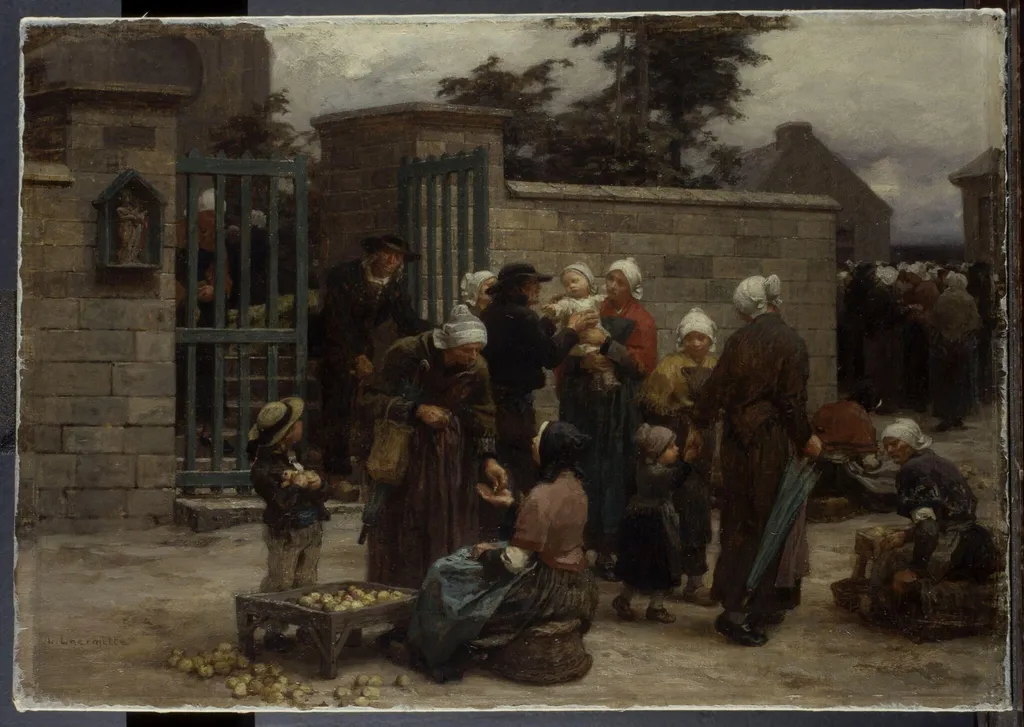
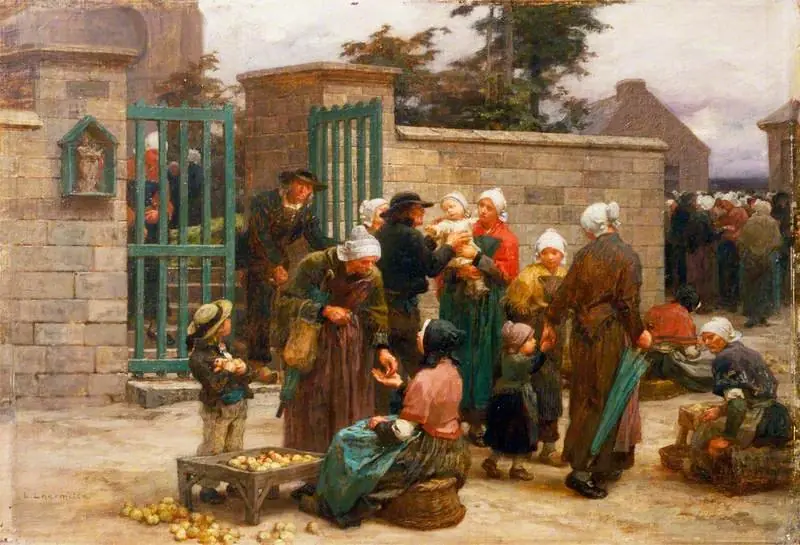
Le Pardon de Plourin, Brittany is an oil painting by the Impressionist artist Léon Augustin Lhermitte. It dates from 1877 and is held in the collection of the Victoria and Albert Museum. Leon Lhermitte’s 1877 oil, *Le Pardon de Plourin*, captures a Breton religious procession set against a storm‑laden sky.
About this work
A crowd fills a hillside path under stormy skies. Dark figures hug the edges while bright robes glow in the center. A priest leads a group of men in black hats.
Lhermitte painted this in 1877, showing a real Breton pardon—a pardon is a forgiveness ceremony. He uses quick brushstrokes to catch light on wet clothes and faces.
Look up Lhermitte next to see more of his village scenes.
Overview
Leon Lhermitte’s 1877 oil, *Le Pardon de Plourin*, captures a Breton religious procession set against a storm‑laden sky. A crowd of villagers winds along a hillside path, their dark silhouettes framing a central group in bright liturgical robes, while a priest in front leads the march. The composition records a moment of communal devotion during the Easter‑time pardon ceremony.
Subject & Meaning
The work depicts a traditional Breton pardon, a ritual of collective forgiveness held in rural churches. Participants gather outdoors, dressed in everyday attire, while clergy in distinctive vestments oversee the rite. Lhermitte emphasizes the social dimension of the event, portraying the convergence of faith, local identity, and the shared experience of seeking absolution.
Technique & Style
Lhermitte employs brisk, economical brushwork to convey the fleeting effects of light on wet garments and faces. The palette contrasts muted, storm‑darkened tones with the luminous whites and reds of the clergy’s robes, creating a visual focus on the ceremony’s spiritual core. His handling of atmosphere and movement reflects the realist tendency to depict ordinary life with immediacy.
History & Provenance
First exhibited at the Paris Salon in the late 19th century, the painting aligns with Lhermitte’s long‑standing presence at the Salon from 1866 onward. The artist, a founding member of the Société Nationale des Beaux‑Arts and a 1894 officer of the Légion d’honneur, remained active in French academic circles, ensuring the work’s visibility among contemporary audiences.
Context
Created during a period when French painters were turning to regional customs for subject matter, the piece reflects the broader 19th‑century interest in documenting rural traditions. Breton culture, with its distinct religious practices, offered a rich visual vocabulary that appealed to artists seeking authenticity beyond urban Parisian life.
Artist & collection
Artist
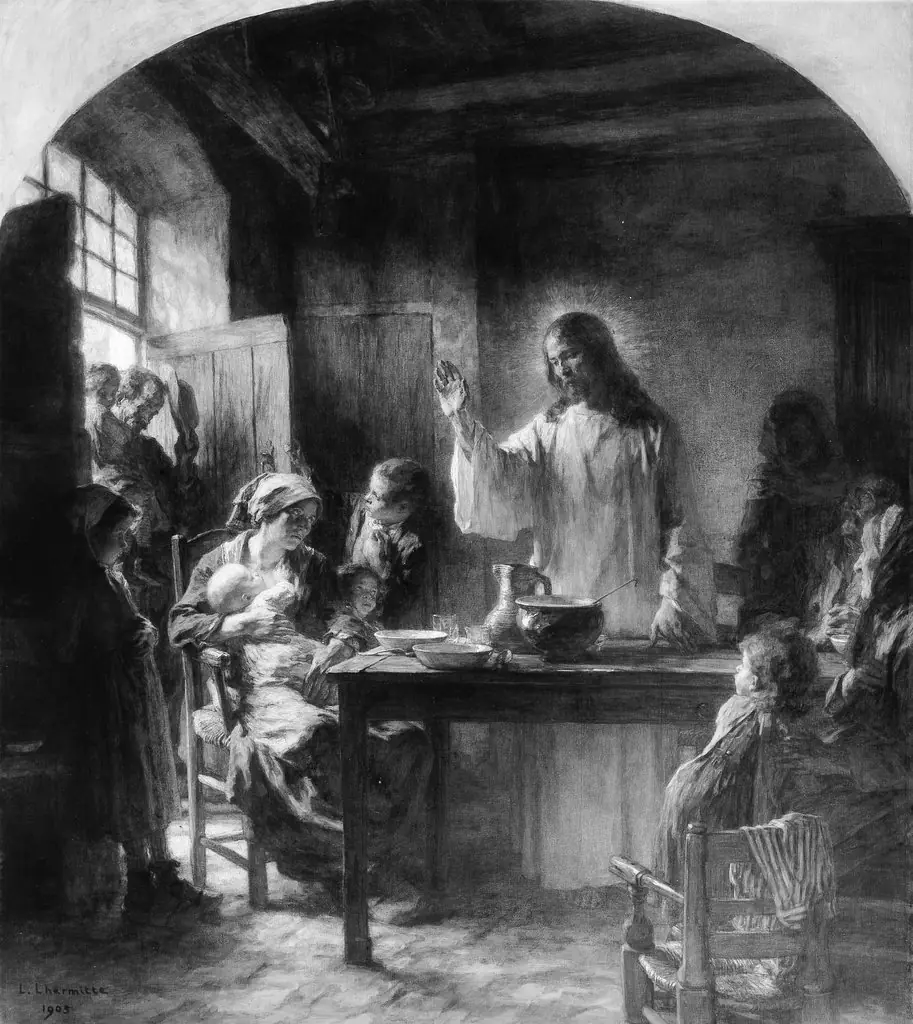
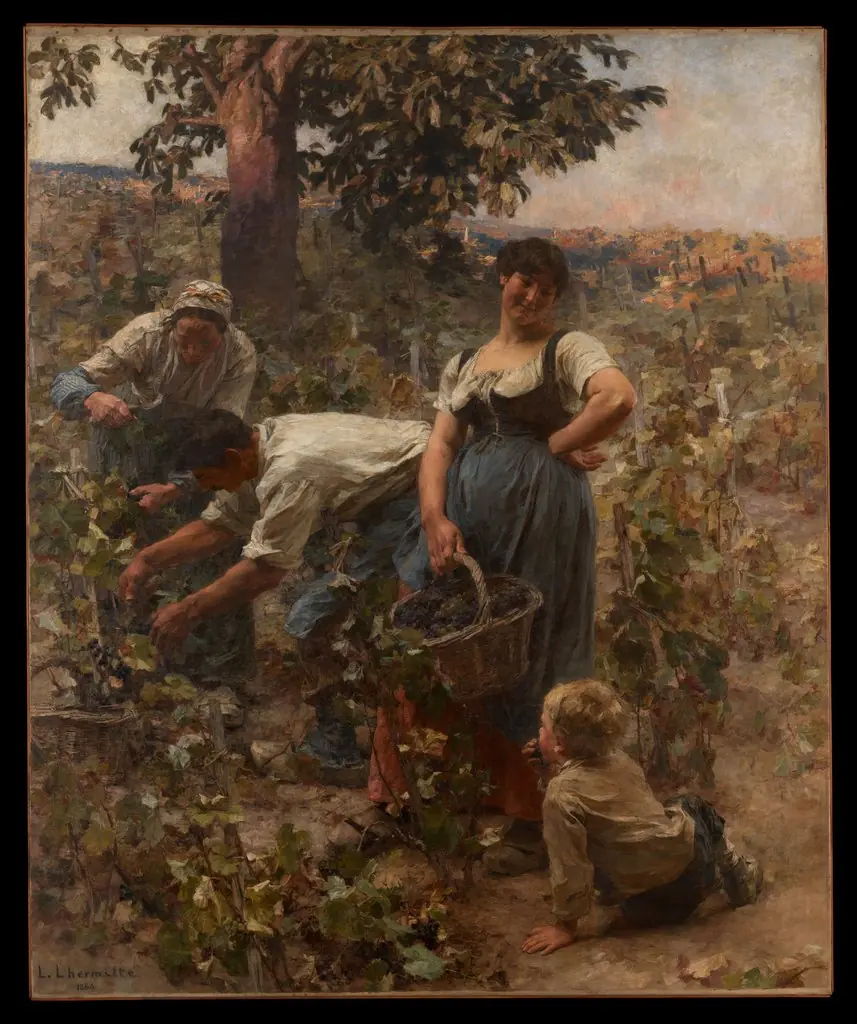
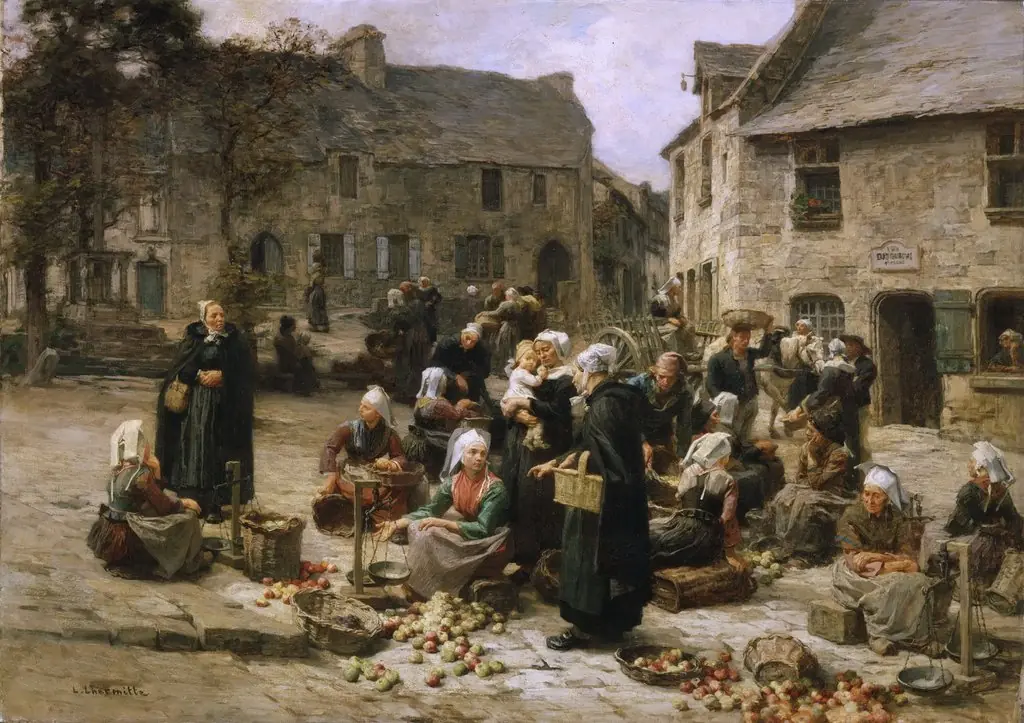
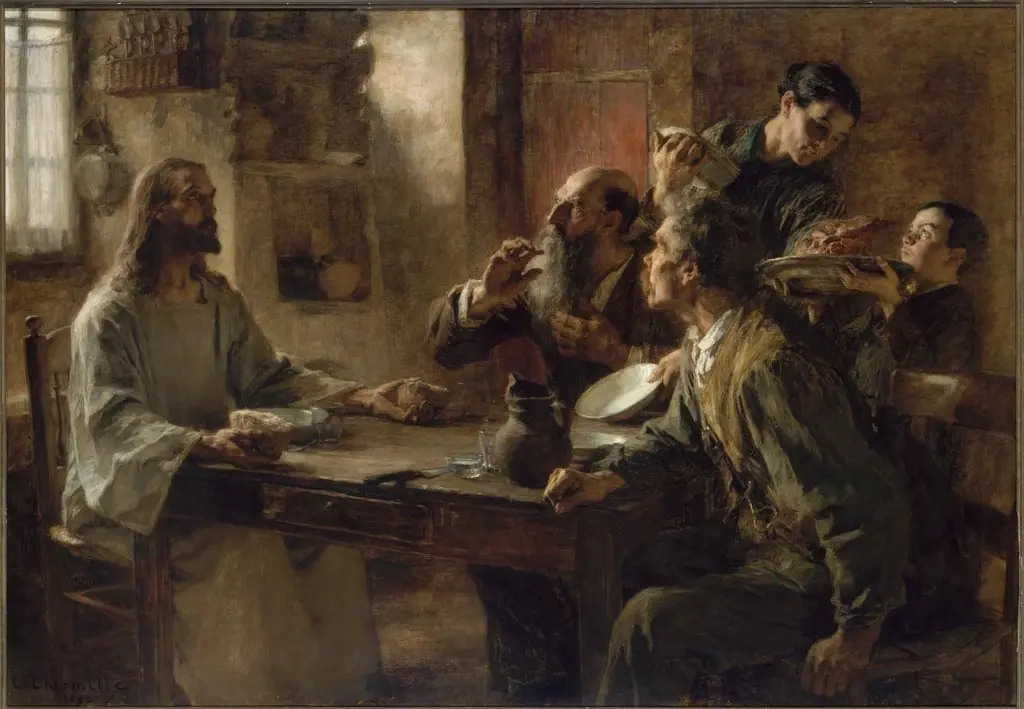
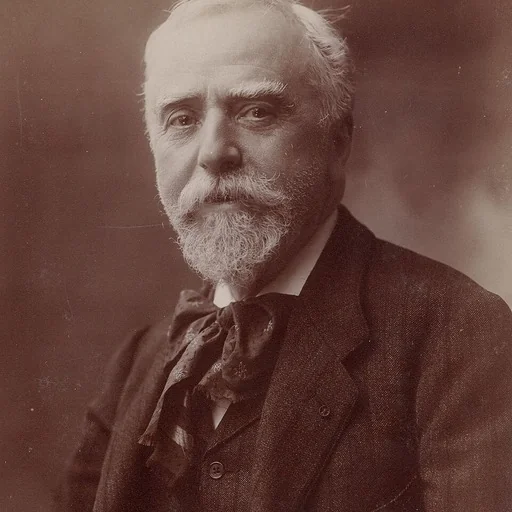
Léon Augustin Lhermitte (French pronunciation: ; 31 July 1844 – 28 July 1925) was a French naturalist painter and etcher whose primary subject matter was rural scenes depicting peasants at work.