Artwork
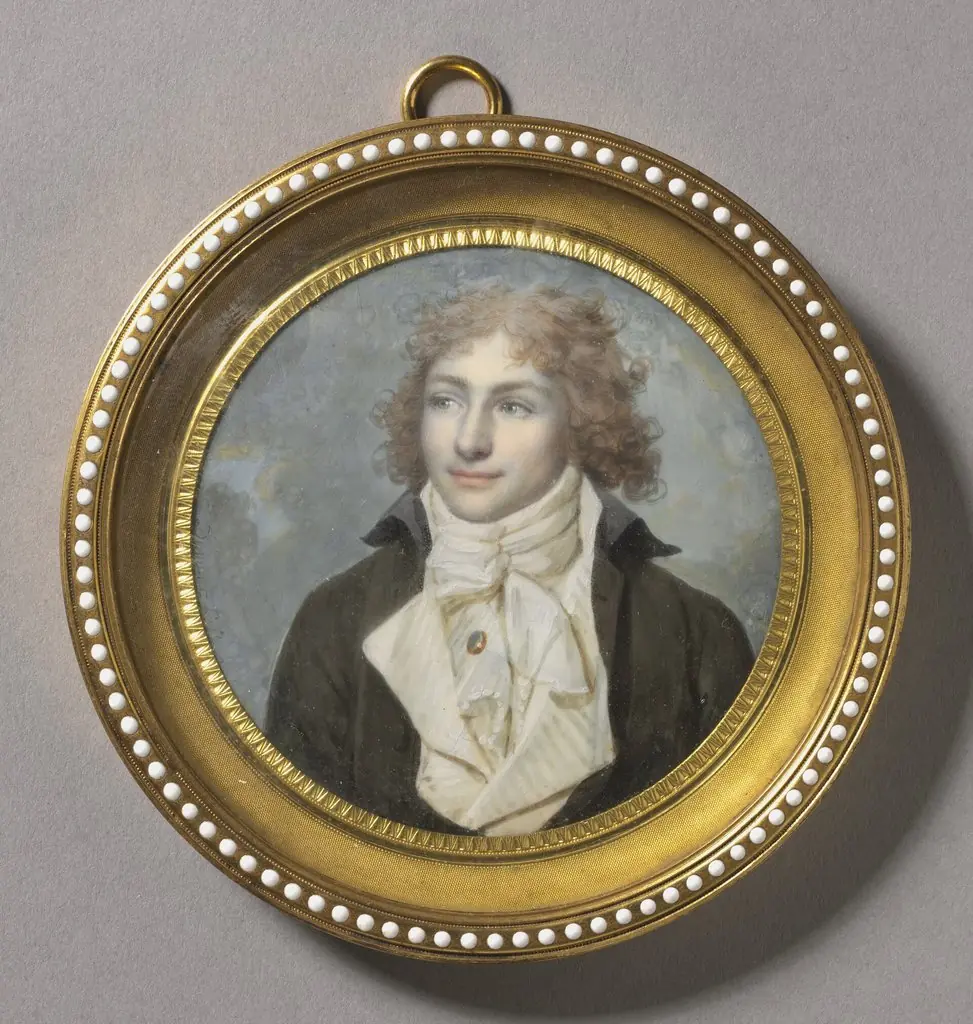
Portrait of Noël-François Charles Caille des Fontaines
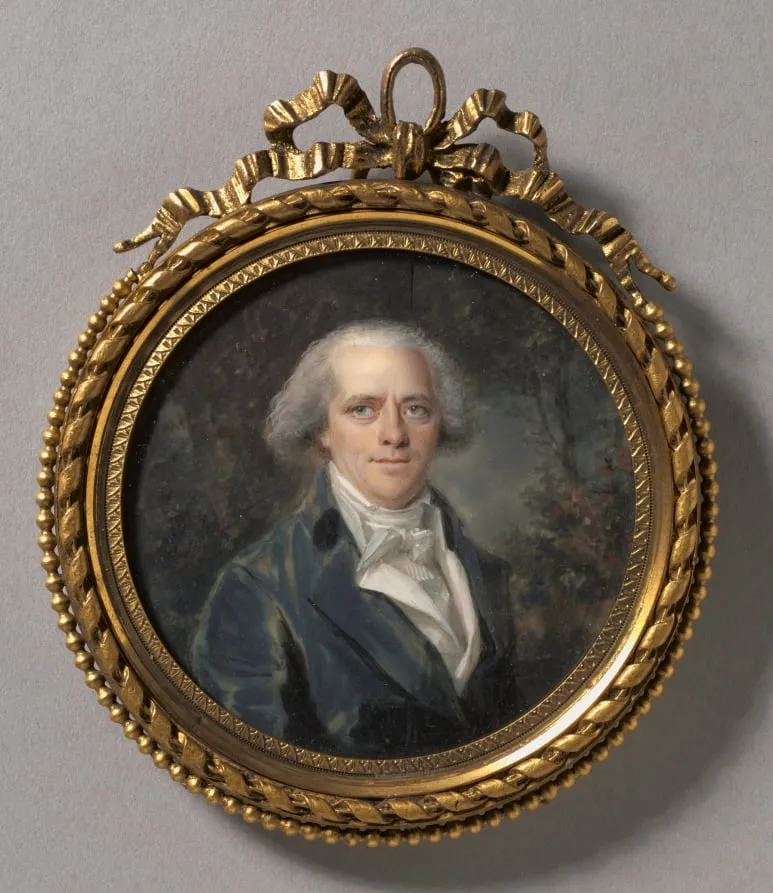
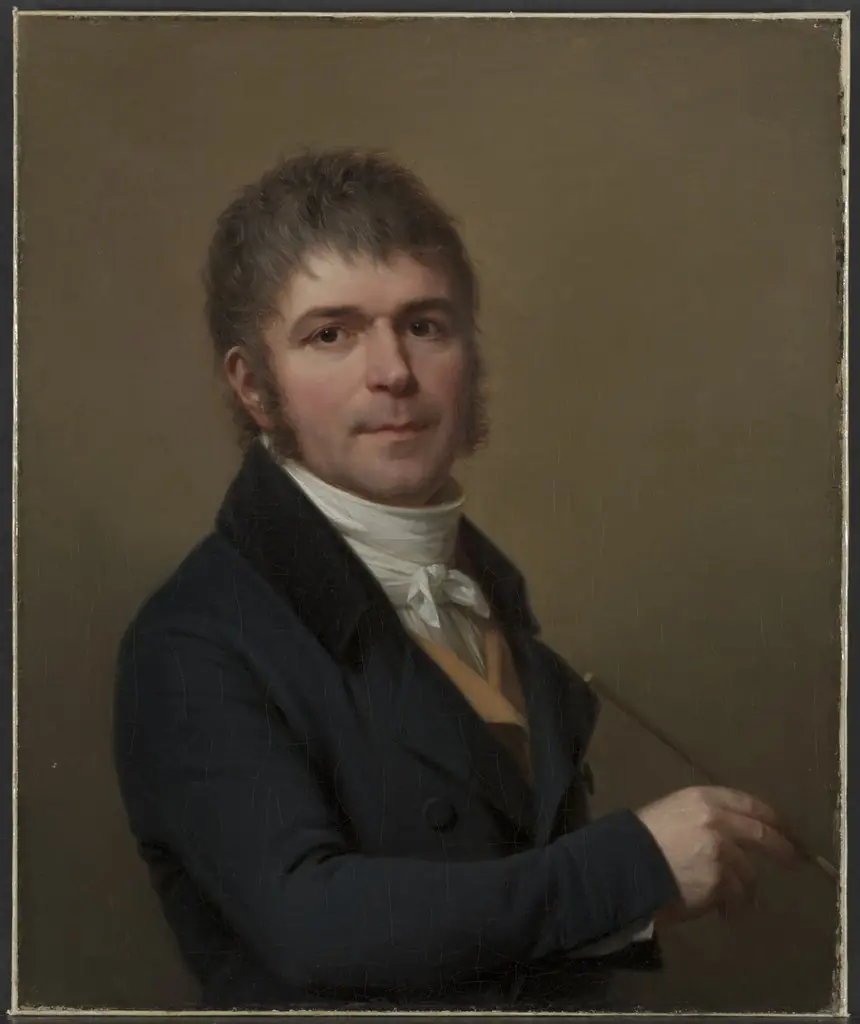
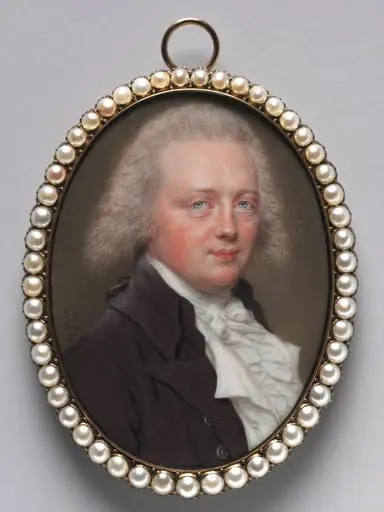
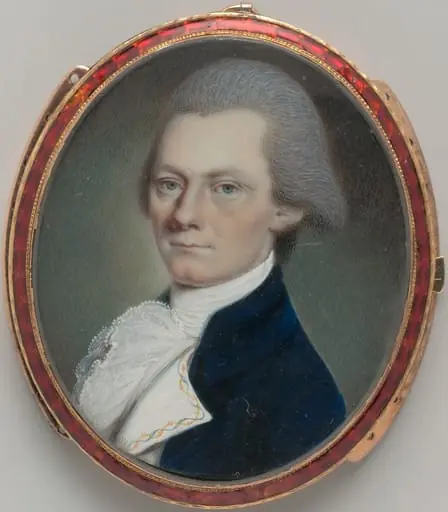
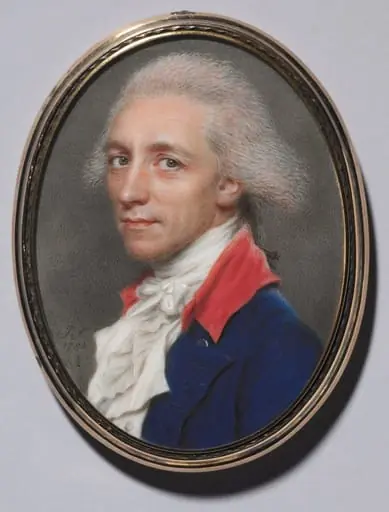
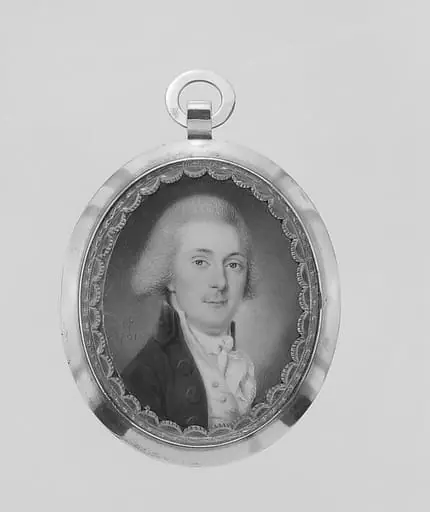
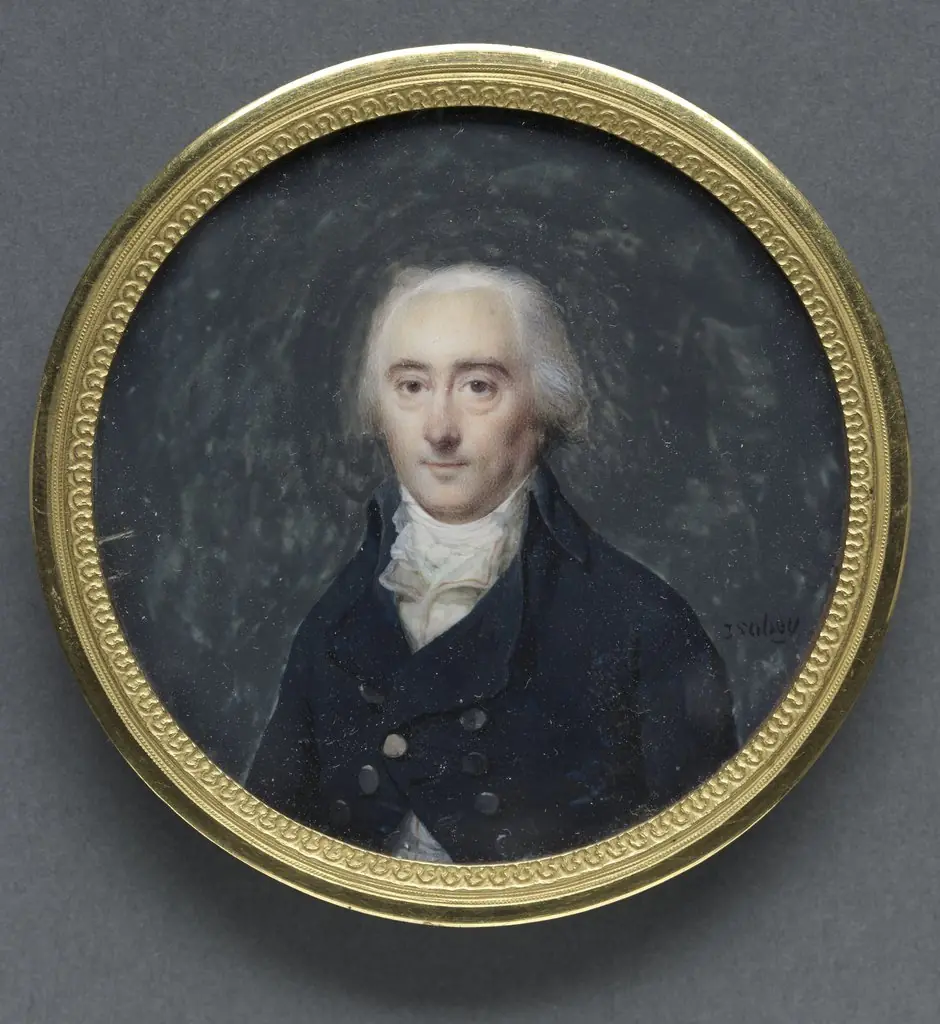
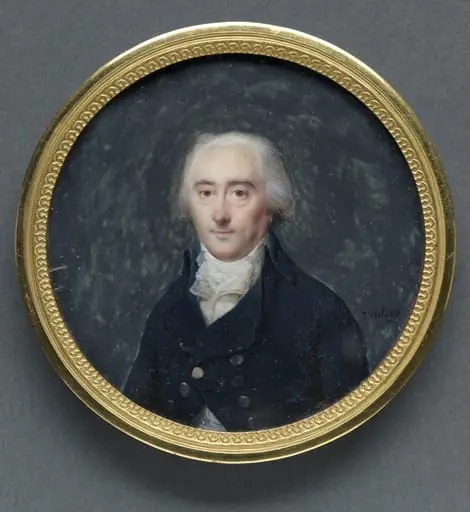
Portrait of Noël-François Charles Caille des Fontaines is an unspecified portrait miniature by the Neoclassicist artist Lié Louis Périn-Salbreux. It dates from 1795 and is held in the collection of the Cleveland Museum of Art.
About this work
The man was a lawyer, but here he looks more like a regular person than a powerful figure.
A man in a dark coat sits at a desk, holding a quill. His face is calm, almost tired. A single candle lights the room, casting soft shadows.
This portrait was painted in 1795, during the French Revolution. The man was a lawyer, but here he looks more like a regular person than a powerful figure. The quiet mood feels deliberate—like the artist wanted to show dignity, not drama.
If you like this kind of understated portrait, look up *chiaroscuro*.
Overview
This miniature portrait, completed in 1795, depicts Noël-François Charles Caille des Fontaines, a lawyer from Caen, during the height of the French Revolution. Rendered in watercolor on ivory, the work captures a moment of quiet introspection rather than public grandeur. The subject is shown seated at a desk, engaged in quiet labor, his demeanor subdued and composed, reflecting the tension between personal identity and political upheaval.
Subject & Meaning
Caille des Fontaines, a bailiff court lawyer, is portrayed not as a figure of authority but as an ordinary man in repose. His posture and expression suggest fatigue rather than power, signaling a deliberate rejection of aristocratic pomp. The absence of symbols of office—no seals, no robes—emphasizes personal dignity over institutional status, aligning with revolutionary ideals of civic humility and individual worth.
Technique & Style
Executed in delicate watercolor on ivory, the portrait employs subtle chiaroscuro to model the face and hands with soft gradations of light. A single candle illuminates the scene, casting gentle shadows that deepen the sense of intimacy. The restrained palette—dominated by dark tones and muted flesh tones—enhances the quiet mood, while fine brushwork renders texture without flourish, reinforcing the subject’s restraint.
History & Provenance
Painted in 1795, the portrait emerged during a period of social redefinition in France, when legal professionals like Caille des Fontaines navigated shifting loyalties and diminished privileges. Its survival through the Revolution suggests it was preserved within the family or local circle, likely valued for its personal resonance rather than political symbolism. No public exhibition record exists prior to the 20th century.
Context
In revolutionary France, portraiture evolved from heraldic display to psychological study. This work reflects a broader trend among artists and patrons to favor understated realism over ornamental display. The candlelit setting and plain attire align with emerging bourgeois aesthetics, where virtue was associated with simplicity, and authority was redefined through quiet competence rather than inherited status.
Legacy
The portrait stands as an example of how miniature painting adapted to revolutionary values, shifting from aristocratic commemoration to intimate civic representation. Its quiet power influenced later 19th-century portraitists who sought emotional authenticity over social display. Though not widely known, it remains a quiet testament to the dignity of ordinary professionals during a time of radical change.
Artist & collection
Artist
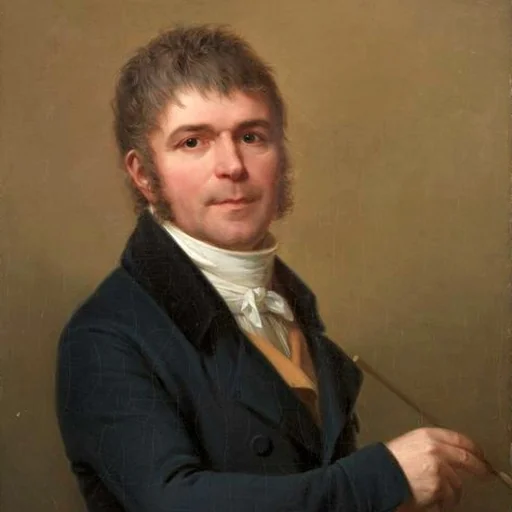
Lié Louis Périn-Salbreux (1753–1817) was a French artist, born in Reims.