Artwork
Portrait of a Man
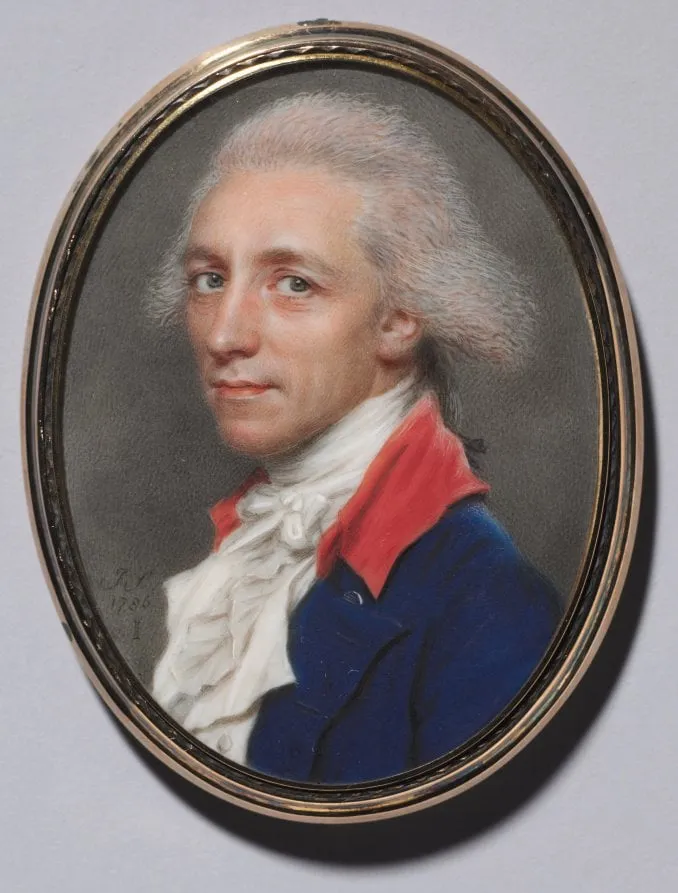
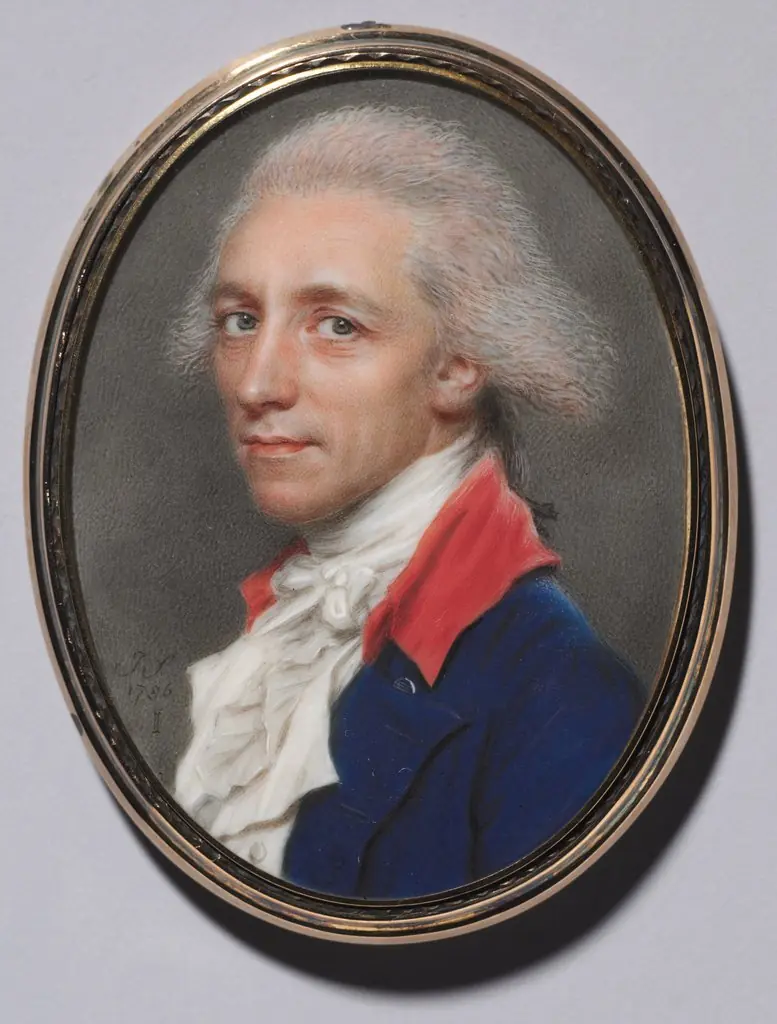
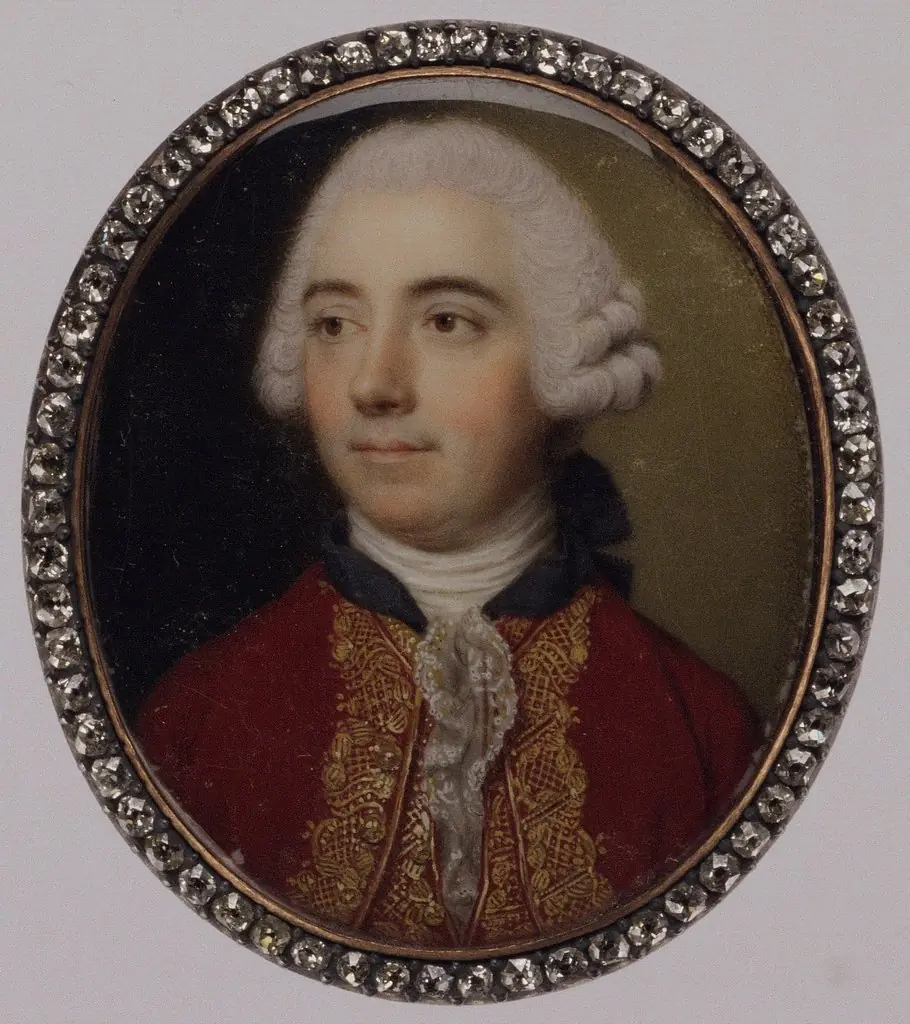
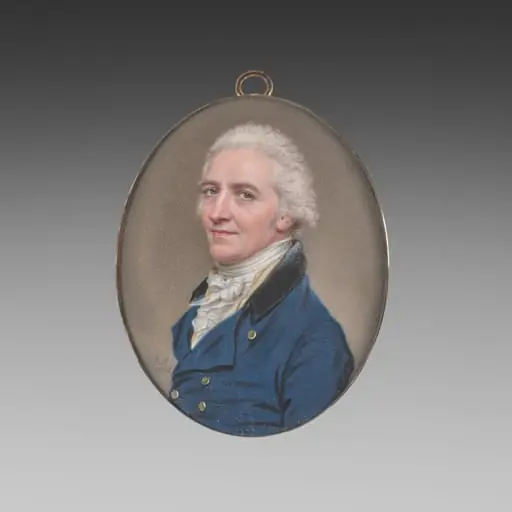
Portrait of a Man is an unspecified portrait miniature by the Rococo painting artist John Smart. It dates from 1786 and is held in the collection of the Cleveland Museum of Art.
About this work
Overview
This portrait miniature, created by John Smart in India, depicts an unidentified man with gray-brown eyes and powdered hair tied en queue. Executed in Smart's distinctive stippling technique, the work showcases the artist's ability to convey depth and warmth in a small format.
Subject & Meaning
The sitter, whose identity remains unknown, is portrayed in a blue coat with a red collar and white stock collar, attire that was common among gentlemen of various backgrounds, including military and civilian, across different nationalities.
Technique & Style
Smart employed loose brushstrokes overlaid with fine white lines to suggest dynamic hair texture. His stippling technique, characterized by subtle highlights achieved through the absence of darker pigment, lends the subject's face a sensitive and warm portrayal. Unintentional pigment alteration over time has given the hair a pinkish hue.
History & Provenance
Painted during Smart's residency in Madras, India, the miniature is now housed in a simple gold frame. Specific details about its ownership history are not provided.
Context
Created in India, this work reflects Smart's practice among the British community abroad, catering to the demand for miniature portraits. The style blends European fashion trends with the artist's portable, intricate technique suitable for colonial settings.
Legacy
This miniature exemplifies Smart's contribution to the evolution of portrait miniatures, particularly in his use of stippling to achieve depth and his influence on capturing likenesses in the colonial context, though its direct impact or notable exhibitions are not highlighted.
Artist & collection
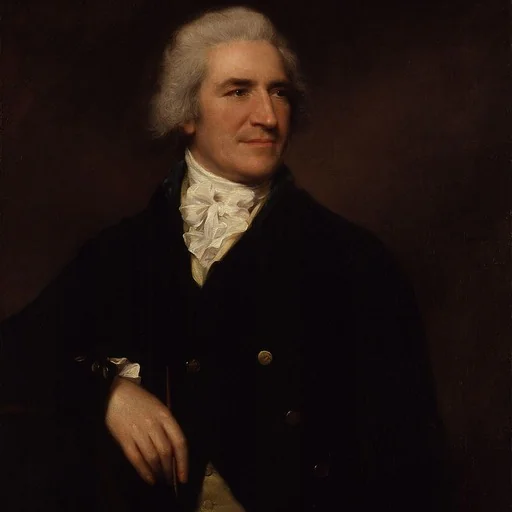
Artist
John Smart (1 May 1741 – 1 May 1811) was an English painter who specialised in portrait miniatures. He was a contemporary of Richard Cosway, George Engleheart, William Wood and Richard Crosse.