Artwork
Godfrey Lowell Cabot
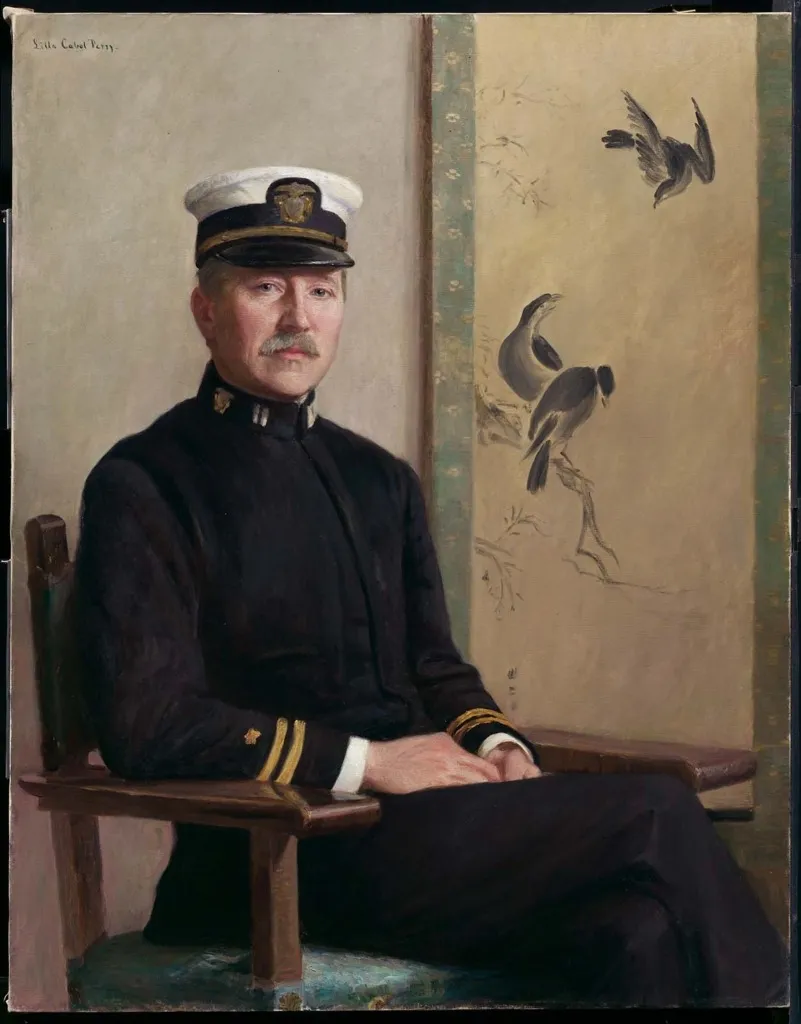
Godfrey Lowell Cabot is an oil painting by the Impressionist artist Lilla Cabot Perry. It dates from 1916 and is held in the collection of the Museum of Fine Arts Boston.
About this work
Overview
The portrait reflects her engagement with American Impressionism, a style she helped adapt from French precedents after studying with Claude Monet.
Lilla Cabot Perry painted her husband, Godfrey Lowell Cabot, in 1916 using oil on canvas. The portrait reflects her engagement with American Impressionism, a style she helped adapt from French precedents after studying with Claude Monet. Though rooted in realism, the work incorporates loose brushwork and attention to light, characteristic of her mature approach. The painting resides in the Museum of Fine Arts, Boston, as part of its permanent collection.
Subject & Meaning
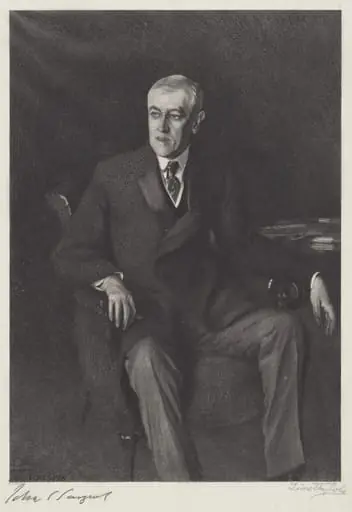
Godfrey Lowell Cabot is depicted seated on a wooden bench, dressed in a formal naval uniform with gold trim, a white hat, and a badge on his sleeve. His hands are clasped, posture upright, conveying quiet authority. The inclusion of a small bird painting on the wall behind him may suggest themes of observation or tranquility, subtly contrasting the rigidity of his attire. The image avoids overt symbolism, instead emphasizing dignity through restraint and composure.
Technique & Style
Perry employed soft, broken brushstrokes typical of Impressionism, particularly in the rendering of light across the uniform and the wall. She avoided sharp outlines, allowing tones to blend naturally. Subtle chiaroscuro defines the contours of the figure without dramatic contrast, maintaining a calm, even illumination. The background’s muted palette and simplified forms draw focus to the subject while preserving atmospheric depth.
History & Provenance
The portrait was completed in 1916, during a period when Perry was deeply engaged in portraiture and refining her synthesis of European and American aesthetics. It remained in the family before entering the Museum of Fine Arts, Boston’s collection. The work reflects Perry’s personal and artistic connections—her husband’s public role as a businessman and philanthropist, and her own position within Boston’s cultural circles.
Context
Perry was among the first American artists to embrace French Impressionism after studying with Monet and Pissarro. Her work bridged Boston’s academic traditions and the looser, light-focused techniques of Paris. This portrait aligns with her broader practice of portraying intimate, dignified figures within domestic or quiet settings, influenced by Japanese aesthetics and her travels across Europe.
Legacy
The portrait stands as a quiet example of Perry’s contribution to American Impressionism, particularly in portraiture. It illustrates how she translated European innovations into a distinctly American idiom, balancing realism with atmospheric sensitivity. While not widely exhibited, it remains a key work in understanding the evolution of women artists in early 20th-century Boston and their role in shaping modern American art.
Artist & collection
Artist
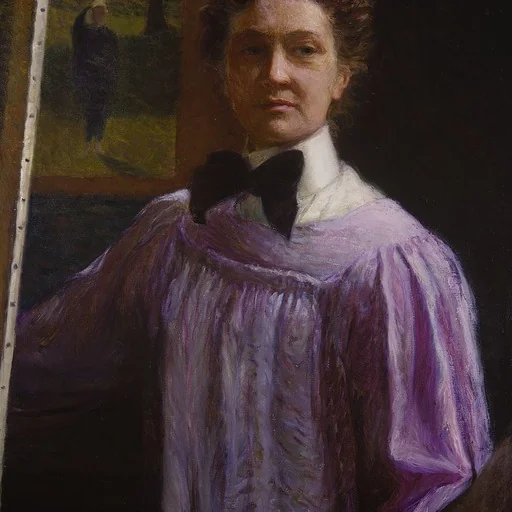
Lilla Cabot Perry (born Lydia Cabot; January 13, 1848 – February 28, 1933) was an American artist who worked in the American Impressionist style, rendering portraits and landscapes in the free form manner of her mentor, Claude Monet.

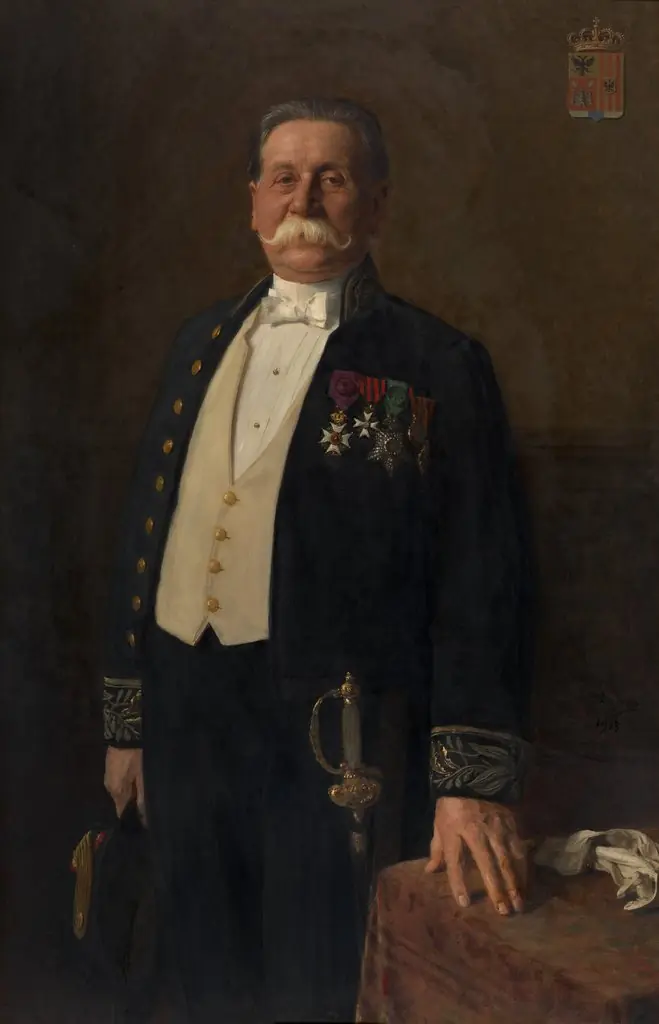 Justin Peeters-Lacroix
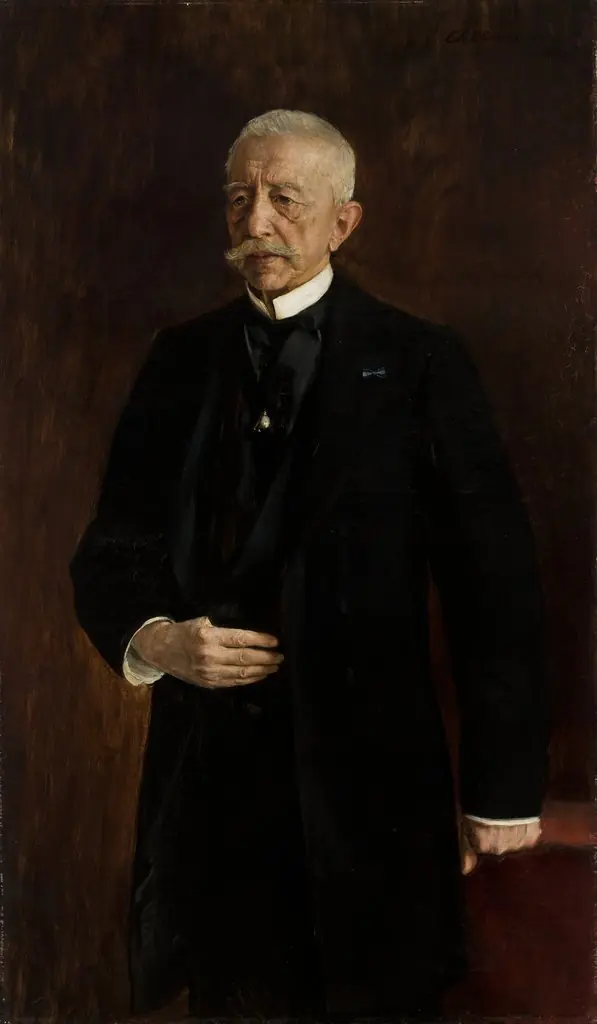 Portrait of Wiktor Osławski
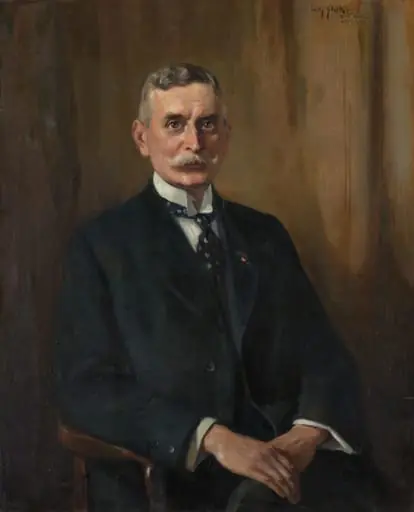 Jacob Christiaan Koningsberger (1867-1951). Chairman of the People's Council (1918-19)
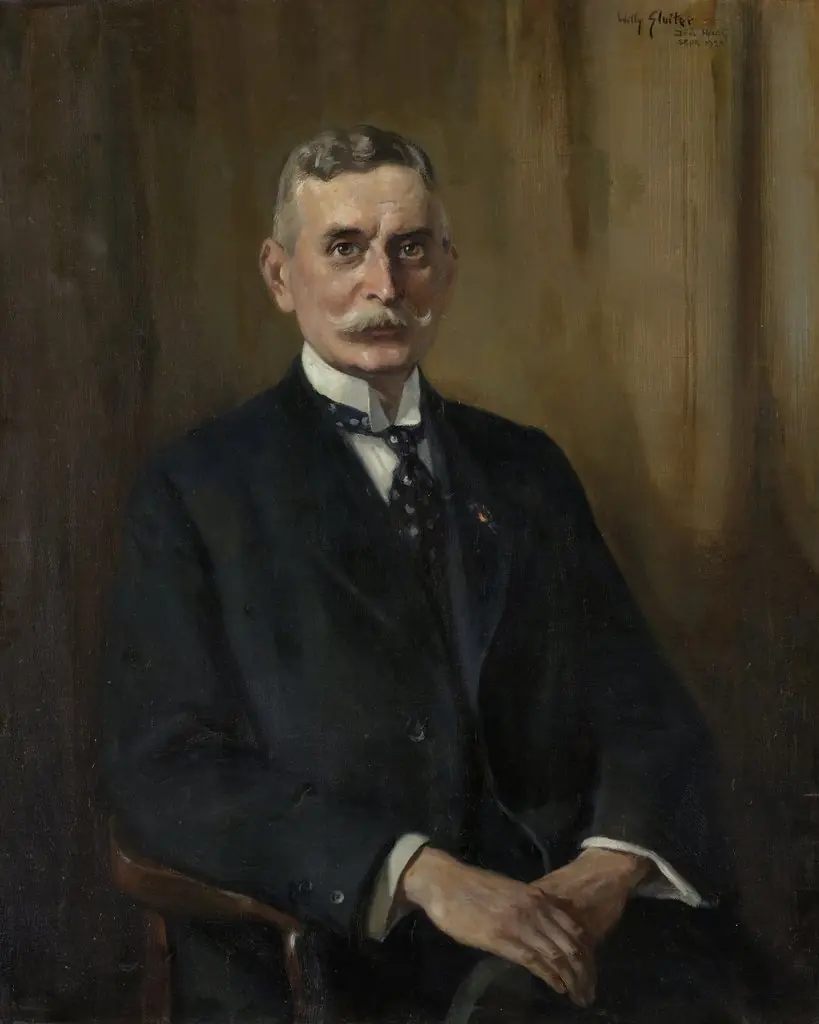 Jacob Christiaan Koningsberger (1867-1951). Chairman of the People's Council (1918-19)
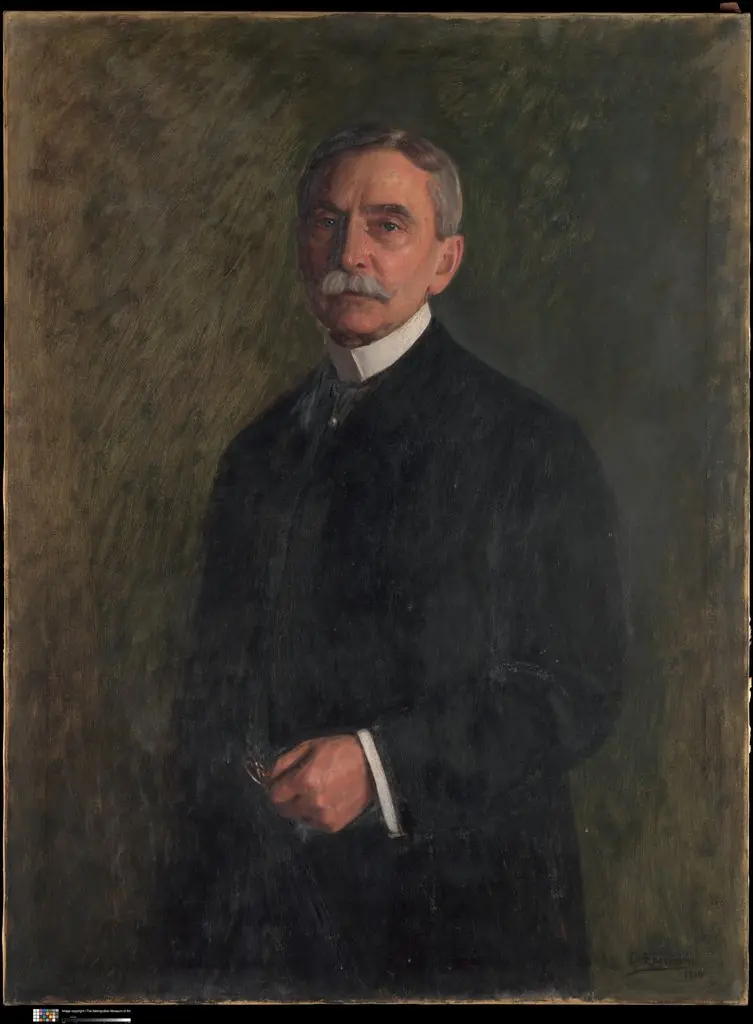 Portrait of Isaac D. Fletcher
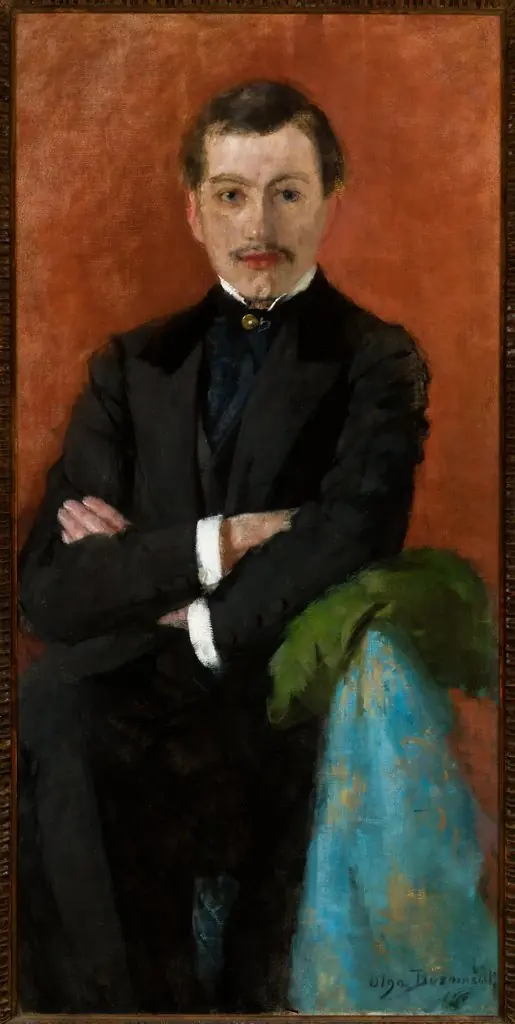 Portrait of Józef Czajkowski
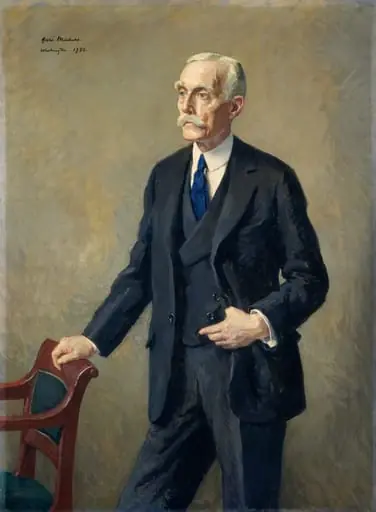 Andrew W. Mellon
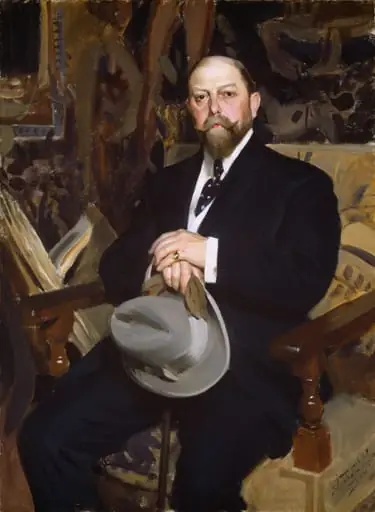 Hugo Reisinger
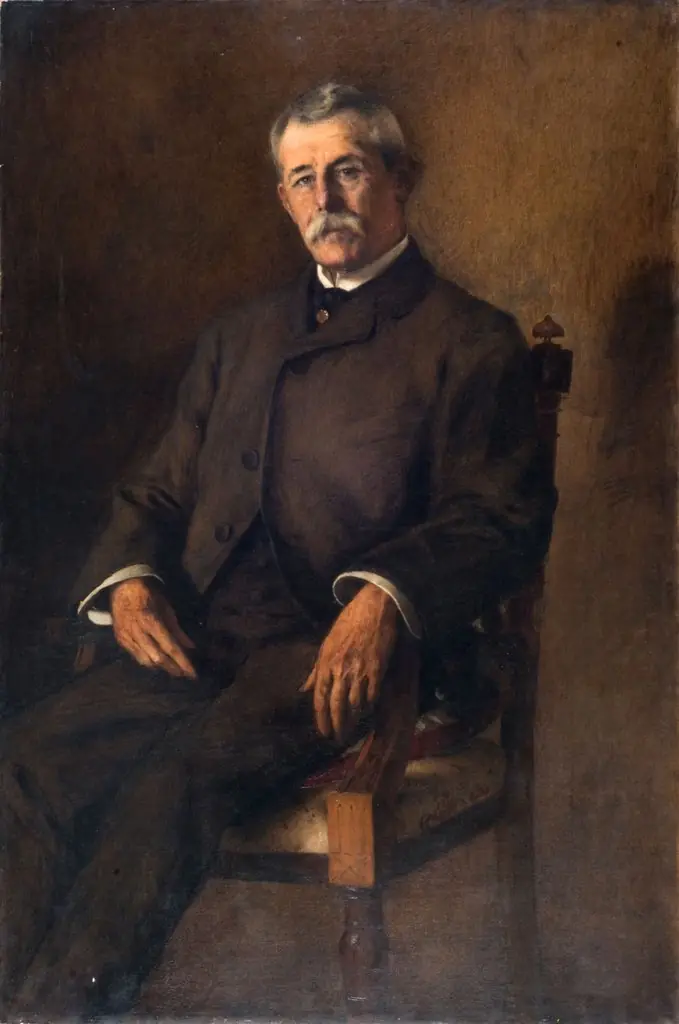 Portrait of Mr. Sívori
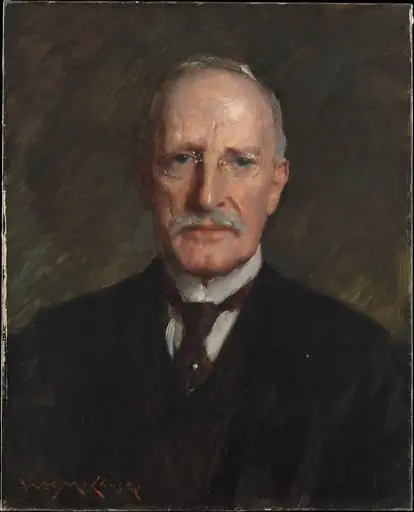 Edward Guthrie Kennedy
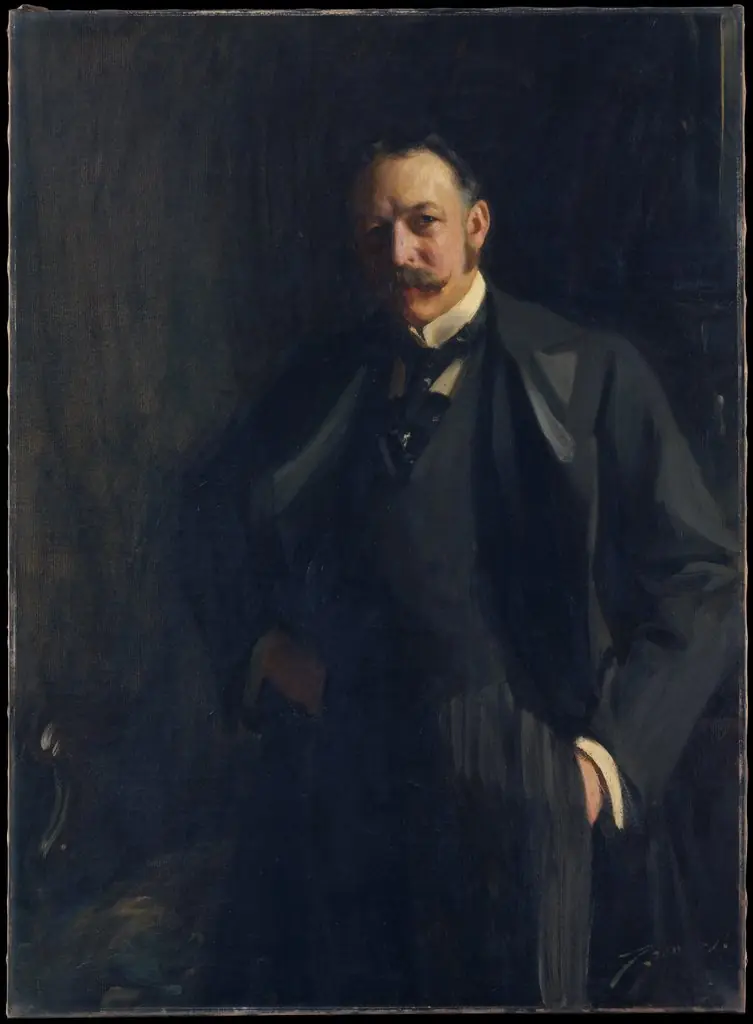 Edward R. Bacon (1846–1915)
 Woodrow Wilson