Artwork
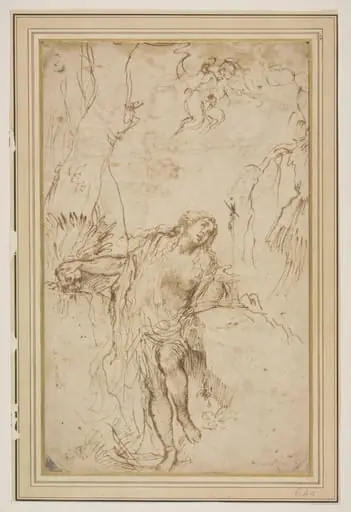
An Angel Carrying a Torch
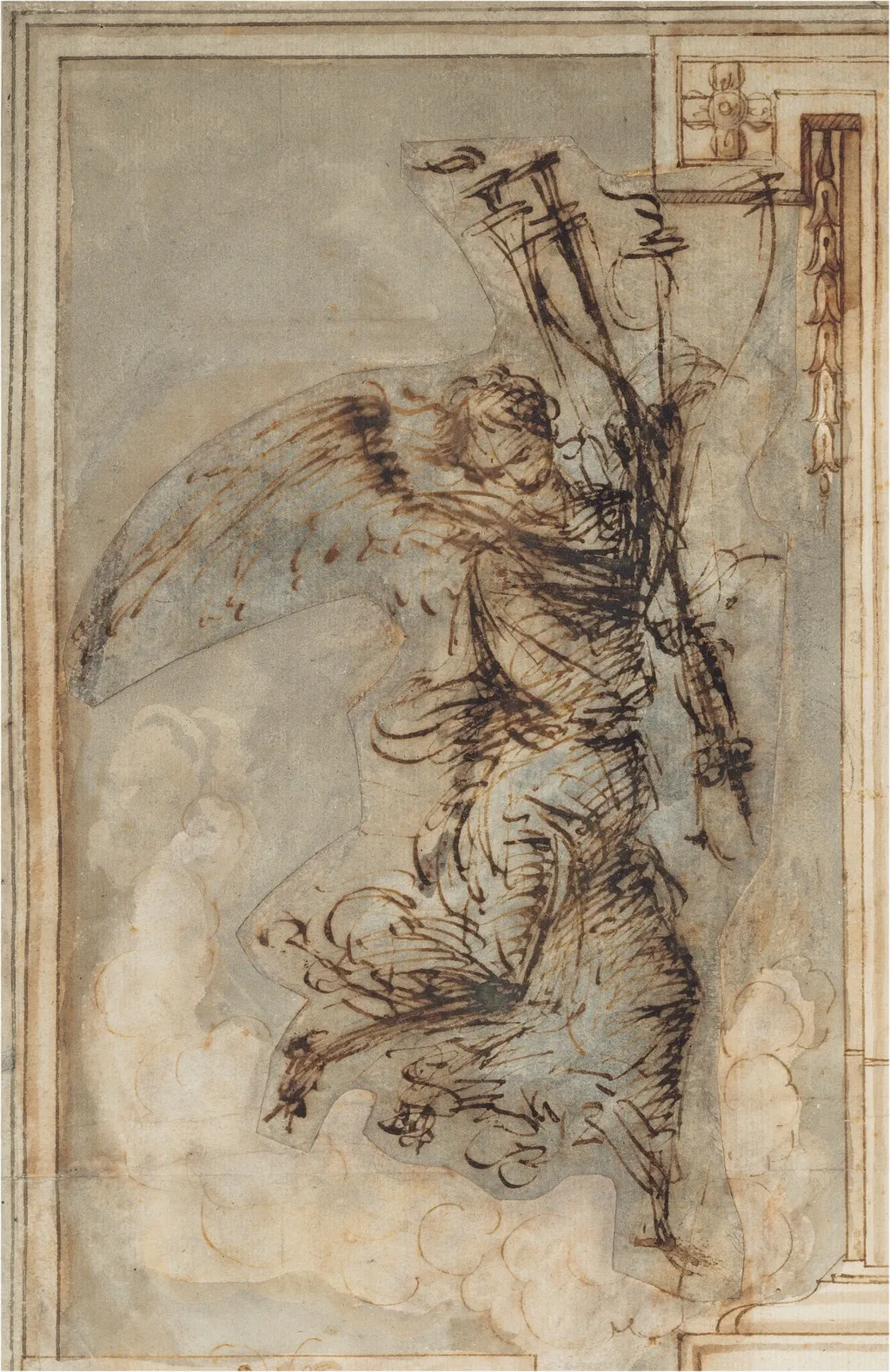
An Angel Carrying a Torch is an ink drawing by the Renaissance artist Filippino Lippi. It dates from 1502 and is held in the collection of the National Gallery of Art.
About this work
Overview
An Angel Carrying a Torch is a drawing executed in pen and brown ink with gray wash on laid paper, attributed to Filippino Lippi and dated to around 1502. Characterized by loose, quick lines and textured paper, this work appears to be a study rather than a finished piece.
Subject & Meaning
The drawing depicts a winged angel in mid-stride, holding a torch aloft. The subject suggests a religious theme, consistent with Lippi’s known focus on religious subjects alongside portraits and classical motifs.
Technique & Style
Lippi employed a combination of pen and brown ink for outlines and details, paired with gray wash for shading. The loose, expressive lines and dark ink accents, set against the light, textured paper, evoke a sense of dynamism and spontaneity, hinting at the work’s possibly preparatory nature.
History & Provenance
Created circa 1502 by Filippino Lippi, this drawing reflects the artist’s exposure to both Florentine and Roman artistic influences of the late Early to early High Renaissance period. Specific provenance details are not provided.
Context
This work fits within the broader context of Renaissance drawing practices, where pen and ink with wash were commonly used for detailed studies or preliminary designs. Lippi’s use of these mediums aligns with contemporary artistic methods.
Legacy
While specific impact or direct lineage of *An Angel Carrying a Torch* is not detailed, it contributes to the understanding of Filippino Lippi’s artistic range and the evolution of Renaissance drawing techniques.
Artist & collection
Artist
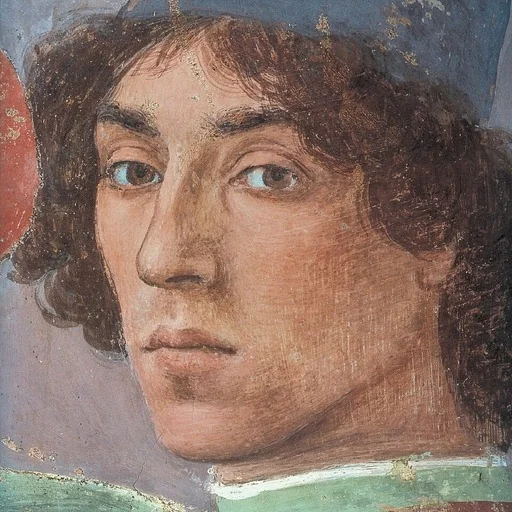
Filippino Lippi (probably 1457 – 18 April 1504) was an Italian Renaissance painter mostly working in Florence, Italy during the later years of the Early Renaissance and first few years of the High Renaissance.

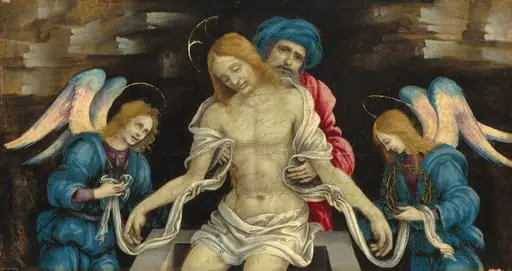 Pietà (The Dead Christ Mourned by Nicodemus and Two Angels)
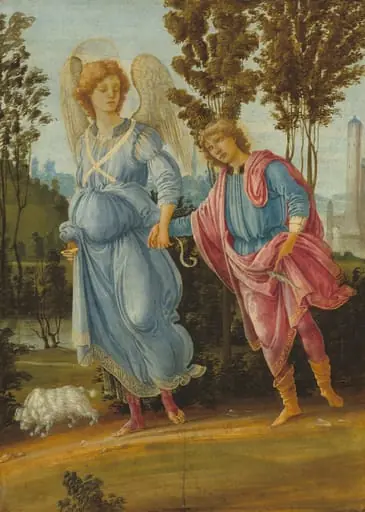 Tobias and the Angel
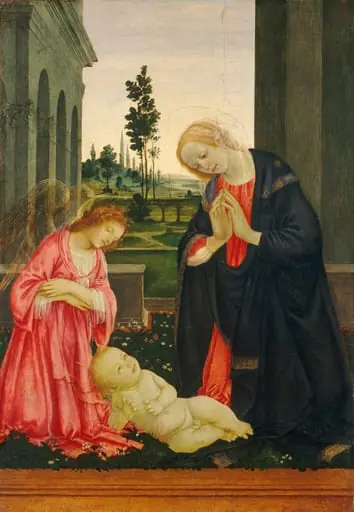 The Adoration of the Child
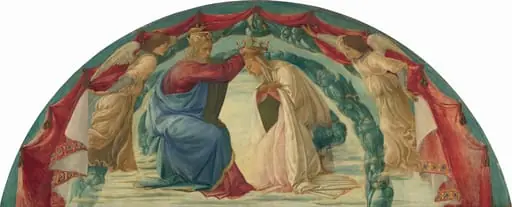 The Coronation of the Virgin
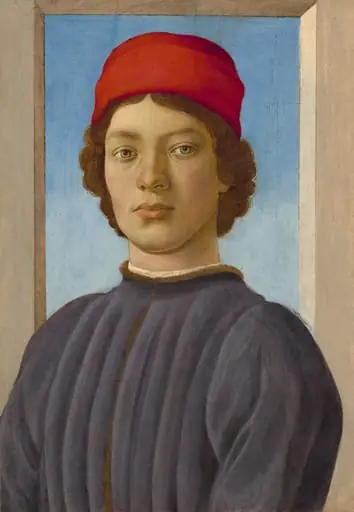 Portrait of a Youth
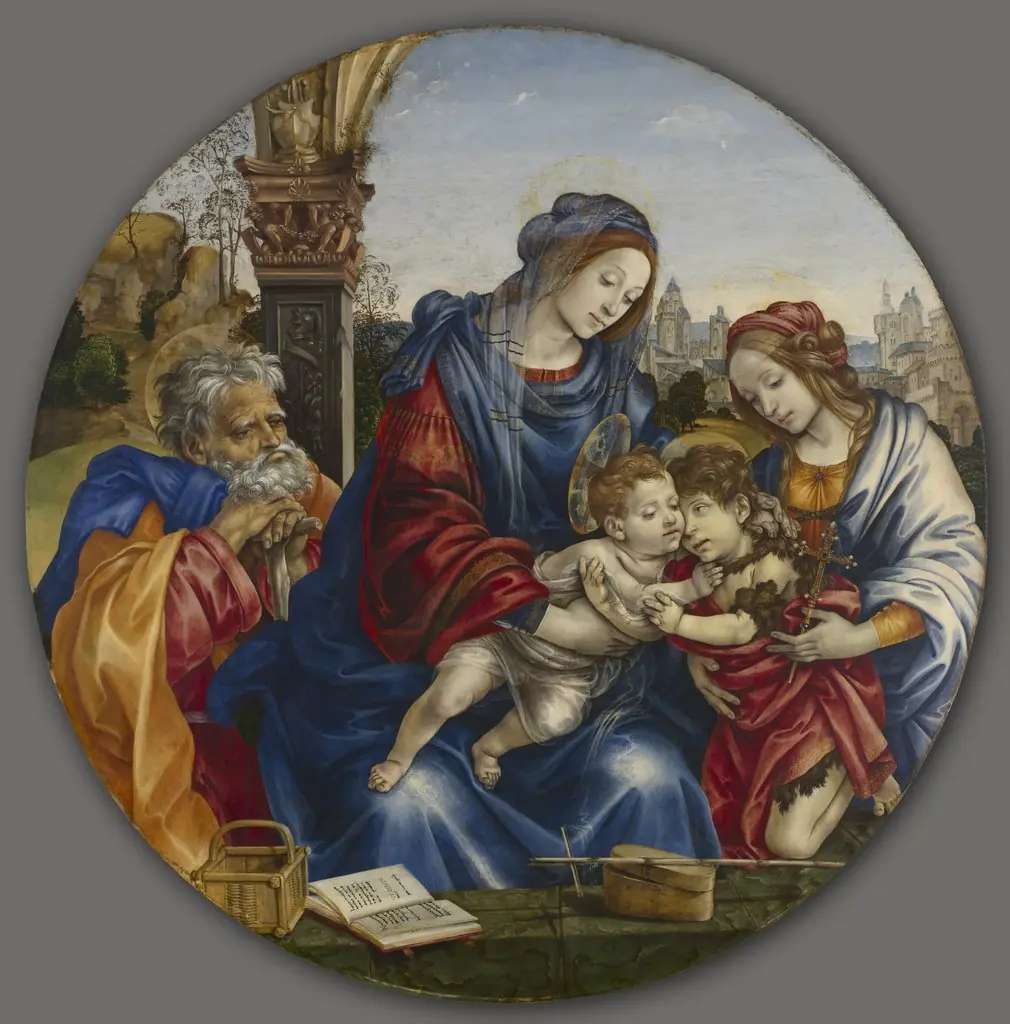 The Holy Family with Saint John the Baptist and Saint Margaret
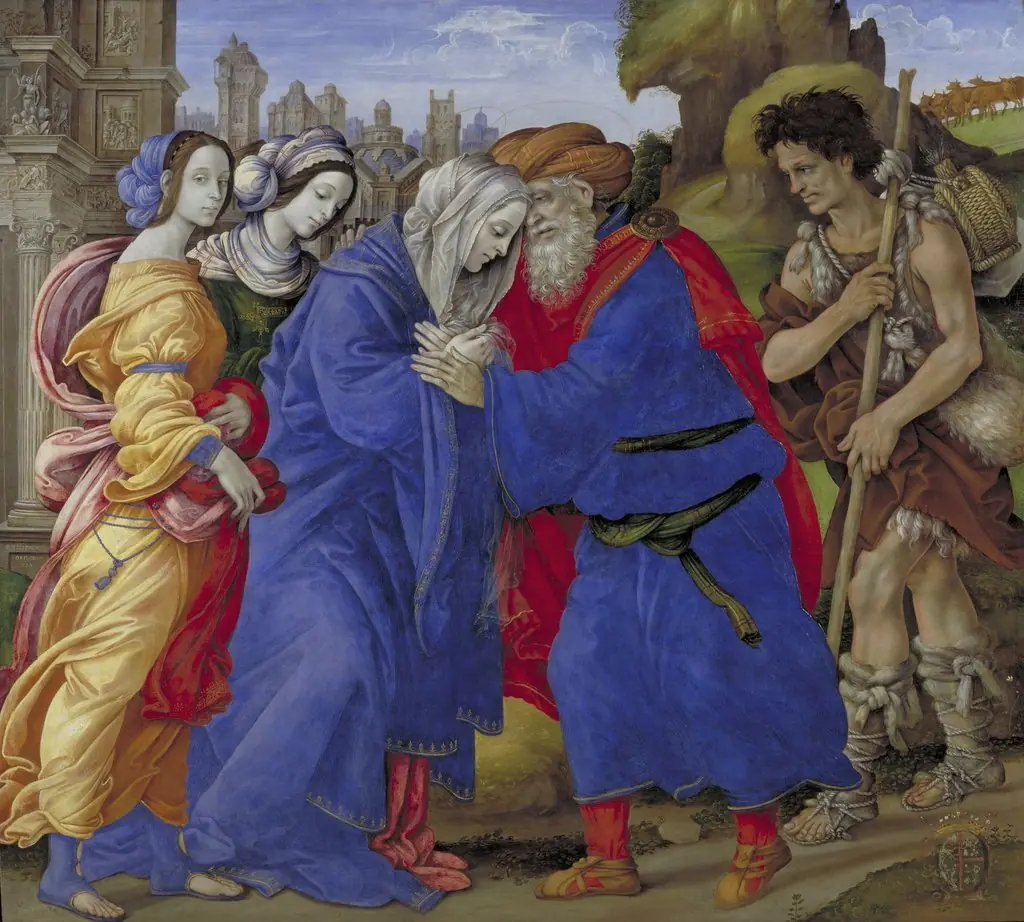 The Meeting of Joachim and Anne outside the Golden Gate of Jerusalem
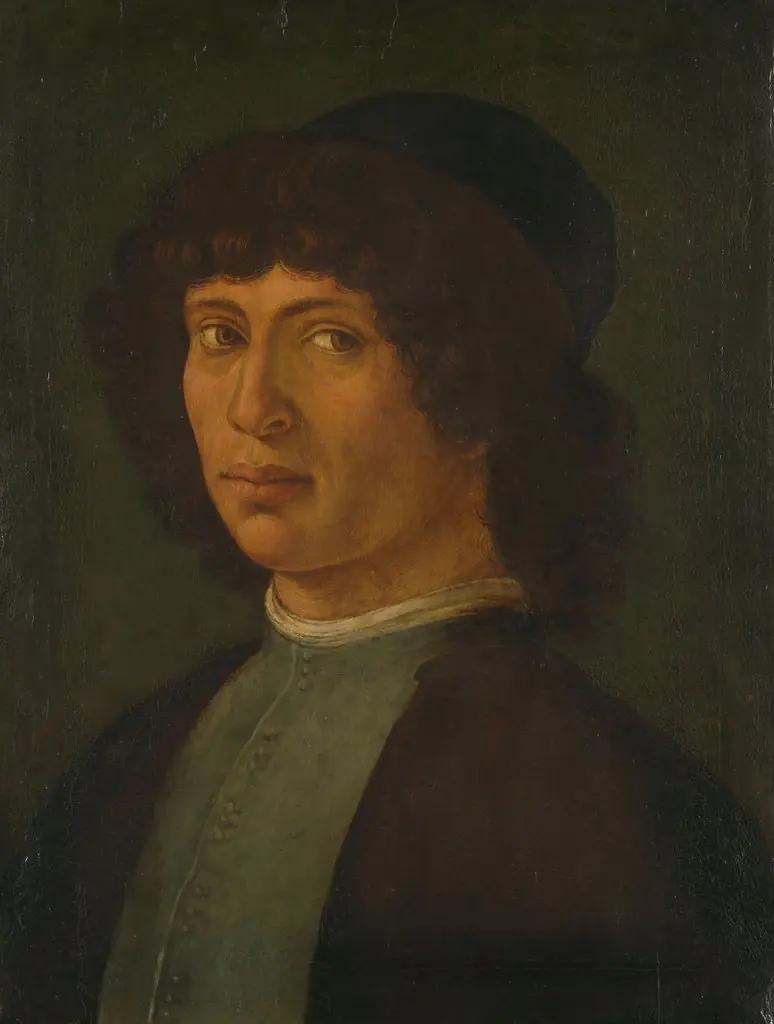 Portrait of a young man
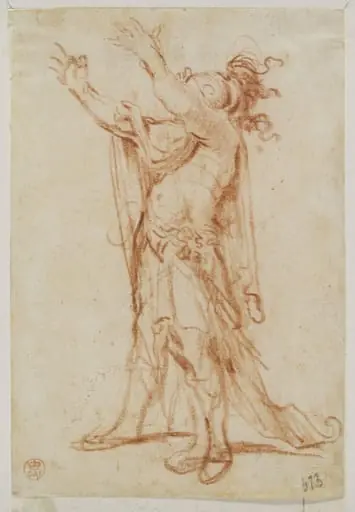 Study of a soldier in Roman dress with uplifted arms
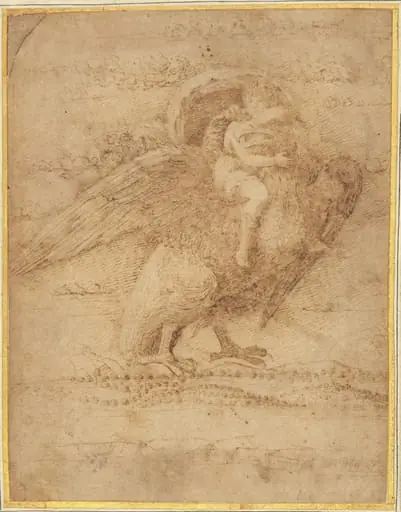 Jupiter and Ganymede Above an Extensive Landscape
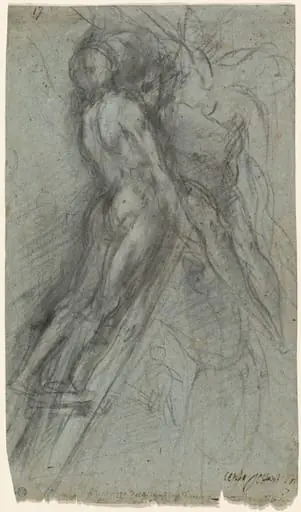 The Descent from the Cross
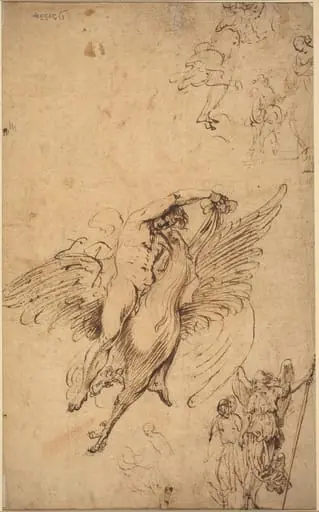 Ganymede
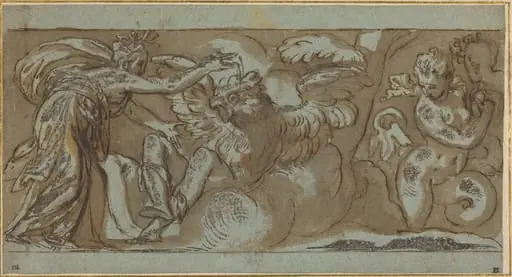 Ceres Changing Ascalaphus into a Bird of Evil Omen
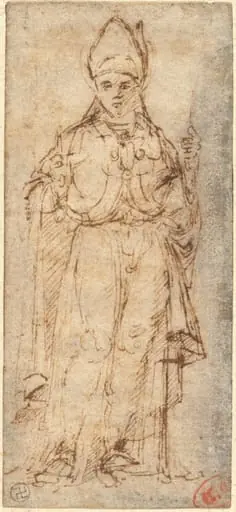 Saint Louis of Toulouse Holding a Staff
 Untitled
![Hercules Leaning on His Club [recto], by Parri Spinelli](https://artifactworldgallery.com/img/parri-spinelli--hercules-leaning-on-his-club-recto--1ed658247dda4bac-w320.webp) Hercules Leaning on His Club [recto]
Hercules Leaning on His Club [recto] Venus Disarming Mars, Drapery Study (verso)