Artwork
Madonna lactans
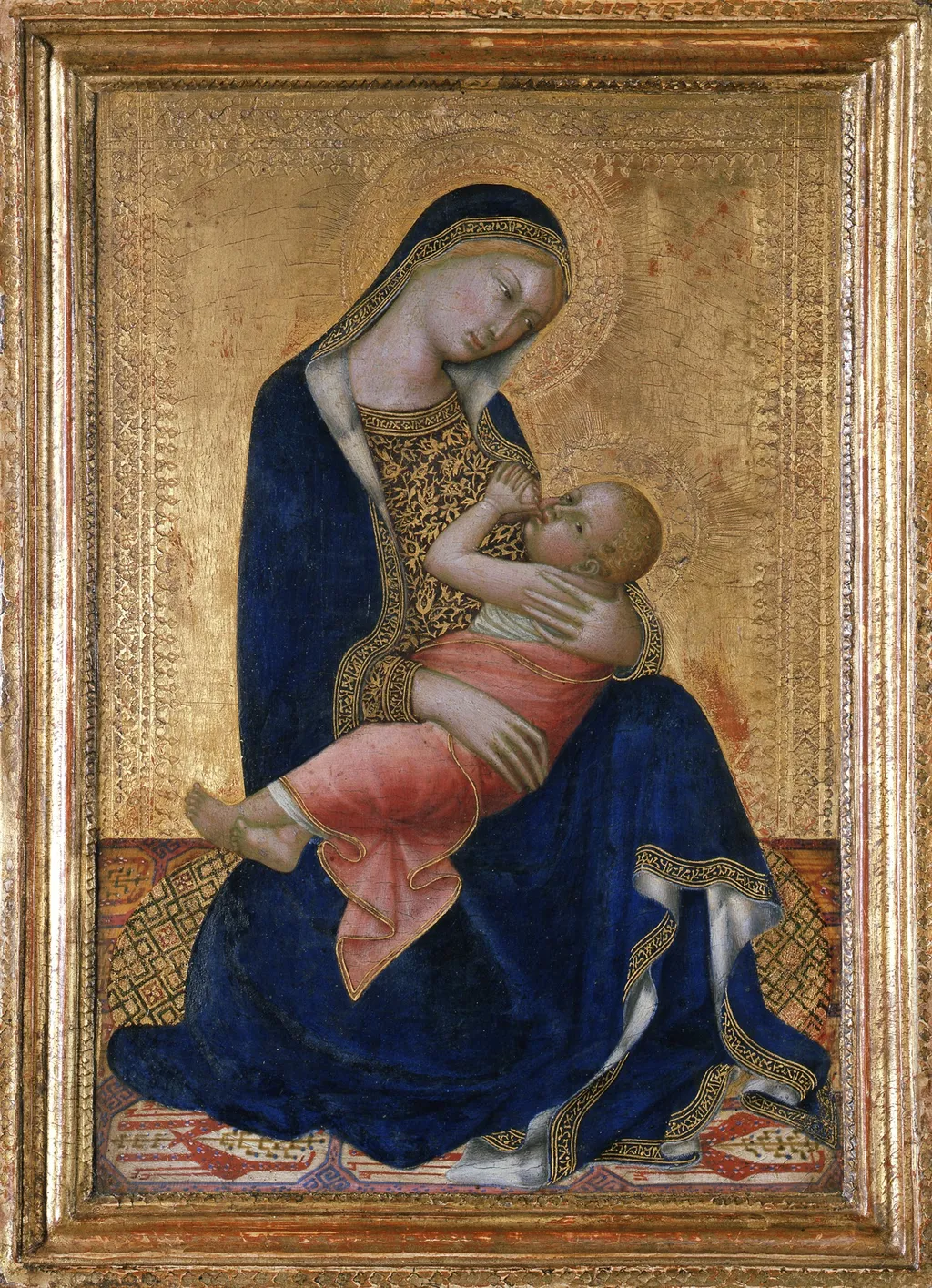
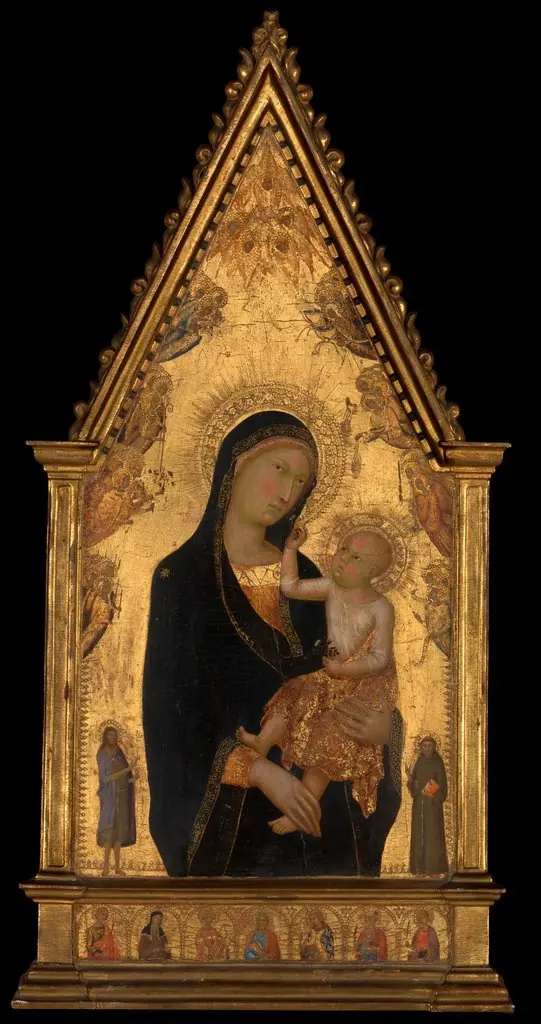
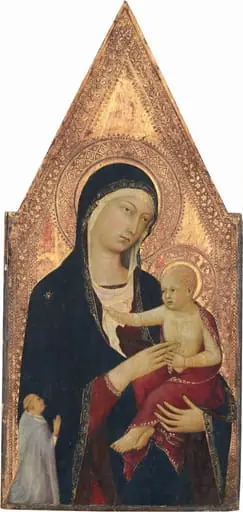
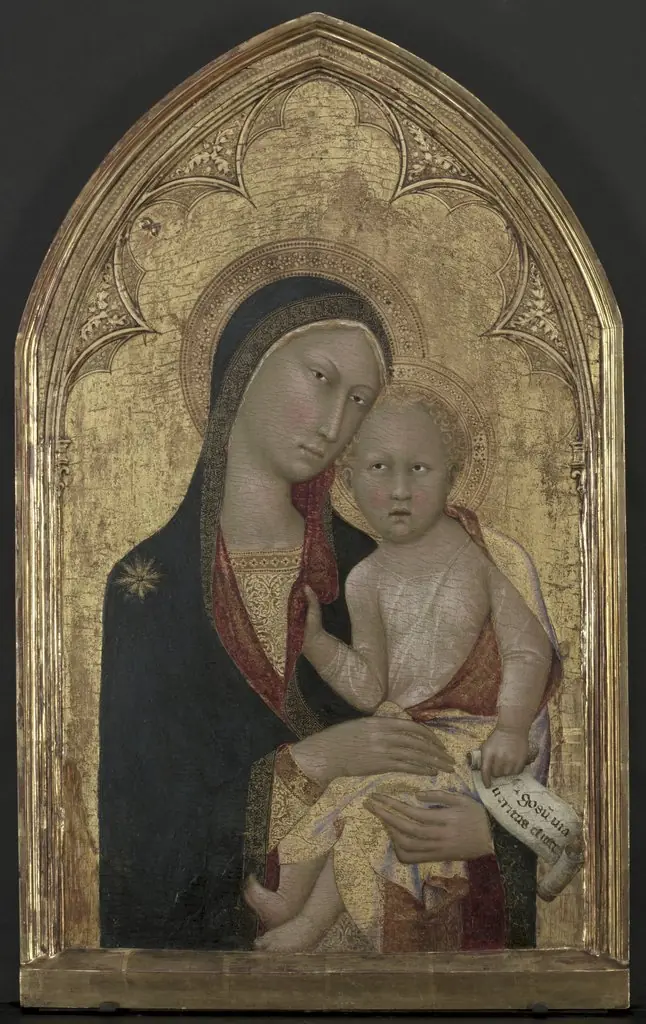
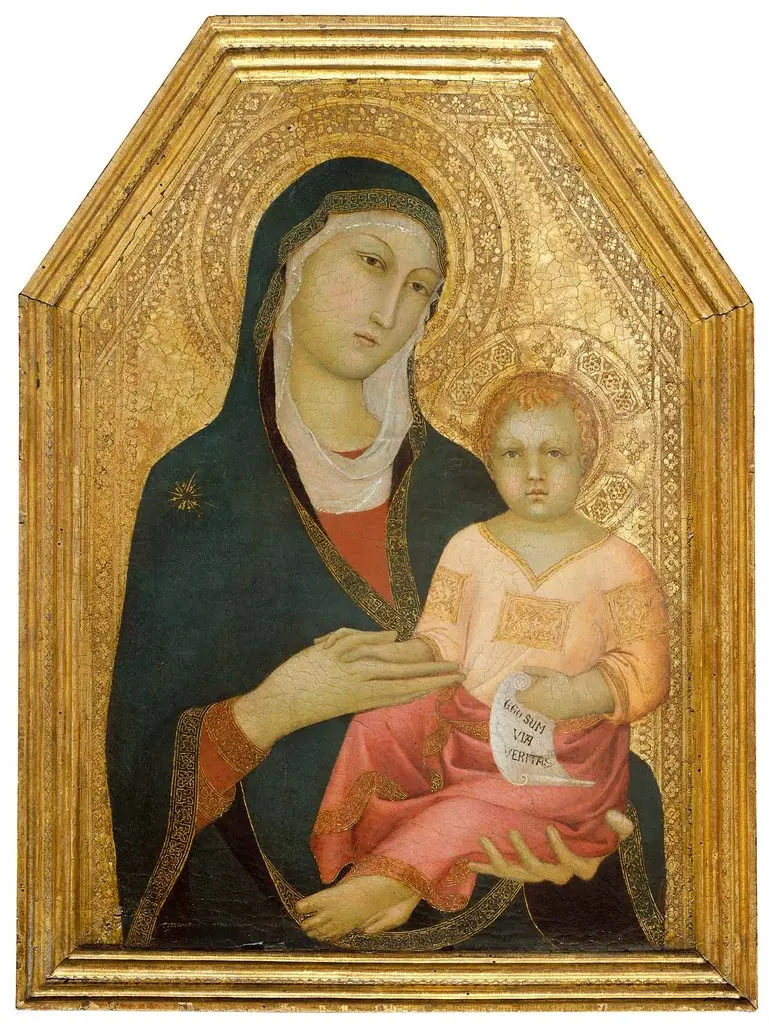
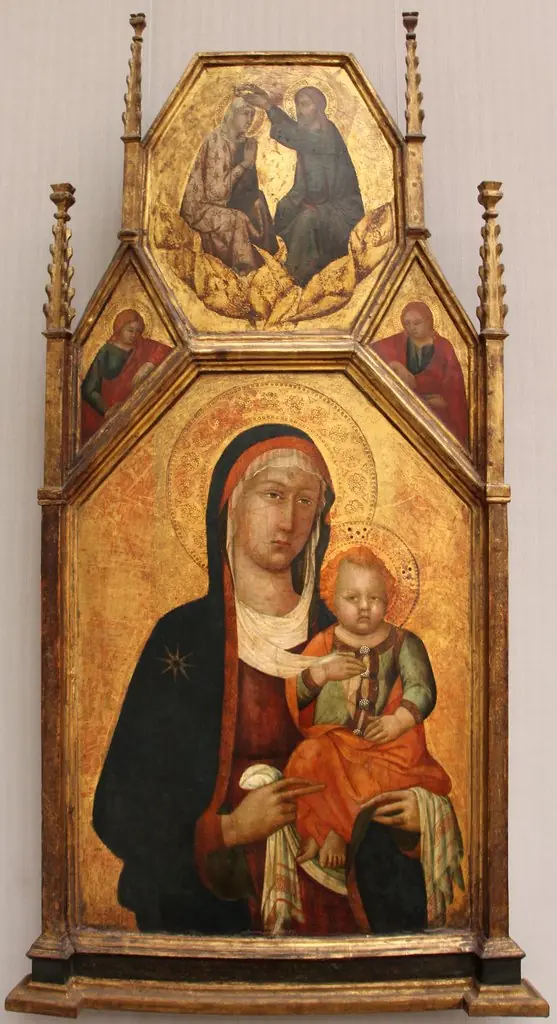
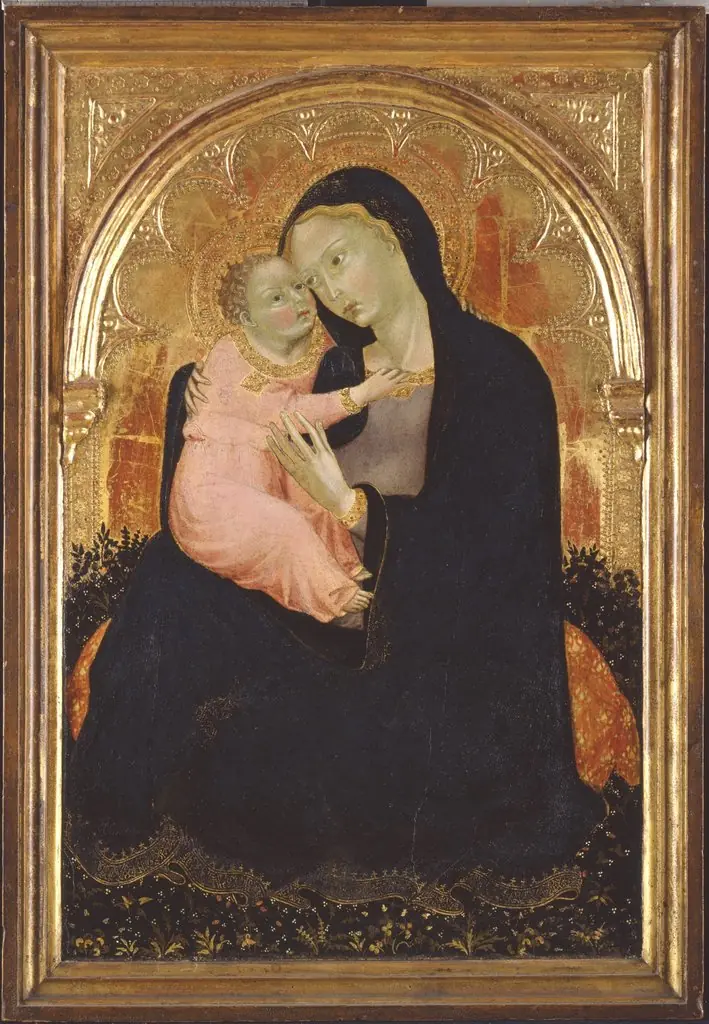
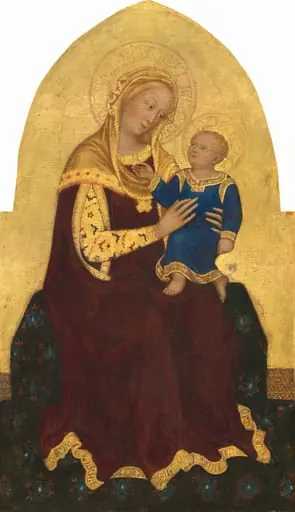
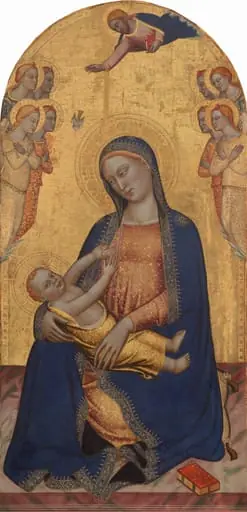
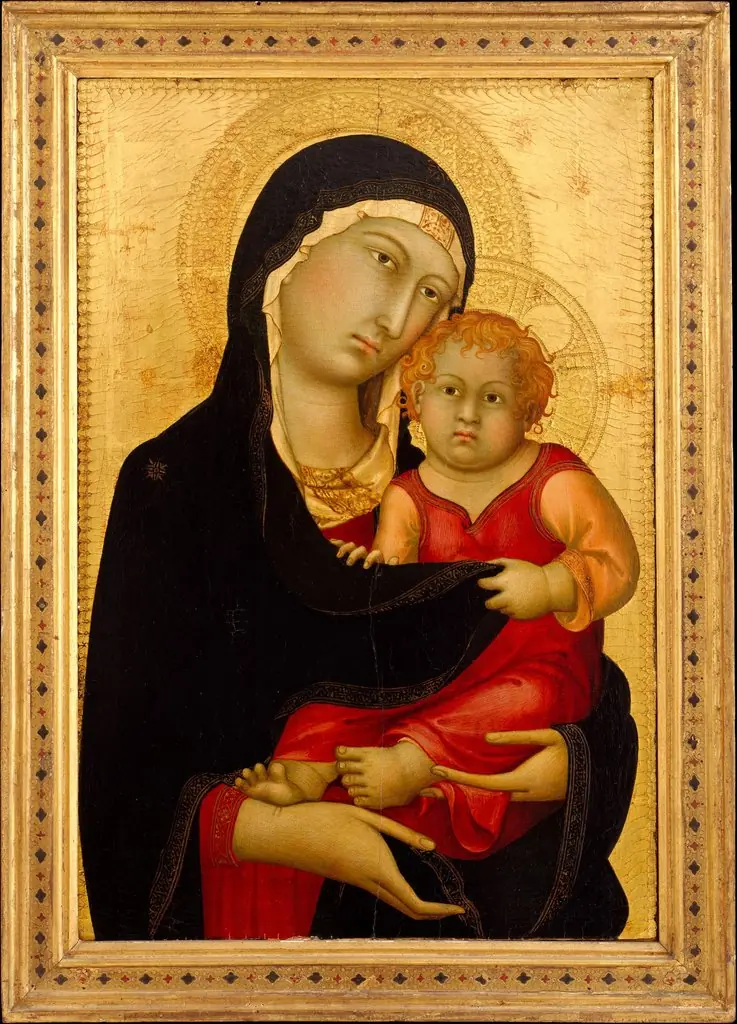
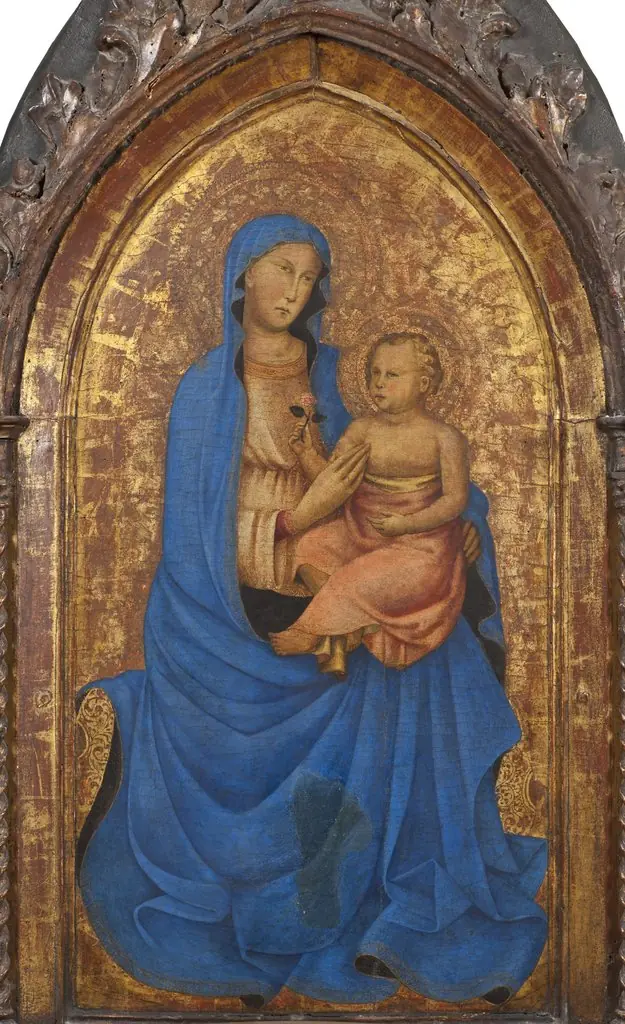
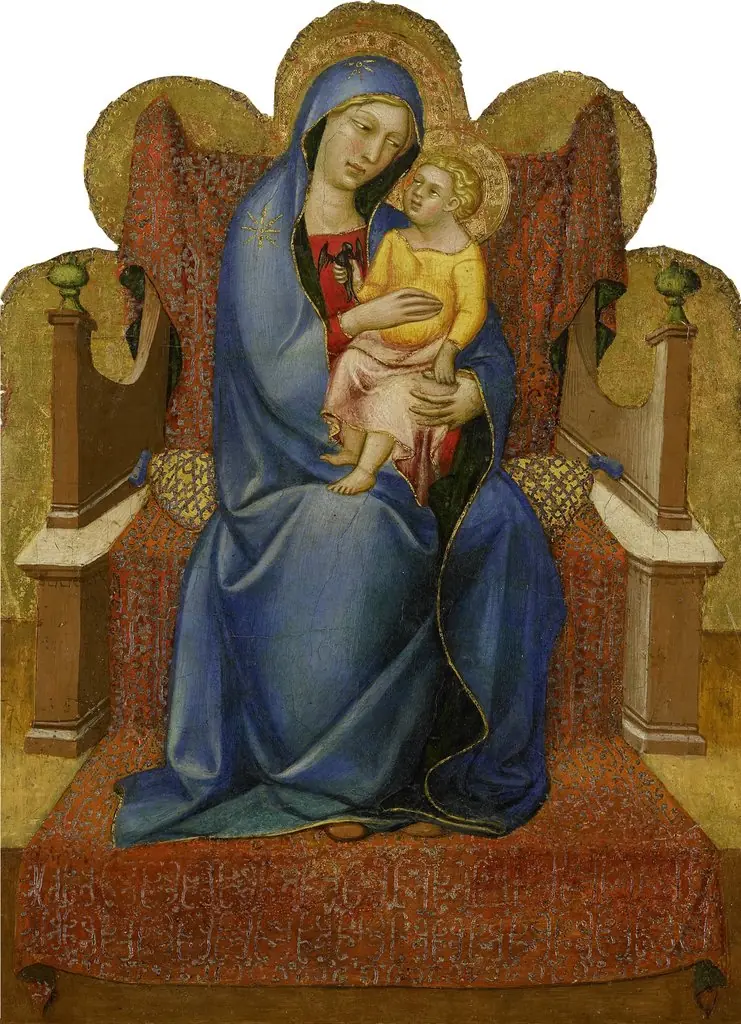
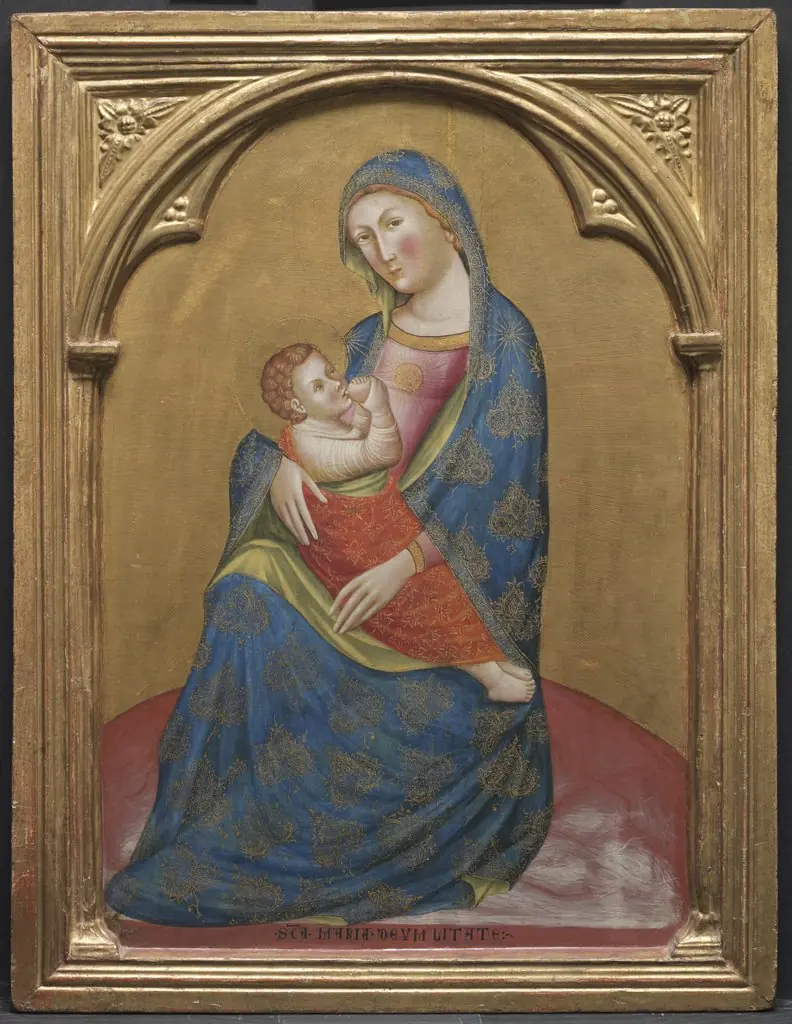
Madonna lactans is a paint painting by Lippo Memmi. It is held in the collection of the Gemäldegalerie Berlin.
About this work
Overview
Executed in tempera or oil on panel, it reflects the refined aesthetic of the International Gothic style prevalent in early 15th-century Italy.
Painted in 1400 by Lippo Memmi of Siena, this work is a devotional panel depicting the Virgin Mary nursing the infant Christ. Executed in tempera or oil on panel, it reflects the refined aesthetic of the International Gothic style prevalent in early 15th-century Italy. The painting resides today in the Gemäldegalerie, Berlin, as part of its collection of medieval and early Renaissance religious art.
Subject & Meaning
The image of the Madonna lactans, or nursing Virgin, emphasizes Mary’s dual role as both human mother and divine vessel. By portraying her in intimate act of breastfeeding, the composition underscores the Incarnation—Christ’s entry into the world through human flesh. This motif, common in medieval piety, invited viewers to contemplate divine love expressed through tender, earthly care.
Technique & Style
Memmi employed delicate brushwork to render fine gold detailing along Mary’s blue robe and a luminous, flat gold background typical of the International Gothic tradition. The figures are elongated and graceful, with soft facial features and minimal spatial depth. The use of rich pigments and ornamental patterns reflects a focus on symbolic beauty rather than naturalistic realism.
History & Provenance
Lippo Memmi, closely associated with Simone Martini and active in Siena’s vibrant artistic community, produced this work during a period of sustained religious patronage. The painting entered the Gemäldegalerie Berlin’s collection in the 19th century, likely through acquisition from a European ecclesiastical or noble source, though its earlier ownership remains undocumented.
Context
In early 1400s Italy, devotional images of the Virgin were central to private and public worship. Sienese painters like Memmi maintained a courtly, decorative style distinct from Florence’s emerging naturalism. This painting aligns with broader trends in Gothic art across Europe, where elegance, spiritual symbolism, and intricate ornamentation took precedence over anatomical accuracy.
Legacy
While Memmi’s work did not directly influence the Renaissance shift toward perspective and anatomy, it preserved a vital strand of medieval devotional imagery. The painting remains a quiet example of how Gothic aesthetics sustained spiritual expression well into the 15th century, offering insight into the visual language of piety before the advent of humanist ideals.
Artist & collection

Artist
Lippo Memmi (c. 1291 – 1356) was an Italian painter from Siena. He was the foremost follower of Simone Martini, who was his brother-in-law. Together with Martini, in 1333 he painted what is regarded as one of the…