Artwork
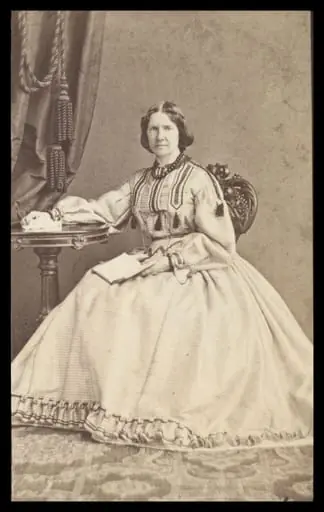
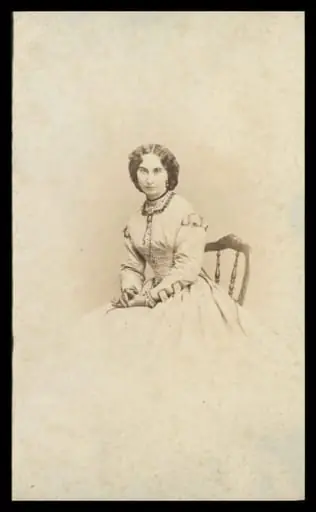
A portrait of 'Mary Ann Cusk'
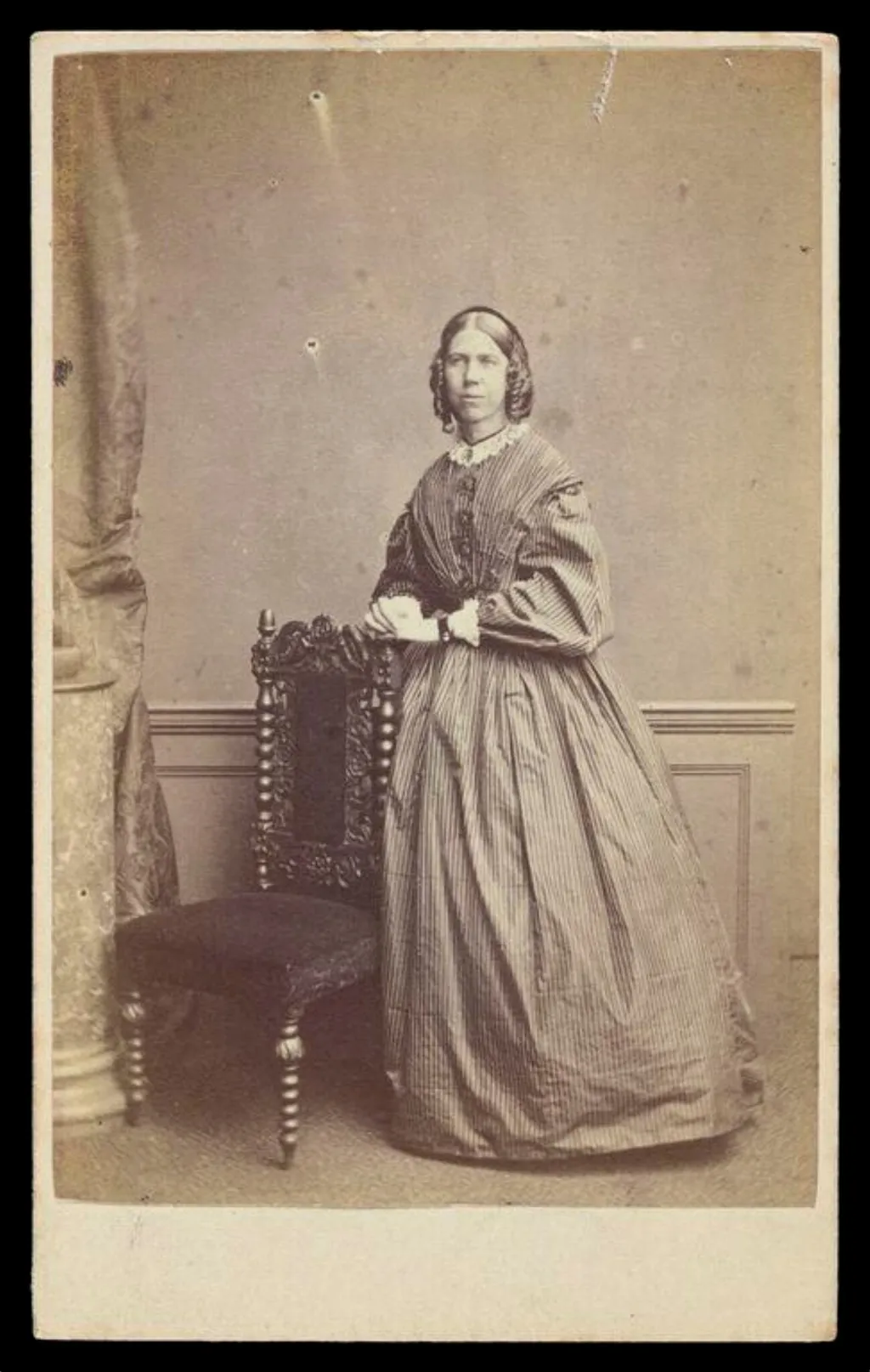
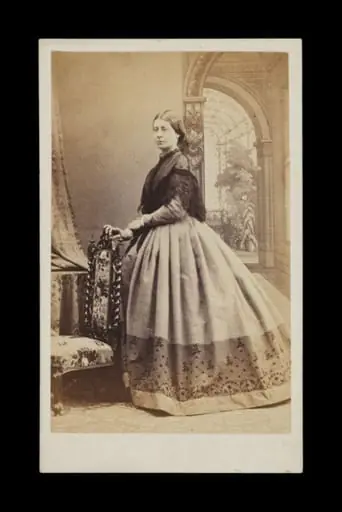
A portrait of 'Mary Ann Cusk' is a photographic photography by the Impressionist artist London Stereoscopic and Photographic Company. It dates from 1864 and is held in the collection of the Victoria and Albert Museum.
About this work
Overview
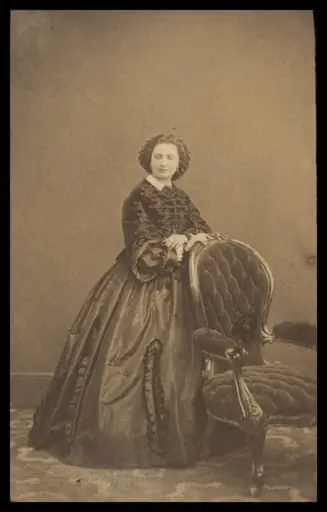
This 1864 photograph is a carte-de-visite portrait of Mary Ann Cusk, produced by the London Stereoscopic and Photographic Company. It presents her in a full-length stance, posed formally against a plain wall with minimal props. The image adheres to the commercial portrait conventions of the era, emphasizing clarity and decorum over artistic experimentation.
Subject & Meaning
Mary Ann Cusk is depicted with composed stillness, her posture and attire reflecting middle-class Victorian ideals of propriety. The high-necked, long-sleeved dress with pinstripes and neatly parted ringlets signal modesty and refinement. The chair, though present, is not occupied, suggesting a sense of quiet dignity rather than narrative context.
Technique & Style
The photograph employs the carte-de-visite format, a small albumen print mounted on card, popular for its affordability and reproducibility. Lighting is even and soft, minimizing shadows to highlight facial features and fabric texture. The plain background and deliberate positioning reflect studio conventions aimed at standardizing portraiture for mass distribution.
History & Provenance
Produced by the London Stereoscopic and Photographic Company, a prominent commercial studio of the 1860s, the image was likely sold as a collectible portrait. Such photographs were commonly exchanged among family and friends, serving as personal mementos. The studio’s involvement indicates Cusk’s access to middle-class photographic services of the time.
Context
Though the photograph predates Impressionism, its formalism contrasts sharply with the movement’s later emphasis on spontaneity and light. Instead, it aligns with the era’s demand for controlled, respectable imagery. The presence of a decorative chair and column hints at staged domestic interiors, common in studio portraits to imply social standing without overt symbolism.
Legacy
As a surviving example of mid-Victorian photographic portraiture, the image offers insight into how individuals presented themselves in the age of emerging mass media. Its preservation reflects the cultural value placed on personal documentation, even in modest, commercially produced formats.
Artist & collection
Artist
London Stereoscopic and Photographic Company
They snapped portraits for London’s theater crowd in the 1800s, turning actors and dancers into instant celebrities.

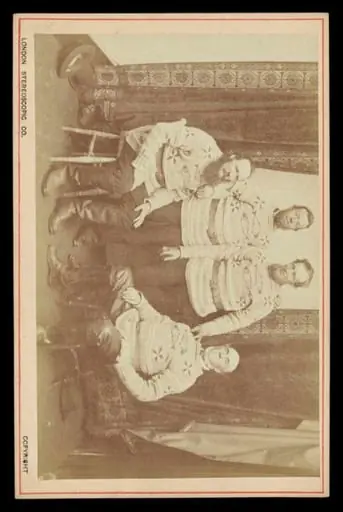
 Guy Little Theatrical Photograph
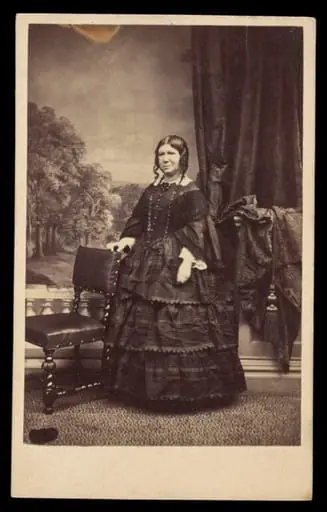 A portrait of 'Mrs Eliza Hill'
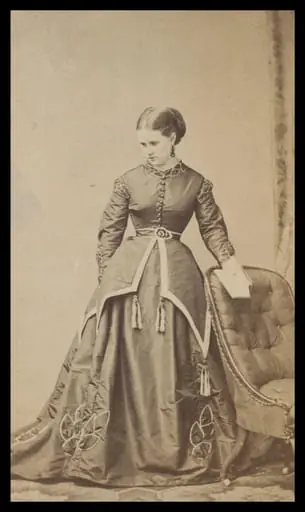 Guy Little Theatrical Photograph
 Mrs Alfred Wilsow
 Guy Little Theatrical Photograph
 Guy Little Theatrical Photograph
 Guy Little Theatrical Photograph
 Guy Little Theatrical Photograph
 Guy Little Theatrical Photograph
 Guy Little Theatrical Photograph
 Guy Little Theatrical Photograph
 Guy Little Theatrical Photograph