Artwork
Guy Little Theatrical Photograph
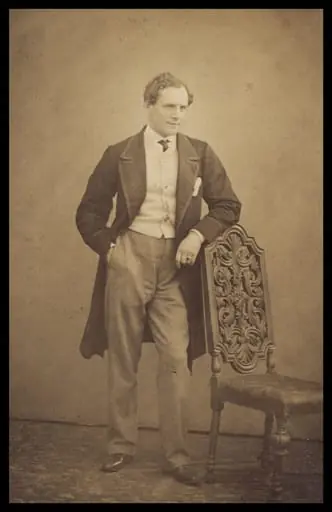
Guy Little Theatrical Photograph is a photographic photography by the Impressionist artist London Stereoscopic and Photographic Company. It dates from 1866 and is held in the collection of the Victoria and Albert Museum.
About this work
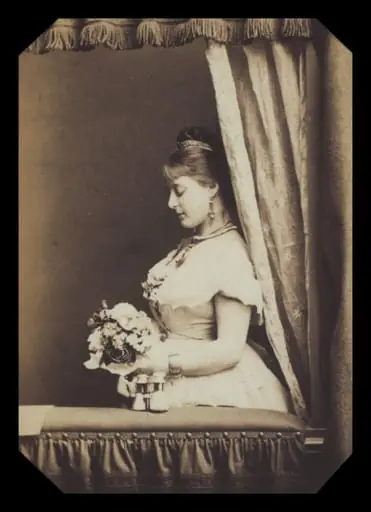
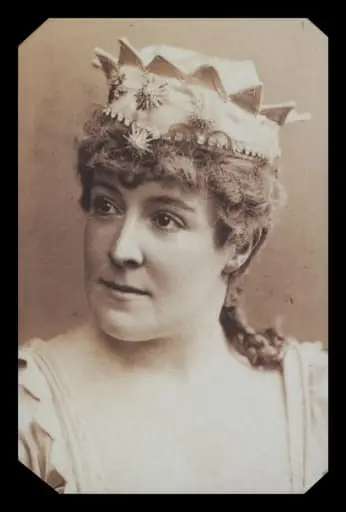
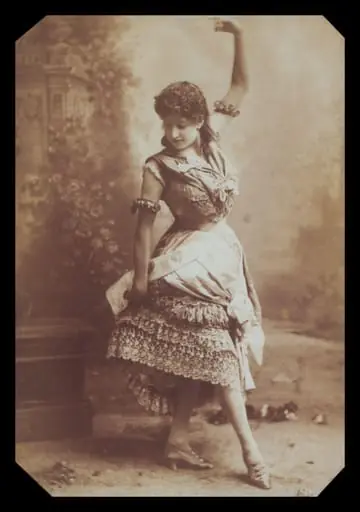
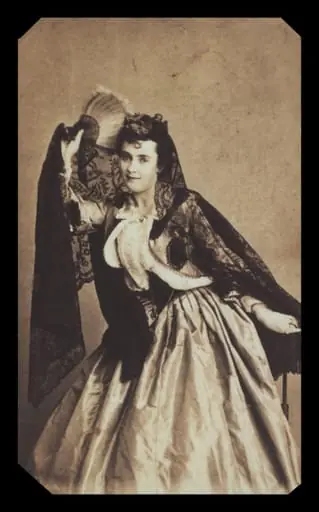
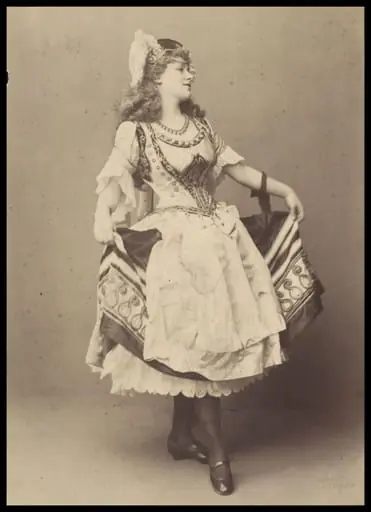
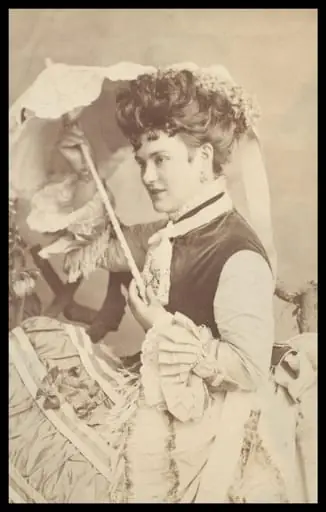
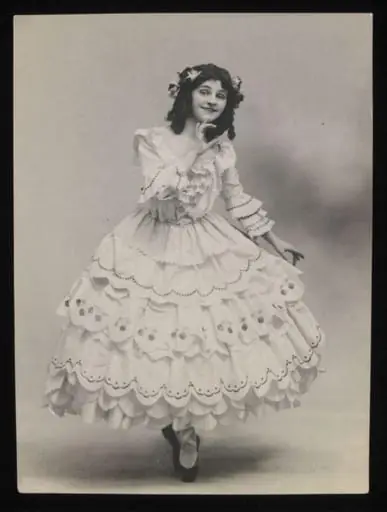
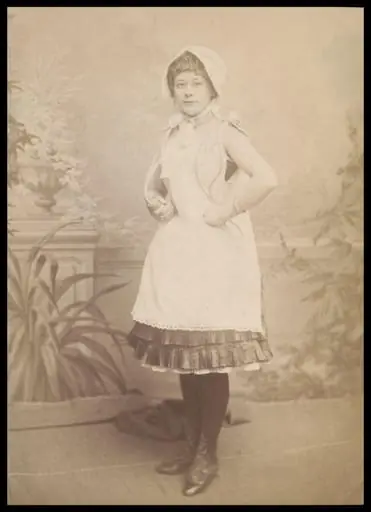
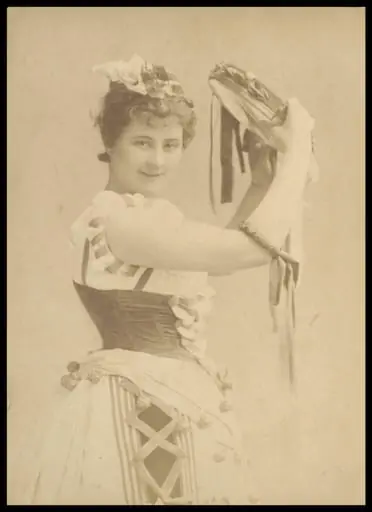
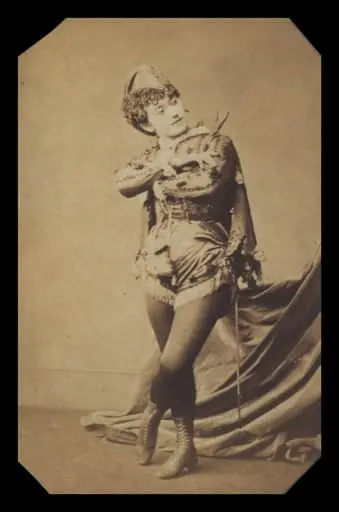
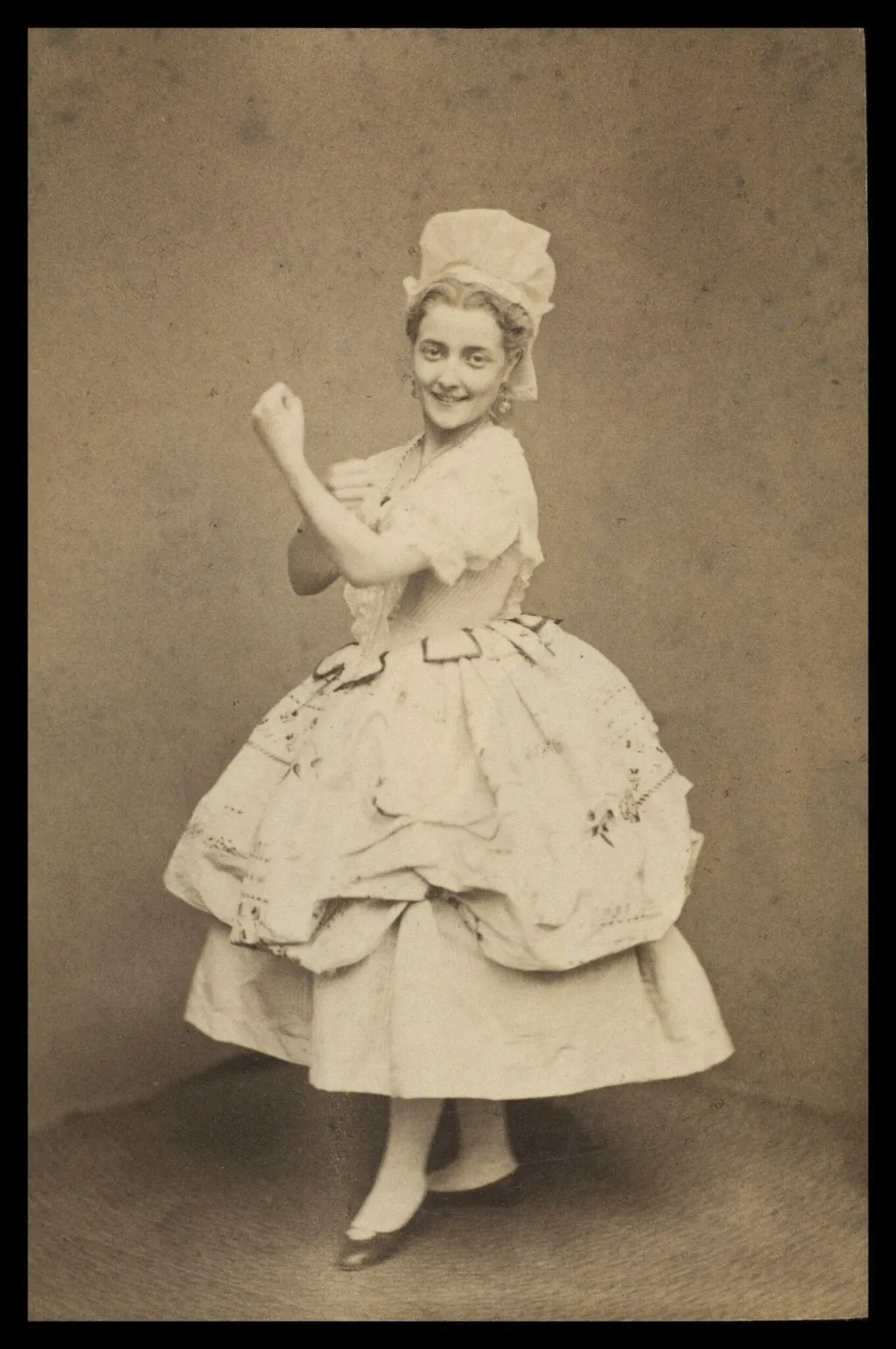
This photo shows Susan Galton as Mopsa in *Barbe Bleu*, a play from 1866. It was taken by the London Stereoscopic and Photographic Company around the same year. The photo fits both Impressionism and Realism movements.
Victorian actors often posed for these pictures in costume. They sold them as small cards for fans to collect—like early trading cards.
See more at the Victoria and Albert Museum.
Overview
This photograph captures Susan Galton in character as Mopsa from the 1866 production of Barbe Bleu, taken by the London Stereoscopic and Photographic Company.
This photograph captures Susan Galton in character as Mopsa from the 1866 production of Barbe Bleu, taken by the London Stereoscopic and Photographic Company. It belongs to a collection of theatrical portraits assembled by Guy Tristram Little, a solicitor and avid collector of ephemera. The image, printed as a carte de visite, reflects the mid-Victorian trend of popularizing actor imagery through affordable, mass-produced photographic cards mounted on cardstock.
Subject & Meaning
Susan Galton portrayed Mopsa, a comic servant figure in the pantomime adaptation of Bluebeard. The image preserves her performance in costume, offering a tangible link to the theatrical experience of the time. These portraits functioned as both promotional tools and fan memorabilia, allowing audiences to possess a physical connection to performers they admired, blurring the line between stage and domestic life.
Technique & Style
Produced as an albumen print from a glass negative, the photograph follows standard commercial practices of the 1860s. The lighting is even, the pose formal, and the background plain—typical of studio portraiture designed for reproducibility. The image’s small scale and crisp detail reflect the technical priorities of the carte de visite format, prioritizing clarity and consistency over artistic experimentation.
History & Provenance
The photograph was once part of a personal album compiled by Guy Tristram Little, who collected thousands of theatrical photographs and removed them from their original mounts. After his death in 1953, the collection was bequeathed to the Victoria and Albert Museum. Little also served as executor for Gabrielle Enthoven, whose theatrical holdings became foundational to the V&A’s theatre archives.
Context
During the 1860s, cartes de visite became a cultural phenomenon, circulating widely as collectible items. Theatrical portraits were among the most popular subjects, capitalizing on public fascination with stage stars. These cards were exchanged, displayed, and archived, creating an early form of celebrity culture. The format’s popularity declined after the 1870s as larger cabinet cards and later postcards replaced them.
Legacy
Little’s assembled collection preserves a snapshot of Victorian theatrical culture through its most accessible medium. The photograph, once a disposable keepsake, now serves as a historical document of performance, fashion, and photographic practice. Its survival in institutional care underscores the transition of ephemeral media into enduring cultural records.
Artist & collection
Artist
London Stereoscopic and Photographic Company
They snapped portraits for London’s theater crowd in the 1800s, turning actors and dancers into instant celebrities.