Artwork
Guy Little Theatrical Photograph
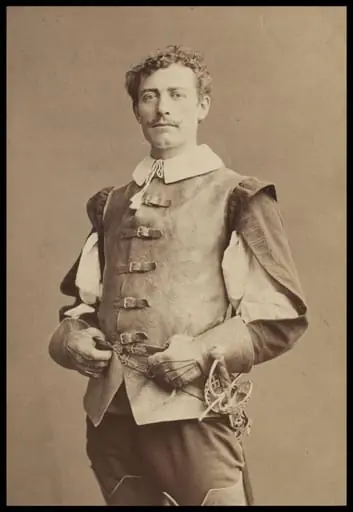
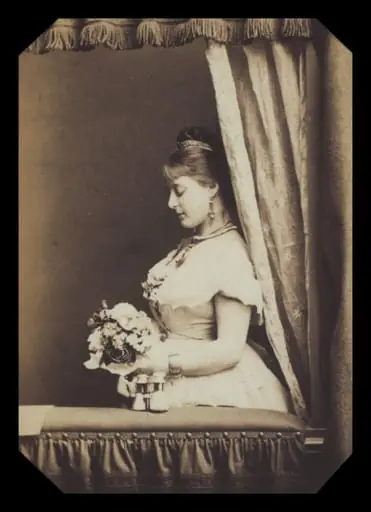
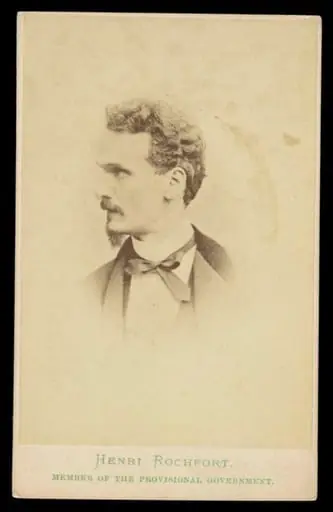
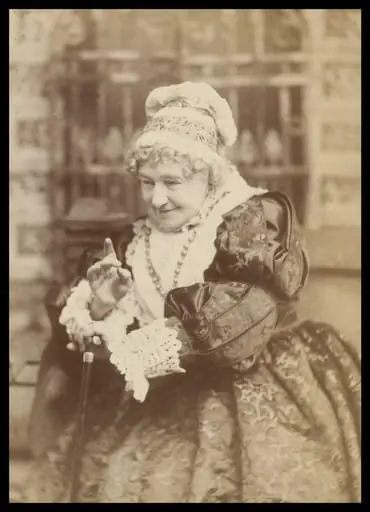
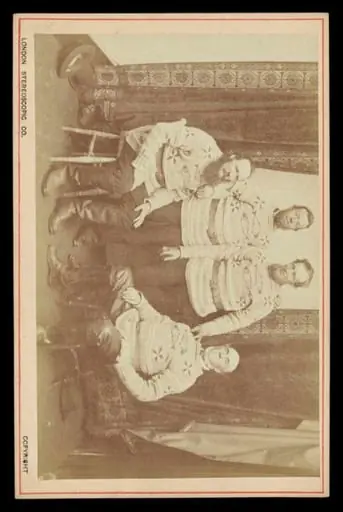
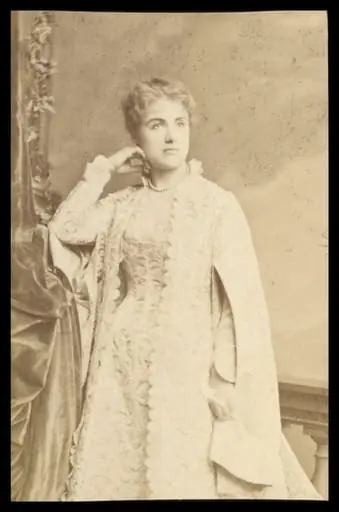
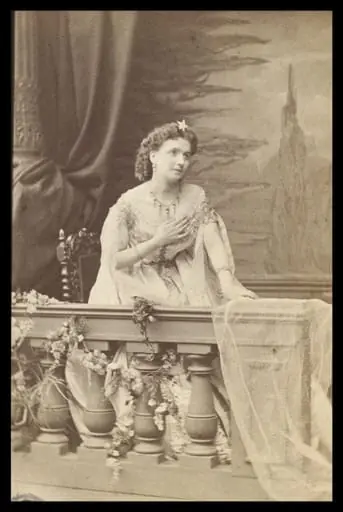
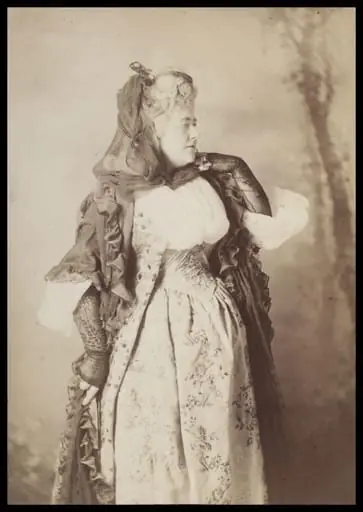
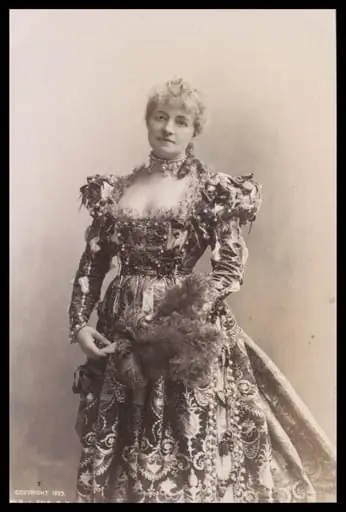
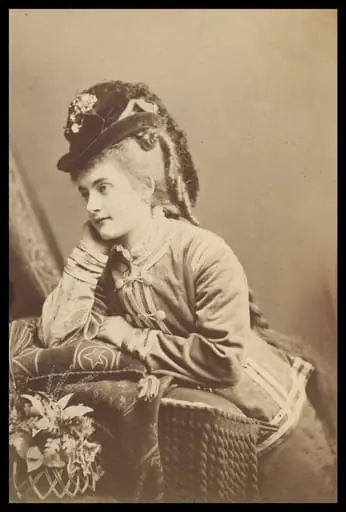
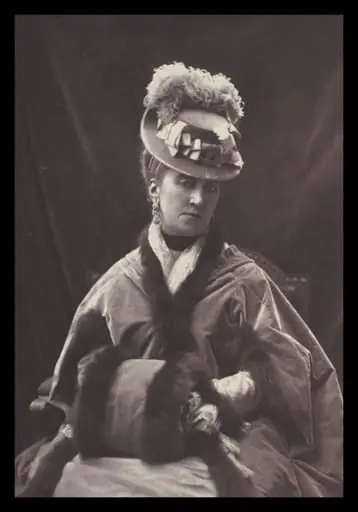
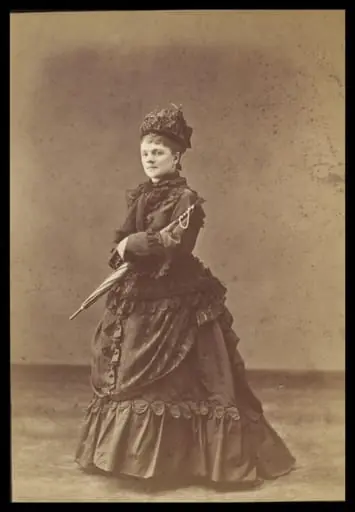
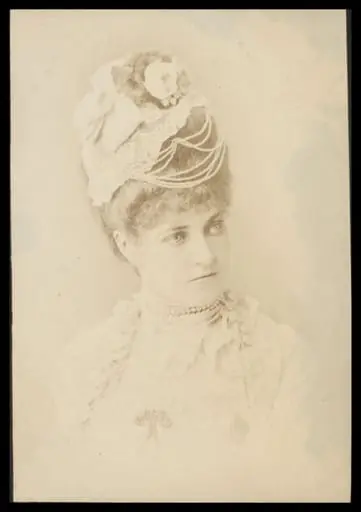
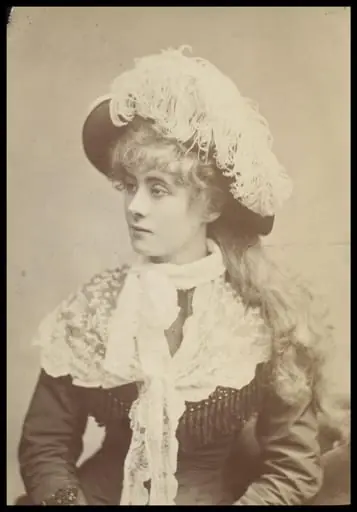
Guy Little Theatrical Photograph is a photographic photography by the Impressionist artist London Stereoscopic and Photographic Company. It dates from 1869 and is held in the collection of the Victoria and Albert Museum. This photograph is one of many collected by Guy Tristram Little, a legal professional and avid archivist of theatrical memorabilia.
About this work
Overview
This photograph is one of many collected by Guy Tristram Little, a legal professional and avid archivist of theatrical memorabilia.
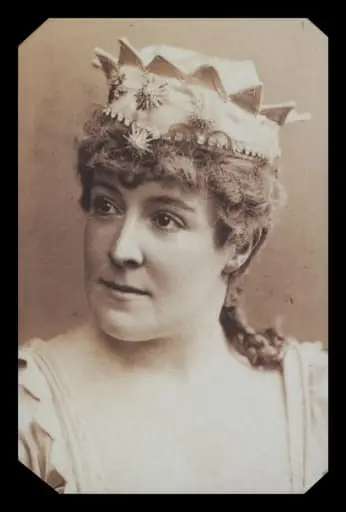
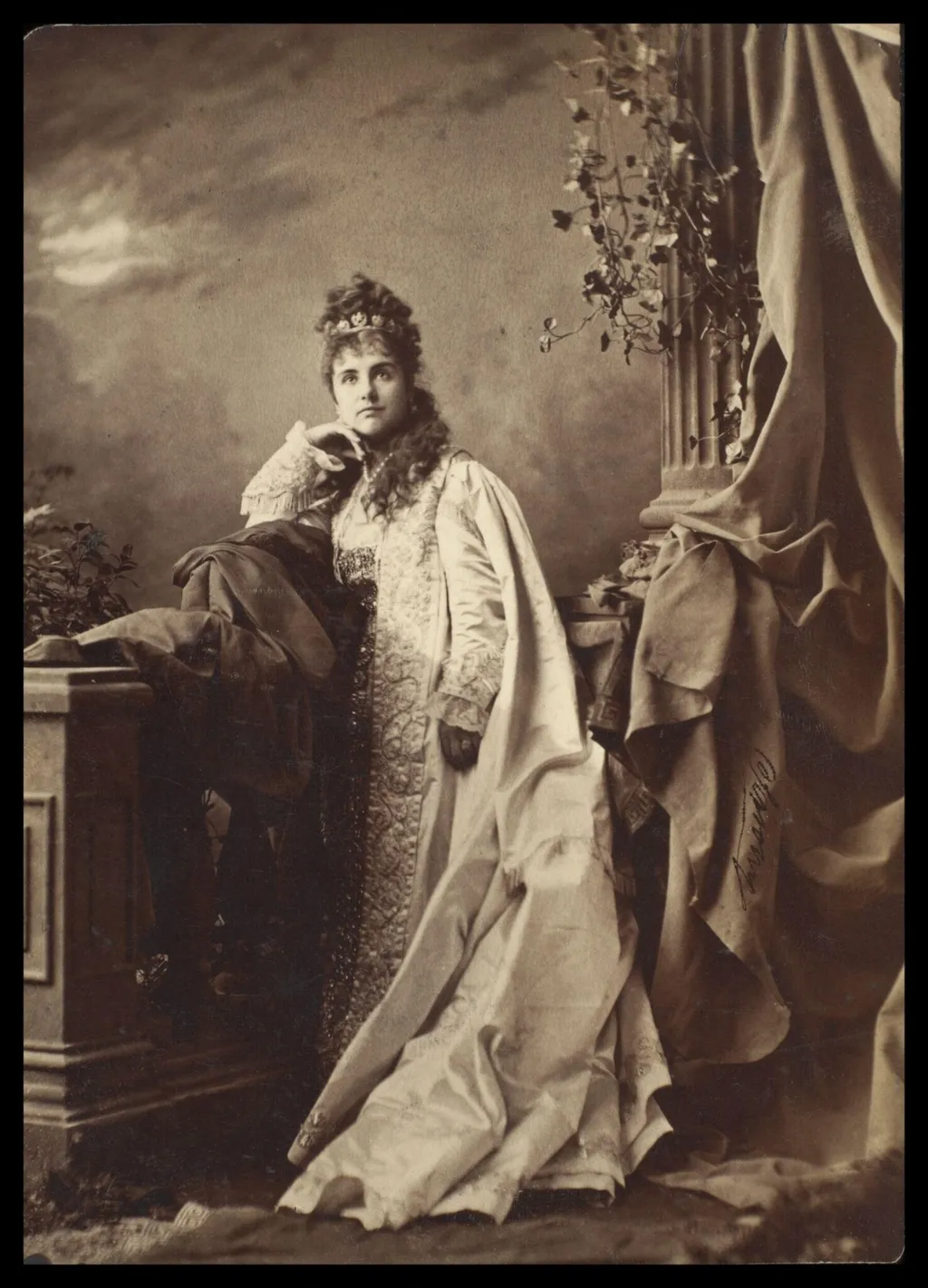
This photograph is one of many collected by Guy Tristram Little, a legal professional and avid archivist of theatrical memorabilia. Taken in the late 19th century, it captures actress Adelaide Neilson in costume as Juliet, staged at London’s Princess’s Theatre. The image was originally produced as a commercial carte de visite or cabinet card, formats widely circulated among Victorian audiences as affordable keepsakes of popular performers.
Subject & Meaning
Adelaide Neilson, celebrated for her portrayals of Shakespearean heroines, is depicted in character as Juliet, embodying the romantic ideal of the era. The photograph served not merely as documentation but as a cultural artifact, allowing admirers to maintain a personal connection with the stage. Its circulation as a collectible card reinforced the growing bond between public figures and their audiences in an age before film or radio.
Technique & Style
The image was produced using the albumen printing process on glass negatives, a standard method of the period. The soft tonal range and fine detail reflect the technical capabilities of mid-to-late 19th-century photography. Mounted on cardstock with the photographer’s imprint, the format was designed for durability and display, aligning with the domestic collecting habits of middle-class Victorians.
History & Provenance
The photograph was part of Guy Little’s personal collection of theatrical ephemera, later bequeathed to the Victoria and Albert Museum. Little, a solicitor and executor of Gabrielle Enthoven’s estate, preserved these items after they were removed from their original mounts and reorganized into bound albums. His efforts helped safeguard a significant portion of Britain’s theatrical visual heritage.
Context
During the 1860s–1890s, photographic portraits of actors became mass-produced commodities, mirroring the rise of celebrity culture. Cartes de visite, followed by cabinet cards, allowed fans to assemble personal albums of favorite performers, much like modern photo collections. This practice blurred the lines between art, commerce, and personal memory in an increasingly visual society.
Legacy
Little’s collection, now held by the V&A, remains a vital resource for understanding Victorian theatre and the role of photography in shaping public perception of performers. These images document not only stage history but also the social rituals of fandom, offering insight into how audiences engaged with performance before the advent of moving pictures.
Artist & collection
Artist
London Stereoscopic and Photographic Company
They snapped portraits for London’s theater crowd in the 1800s, turning actors and dancers into instant celebrities.