Artwork
Untitled (Place des Cordeliers)
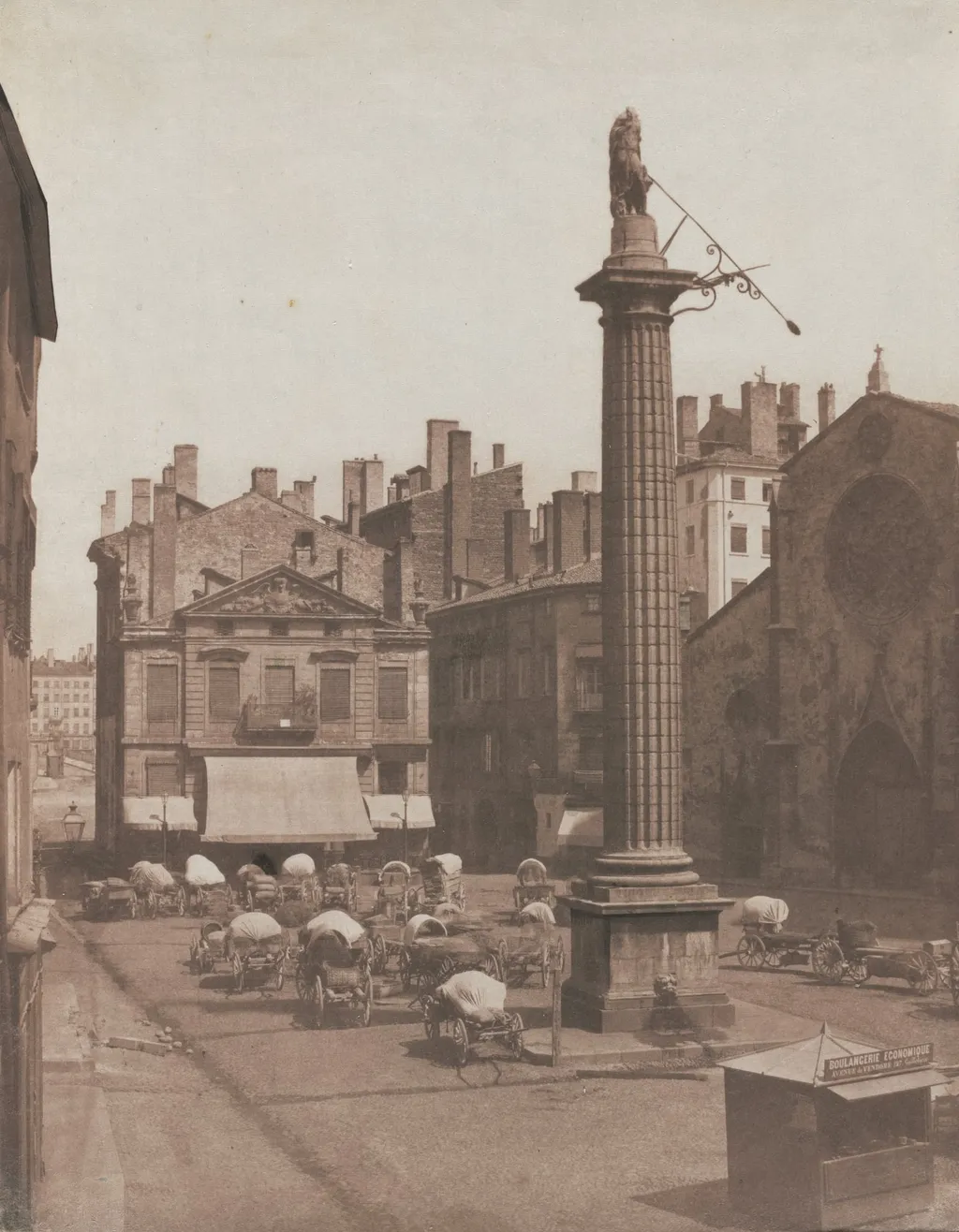
Untitled (Place des Cordeliers) is a photography by the Impressionist artist Louis-Antoine Froissart. It dates from 1852 and is held in the collection of the Cleveland Museum of Art.
About this work
Overview
It is part of the collection at The Cleveland Museum of Art, where it is valued for its historical and visual record of mid-19th-century French urbanism.
Created around 1852, this photograph by Louis-Antoine Froissart captures a quiet urban square in Lyon, France. The image presents a moment of daily life with minimal intervention, reflecting the early potential of photography to document public spaces with documentary precision. It is part of the collection at The Cleveland Museum of Art, where it is valued for its historical and visual record of mid-19th-century French urbanism.
Subject & Meaning
The scene centers on a monument resembling a soldier, surrounded by parked horse-drawn carriages, some draped in white cloths, suggesting preparation or waiting. A small bakery, marked 'Boulangerie Économique,' anchors one corner, hinting at local commerce. The composition avoids theatricality, instead emphasizing routine: the orderly arrangement of vehicles and the unadorned architecture convey the rhythm of ordinary urban existence.
Technique & Style
Froissart employed a long exposure to capture the stillness of the square, freezing motion in the carriages and figures while allowing slight blur in the sky. The image’s tonal range is restrained, emphasizing textures of stone, wood, and fabric. The camera’s fixed perspective and lack of dramatic lighting reflect an observational approach, aligning with early photographic practices that prioritized fidelity over artistic embellishment.
History & Provenance
The photograph was likely made during Froissart’s active years in Lyon, a city undergoing modernization in the 1850s. It entered the Cleveland Museum of Art’s collection through documented acquisition, though its earlier ownership remains unrecorded. As one of the few surviving photographs from this period depicting Lyon’s public spaces, it serves as a rare visual archive of the city’s pre-industrial streetscape.
Context
In the early 1850s, photography was emerging as a tool for recording urban transformation. Froissart’s image aligns with broader European efforts to document everyday environments, paralleling the rise of Realism in painting. Unlike staged compositions, this photograph captures the unvarnished texture of city life, offering insight into how public spaces functioned before widespread mechanization and urban renewal.
Legacy
The photograph contributes to the historical understanding of how early photographers approached civic space. Its quiet composition influenced later documentary traditions, demonstrating that ordinary scenes could hold visual and historical weight. Though not widely exhibited, it remains a reference point for scholars studying the intersection of urban life and photographic practice in mid-19th-century France.
Artist & collection

 Untitled
 Opéra (Rostral Column)
 Rue de la Ferronnerie
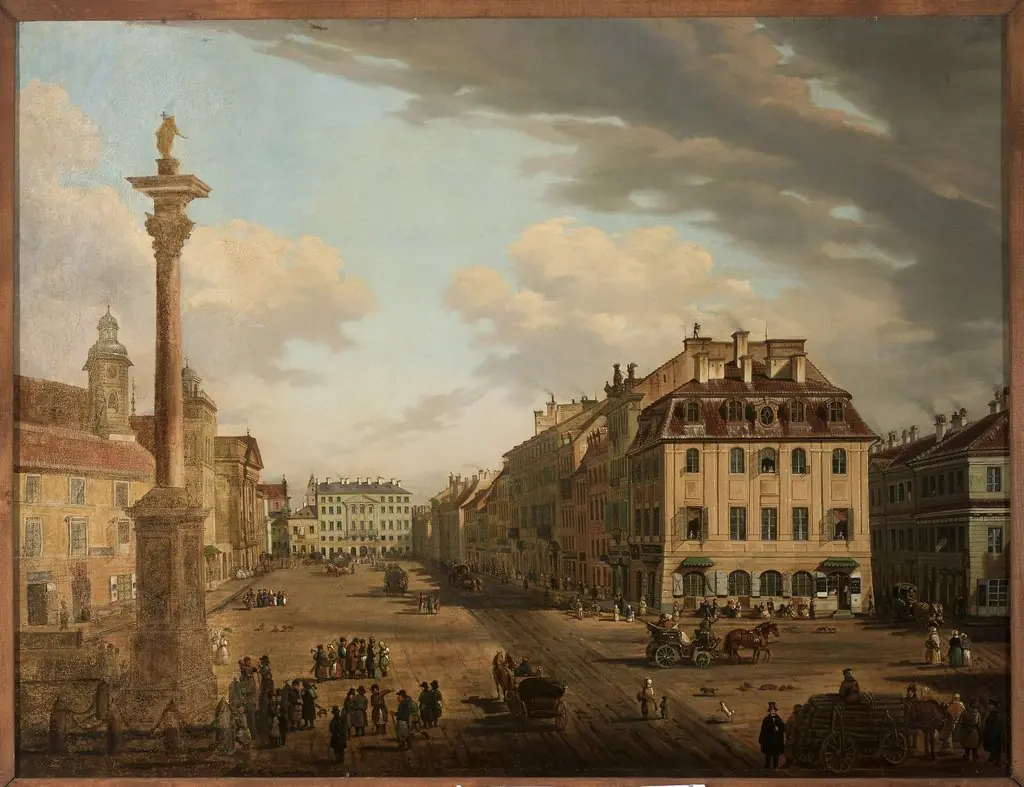 View from the Castle Square towards Krakowskie Przedmieście
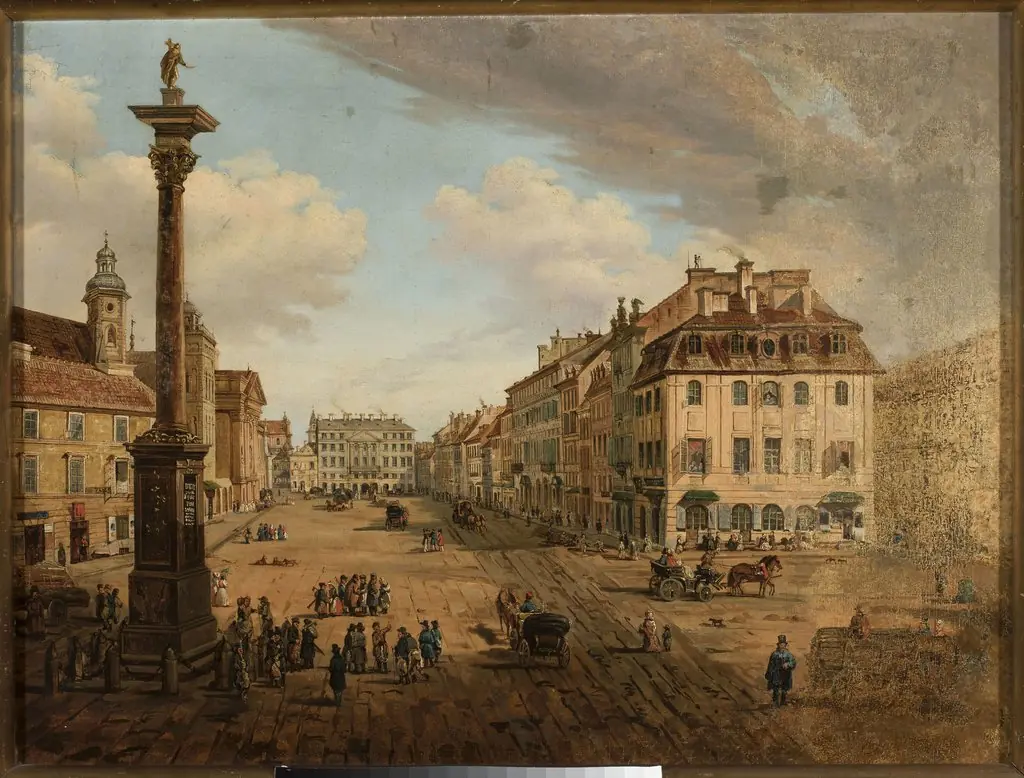 View from the Castle Square towards Krakowskie Przedmieście
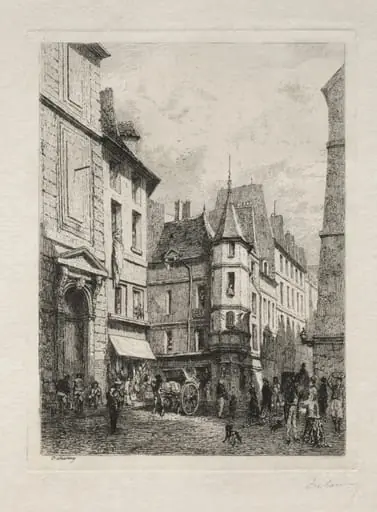 Tourelle en Fontaine Rue d'Ecole de Medicines demolies en 1877
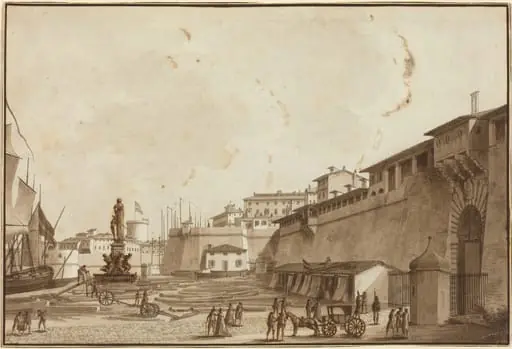 View of Livorno
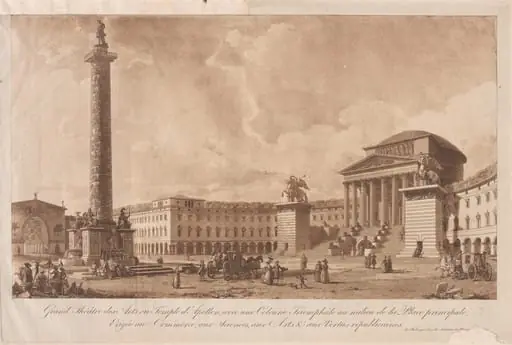 Grand Théâtre des Arts ou Temple d'Apollon, avec une Colonne Triomphâle au milieu de la Place principale, erigée au Commerce, aux Sciences, aux Arts & aux Vertus républicaines (Grand Theater of the Arts or Temple of Apollo, with a Victory Column in the Middle of the Main Square, Erected to Commerce, the Sciences, the Arts, and Republican Virtues)
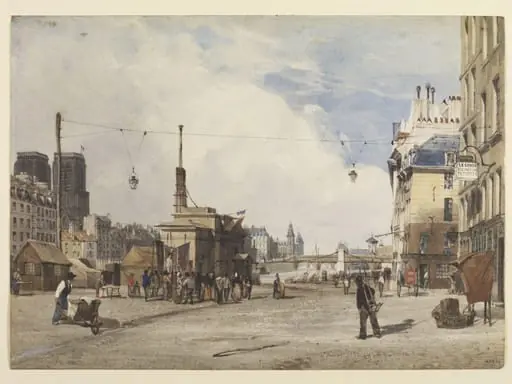 Quai de la Greve, Paris
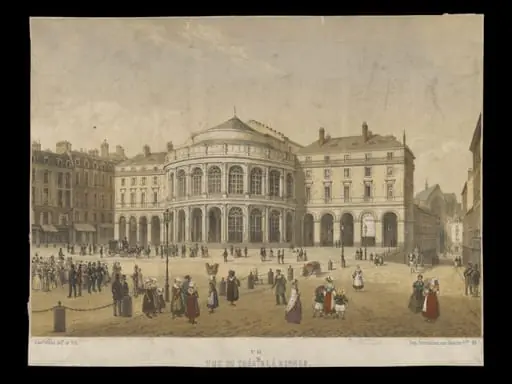 H Beard Print Collection
![Piazza Colonna from "Prospectus Locurum Urbis Romae Insign[ium]", by Lievin Cruyl](https://artifactworldgallery.com/img/lievin-cruyl--piazza-colonna-from-prospectus-locurum-urbis-romae-insign-iu--4b674f0f1b994d08-w320.webp) Piazza Colonna from "Prospectus Locurum Urbis Romae Insign[ium]"
Piazza Colonna from "Prospectus Locurum Urbis Romae Insign[ium]"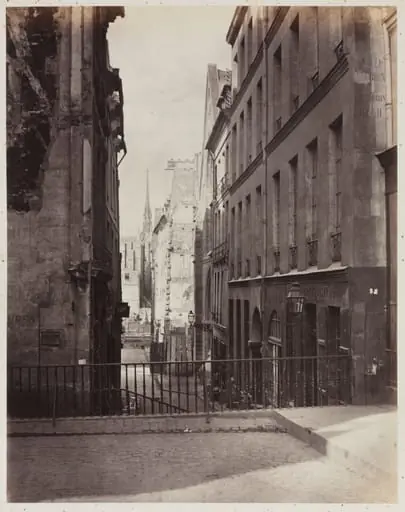 Rue Jean-de-Beauvais. Vue prise de la rue des Écoles vers la boulevard Saint-Germain, en travaux