Artwork
Young man praying
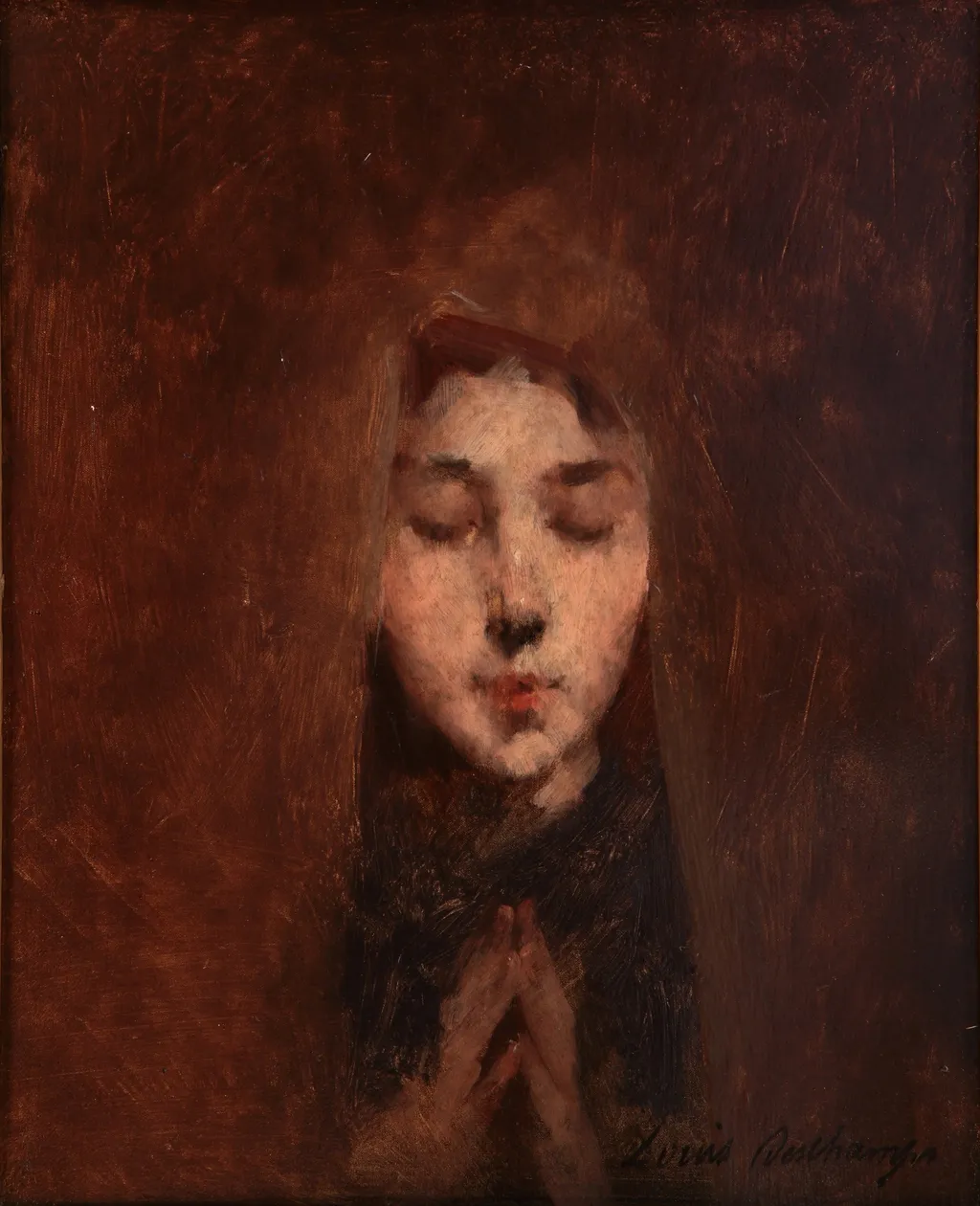
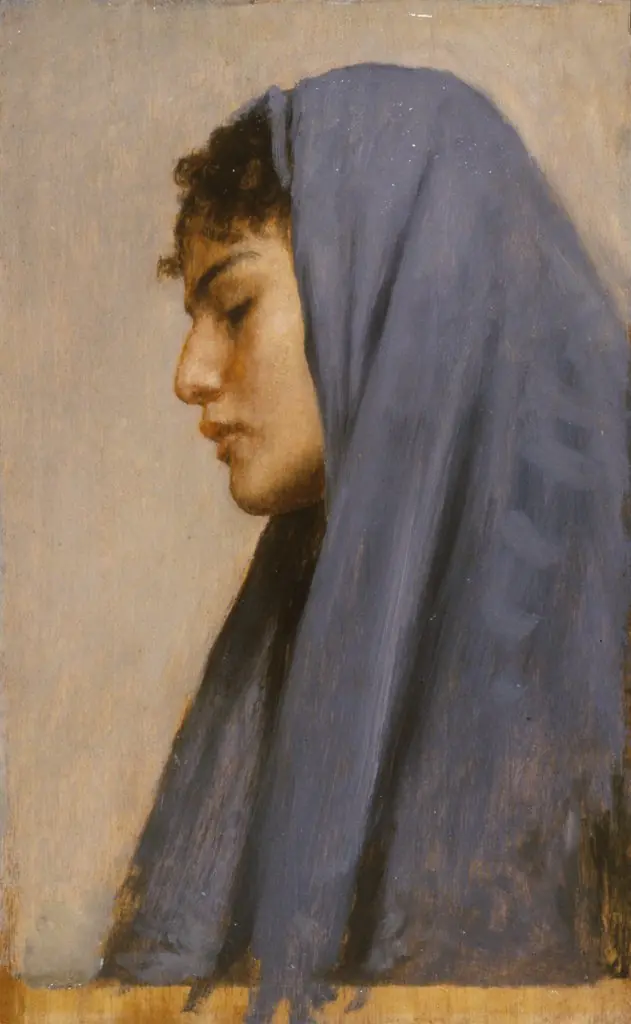
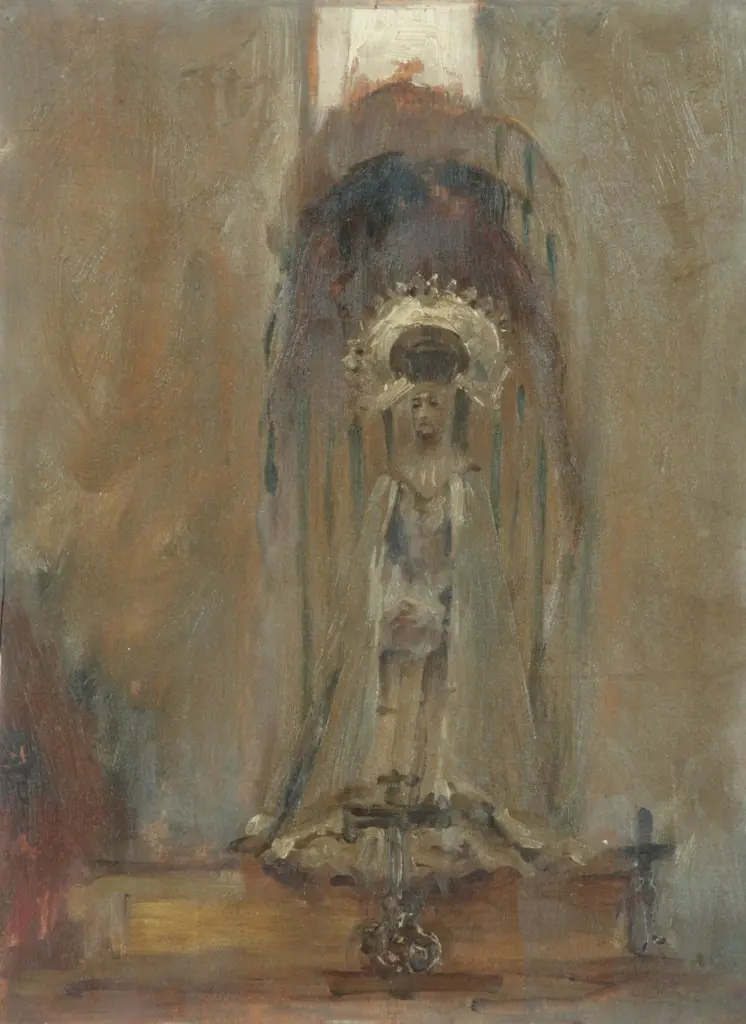
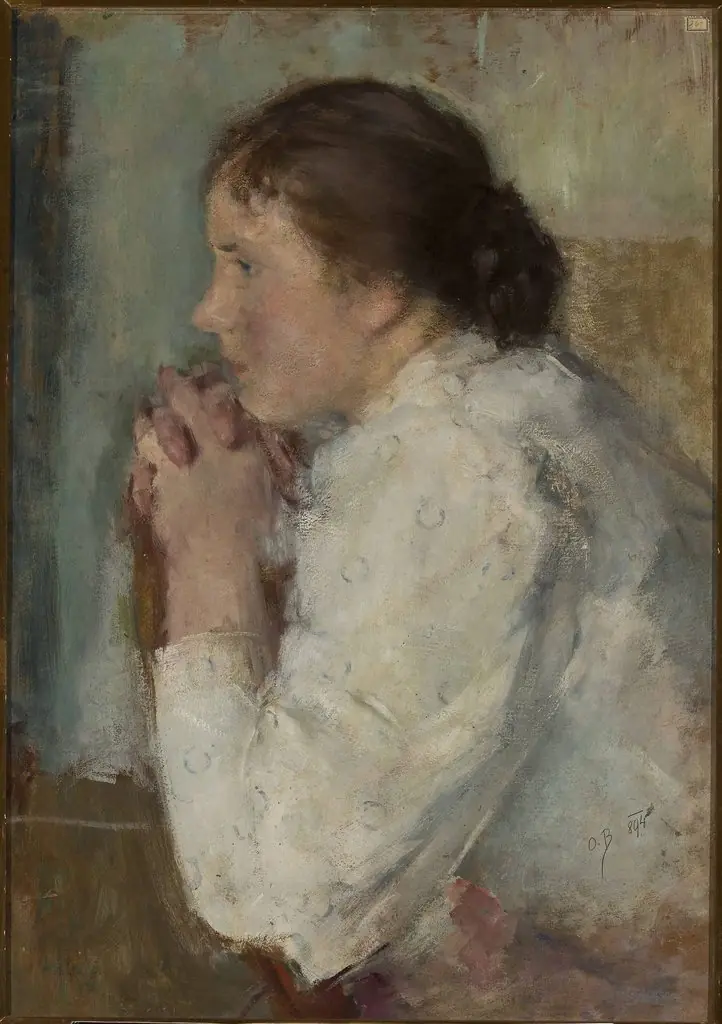
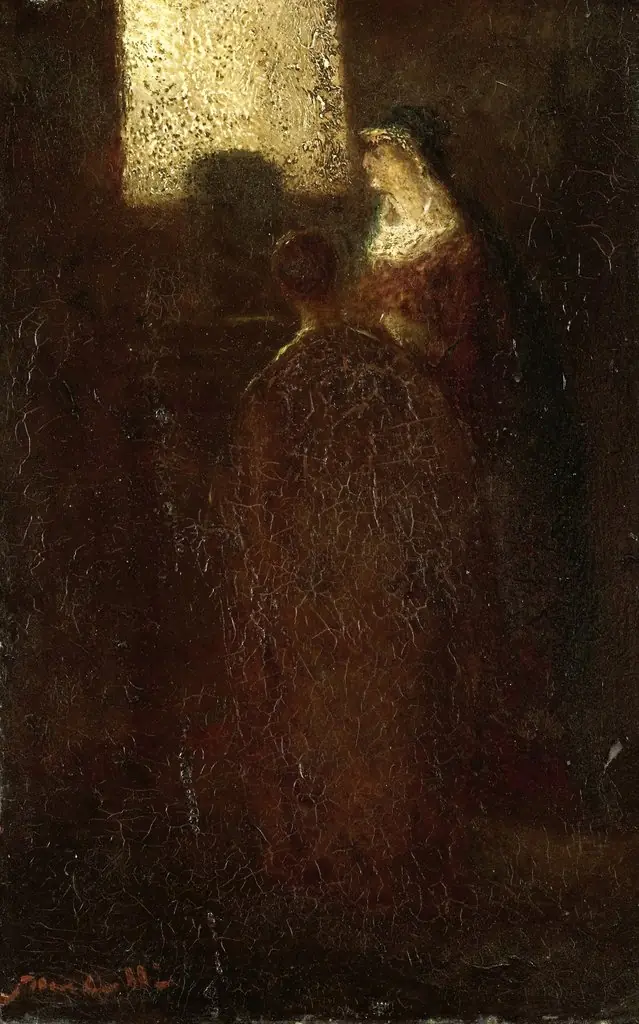
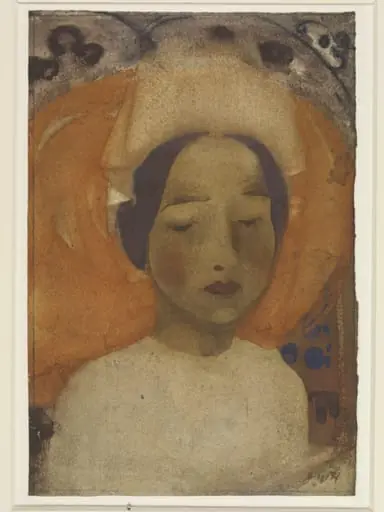
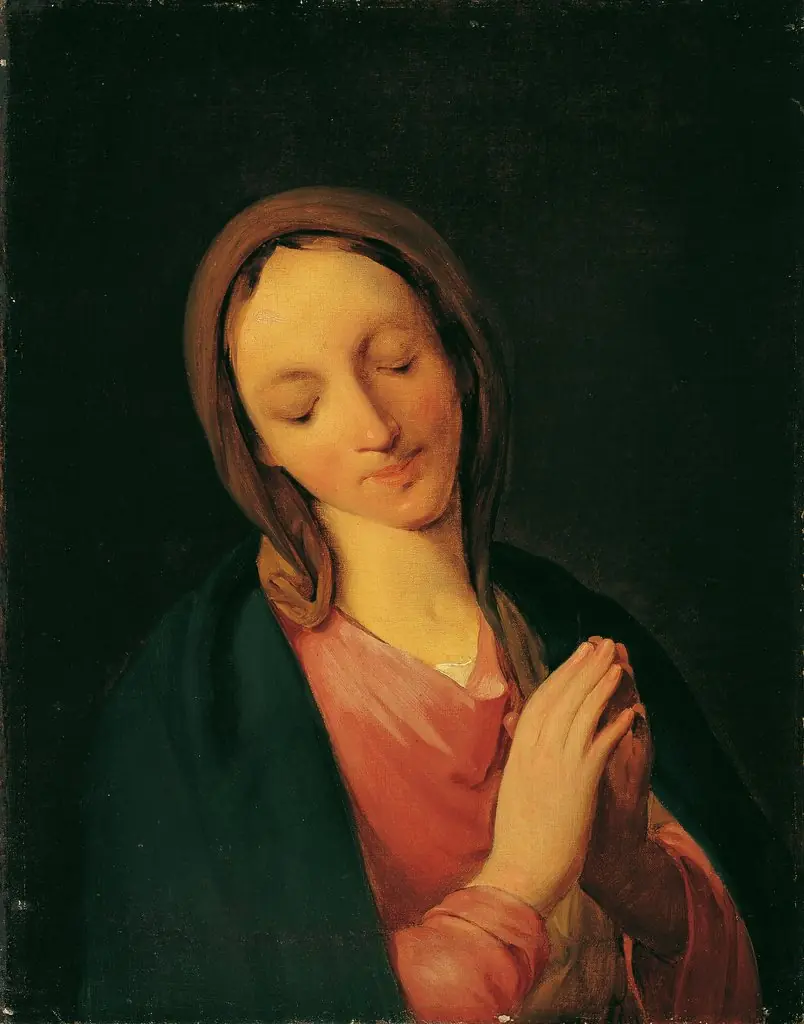
Young man praying is an unspecified painting by the Realist artist Louis Deschamps. It dates from 1850 and is held in the collection of the National Museum of Fine Arts, Argentina.
About this work
Overview
Louis Deschamps, a French artist active in the mid-to-late 19th century, produced this intimate portrait around 1850.
Louis Deschamps, a French artist active in the mid-to-late 19th century, produced this intimate portrait around 1850. Though often linked to Realism, the work leans toward quiet introspection rather than social commentary. It portrays a solitary young man in prayer, rendered with restrained detail and emotional subtlety. The painting resides in the National Museum of Fine Arts in Buenos Aires, where it stands as one of the few documented works by the artist in a public collection outside France.
Subject & Meaning
The figure is a young man, dressed in dark, plain clothing, with eyes closed and hands folded in quiet devotion. His expression is calm, neither ecstatic nor distressed, suggesting an internal, personal moment rather than a public ritual. The absence of religious symbols or setting emphasizes the universality of the act—prayer as a private, human experience. The stillness of the pose invites contemplation, framing the subject as a vessel of inner reflection rather than a devotional icon.
Technique & Style
Deschamps employs chiaroscuro to model the face with soft, directional light, enhancing the three-dimensionality of the features without theatricality. The muted, earth-toned background recedes gently, focusing attention on the figure’s stillness. Brushwork is precise yet unobtrusive, avoiding overt detail in favor of atmospheric cohesion. The subtle gradations of shadow and light suggest a sensitivity to natural illumination, aligning the work with Realist concerns for observed truth rather than idealized form.
History & Provenance
The painting’s early history remains undocumented, with no known exhibition records prior to its arrival in Argentina. It entered the collection of the National Museum of Fine Arts in Buenos Aires in the early 20th century, likely through acquisition or donation. Deschamps, though recognized in French academic circles, left few widely circulated works, making this piece a rare example of his output preserved outside Europe. Its presence in South America reflects broader 19th-century cultural exchanges between Europe and Latin America.
Context
Created during a period when French art increasingly turned toward everyday life, the painting aligns with Realism’s shift from grand narratives to intimate, unadorned moments. While contemporaries like Courbet depicted laborers or rural scenes, Deschamps focused on quiet interiority. The work reflects a broader European interest in individual spirituality, detached from institutional religion, and resonates with the rise of psychological portraiture in mid-century academic painting.
Legacy
Though Deschamps is not widely studied today, this painting endures as a quiet testament to the power of restraint in visual expression. Its emphasis on stillness and inner life distinguishes it from more overtly dramatic religious works of the era. In Buenos Aires, it continues to serve as a reference point for audiences encountering European Realism through a non-Western institutional lens, offering a subtle counterpoint to more celebrated contemporaries.
Own this work as a print
Artist & collection
Artist
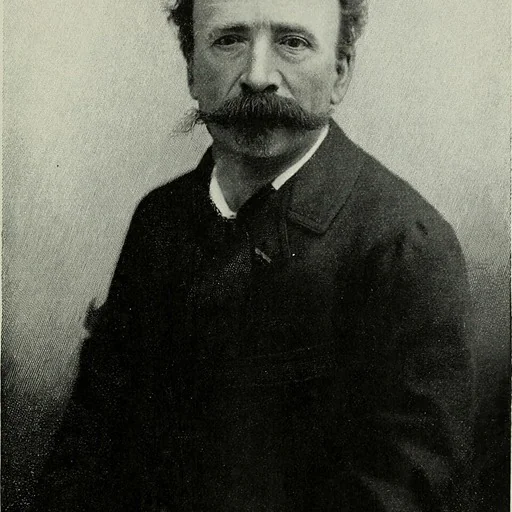
Louis Henri Deschamps was a French painter born on 25 May 1846 in Montélimar, (Drome); died 8 August 1902 in Montélimar.

Museum
National Museum of Fine Arts, Argentina
Continue through works from the same source collection.