Artwork
Interrupted Supper: “Oh, what a fool!”
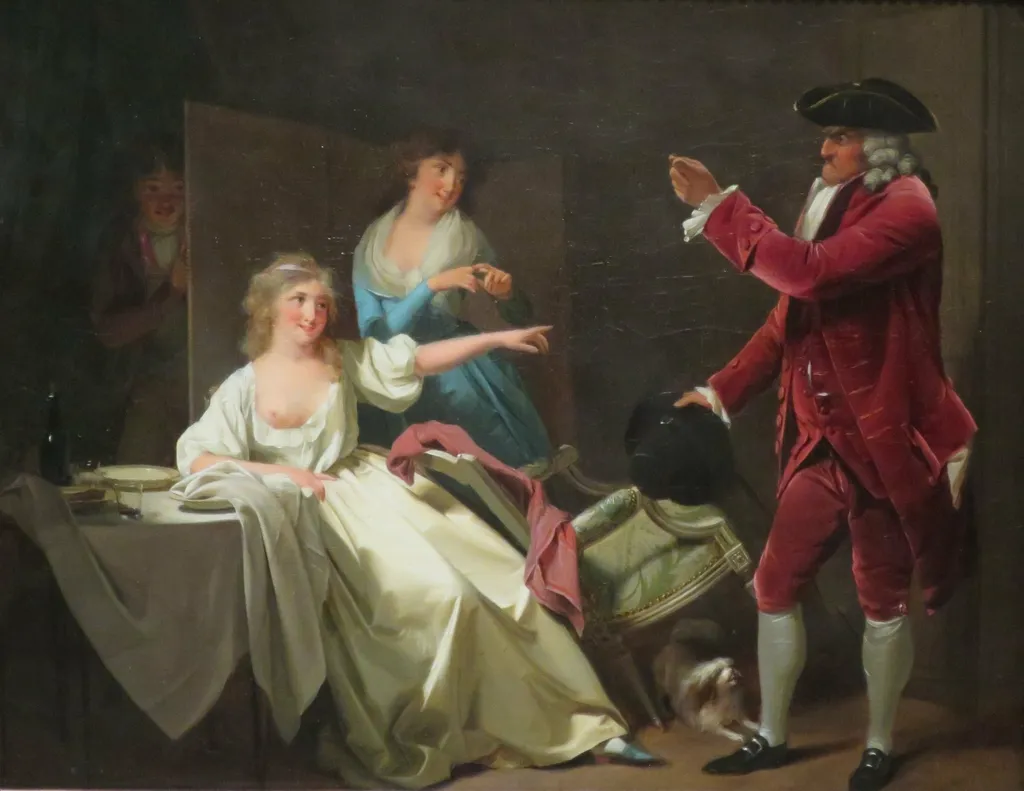
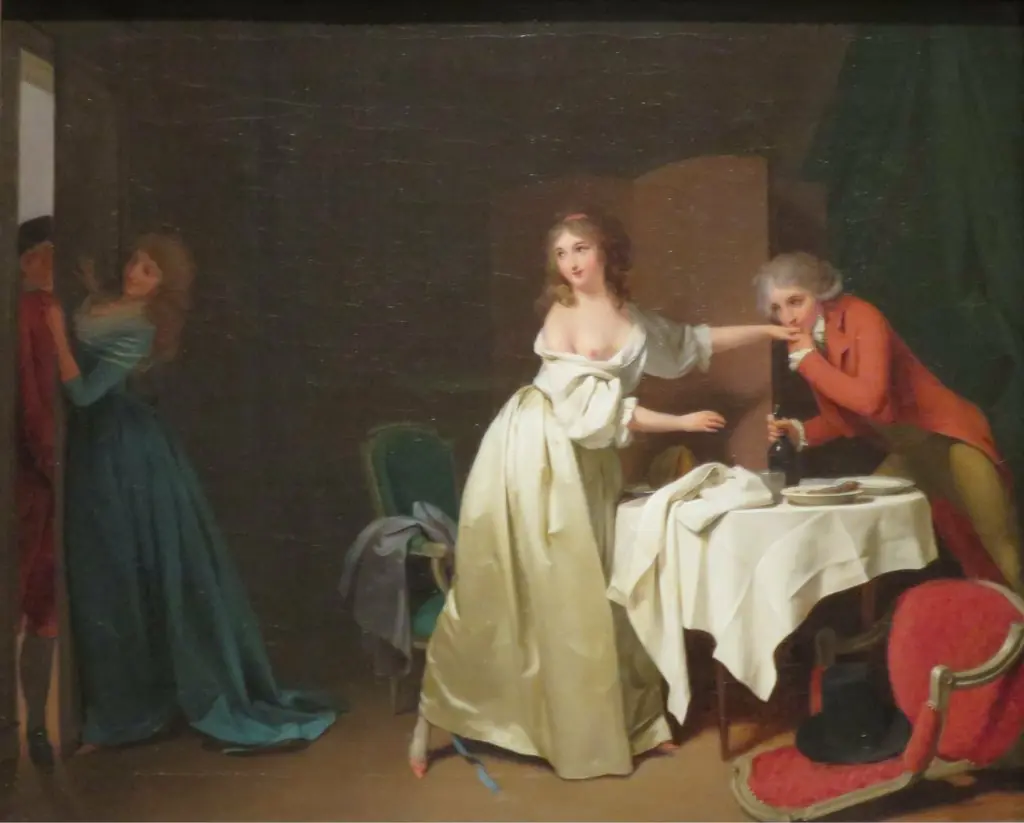
Interrupted Supper: “Oh, what a fool!” is an oil painting by the Rococo painting artist Louis-Léopold Boilly. It dates from 1796 and is held in the collection of the Norton Simon Museum.
About this work
Overview
Painted in 1796 by Louis-Léopold Boilly, this oil work captures a moment of domestic tension in a modest interior.
Painted in 1796 by Louis-Léopold Boilly, this oil work captures a moment of domestic tension in a modest interior. The scene, titled 'Interrupted Supper: Oh, what a fool!', presents a man in a vivid red suit confronting a seated woman, whose raised arm signals reproach. A second woman stands behind her, observing silently. The composition relies on sharp contrasts of light and shadow to heighten the emotional weight of the encounter.
Subject & Meaning
The painting illustrates a sudden, intimate confrontation, likely within a middle-class household. The man’s entrance disrupts an evening meal, and the woman’s pointed gesture implies accusation or disbelief. The title, spoken in exasperation, suggests a social misstep or personal betrayal. Boilly avoids overt narrative, instead inviting viewers to infer the cause of the tension from posture, expression, and the charged silence of the moment.
Technique & Style
Boilly employs chiaroscuro to define form and direct attention: the man’s crimson coat glows against the dim, neutral backdrop, while the women’s pale garments catch the light with subtle gradations. Brushwork is precise, capturing textures of fabric and skin without flourish. The lighting isolates the figures, enhancing psychological intensity. The composition is tightly framed, focusing the viewer on the interaction between the three individuals.
History & Provenance
Created during the turbulent years following the French Revolution, the painting reflects Boilly’s interest in everyday life among the bourgeoisie. It entered the Norton Simon Museum’s collection in the 20th century, having passed through private hands since its completion. Its survival through multiple ownerships underscores its appeal as a finely observed genre scene from late 18th-century France.
Context
Boilly worked in a period when genre painting gained popularity as a vehicle for social commentary. Unlike grand historical subjects, his scenes captured quiet, relatable moments in domestic settings. This work aligns with contemporary French interest in psychological nuance and moral ambiguity, mirroring broader cultural shifts toward individual experience over public spectacle.
Legacy
Though not widely exhibited, the painting remains a representative example of Boilly’s skill in rendering intimate drama through restrained means. It influenced later 19th-century realists who sought to elevate ordinary life through careful observation. Its enduring presence in museum collections affirms its value as a document of social behavior and visual storytelling in post-revolutionary France.
Artist & collection
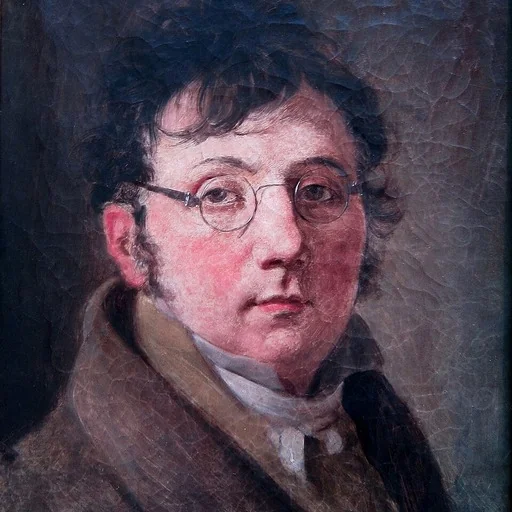
Artist
Louis-Léopold Boilly was a French painter and draftsman. A creator of popular portrait paintings, he also produced a vast number of genre paintings documenting French middle-class social life. His life and work spanned…

 La primera entrevista
 Conversation Piece (The Sense of Smell)
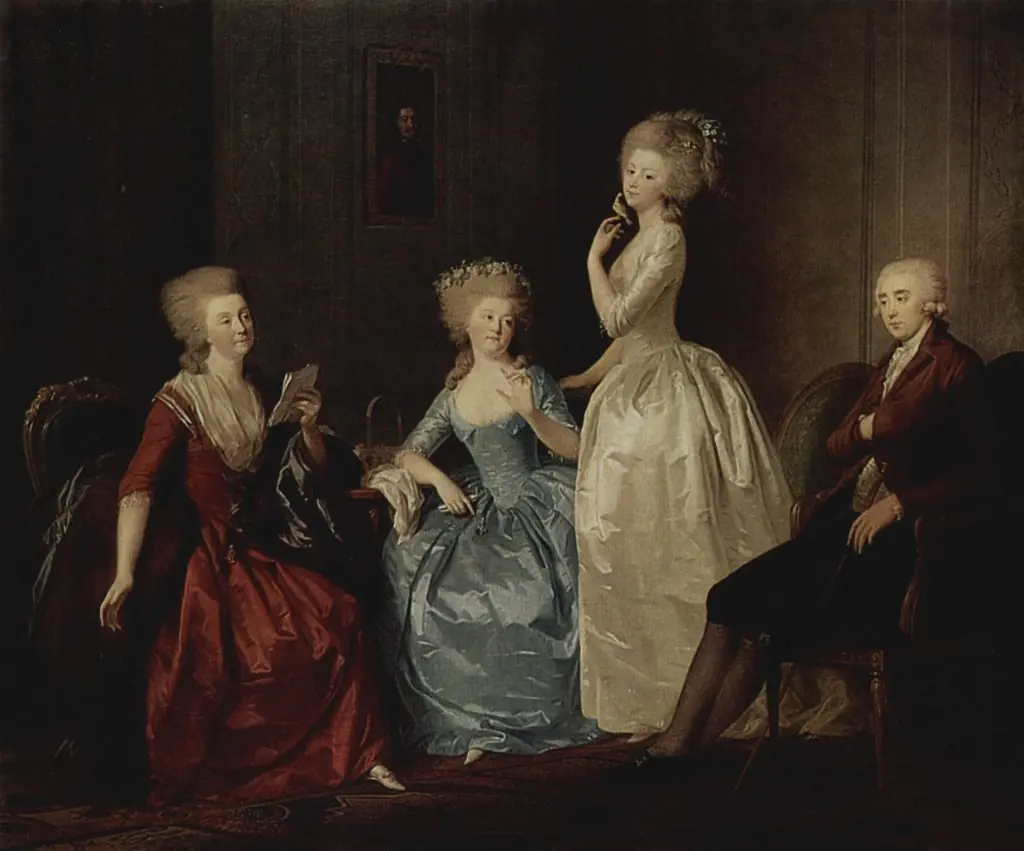 Portrait of the Saltykov Family
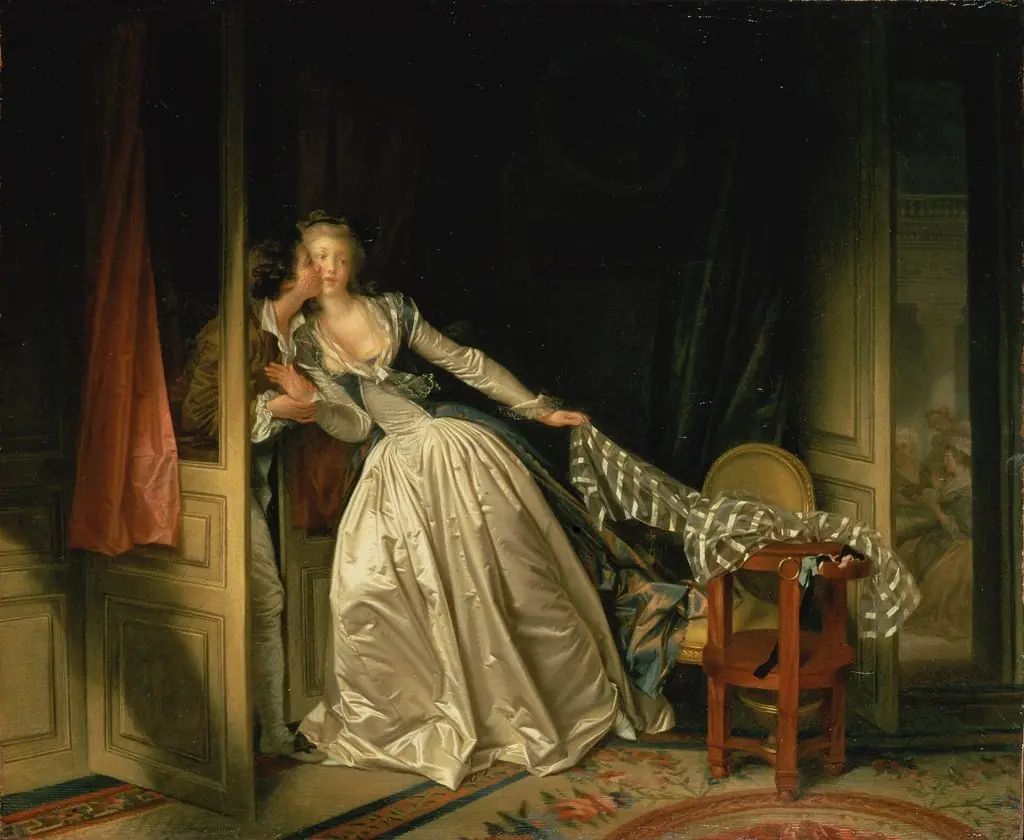 The Stolen Kiss
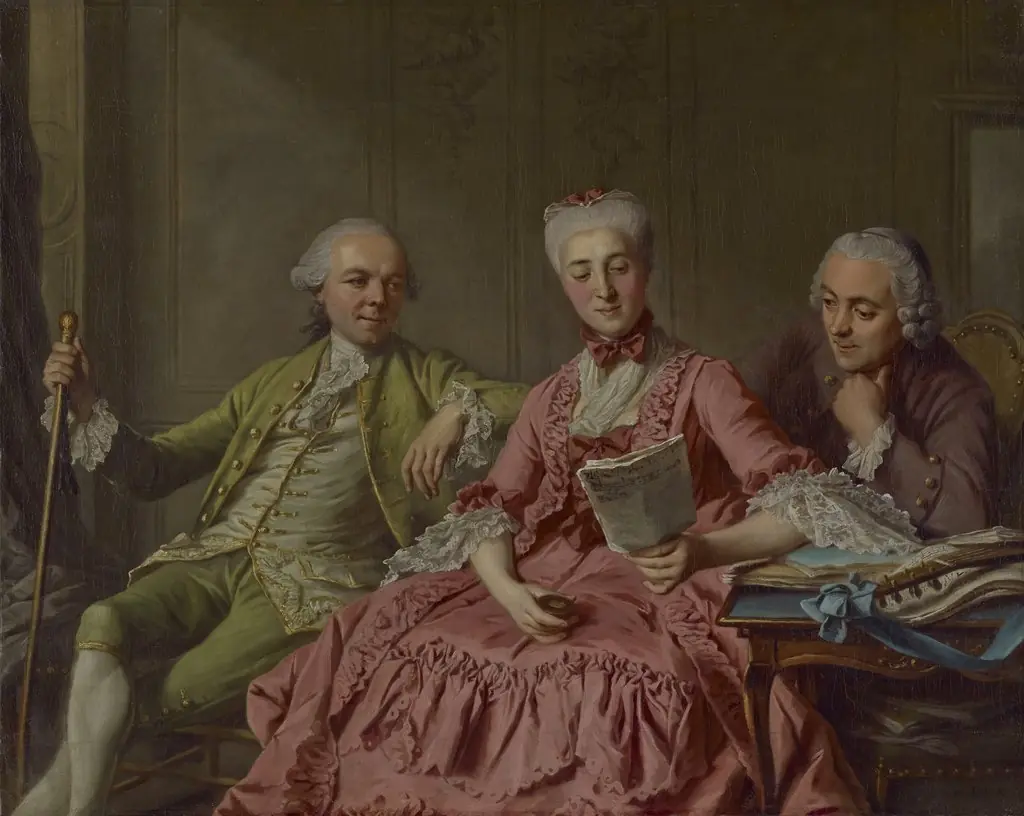 Presumed Portrait of the Duc de Choiseul and Two Companions
 Salametsästäjän vapauttaminen
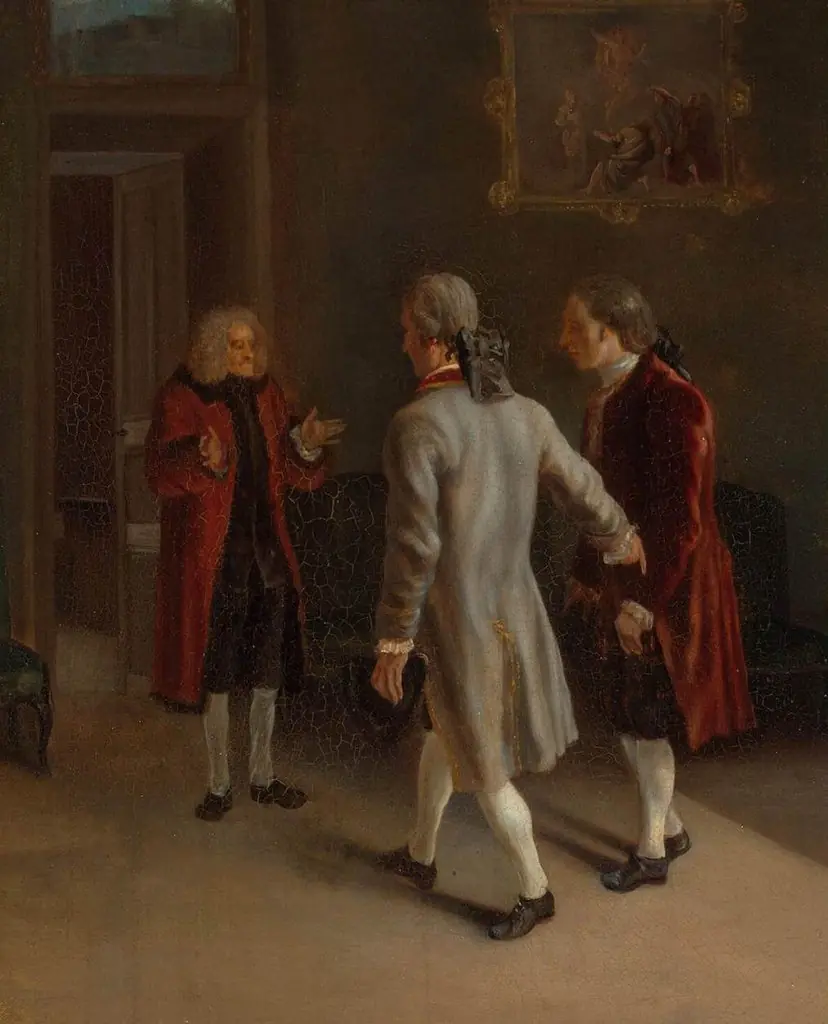 Voltaire Welcoming his Guests
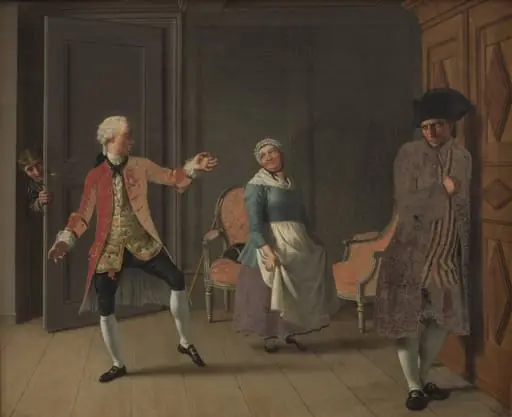 From Ludvig Holberg's "Jean de France", Act 1, Scene 6
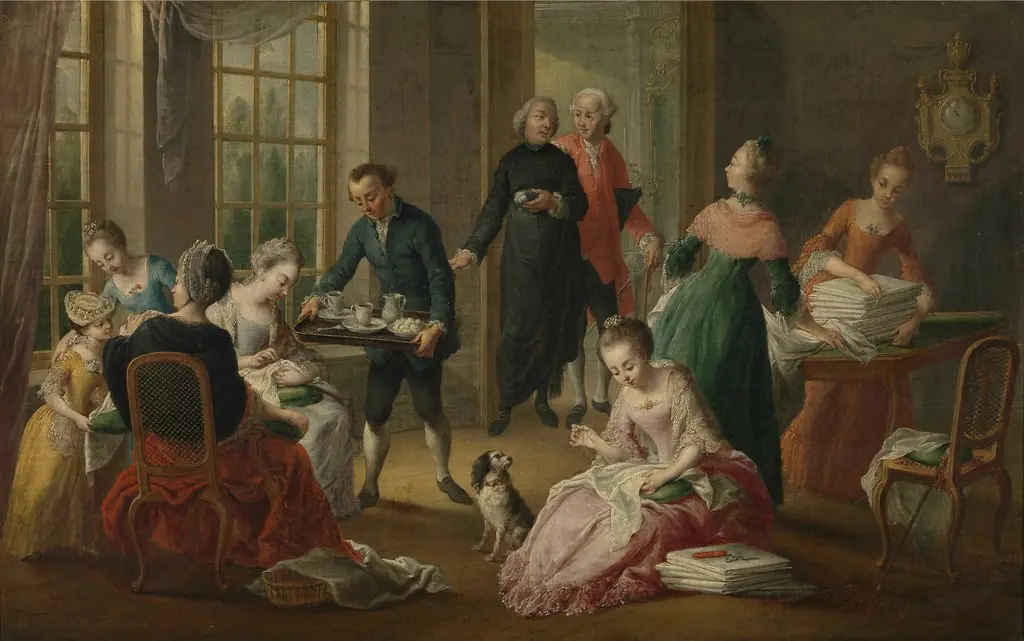 Afternoon Tea
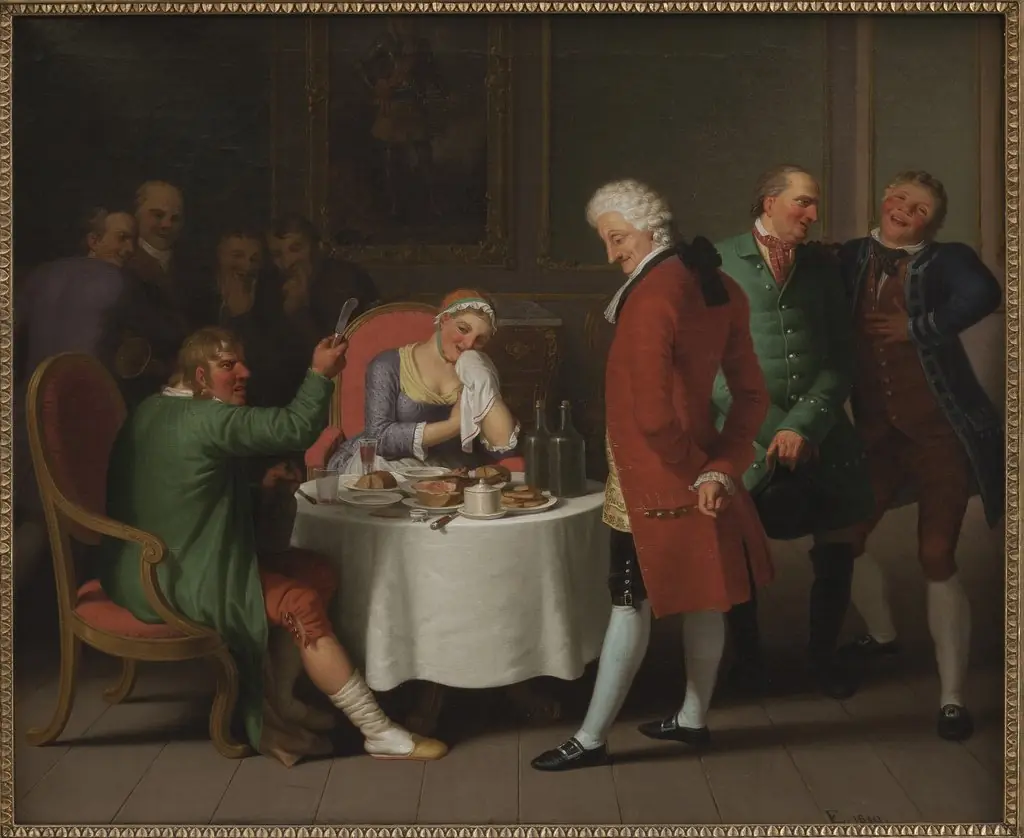 Motiv fra Ludvig Holbergs "Jeppe på Bjerget", III akt, 3. scene
 Portrait of Thomas Payne with His Family and Friends
 Interrupted Supper: “Push hard”